Category: World News

  • UEFA Euro 2028 Host Cities and Venues: Everything You Need to Know

    UEFA Euro 2028 Host Cities and Venues: Everything You Need to Know

    The countdown to one of football’s greatest tournaments is well and truly on. UEFA Euro 2028 is being co-hosted across the United Kingdom and Republic of Ireland, marking the first time a major international football tournament returns to British shores since Euro 96. For fans planning ahead, knowing the UEFA Euro 2028 host cities venues is absolutely essential. Whether you’re booking trains, sorting accommodation or just dreaming about where you’d most like to watch a match, this is your complete rundown.

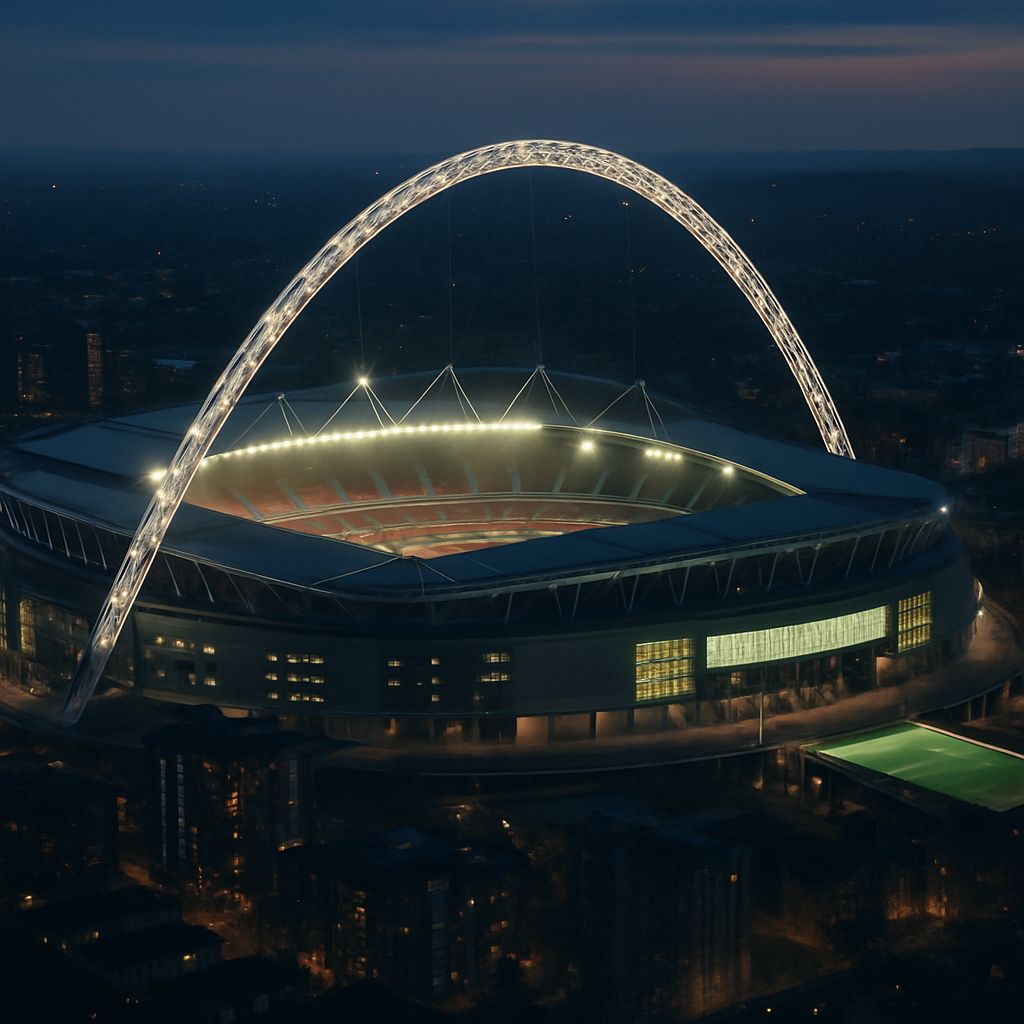
    Wembley Stadium at dusk, one of the key UEFA Euro 2028 host cities venues in England
    Wembley Stadium at dusk, one of the key UEFA Euro 2028 host cities venues in England

    Which Countries Are Hosting UEFA Euro 2028?

    The tournament spans five nations: England, Scotland, Wales, Northern Ireland and the Republic of Ireland. The bid was officially awarded in October 2023, and UEFA confirmed ten host cities across these countries. It’s a genuinely historic setup. Five nations, ten cities, one tournament. The logistical scale of this is enormous, and for fans it means incredible variety in terms of travel, culture and atmosphere.

    The confirmed host cities are London, Manchester, Newcastle, Birmingham, Glasgow, Cardiff, Belfast, Edinburgh, and Dublin. Each brings its own footballing identity, transport infrastructure and stadium credentials. Let’s break them down properly.

    The England Venues: Wembley, Old Trafford and Beyond

    England carries the largest share of matches, with four host cities. Wembley Stadium in London is the jewel in the crown. With a capacity of 90,000, it will host the final, semi-finals and a string of group stage clashes. The national stadium has already hosted multiple major finals and needs little introduction. Getting there is straightforward via London Overground, the Metropolitan line or Chiltern Railways to Wembley Central.

    Old Trafford in Manchester is pencilled in as another key venue, though the ongoing redevelopment discussions will be closely watched. The ground currently holds around 74,000 but redevelopment plans could see that figure rise significantly before 2028. Manchester is supremely well connected by rail, with Piccadilly and Victoria stations covering most national routes.

    St. James’ Park in Newcastle brings one of the most intense atmospheres in English football. With over 52,000 supporters packed in beneath the famous floodlights, it’s a cauldron. Newcastle Central station is a short walk from the stadium. Villa Park in Birmingham rounds out the England contingent. The home of Aston Villa seats just under 43,000 and has previous big-occasion pedigree, having hosted matches during Euro 96.

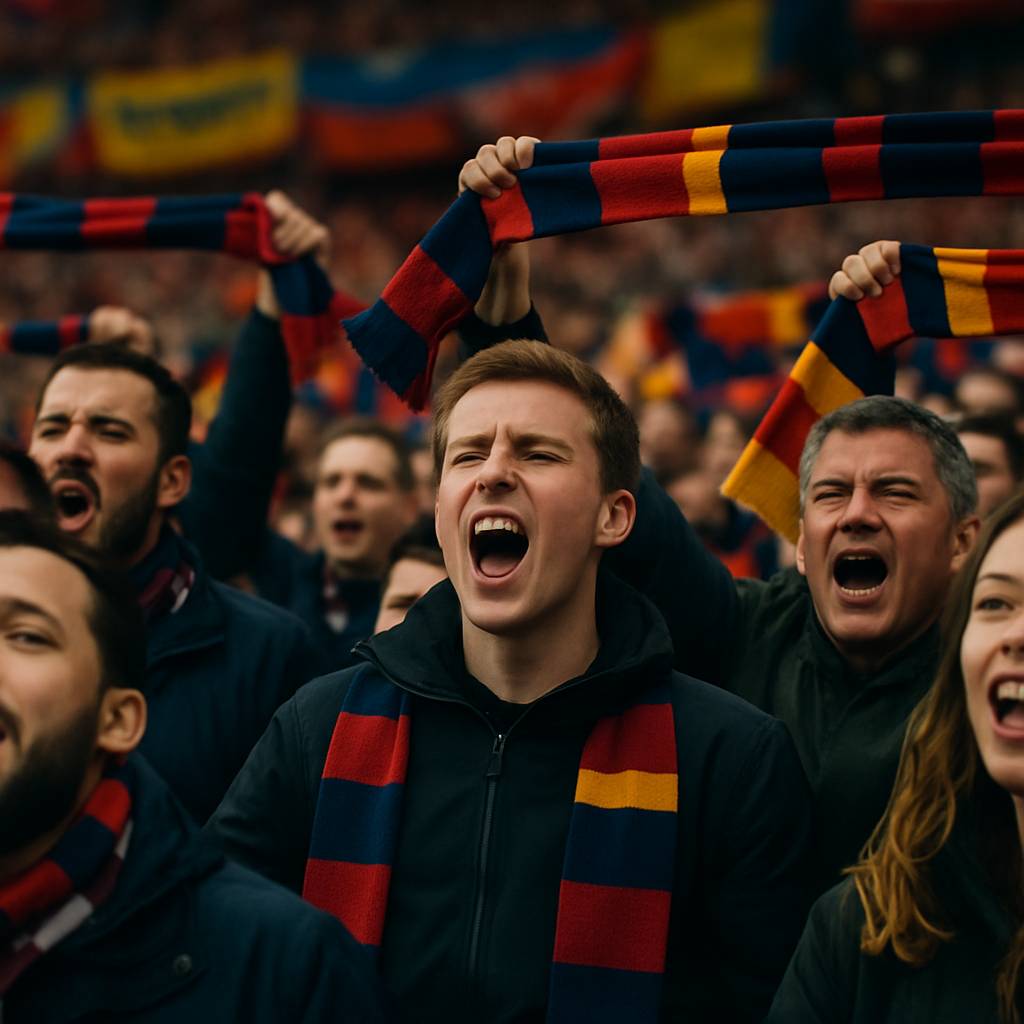
    Football fans packed into a stadium stand at a UEFA Euro 2028 host cities venues match
    Football fans packed into a stadium stand at a UEFA Euro 2028 host cities venues match

    Scotland, Wales and Northern Ireland: The Devolved Nations Step Up

    Scotland’s host city is Glasgow, with Hampden Park serving as the venue. The national stadium holds around 51,000 and carries decades of iconic football history. It hosted the 1960 European Cup Final, widely regarded as one of the greatest club football matches ever played. Transport is well covered by ScotRail services and the Glasgow subway network.

    Wales brings Cardiff City Stadium into the fold. With a capacity of approximately 33,000, it’s one of the smaller venues in the tournament, but Cardiff punches well above its weight in terms of atmosphere. Welsh fans are among the most passionate in the game, and the city centre location makes the matchday experience brilliant from start to finish. Cardiff Central station is minutes away.

    Northern Ireland’s contribution comes via Casement Park in Belfast. This venue is currently undergoing a major redevelopment that will bring capacity up to around 34,500. It’s a genuinely exciting project, transforming an historic GAA ground into a multi-sport arena capable of hosting elite international football. Translink bus and rail services connect the city efficiently.

    Murrayfield Stadium in Edinburgh has also been confirmed as a venue for the tournament. Primarily known as Scotland’s rugby home, Murrayfield holds over 67,000 and will be configured for football use. The temporary setup will be carefully managed by UEFA, and Edinburgh’s Haymarket and Waverley stations make getting there straightforward from across Scotland.

    The Republic of Ireland: Dublin Adds European Flair

    Dublin rounds out the UEFA Euro 2028 host cities venues picture with Aviva Stadium in Lansdowne Road. Ireland’s national stadium seats around 51,700 and is shared between rugby and football. It has modern facilities, a compact atmosphere that generates serious noise, and is located in a well-connected part of Dublin. DART and Luas services, as well as numerous bus routes, bring fans in from across the city and beyond. For British fans making the short trip over from Liverpool, Holyhead or Bristol, it’s a brilliant addition to the tournament’s geography.

    Transport and Fan Experience: Planning Your Euro 2028 Trip

    One of the strongest arguments for this co-hosted tournament is the quality of transport links across all ten cities. Most venues are within walking distance or a short public transport ride from major railway stations. For fans travelling between cities, the UK rail network covers most inter-city routes well, and budget airlines serve Dublin and Belfast from most major UK airports.

    UEFA typically releases a Fan ID system for major tournaments, which in previous editions has offered free public transport in host cities on match days. Fans should keep an eye on official UEFA communications for confirmation of similar arrangements for 2028. You can stay up to date with official tournament news directly via the BBC Sport football section, which will cover fixtures, ticketing and travel updates as they’re confirmed.

    What Makes This Tournament Different

    The sheer cultural diversity on offer across this tournament is extraordinary. In a single fortnight you could watch a match at Wembley, hop on a train to Newcastle, catch another game at Hampden, then fly to Dublin for a knockout tie. The variety of cities, each with its own football culture, food scene and nightlife, makes the fan experience genuinely unmatched. The UCI Euro 2028 host cities venues collectively represent some of the finest football real estate in the world.

    Ticket demand is going to be fierce. Euro 2020 (played in 2021) saw massive over-subscription for tickets even during a pandemic-affected tournament. Planning early, registering with UEFA’s ticketing portal when it opens, and sorting transport and accommodation well in advance is the only sensible approach. This is shaping up to be one of the great European Championships. Don’t get left watching it from your sofa.

    Frequently Asked Questions

    Which stadiums are confirmed for UEFA Euro 2028?

    The confirmed venues include Wembley Stadium, Old Trafford, St. James’ Park, Villa Park, Hampden Park, Murrayfield, Cardiff City Stadium, Casement Park, and Aviva Stadium in Dublin. Together they span England, Scotland, Wales, Northern Ireland and the Republic of Ireland.

    Where is the UEFA Euro 2028 final being held?

    Wembley Stadium in London is expected to host the UEFA Euro 2028 final, as confirmed in the host bid documentation. It has a capacity of 90,000 and has previously staged major international finals including Euro 96 and the Euro 2020 final.

    How do I get tickets for UEFA Euro 2028?

    Tickets will be distributed through UEFA’s official ticketing portal, which will open ahead of the tournament. Fans should register early and monitor official UEFA and BBC Sport channels for announcements on ticket ballots and sale dates.

    Is Casement Park ready in time for Euro 2028?

    Casement Park in Belfast is currently undergoing a major redevelopment expected to complete ahead of the tournament, bringing capacity to approximately 34,500. The project has faced delays in the past but planning approvals have now progressed significantly.

    Can UK fans travel easily between UEFA Euro 2028 host cities?

    Yes, the UK rail network connects most host cities with regular intercity services, and budget airlines serve Dublin and Belfast from major UK airports. UEFA has historically offered free public transport on match days for registered Fan ID holders, though this is yet to be confirmed for 2028.

  • FIFA World Cup 2026 Host Cities: Stadiums, Facilities and What Fans Need to Know

    FIFA World Cup 2026 Host Cities: Stadiums, Facilities and What Fans Need to Know

    The 2026 FIFA World Cup is the biggest footballing tournament in history, and it is not just because of the expanded 48-team format. This is the first World Cup to be co-hosted across three countries, with the United States, Canada and Mexico sharing duties across 16 cities and some genuinely jaw-dropping venues. For British fans planning the trip of a lifetime, there is a lot to get your head around. Distances are enormous, time zones are brutal, and the sheer scale of the FIFA World Cup 2026 host cities stadiums operation is unlike anything we have seen before.

    This guide breaks down the key venues, city by city, with stadium capacities, infrastructure notes and practical advice to help you plan smarter.

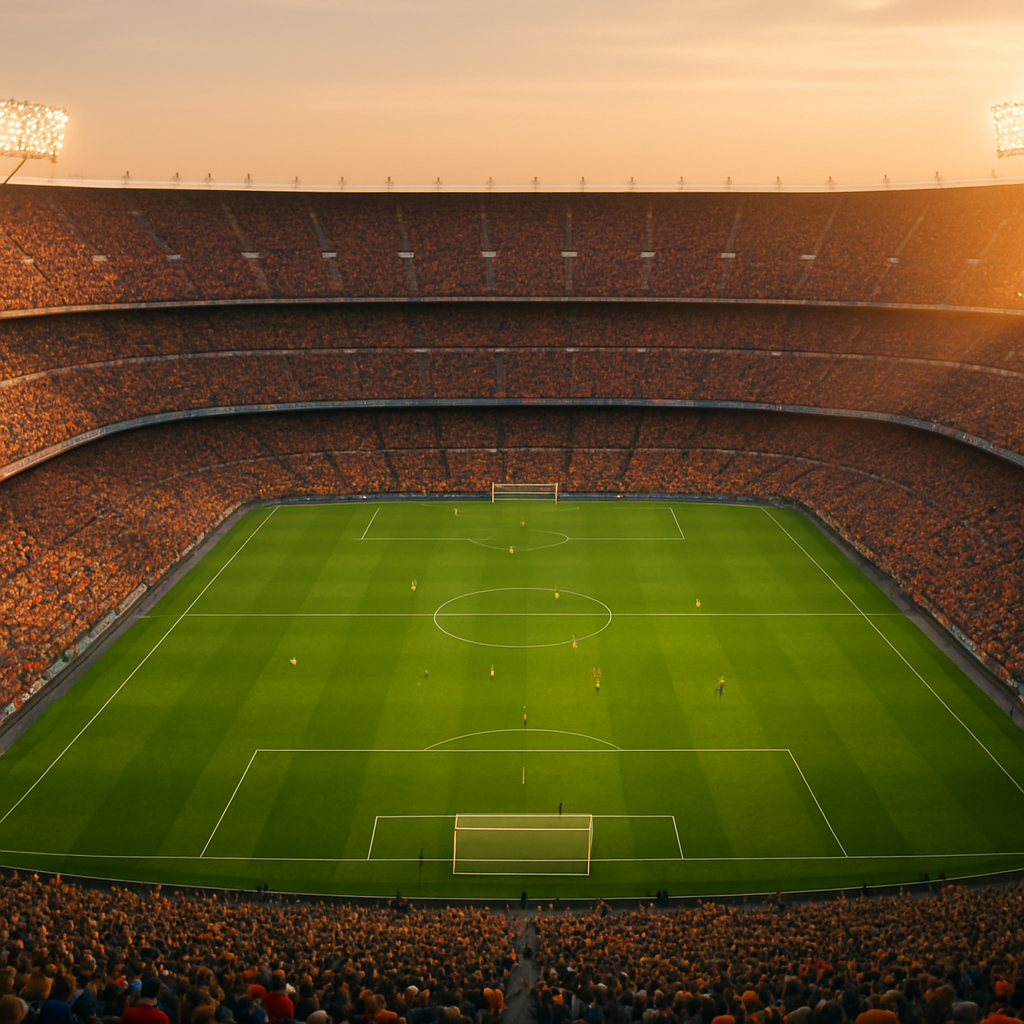
    Aerial view of a large stadium packed with fans representing FIFA World Cup 2026 host cities stadiums
    Aerial view of a large stadium packed with fans representing FIFA World Cup 2026 host cities stadiums

    The Scale of It: Why This World Cup Is Different

    Previous tournaments were compact. Brazil 2014 stretched across 12 cities, but they were all in one country. Russia 2018 covered a wide geographical spread but still operated under a single rail and air network. The 2026 edition is a different beast entirely. Sixteen host cities, three nations, thousands of miles between venues. The semi-finals and final are in the United States, with MetLife Stadium in New Jersey (capacity 82,500) confirmed as the venue for the 22 June final. That one fixture alone is expected to generate enormous demand from UK fans who will fly directly into New York.

    FIFA has published the full city and stadium list on its official site, and it makes for compelling reading. Across the three host nations, stadium capacities range from around 45,000 at some Canadian venues up to over 100,000 at venues like the Rose Bowl in Pasadena, which is listed as hosting 92,542. The infrastructure investment running alongside those figures is substantial.

    FIFA World Cup 2026 Host Cities Stadiums: The Full Breakdown

    United States (11 Host Cities)

    The US carries the bulk of the tournament, hosting 78 of the 104 matches, including all three knockout rounds beyond the quarters. The venues include some of the most iconic sports arenas on the planet. AT&T Stadium in Arlington, Texas, seats 80,000 and is one of the most technically advanced venues in world sport, with a vast video board that stretches the full width of the pitch. SoFi Stadium in Los Angeles hosted Super Bowl LVI and has a capacity of 70,000 with full climate control under a translucent roof. Levi’s Stadium in Santa Clara, home to the San Francisco 49ers, and NRG Stadium in Houston round out the southern cluster.

    In the north-east, MetLife Stadium handles the showpiece matches, while Gillette Stadium in Boston and Lincoln Financial Field in Philadelphia provide additional capacity. Hard Rock Stadium in Miami and Mercedes-Benz Stadium in Atlanta sit in the south-east. Seattle’s Lumen Field and Kansas City’s Arrowhead Stadium complete the US roster. Every venue is an existing NFL or MLS ground that has hosted major events, which means facilities, transport links and crowd management are all battle-tested.

    Canada (2 Host Cities)

    Toronto and Vancouver are Canada’s two contributions. BMO Field in Toronto is a football-specific ground, but it has been temporarily expanded to approximately 45,000 for the tournament. BC Place in Vancouver brings a retractable roof and a capacity of around 54,000. Both cities have strong existing public transport infrastructure, and Canadian organisers have worked closely with FIFA on fan zones and ticketing logistics. Vancouver in particular is an extremely accessible city for British fans connecting via Heathrow, with direct flights from London taking around nine to ten hours.

    Mexico (3 Host Cities)

    Mexico City, Guadalajara and Monterrey round out the host nation trio. Estadio Azteca in Mexico City is the crown jewel here. It is the only stadium in history to have hosted two World Cup finals (1970 and 1986) and it will host group stage and knockout matches in 2026 after a significant renovation. Capacity sits at around 87,523. Estadio Akron in Guadalajara and Estadio BBVA in Monterrey are modern, purpose-built grounds with capacities of around 48,000 and 53,500 respectively. Mexico’s venues have arguably the most passionate atmospheres of the three nations. The altitude in Mexico City (2,240 metres above sea level) is also worth factoring in if you are planning any fitness activity during your stay.

    World Cup football on the pitch at one of the FIFA World Cup 2026 host cities stadiums
    World Cup football on the pitch at one of the FIFA World Cup 2026 host cities stadiums

    Travel Tips for UK Fans

    The tournament runs from 11 June to 19 July 2026. For UK fans, this sits right across the school summer holiday ramp-up, which means flights are already pricing at a premium. Book early. Direct transatlantic routes into New York, Los Angeles, Miami and Dallas are your best bets for the US venues. British Airways, Virgin Atlantic and American Airlines all operate high-frequency routes into those hubs. For Canada, Toronto and Vancouver are well-served from Heathrow and Manchester.

    The biggest practical challenge is internal travel. If England progress through the group stage and into the knockouts, you could be looking at matches in entirely different cities with very little time between them. Flying domestically within the US is straightforward but expensive during peak summer. Train travel between some north-east cities (New York to Philadelphia, for example) is a viable option via Amtrak. Always factor in the time zone jumps if you are tracking multiple matches.

    For health and fitness-conscious fans, most host cities have exceptional running routes, gyms and outdoor spaces. Miami Beach, the Santa Monica seafront in Los Angeles and Vancouver’s seawall are world-class spots to keep your training ticking over between matches. The BBC Sport travel hub has been running useful preview content on fan logistics, and BBC Sport’s World Cup section is worth bookmarking for ongoing updates.

    Stadium Tech and Fan Experience

    One thing that genuinely sets these FIFA World Cup 2026 host cities stadiums apart from previous tournaments is the technology on offer. SoFi Stadium, AT&T Stadium and Mercedes-Benz Stadium are all equipped with ultra-high-definition video boards, 5G connectivity throughout the seating bowl, and sophisticated crowd analytics systems. For UK fans accustomed to Premier League grounds that are still catching up on basic Wi-Fi provision, the contrast will be sharp.

    FIFA has also committed to delivering an enhanced VAR and semi-automated offside technology system across all 16 venues, building on the systems trialled at Qatar 2022 and refined since. Goal-line technology, player tracking data and real-time biometric monitoring of on-pitch conditions are all part of the operational infrastructure. These are not just show venues. They are live laboratories for the next generation of football technology.

    What to Expect If England Are There

    England have been placed in Group B for the tournament, and depending on results, the knockout route could take them through venues along the eastern seaboard of the US. A potential path through Philadelphia, New York and Atlanta is realistic for a side going deep into the tournament. For fans travelling from the UK, clustering matches in the north-east US corridor makes logistical sense, with strong direct flight options and relatively compact ground distances compared to the rest of the country.

    Whichever way the draw plays out, the FIFA World Cup 2026 host cities stadiums represent the most ambitious tournament infrastructure ever assembled. Sixteen cities, three countries, 104 matches. For British football fans, this is the one to plan for properly. Start early, budget carefully and get ready for something genuinely historic.

    Frequently Asked Questions

    How many host cities are there in the 2026 FIFA World Cup?

    There are 16 host cities across three countries: 11 in the United States, two in Canada (Toronto and Vancouver) and three in Mexico (Mexico City, Guadalajara and Monterrey). The final is scheduled to take place at MetLife Stadium in New Jersey on 19 July 2026.

    Which is the biggest stadium at the 2026 World Cup?

    The Rose Bowl in Pasadena, California, holds approximately 92,542 spectators, making it one of the largest venues in the tournament. AT&T Stadium in Arlington, Texas, and Estadio Azteca in Mexico City also feature capacities above 80,000.

    Can UK fans fly direct to the 2026 World Cup host cities?

    Yes. Direct routes from London Heathrow and Manchester operate to key host cities including New York, Los Angeles, Miami, Dallas and Vancouver. Connecting flights are available to all other host cities. Book well in advance as summer 2026 transatlantic fares are highly competitive.

    What is the best US host city to base yourself in for the World Cup?

    New York (MetLife Stadium) is a strong base for fans wanting to watch multiple matches, as it hosts the final and is within easy reach of Philadelphia via Amtrak rail. Miami, Dallas and Los Angeles are also popular bases given their direct flight links from the UK.

    What tech features do the 2026 World Cup stadiums have?

    Several venues including SoFi Stadium and AT&T Stadium feature 5G connectivity, ultra-HD video screens and advanced crowd analytics. FIFA is also deploying semi-automated offside technology and enhanced VAR systems across all 16 venues for the tournament.

  • Top 10 Outdoor Fitness Destinations in Europe for Sports Travellers in 2026

    Top 10 Outdoor Fitness Destinations in Europe for Sports Travellers in 2026

    Europe has never been a better playground for fitness-focused travellers. Whether you’re chasing alpine trail runs, open-water swims, cycling climbs that’ll make your quads scream, or simply want to combine a proper holiday with serious training, the continent delivers on every front. As active travel continues to boom, the best sports fitness travel destinations Europe 2026 has on offer are genuinely world-class. Here are ten that deserve a spot on your training calendar this year.

    Trail runner on alpine mountain path representing sports fitness travel destinations Europe 2026
    Trail runner on alpine mountain path representing sports fitness travel destinations Europe 2026

    1. Innsbruck, Austria: Alpine Sports Heaven

    Innsbruck is an absolute beast of a destination for outdoor athletes. The Austrian capital sits at 574 metres above sea level, surrounded by peaks that push above 2,700 metres, making it an elite altitude training location without needing a specialist facility booking. Trail running, mountain biking, and climbing are all world-class here. The Nordkette mountain range has trails used by professional ultrarunners, and the city hosts events on the ITRA (International Trail Running Association) calendar throughout the summer season.

    2. Girona, Spain: Cycling’s Spiritual Home

    Ask any serious cyclist in Britain where they’d go for a training camp and Girona comes up within the first ten seconds. The Catalan city has long attracted professional teams and elite amateur riders thanks to its near-perfect road cycling terrain, mild climate from March through October, and an infrastructure built around two-wheeled sport. Several WorldTour teams are based here or use it as a winter base. For hill climbers, the Rocacorba climb is a rite of passage. Cafes cater to cyclists openly, bike mechanics are everywhere, and the riding just never gets boring.

    3. Chamonix, France: Year-Round Multi-Sport Base

    Chamonix is the spiritual home of endurance sport in the Alps. The Ultra-Trail du Mont-Blanc (UTMB) alone draws thousands of elite and amateur trail runners each August, making it one of the biggest sporting events in the European outdoor calendar. Outside of race season, the trails, ski touring routes, and via ferrata routes keep active travellers busy all year. It’s a destination that rewards fitness. The more you can push, the more the mountains give back.

    4. Lisbon, Portugal: Urban Fitness Meets Coastal Sport

    Lisbon is rapidly establishing itself as one of the smartest sports fitness travel destinations Europe 2026 has produced. The city has invested heavily in its outdoor fitness infrastructure, with riverside cycling paths, open-air gyms along the Tagus, and a surf scene that stretches 30 minutes west to Cascais and Estoril. The NOS Alive festival aside, Lisbon hosts triathlons, open-water swimming events, and increasingly attracts British runners chasing PBs on flat coastal roads in cooler winter months.

    Cyclist climbing mountain road at one of the top sports fitness travel destinations Europe 2026
    Cyclist climbing mountain road at one of the top sports fitness travel destinations Europe 2026

    5. Zermatt, Switzerland: High-Altitude Training for Serious Athletes

    Zermatt sits at 1,620 metres and is car-free, which is a win on its own. The Matterhorn provides a backdrop that makes every training session feel cinematic, but the real draw is the altitude. Cyclists use the Gornergrat ascent as a brutal benchmark test. Runners have access to trails leading to huts at over 3,000 metres. Swiss infrastructure means everything works, the food is excellent, and recovery between sessions is genuinely easier when the environment is this clean and calm.

    6. Ålesund, Norway: Wild Swimming and Nordic Fitness Culture

    Norway’s approach to outdoor fitness is refreshingly no-nonsense. Ålesund, perched on a cluster of islands on the west coast, is a brilliant base for open-water swimming, kayaking, hiking, and cycling. The fjords provide natural cold-water immersion that would cost you £60 a session at a London recovery centre. The Norwegian concept of friluftsliv (outdoor life) is embedded in daily culture here, and it shows. Locals are active, trails are well-maintained, and the scenery removes any excuse to sit still.

    7. Alpe d’Huez, France: Iconic Cycling Pilgrimage

    No list of European sports travel destinations is complete without Alpe d’Huez. The 21 hairpin bends, 1,120-metre climb, and 8.1-kilometre average gradient make it one of the most famous cycling ascents on Earth. Tour de France fans will know every bend by name. But you don’t need to be a professional to ride it. Hundreds of British cyclists make the trip each year through specialist cycling holiday operators, many departing from the UK via Eurostar connections. The descent is equally memorable, if slightly terrifying.

    8. Lanzarote, Canary Islands: The Triathlete’s Winter Base

    Lanzarote is technically Spanish, but it operates as a self-contained sporting island. Club La Santa has been the benchmark European training resort for decades, attracting triathletes, swimmers, and cyclists who need warm, consistent weather in January and February when training back in the UK involves dodging puddles on dark country roads. The IRONMAN Lanzarote race is one of the toughest full-distance events in the world, and training on the same course in preparation adds a layer of motivation that’s hard to replicate anywhere else.

    9. Moab-esque Mountain Biking in Finale Ligure, Italy

    Finale Ligure on the Italian Riviera has quietly become Europe’s mountain biking capital. The trail network spans over 800 kilometres, from flowy singletrack to gnarly technical descents that drop towards the Mediterranean coast. Gravity-focused riders travel from across the UK and beyond, often combining the riding with solid Italian food and post-ride dips in the sea. Several British bike brands and coaching outfits now run annual camps here. It’s the kind of place that converts cyclists into mountain bikers permanently.

    10. Funchal, Madeira: Trail Running’s Rising Star

    Madeira has been on the trail running radar for a few years but in 2026 it’s properly arrived. The Madeira Island Ultra Trail (MIUT) is an established race, but the broader trail network on the island, combined with year-round mild temperatures and dramatic volcanic terrain, makes it ideal for serious runners. Levada walks are accessible for all fitness levels, while the higher mountain trails demand respect and proper kit. Porto Moniz’s natural rock pools also make post-run recovery rather spectacular.

    Planning Your Sports Travel Trip: What to Consider

    Booking a fitness-focused trip to Europe requires a bit more planning than a standard beach holiday. Think about the timing of major events (the VisitBritain sport pages are useful for UK departure context), the altitude of your destination, whether your travel insurance covers sporting activity, and what kit you need to transport. Many airlines now offer better bike carriage policies, though it’s worth double-checking before booking. Train connections via Eurostar into France, Spain, and beyond have made car-free sports travel increasingly practical for British travellers.

    The best sports fitness travel destinations Europe 2026 offers aren’t just about the physical terrain. They’re about immersing yourself in sporting culture, training in conditions that push your performance, and coming home genuinely fitter. That’s a holiday worth taking.

    Frequently Asked Questions

    What are the best European countries for a sports fitness travel holiday in 2026?

    France, Spain, Switzerland, Portugal, and Norway consistently rank among the top choices for fitness-focused travellers. Each offers a combination of world-class outdoor terrain, established sporting infrastructure, and events that cater to all levels, from amateur to elite.

    How do I get to European sports destinations from the UK without flying?

    Eurostar from London St Pancras connects to Paris, Brussels, and Amsterdam, from where high-speed rail networks reach cities like Girona, Chamonix, and Innsbruck. Many cyclists and runners now opt for train travel to reduce their carbon footprint, and bike carriage on international trains has improved significantly.

    Is Lanzarote good for triathlon training in winter?

    Absolutely. Lanzarote is one of Europe’s premier triathlon training destinations, offering warm temperatures, flat cycling roads, clear Atlantic waters, and dedicated facilities at resorts like Club La Santa. Most British triathletes who visit do so between November and February to escape poor training conditions at home.

    Do I need specialist travel insurance for sports fitness holidays in Europe?

    Standard travel insurance often excludes activities like trail running, cycling at altitude, mountain biking, and open-water swimming. You should specifically check your policy covers the activities you plan to undertake and consider specialist sports travel insurance if needed. UK providers like Battleface and True Traveller offer active sport cover.

    What is the best time of year to visit Chamonix for trail running?

    Late June through September is peak season for trail running in Chamonix, when most high-altitude trails are clear of snow. The UTMB race week in late August brings incredible atmosphere but also large crowds and higher accommodation prices, so booking well in advance is essential.

  • Inside the World’s Most Futuristic Sports Stadiums Opening in 2026

    Inside the World’s Most Futuristic Sports Stadiums Opening in 2026

    Stadium design has always been a statement of ambition. But what’s being unveiled in 2026 goes well beyond a new set of seats and a bigger scoreboard. These are buildings engineered for the future, blending architectural spectacle with genuine sporting function. From AI-powered crowd flow systems to retractable pitches and solar-clad facades, the futuristic sports stadiums of 2026 are setting a benchmark that previous generations of architects would barely recognise.

    Whether you’re a football fan, an athletics devotee, or simply someone who appreciates bold engineering, these venues deserve your attention. Here’s what’s opening, what’s new, and why it matters.

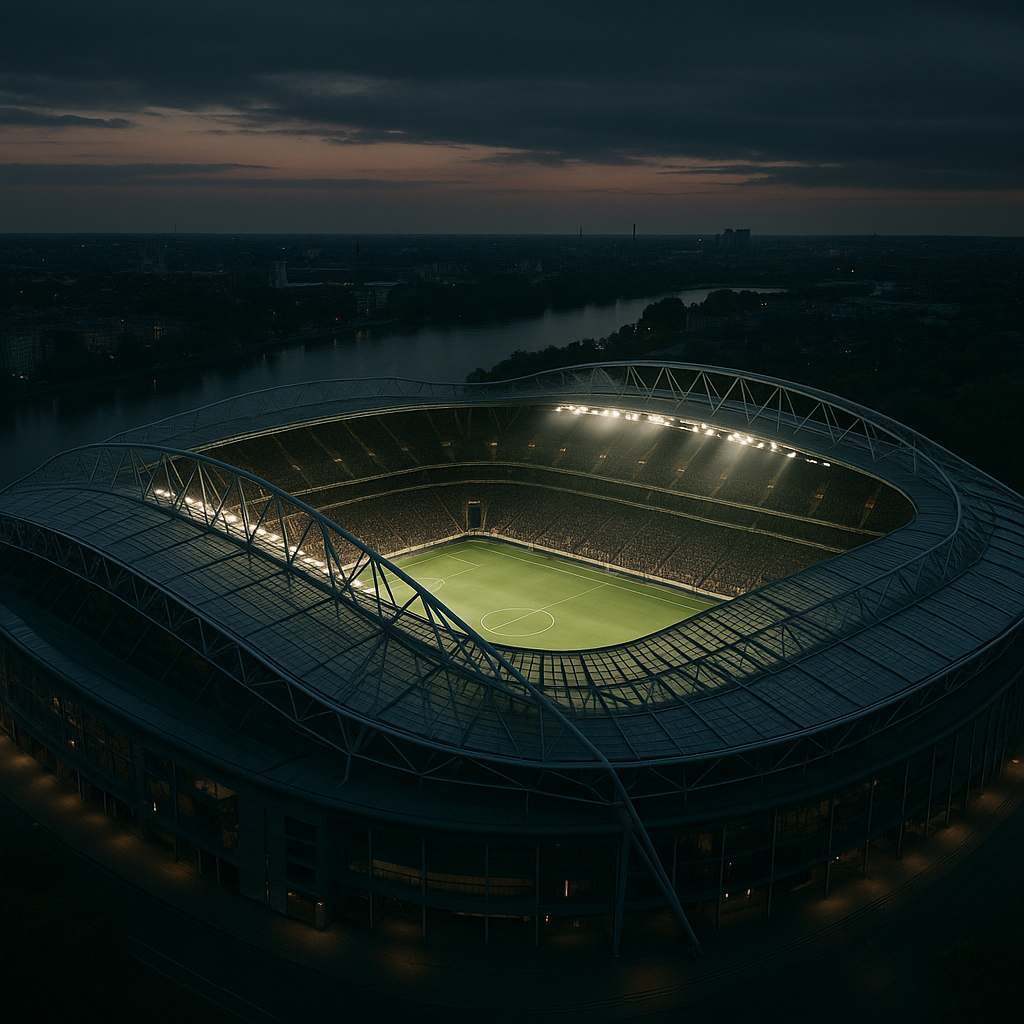
    Aerial view of a futuristic sports stadium 2026 opening beside a river at dusk with illuminated roof structure
    Aerial view of a futuristic sports stadium 2026 opening beside a river at dusk with illuminated roof structure

    What Makes a Stadium “Futuristic” in 2026?

    It’s a fair question. The word gets thrown around whenever a new venue has a fancy roof or LED screens in the concourse. But the stadiums genuinely earning that label in 2026 are doing something more substantial. They’re integrating artificial intelligence into crowd management, using real-time data to route fans away from pinch points and reduce queue times at turnstiles. Some are trialling facial recognition entry systems, though these remain controversial in the UK given ICO guidance on biometric data use.

    Sustainability is equally central. Several 2026 openings are targeting BREEAM Excellent or net-zero operational carbon ratings. That means photovoltaic panels embedded into roof panels, rainwater harvesting for pitch irrigation, and low-embodied-carbon concrete mixes. It also means thorough structural surveys during construction, including proper asbestos management protocols when demolishing or repurposing older stadium infrastructure on the same site, which remains a legal requirement under UK regulations.

    Then there’s the fan experience layer: app-connected seat upgrades, personalised catering delivered to your row, augmented reality overlays through in-stadium screens. This isn’t concept design. These features are being built in as standard.

    New Everton Stadium, Liverpool: A British Landmark

    Let’s start close to home. Everton’s new stadium at Bramley-Moore Dock finally opened its doors in early 2026 after years of construction, planning battles, and nationwide anticipation. With a capacity of 52,888, it sits on the banks of the Mersey and immediately became one of the most photographed new venues in Europe.

    The design by Dan Meis incorporates a striking slanted roof that channels rainwater into recycled systems used for pitch maintenance. The stands are steep and tight, designed to amplify crowd noise in a way that echoes the old Goodison atmosphere rather than the more sterile bowl formats seen elsewhere. Smart sensor technology monitors structural load across the building in real time, feeding data back to facilities teams during matchdays.

    Connectivity inside the ground is exceptional. Over 1,200 WiFi access points mean 52,000 fans can stream simultaneously without degradation, and the in-app matchday experience includes live stats, replay access, and food ordering from your seat. For a club that spent over a century at Goodison Park, this is a serious step into the modern era.

    Close-up detail of retractable roof engineering inside a futuristic sports stadium 2026
    Close-up detail of retractable roof engineering inside a futuristic sports stadium 2026

    The Lusail Iconic Stadium Legacy Projects

    Several venues constructed for major recent tournaments are being adapted and repurposed in 2026 as part of legacy infrastructure commitments. Qatar’s Lusail Stadium, which hosted the 2022 World Cup final, is one of the most technically advanced buildings ever constructed for sport. Its cooling system alone, which maintains a consistent 20°C pitch-side temperature in 40°C heat, is an engineering case study in its own right.

    By 2026, Lusail’s transformation into a mixed-use community hub is well advanced. It’s an interesting model that several European clubs are watching closely, particularly those with planning constraints around expanding existing grounds.

    SoFi-Level Ambition Comes to Europe: Madrid’s New Atletico Ring

    Atletico Madrid’s expansion of the Civitas Metropolitano is delivering a retractable roof across the full bowl by mid-2026, along with a complete overhaul of the north stand hospitality tier. The retractable roof took years of engineering negotiation given Madrid’s seismic activity requirements, but the result is a building that can host concerts, boxing, and tennis in fully enclosed conditions as well as top-flight football.

    The venue’s AI crowd management system is probably the most sophisticated currently deployed in European club football. Sensor arrays at every entry gate feed into a central control platform, dynamically adjusting turnstile allocations and digital wayfinding boards across the concourse as crowd density builds. The club’s own data suggests entry times at peak capacity have dropped by roughly 35% compared to the old system.

    Sustainable Design: Not Just a Talking Point

    One of the most encouraging trends across the 2026 stadium pipeline is the serious commitment to environmental performance. The BBC Sport has covered several new grounds where sustainability credentials are now part of the planning approval narrative, not just a marketing footnote.

    Photovoltaic glass is being used in roof and facade elements at several venues, generating renewable energy during daylight hours that feeds back into the national grid when the stadium is unoccupied. Ground-source heat pump systems are replacing gas boilers in changing rooms and hospitality areas. Even the seating materials are being scrutinised, with several venues switching to seats manufactured from recycled ocean plastics.

    Pitch technology is advancing at the same pace as the buildings around it. Hybrid grass systems, combining natural turf with synthetic fibres, are now standard at top-tier venues, extending playing surfaces to over 600 hours of use per year without significant quality degradation. Undersoil heating and lighting rigs that supplement natural daylight are keeping pitches match-ready through UK winters in a way that would have been impossible a decade ago.

    Why This Matters for UK Fans and Clubs

    The UK has a complicated relationship with new stadium development. Planning restrictions, listed building concerns, community opposition and funding challenges mean many clubs are still playing in grounds built in the early twentieth century. That’s not always a bad thing: some of those atmospheres are irreplaceable. But the gap between the UK’s older second and third-tier grounds and the new-build venues appearing across Europe and the Middle East is widening.

    Everton’s Bramley-Moore project proves it can be done. Tottenham Hotspur Stadium, which opened in 2019, set a new standard for what a Premier League ground could look like, and its retractable grass pitch remains one of the smartest stadium engineering achievements in British sport. The next challenge is making this level of investment accessible not just to the top six, but to clubs with serious ambitions and loyal fanbases in the Championship and below.

    The futuristic sports stadiums opening in 2026 aren’t just impressive buildings. They’re proof of what sport and architecture can achieve when given the resources and the vision to push forward. For anyone serious about where this industry is heading, they’re well worth following.

    Frequently Asked Questions

    Which new sports stadiums are opening in the UK in 2026?

    Everton’s stadium at Bramley-Moore Dock in Liverpool is the headline UK opening in 2026, with a capacity of 52,888 and a range of smart technology features including sensor-based structural monitoring and 1,200-plus WiFi access points. Several lower-league clubs are also at various stages of new ground development.

    What technology is being used in futuristic sports stadiums in 2026?

    The most advanced venues in 2026 are integrating AI crowd management systems, retractable roofs, hybrid pitch technology, app-connected catering, augmented reality screens, and real-time structural monitoring. Sustainability features like photovoltaic roofing and rainwater harvesting are also becoming standard at top-tier builds.

    How do new stadiums manage large crowds more efficiently?

    Modern venues use sensor arrays at entry gates feeding into central AI platforms that adjust turnstile allocations and digital wayfinding in real time. Atletico Madrid’s Civitas Metropolitano system reportedly reduced peak entry times by around 35% after its AI crowd management upgrade was fully deployed.

    Are new sports stadiums more environmentally friendly?

    Yes, significantly so. The most ambitious 2026 stadium projects are targeting BREEAM Excellent or net-zero operational carbon ratings, using photovoltaic glass panels, ground-source heat pumps, recycled ocean plastic seating, and rainwater harvesting for pitch irrigation. Sustainable design is now a core part of stadium planning, not just a bolt-on.

    How much does it cost to build a modern stadium in the UK?

    Major UK stadium projects now typically cost between £500 million and over £1 billion for top-tier Premier League venues, reflecting complex engineering requirements like retractable pitches, smart infrastructure, and sustainability systems. Everton’s Bramley-Moore Dock stadium had a reported total development cost exceeding £760 million.

  • The 10 Best Cities in the World for Sports Tourism in 2026

    The 10 Best Cities in the World for Sports Tourism in 2026

    Sports tourism is booming. Whether you’re chasing a marathon bib in a world-class city, watching elite athletes compete in iconic stadiums, or simply soaking up the fitness culture of a place, travelling with sport at the centre of your trip has never been more popular. The global sports tourism market was valued at over £490 billion in 2025, and 2026 looks set to push that even further. So which cities should be on your radar? Here’s our take on the best cities for sports tourism in 2026, ranked by events, venues, active experiences and sheer sporting atmosphere.

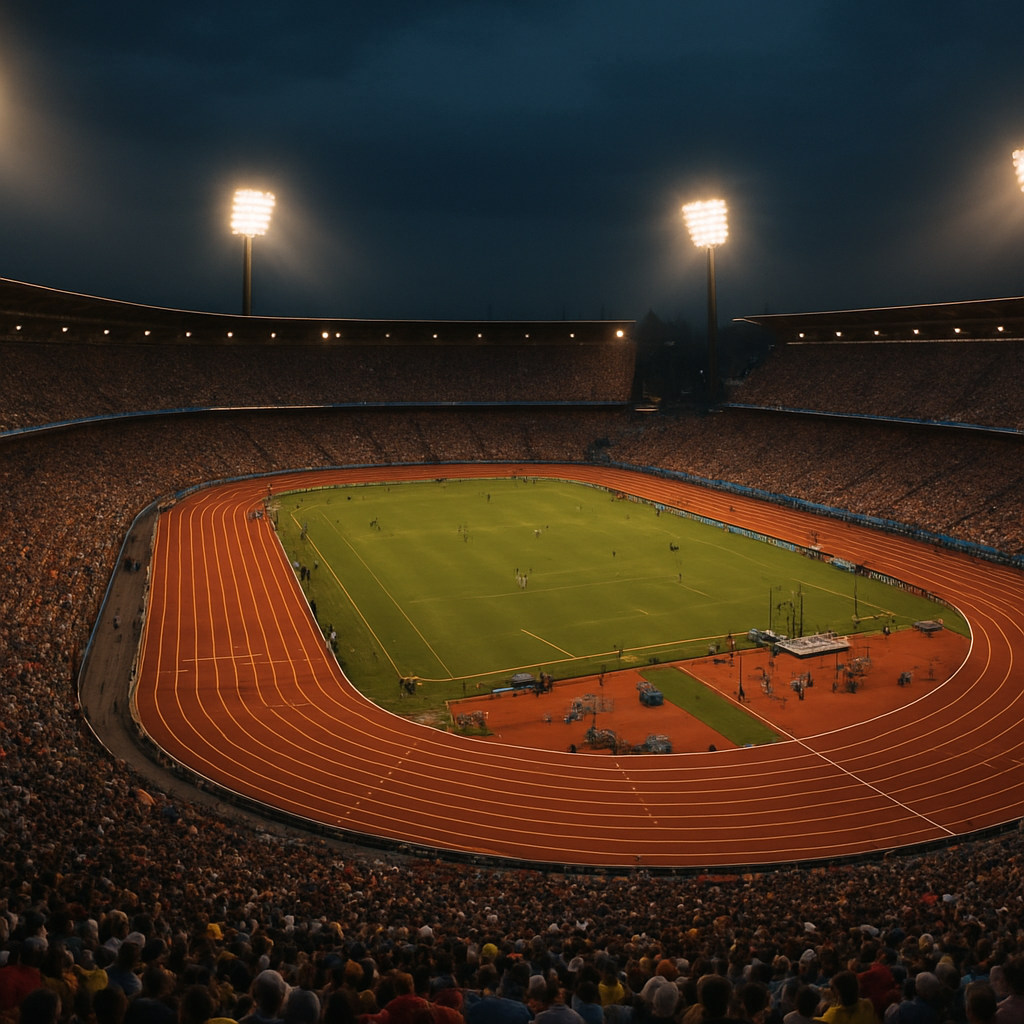
    Packed athletics stadium at a major international event, representing the best cities for sports tourism in 2026
    Packed athletics stadium at a major international event, representing the best cities for sports tourism in 2026

    1. Tokyo, Japan

    Tokyo remains one of the great sporting cities on the planet. The legacy infrastructure from the 2020 Olympics is still very much in use, and the city’s running culture is extraordinary. The Tokyo Marathon continues to draw elite runners from across the globe each March. Beyond that, the city’s dedication to martial arts, baseball and sumo wrestling gives sports tourists a wildly varied menu. Tsukiji’s early morning 5K routes, the Meiji Jingu baseball grounds and the immaculate Aquatics Centre make Tokyo hard to beat.

    2. Melbourne, Australia

    Melbourne has built its identity around sport. The Australian Open in January kicks off the year with a global tennis spectacular at Melbourne Park. The AFL Grand Final, the Melbourne Cup and the Australian Grand Prix all call this city home. The sports infrastructure is world-class, and the city’s café and fitness culture means you’ll never struggle to find a decent post-run flat white. For sports tourists, Melbourne operates at a pace that keeps things exciting year-round.

    3. Barcelona, Spain

    Few cities combine sporting prestige with lifestyle quite like Barcelona. The Camp Nou, currently undergoing its landmark redevelopment, is set to reopen in its full renovated glory in 2026, making it an absolute must-visit for football fans. Beyond football, Barcelona hosts major ATP tennis events, the Barcelona Marathon in March, and a cycling scene that stretches into the Catalan hills. The Montjuïc circuit adds a motorsport angle. This city never stops moving.

    4. Paris, France

    Post-Olympics Paris is riding a wave of renewed sporting infrastructure and public enthusiasm. The city now boasts some of the finest athletics facilities in the world, and the Seine embankments have been permanently upgraded for outdoor fitness use following last summer’s Games. Roland Garros remains one of sport’s great theatrical stages every May. And with the Stade de France hosting major rugby and football events through 2026, Paris earns its place firmly in any list of the best cities for sports tourism.

    Runners on a city waterfront at dawn, capturing the active travel culture central to the best cities for sports tourism
    Runners on a city waterfront at dawn, capturing the active travel culture central to the best cities for sports tourism

    5. London, United Kingdom

    Home turf, and absolutely worth celebrating. London is a genuine heavyweight in global sports tourism. Wimbledon, the London Marathon, Premier League football across a dozen venues, Test cricket at Lord’s and The Oval, Rugby Union at Twickenham, the NFL International Series at Tottenham Hotspur Stadium. The city offers something for almost every sporting palate. The Queen Elizabeth Olympic Park in Stratford has also evolved into a genuinely excellent active-lifestyle destination, with parkruns, cycling tracks and the Aquatics Centre all open to the public.

    6. Rio de Janeiro, Brazil

    Football is religion in Rio, and the Maracanã is its cathedral. Watching a Brazilian top-flight match there is one of sport’s great raw experiences. But Rio offers more than football. The city’s outdoor fitness scene, Copacabana beach volleyball, the Rock in Rio weekend runs, and the famous Ipanema beach 5K circuit make it a destination where sport bleeds into daily life. The Copa América cycle also brings high-quality international football through the continent in 2026.

    7. New York City, USA

    The New York City Marathon in November remains one of the world’s most iconic running events, with over 50,000 participants covering the five boroughs. Madison Square Garden, the US Open tennis at Flushing Meadows, Yankees and Mets baseball, and an NBA season that never really stops means the sporting calendar is relentlessly packed. For British sports tourists, direct flights from Heathrow, Manchester and Edinburgh make NYC highly accessible. Note that entry and visa requirements should be checked via the UK government’s travel advice pages before you book.

    8. Singapore

    Singapore punches far above its weight as a sporting city. The Formula 1 night race through the Marina Bay street circuit is one of the most visually stunning events in motorsport. The Singapore Open in badminton, top-tier international football friendlies, and a fiercely active running and triathlon community give the city real sporting depth. It’s also one of the most efficient, safe and well-connected cities in Asia for travel, which matters when you’re planning a sport-focused trip.

    9. Cape Town, South Africa

    Cape Town has a secret weapon: the landscape. The Two Oceans Marathon in April is widely considered one of the most beautiful ultra-marathon routes on earth. The city also hosts top-level rugby at DHL Newlands, cricket at Newlands Cricket Ground, and an outdoor fitness culture shaped by the mountains, ocean and near-perfect climate. For those who want sport and adventure in equal measure, Cape Town is nearly unbeatable.

    10. Dubai, UAE

    Dubai has invested heavily in becoming a year-round sporting destination, and it’s paying off. The Dubai World Cup in horse racing, the Dubai Desert Classic in golf, top-tier tennis at the Dubai Duty Free Championships, and a marathon that takes in the Burj Khalifa are just the highlights. The city’s fitness infrastructure, from rooftop gyms to desert trail running clubs, is genuinely impressive. It’s also become a favourite winter training base for British athletes escaping the cold months at home.

    What Makes a Great Sports Tourism Destination in 2026?

    The best cities for sports tourism in 2026 share a few things: world-class event infrastructure, active travel opportunities beyond spectating, strong public transport to get between venues, and a culture that values sport as part of everyday life. It’s not just about the big events. It’s about whether you can lace up your trainers and feel the pulse of a city through sport. Every city on this list passes that test. The question is simply which one speaks to you.

    For UK-based sports travellers, the UK Government’s foreign travel advice pages are worth checking before any international trip, particularly for visa requirements and entry conditions that may have changed in 2026.

    Frequently Asked Questions

    What are the best cities for sports tourism in 2026?

    Tokyo, Melbourne, Barcelona, Paris and London lead the way in 2026, offering a combination of major international events, iconic venues and vibrant active travel cultures. Cities like Dubai and Singapore are also strong contenders for year-round sporting activity.

    Which city is best for a sports tourism trip on a budget?

    Barcelona and Cape Town offer excellent value for sports tourists, with a rich calendar of events and strong outdoor fitness scenes at relatively lower costs than Tokyo or Dubai. Barcelona in particular is well connected from the UK with affordable flights and a wide range of accommodation options.

    Can you do sports tourism in the UK without travelling abroad?

    Absolutely. London alone offers Wimbledon, the London Marathon, Premier League football, Test cricket and international rugby across multiple world-class venues. Cities like Manchester, Edinburgh and Cardiff also have strong sporting identities and host major events throughout the year.

    What major sporting events can I attend in 2026?

    2026 is packed with major events including the FIFA World Cup in North America, the Commonwealth Games, major tennis Grand Slams, the London Marathon, Formula 1 season rounds and numerous athletics World Series events. Planning around these anchor events is the smartest way to build a sports tourism trip.

    Do I need travel insurance for sports tourism trips?

    Yes, and it’s strongly advisable to take out comprehensive travel insurance that covers sports activities, particularly if you plan to participate in events like marathons, triathlons or cycling sportives. Standard travel policies often exclude active participation in sporting events, so check the small print carefully before you travel.

  • The Best Running Destinations in Europe: Where to Train and Explore in 2026

    The Best Running Destinations in Europe: Where to Train and Explore in 2026

    Whether you’re chasing a personal best, ticking off a bucket-list marathon, or simply want to swap your usual park loop for something spectacular, Europe delivers on every level. The best running destinations Europe 2026 has lined up are genuinely extraordinary, mixing world-class race events with routes that double as sightseeing tours. If you’re a UK runner looking to book a training trip this year, here’s where to point your trainers.

    Runners on a Barcelona seafront promenade, one of the best running destinations Europe 2026 has to offer
    Runners on a Barcelona seafront promenade, one of the best running destinations Europe 2026 has to offer

    Why More Runners Are Booking Race-cation Travel

    The concept of combining a race with a holiday has exploded in recent years. UK runners in particular have embraced it. Book a flight, register for a half marathon, spend a long weekend exploring a new city, and come home with a medal and a tan. It’s efficient, it’s motivating, and frankly it’s a much better story than your local parkrun. According to the BBC Sport athletics section, participation in international road races among British runners has risen sharply since 2022, with European cities seeing some of the highest sign-up rates from UK entrants.

    The destinations below aren’t just pretty backdrops. Each one offers a genuine combination of organised race events, quality training terrain, and the kind of active tourism infrastructure that makes the whole trip feel effortless.

    Barcelona: Seafront Sprints and City Energy

    Barcelona is arguably the ultimate running city in southern Europe. The seafront promenade stretching from Barceloneta beach past Port Olímpic gives you a flat, well-surfaced path that’s runnable at almost any time of day. Head inland and you’ve got Montjuïc hill, a brutally good elevation workout with panoramic views at the top. The city hosts the Zurich Marató de Barcelona every March, one of the fastest certified marathon courses on the continent, and it regularly attracts elite times thanks to its flat route and reliable cool-season temperatures sitting around 12 to 15°C in the morning.

    For training weeks, the Sant Pau neighbourhood and Gràcia district offer quieter streets with less tourist traffic, while the wider Collserola Natural Park just outside the city is perfect for trail work.

    Lisbon: Hills That Will Change Your Legs

    Nobody said the best running destinations Europe 2026 offers would all be flat. Lisbon is relentlessly hilly and that’s precisely why serious runners love it. The seven hills aren’t just a tourist cliché; they’re a genuine strength and endurance builder. The Parque Eduardo VII at the top of Avenida da Liberdade is a solid base for interval sessions, and the riverside Ribeira waterfront gives you a calmer stretch for easy recovery miles.

    The Rock ‘n’ Roll Lisboa Marathon takes place in late spring and draws tens of thousands of participants. Temperatures hover comfortably around 18 to 20°C for race day, making it one of the more runner-friendly major events in the European calendar. The city also has a brilliant café culture, which means post-run recovery is taken very seriously indeed.

    Trail runner on an alpine path near Chamonix, among the best running destinations Europe 2026 for off-road athletes
    Trail runner on an alpine path near Chamonix, among the best running destinations Europe 2026 for off-road athletes

    Amsterdam: Flat, Fast, and Incredibly Well-Organised

    Dutch running culture is no joke. Amsterdam is obsessively well-organised for sport, and its canal-side paths, Vondelpark loops, and river routes along the Amstel make it a genuinely pleasant city to train in. The terrain is almost entirely flat, which suits runners targeting time goals or those recovering from injury who need low-impact mileage.

    The TCS Amsterdam Marathon, held each October, is consistently rated one of the top city marathons in Europe for course quality and crowd support. It’s also hugely popular with British runners given the short flight times from most UK airports and the city’s excellent public transport for getting around between sessions. A word of warning though: watch for the cycling lanes. Amsterdam’s cyclists are fast, numerous, and entirely unapologetic.

    Chamonix: The Trail Runner’s Paradise

    If road running isn’t your thing and you’re looking for something with a bit more altitude and drama, Chamonix in the French Alps is in a league of its own. This is the home of the Ultra-Trail du Mont-Blanc, the UTMB, which is the Wimbledon of trail running. Even if you’re not entering the main race, the town sits at the foot of Mont Blanc and the surrounding trails range from accessible forest paths to demanding alpine routes with serious elevation gain.

    Summer is the prime window, with routes opening up from late May through September. The town itself is small, welcoming, and built around outdoor sport, so finding running groups, gear shops, and coaches is straightforward. If you want to understand why some runners describe trail running as a life-changing experience, Chamonix is where you find out.

    Vienna: Culture, History, and Serious Mileage

    Vienna doesn’t always top the lists, but it absolutely should. The Prater park, home to the Ringstraße running circuit and the famous Hauptallee, is a 4.5-kilometre dead-straight avenue that’s ideal for tempo runs and long easy efforts. The city is compact enough to use running as genuine transport between landmarks, and the Vienna City Marathon in April draws over 40,000 participants across its various distances.

    What sets Vienna apart is the infrastructure around sport. The city invests heavily in public parks, outdoor fitness areas, and pedestrian routes. You won’t find yourself battling traffic or uneven pavements. It’s also remarkably affordable compared to other major European capitals, which matters when you’re booking accommodation for a week-long training block.

    Planning Your Running Trip: What to Know Before You Go

    A few practical points worth considering before you book. First, check race entry deadlines early. Major events like the Amsterdam Marathon and Barcelona Marathon sell out months in advance, and many have ballot systems similar to the London Marathon. Second, factor in travel fatigue. Flying on the morning of a hard session isn’t smart; give yourself at least 24 hours to settle before any quality work. Third, pack for the climate, not just the race. Running kit for a Mediterranean city in June is very different to what you need for an Alpine trail in May.

    UK runners are also well served by direct flights from major airports including Heathrow, Gatwick, Manchester, and Bristol to most of these destinations, with return fares to Lisbon or Amsterdam often available well under £150 if you book a couple of months out.

    The best running destinations Europe 2026 genuinely have something for every type of runner. Road runners, trail enthusiasts, casual joggers, and ultramarathon obsessives alike can find their version of a perfect training trip somewhere on this continent. The hardest part is picking just one place to start.

    Frequently Asked Questions

    What are the best European cities for runners in 2026?

    Barcelona, Lisbon, Amsterdam, Vienna, and Chamonix all rank highly for different reasons. Barcelona and Amsterdam suit road runners after flat, fast courses, while Lisbon and Chamonix are ideal for those who want elevation and a challenge.

    Which European city marathon is easiest to get into from the UK?

    The Vienna City Marathon and Rock ‘n’ Roll Lisboa Marathon tend to have more accessible entry processes than the big balloted races. Both are reachable on direct flights from several UK airports, making logistics straightforward.

    What is a race-cation and how do I plan one?

    A race-cation combines a race event with a holiday, typically spending several days in a destination before or after competing. Plan by registering for your chosen race first, then booking flights and accommodation around the event date, allowing recovery time after the race.

    Is trail running in Chamonix suitable for beginners?

    Chamonix has trails suitable for various ability levels, but the more famous alpine routes require solid fitness and experience with ascents. Beginners should stick to the lower valley trails and forest paths before attempting anything with significant elevation gain.

    When is the best time of year to run in Lisbon?

    Autumn and spring are ideal, with temperatures between 15 and 20°C and manageable humidity. Summer can push above 35°C, making training conditions difficult, so April through June or September through November are the sweet spots for a Lisbon running trip.