
Sleep used to be the part of an athlete’s day nobody talked about. You trained hard, you ate well, and you slept however you slept. That thinking is finished. Across England’s top football clubs, sleep recovery for athletes has become one of the most seriously funded areas of sports science, with several Premier League sides now employing dedicated sleep specialists as permanent members of their backroom staff.
This is not fringe wellness. This is performance science with serious money behind it, and the results are beginning to show up in injury records, sprint data, and squad availability sheets.
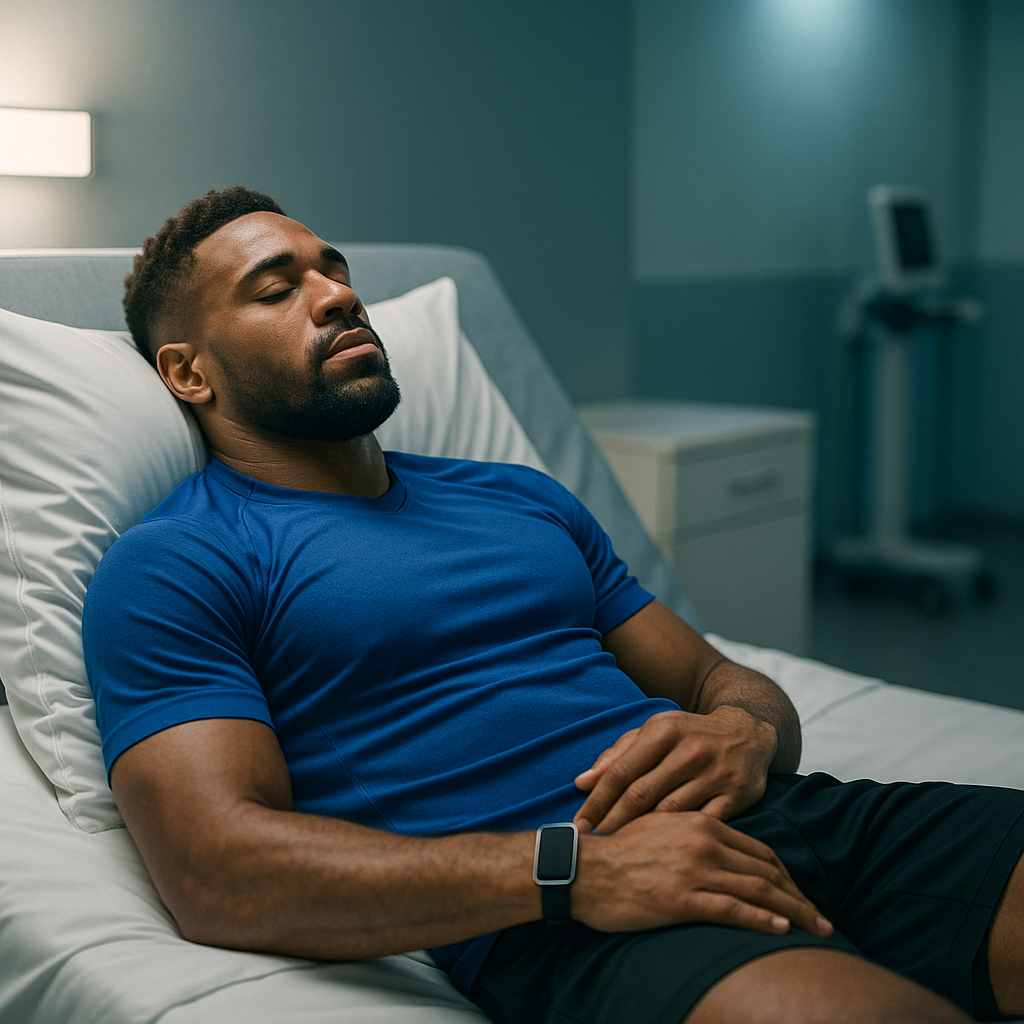
What a Sleep Coach Actually Does at a Football Club
The job title is still relatively new, but the role is concrete. A sleep specialist embedded within a Premier League club will typically assess each player’s individual sleep architecture, track sleep duration and quality using wearable data, and work with the performance team to schedule training sessions, travel, and recovery windows around circadian biology.
At a practical level, that means managing things like blackout protocols in hotel rooms before away matches, personalised sleep timing recommendations for players who are naturally early risers versus those who function better later in the morning, and light therapy interventions to help reset body clocks after long-haul travel for European fixtures.
Some clubs are now conducting baseline sleep assessments during pre-season, treating a player’s sleep profile with the same rigour as their cardiovascular fitness tests. If a midfielder is consistently getting fragmented sleep with low REM percentages, that information feeds directly into the training load decisions made by the head of performance.
The Technology Driving Sleep Recovery for Athletes
The wearable market has matured dramatically. Devices like the Whoop 4.0, Oura Ring Gen 4, and POLAR Ignite series give granular overnight data including heart rate variability, blood oxygen saturation, respiratory rate, and time spent in deep and REM sleep stages. Several clubs now integrate this data into centralised performance dashboards alongside GPS tracking and session load metrics.
Beyond wearables, some facilities are installing smart mattress technology. Products like the Eight Sleep Pod system allow real-time temperature regulation throughout the night, adapting to a player’s thermal preferences automatically. There is genuine clinical evidence behind temperature’s role in sleep quality, particularly its impact on slow-wave sleep, which is where the bulk of physical restoration happens.
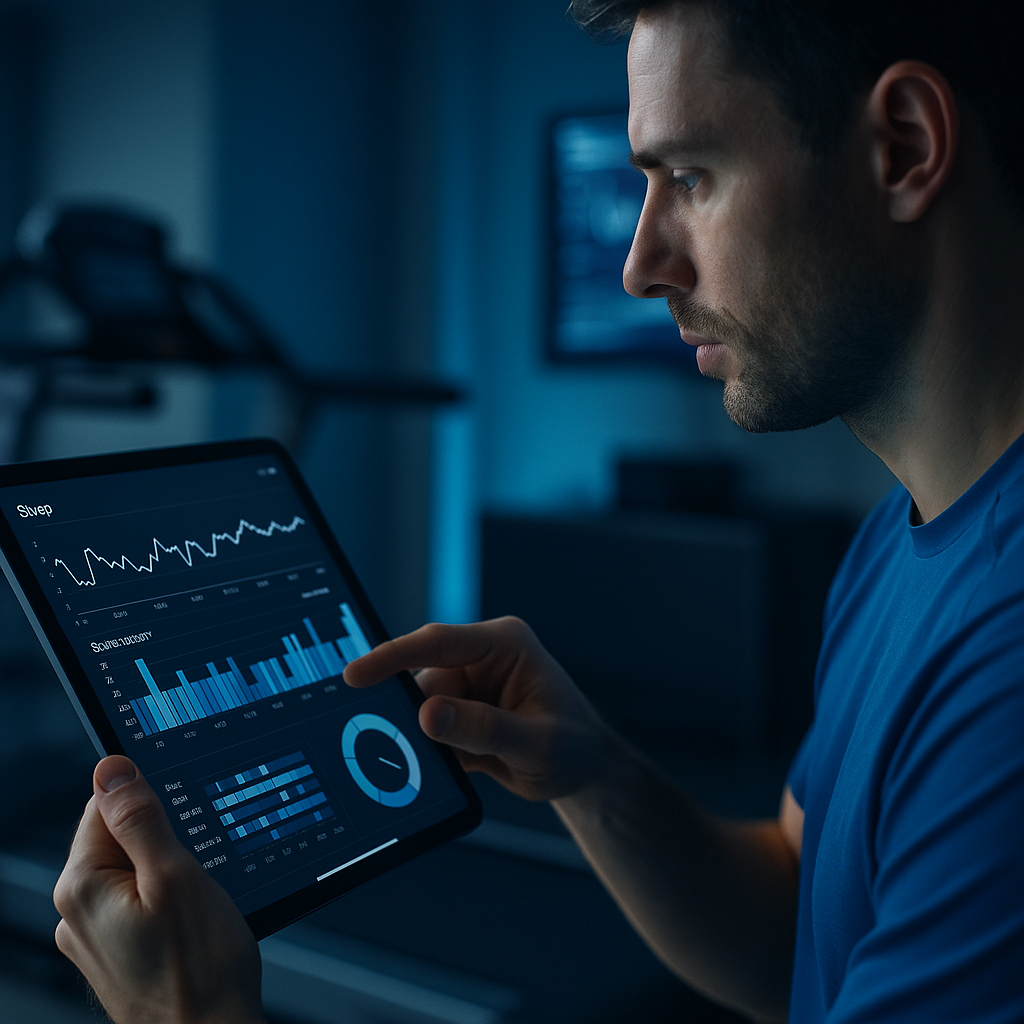
Environmental monitoring is another layer. Humidity, CO2 levels, light exposure, and noise are all tracked in some elite training ground accommodation. It sounds excessive until you realise that a 1% improvement in physical output across a squad over a 38-game season can translate directly into points on the board.
Why the Science Stacks Up
The research supporting sleep recovery for athletes is about as solid as it gets in sports science. A widely referenced study from Stanford University found that men’s basketball players who extended their sleep to 10 hours per night demonstrated faster sprint times, improved shooting accuracy, and reduced fatigue scores. Similar findings have emerged across tennis, swimming, and track athletics.
From a physiological standpoint, the mechanisms are clear. Human growth hormone, which is critical for muscle repair and tissue regeneration, is released primarily during deep sleep. Cortisol levels, a key marker of stress and inflammation, are regulated through adequate sleep. Cognitive functions including decision-making speed, reaction time, and spatial awareness all decline measurably after even modest sleep restriction. For a central midfielder needing to make 200 or more decisions per match, that matters enormously.
The BBC Sport coverage of elite performance science has highlighted how clubs are increasingly treating sleep as a competitive variable rather than a passive background behaviour, which reflects just how mainstream this thinking has become.
Which Clubs Are Leading the Way
Manchester City and Liverpool have been publicly associated with cutting-edge sleep optimisation protocols for several years. City’s performance centre at the Etihad Campus has long been regarded as one of the most technologically advanced in Europe. Chelsea and Arsenal have both invested heavily in their medical and sports science departments in recent cycles, and sleep sits within those expanded briefs.
Further down the table, several Championship clubs are starting to adopt similar approaches at reduced cost, using consumer-grade wearables and contracted sleep consultants rather than full-time in-house specialists. The gap is closing, which means the competitive advantage for the early adopters in the Premier League is already beginning to compress.
What Everyday Athletes Can Actually Take From This
You do not need a sleep specialist on retainer to apply the core principles. The fundamentals are well-established and accessible. Consistent sleep and wake times, even at weekends, anchor your circadian rhythm. Keeping your bedroom cool (around 17 to 19°C is the commonly cited optimal range) supports deeper sleep cycles. Avoiding screens and bright overhead lighting in the hour before bed reduces melatonin suppression.
Tracking is worth doing. A basic device like an Oura Ring or even a Fitbit Sense gives enough data to identify patterns. If your heart rate variability is consistently low on mornings after late training sessions, that is a signal worth acting on. Shift your evening session earlier, prioritise your wind-down routine, and track whether the numbers improve.
Recovery nutrition also feeds directly into sleep quality. Tryptophan-rich foods (turkey, eggs, dairy) consumed in the evening support serotonin and melatonin production. Avoiding heavy carbohydrate loads within 90 minutes of bed reduces the thermal burden on your digestive system during the night.
One small but practical tip for amateur athletes who communicate with coaches, training groups, or run their own sports communities: if you are sending out training schedules and recovery advice by email, making sure those messages actually land in inboxes is genuinely important. Tools like a mail tester help coaches verify that group communications are not slipping into spam folders and missing the players who need them most.
The Bigger Picture for UK Sport
Sleep optimisation is no longer a marginal conversation. It sits alongside nutrition, strength and conditioning, and psychological wellbeing as a pillar of modern athlete development. The fact that Premier League clubs are making it a full-time staffing commitment tells you everything about the direction of travel.
UK Sport and several national governing bodies are now incorporating sleep education into their athlete support programmes at performance pathway level, meaning young players coming through academies are learning these habits earlier than any previous generation. That is a meaningful shift, and the performance data over the next decade should reflect it clearly.
Frequently Asked Questions
What does a sleep coach do for a Premier League footballer?
A sleep specialist assesses each player’s sleep patterns, tracks overnight data via wearables, and works with the performance team to optimise training schedules, travel logistics, and recovery windows around each player’s circadian biology. They may also manage environmental factors like light, temperature, and noise in player accommodation.
How does sleep affect athletic performance?
Sleep is when the majority of physical repair happens, including the release of human growth hormone essential for muscle recovery. Poor sleep reduces reaction time, decision-making speed, and sprint performance, while increasing injury risk and cortisol levels. Even one or two nights of reduced sleep can measurably affect output on the pitch.
What wearable devices do elite athletes use to track sleep recovery?
Common devices at professional level include the Whoop 4.0, Oura Ring Gen 4, and POLAR Ignite series, all of which provide detailed data on sleep stages, heart rate variability, and blood oxygen levels. Many clubs integrate this data into centralised performance dashboards alongside GPS and training load metrics.
How many hours of sleep do professional footballers need?
Most elite athlete sleep research points to a minimum of eight to nine hours for optimal recovery, with some protocols pushing toward ten hours during heavy fixture periods. Quality matters as much as quantity, specifically the proportion of time spent in deep slow-wave sleep and REM phases.