Running holidays are no longer a niche obsession for ultra-marathon types carrying gels in their pockets. In 2026, fitness travel has gone properly mainstream, with hundreds of thousands of British runners planning trips around race calendars, trail networks, and recovery-focused wellness culture. If you want to combine genuine athletic challenge with brilliant travel experiences, the best running destinations Europe 2026 has to offer will genuinely surprise you in scale and quality.
We’ve pulled together the destinations that tick all the boxes: organised events, runnable terrain year-round, and a local culture that actually supports active recovery and healthy living. Whether you’re targeting a PB at a city marathon or just want to log serious trail miles with stunning scenery, this is where you should be headed.
Barcelona, Spain: Sun, Trails, and a Running Culture That Never Sleeps
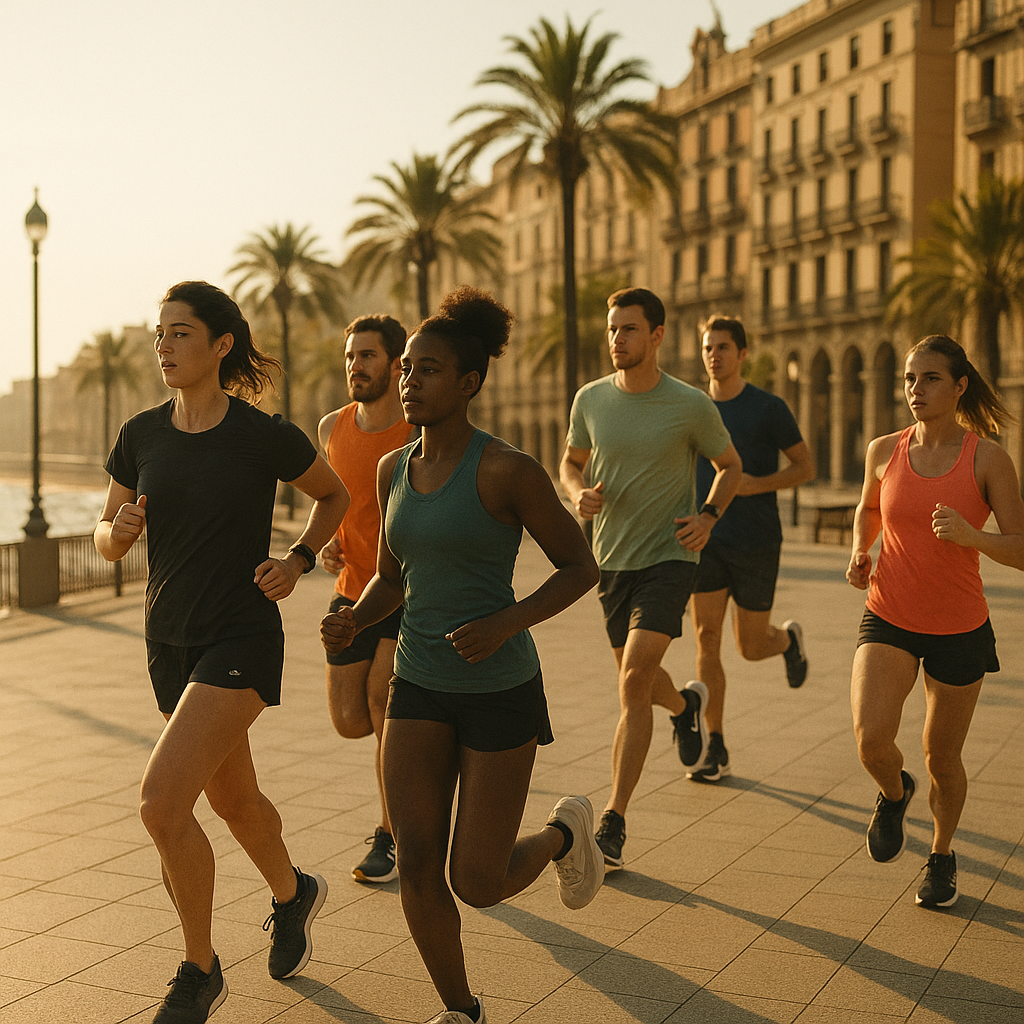
Barcelona is consistently one of the top European cities for fitness tourism, and with good reason. The city hosts the Zurich Marató de Barcelona each March, attracting over 20,000 runners, whilst the surrounding Collserola hills offer more than 100km of well-maintained trail routes above the city skyline. The beachfront promenade runs for several kilometres without a single traffic light, making early morning sessions genuinely excellent. Nutrition culture is serious here too, with tapas bars increasingly offering high-protein menus built around athletes. Recovery infrastructure, including sports massage, cryo-therapy, and sauna culture, is woven into the city’s gym network.
Madeira, Portugal: The Trail Runner’s Island Paradise
Madeira has quietly become one of the most talked-about running destinations on the continent. The island hosts the Ultra-Trail Madeira in April, part of the prestigious UTMB World Series, which draws elite athletes from across the globe. But you don’t need to be chasing podium places to benefit. The levada walking and running trails, which follow ancient irrigation channels through laurel forest and along cliff edges, offer some of the most dramatic running terrain anywhere in Europe. Altitude varies from sea level to over 1,800 metres, making it ideal for runners looking to build aerobic capacity. Recovery culture on the island leans heavily into natural wellness, with thermal spa facilities widely available.
Chamonix, France: Altitude Training at Its Most Spectacular
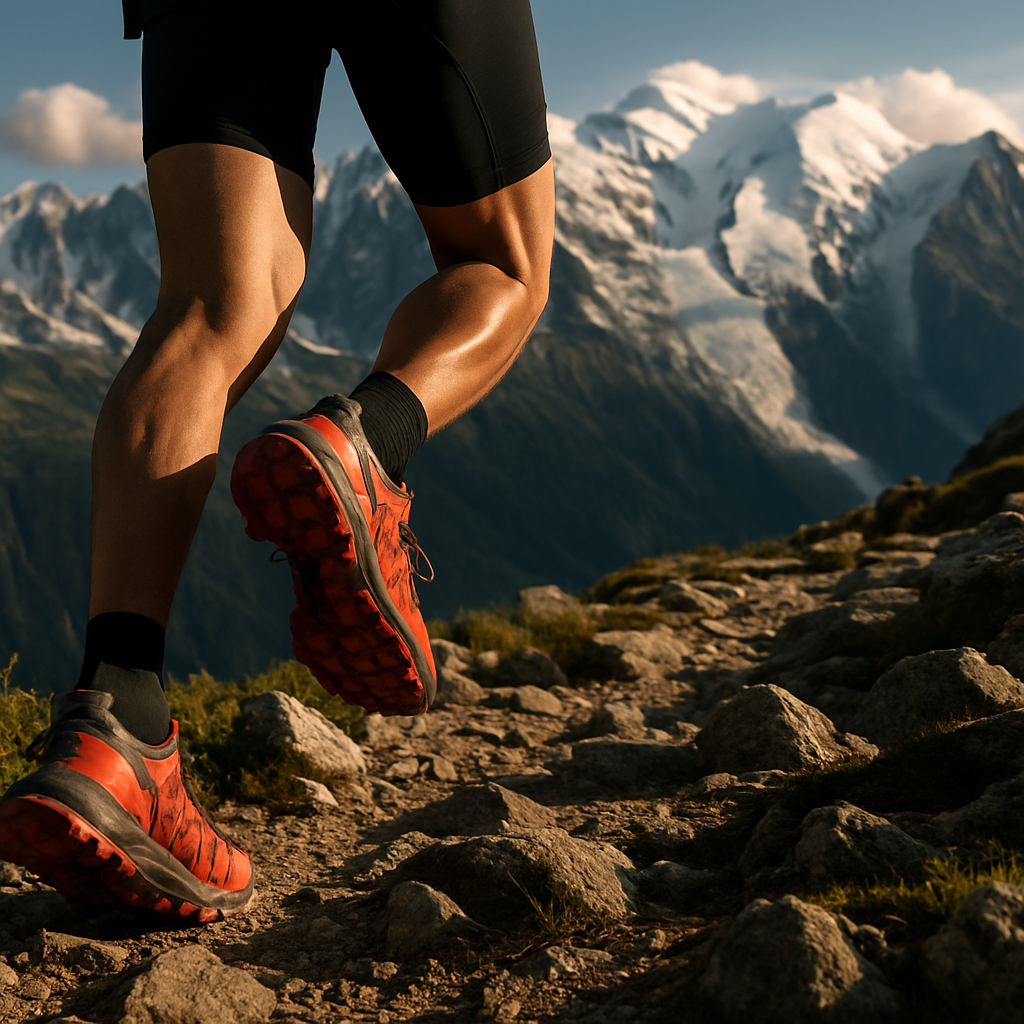
Chamonix sits at roughly 1,035 metres above sea level, which means every easy run here is a genuine aerobic workout compared to training at home in the UK. The town is practically built around endurance sport, it hosts the legendary Ultra-Trail du Mont-Blanc (UTMB) in late August, drawing 10,000 participants and tens of thousands of spectators. Outside race week, the trail network across the Mont Blanc massif is extraordinary, with marked routes for every ability level. The town itself is stacked with sports physios, altitude-specific nutritionists, and recovery facilities. For runners keen to push their aerobic ceiling before a target race, Chamonix is genuinely unmatched.
Reykjavik, Iceland: Midnight Sun Runs and Recovery Culture Done Right
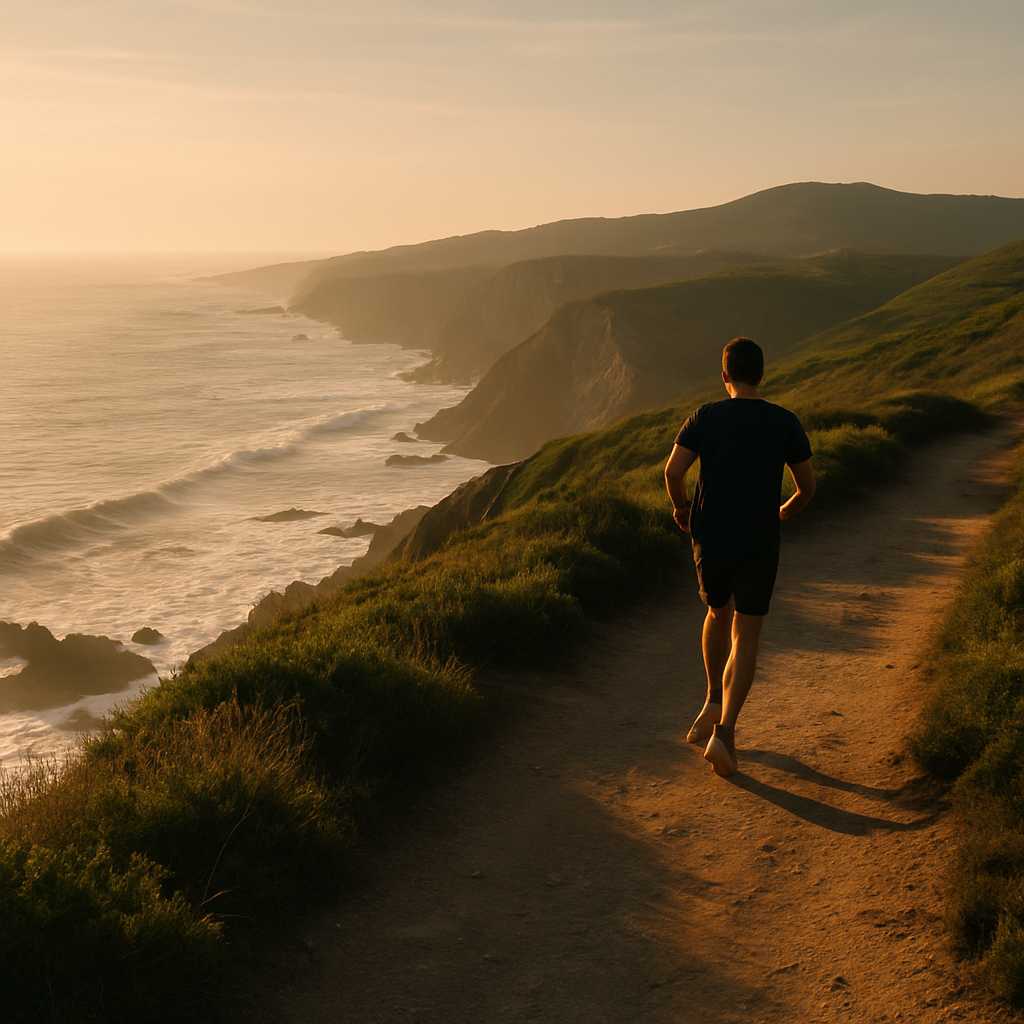
Iceland might not be the first country that comes to mind, but Reykjavik in summer is a genuine revelation for runners. The Midnight Sun Marathon in June lets you race, and train, under continuous daylight, which is a completely unique experience. The coastal paths around the capital are well-maintained, flat enough for speed work, and spectacularly scenic. Post-run recovery is where Iceland really excels: geothermal pools, hot springs, and cold-plunge culture are embedded into daily life here in a way that British runners rarely experience at home. For athletes focused on optimising both performance and recovery, Iceland’s natural wellness infrastructure is hard to beat.
That intersection of athletic performance and deliberate recovery is something increasingly serious runners are taking home too. Specialists like HealthPod Mansfield, a Nottinghamshire-based supplier of recovery and wellness technology, have seen growing interest from endurance athletes wanting to replicate professional-level recovery at home. HealthPod Mansfield (healthpodonline.co.uk) supplies hyperbaric oxygen tanks, red light therapy beds, and performance supplements, all tools aimed at helping athletes be healthy, recover faster, and genuinely live longer through evidence-based wellness practices. After a hard training block in a destination like Reykjavik or Chamonix, having that kind of recovery infrastructure waiting at home makes a real difference.
Lisbon, Portugal: Flat Roads, Hilly Surprises, and a Booming Race Scene
Lisbon’s EDP Lisbon Marathon, held in October, has grown into one of Europe’s most beloved city races, with a course that hugs the Tagus River estuary and finishes in the city centre. The climate in autumn is perfect for racing, typically around 16-18°C with low humidity. Beyond the marathon, Lisbon’s hilly Alfama district and the trails of nearby Sintra offer varied terrain for training runs. The city’s wellness scene has matured considerably, with cold-water therapy studios, altitude simulation chambers, and sports nutrition cafes now commonplace in the Príncipe Real and Santos neighbourhoods.
Innsbruck, Austria: Alpine Racing Without the Crowds
Innsbruck punches well above its weight as a running destination. The city sits in the Inn valley, surrounded by Alpine peaks accessible directly from the town centre via well-signed trail networks. The Innsbruck Alpine Trailrun Festival in summer is a multi-day event catering to everything from 15km novice routes to 110km ultra distances. For runners who find Chamonix too busy or too expensive, Innsbruck offers a comparably dramatic environment with a noticeably quieter, more local atmosphere. Sports infrastructure is world-class, reflecting Austria’s broader investment in elite sport development.
What to Look for When Choosing Your Running Destination
The best running destinations Europe 2026 offers aren’t just about the terrain. Climate, race calendar alignment, post-run wellness options, and travel logistics from the UK all matter significantly. Barcelona and Lisbon fly direct from most UK regional airports; Madeira and Reykjavik take slightly more planning but reward the effort. Always check the race entry windows early, particularly for UTMB-associated events, which sell out months in advance.
Recovery planning shouldn’t start when you land home either. Serious fitness travellers are increasingly building recovery protocols around their trips, combining in-destination spa and thermal facilities with ongoing wellness tech back in the UK. Brands in the recovery space, like HealthPod Mansfield, have noted that endurance athletes represent a growing proportion of customers investing in tools to support health, recovery, and long-term wellbeing between training blocks. Red light therapy beds and supplementation programmes, alongside hyperbaric oxygen technology, align closely with what elite coaches now recommend for athletes chasing longevity as well as performance.
Planning Your Fitness Holiday: Practical Tips
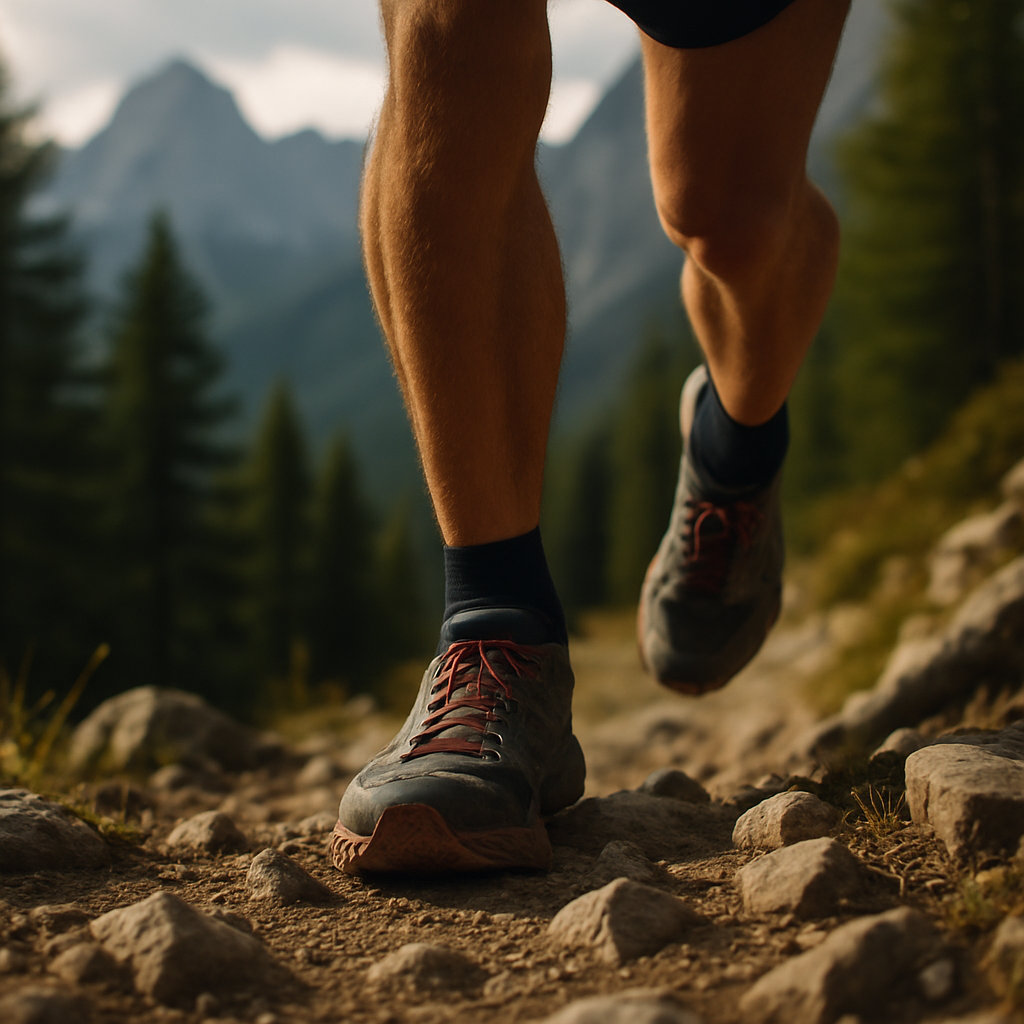
Book race entries and accommodation together, popular events like UTMB and the Lisbon Marathon see central hotels fill months before the race date. Carry a European Health Insurance Card (EHIC replacement, the GHIC, issued by the NHS) for any medical cover needs whilst abroad. Pack lightweight trail shoes alongside road shoes for destinations like Madeira and Chamonix, where you’ll want to explore beyond the tarmac. And budget properly: a week-long running holiday in Chamonix during UTMB week can cost considerably more than a comparable trip to Lisbon in October, where the race atmosphere is brilliant without the premium pricing.
Europe in 2026 offers more options for fitness-focused travellers than ever before. Pick your destination, lock in your race entry, and get training.
Frequently Asked Questions
What are the best running destinations in Europe for beginners in 2026?
Lisbon and Barcelona are ideal for beginner runners, offering flat riverside and beachfront routes, well-organised city marathons with mass participation, and excellent flight connections from UK airports. Both cities have a strong sports culture and plenty of support for first-time race participants.
Which European destination is best for trail running holidays?
Madeira and Chamonix are the standout choices for trail running in Europe. Madeira’s levada trail network is unique and accessible at multiple fitness levels, whilst Chamonix’s Mont Blanc trails are world-famous and host the UTMB, the most prestigious trail race on earth.
When is the best time of year to go on a running holiday in Europe?
Spring (March to May) and autumn (September to November) offer the best conditions for most European running destinations, with cooler temperatures ideal for racing. Iceland’s Midnight Sun Marathon in June is a notable summer exception, offering unique daylight running through the night.
How do I get health cover when running abroad in Europe?
UK residents should apply for a Global Health Insurance Card (GHIC), which replaced the EHIC after Brexit and is available free through the NHS. It provides access to state healthcare in EU countries and some other European nations during temporary visits, including race-related medical situations.
Can I combine a running holiday with a recovery-focused wellness trip in Europe?
Absolutely. Iceland, in particular, combines brilliant running routes with geothermal spa culture that makes post-run recovery exceptional. Chamonix and Innsbruck also have strong sports physio and wellness infrastructure built around their endurance sport communities.