
Running 26.2 miles is hard enough without your support crew losing you somewhere between mile 14 and the finish line. That is exactly the problem marathon GPS tracking has been quietly solving over the past few years, and in 2026 the technology behind events like the London Marathon and the Manchester Marathon has become genuinely impressive. I’ve followed both races closely, and the gap between what organisers could offer a decade ago and what they’re delivering now is enormous.
What marathon GPS tracking actually looks like on the ground
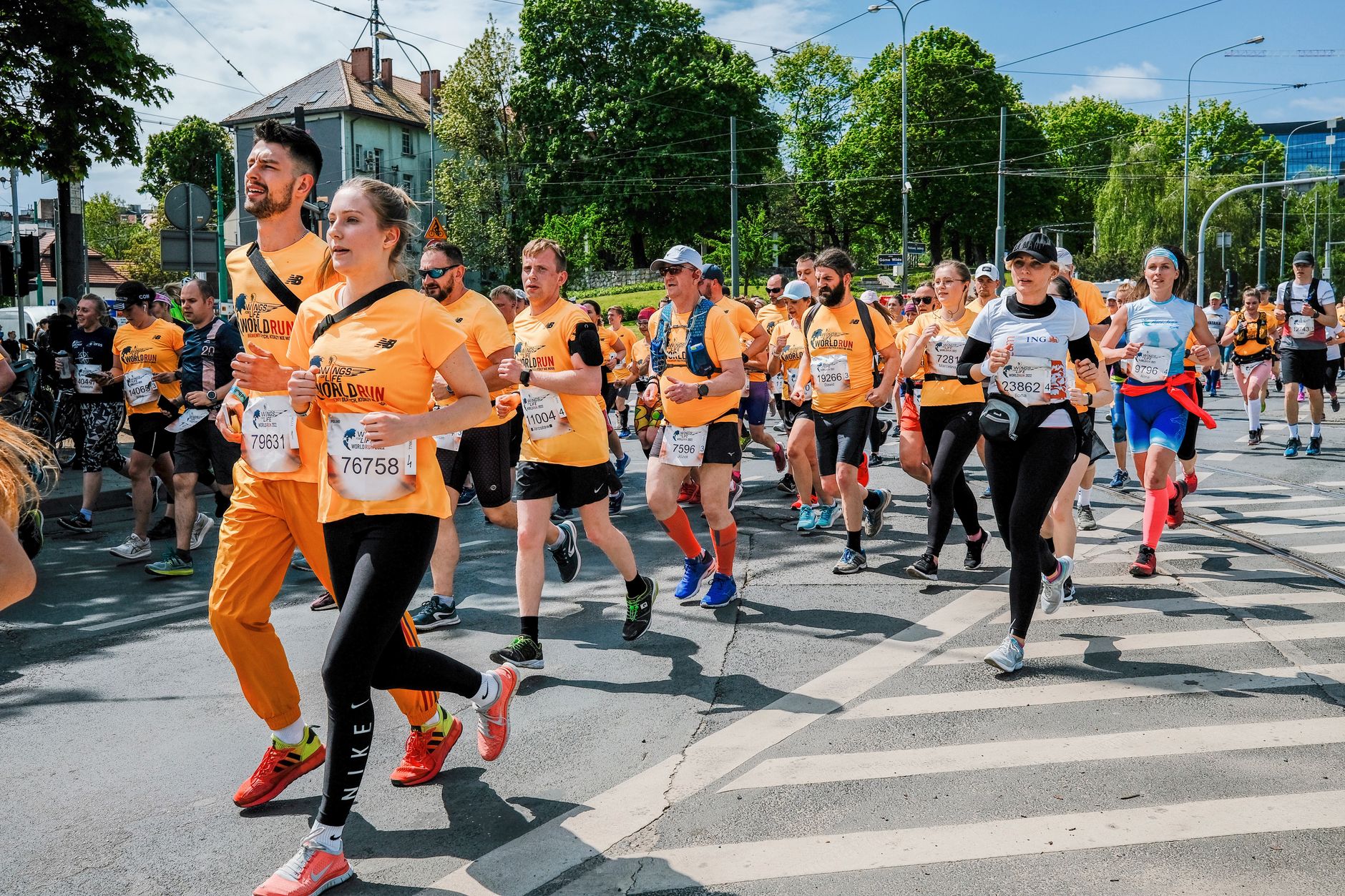
Every runner who registers for the London Marathon receives a timing chip embedded in their race number. That chip has been a fixture for years. What’s changed is the layer of live data built on top of it. The TCS London Marathon app, which the event has refined through several iterations, now gives spectators a real-time map view of a specific runner’s location updated roughly every 30 seconds. If your partner is running and you’re standing somewhere on Embankment, the app will tell you they’re 400 metres away and approaching at their current pace. That’s not just convenient; it fundamentally changes how spectating works.
Manchester Marathon has taken a similar approach. Its 2025 and 2026 editions both used ChronoTrack timing mats at multiple split points combined with a dedicated app that sends push notifications to registered followers. The moment a runner crosses the 10-mile mat, their three listed supporters get a notification with their current pace and projected finish time. For families navigating a city-centre course with tens of thousands of people, that notification is the difference between a great day and a stressful one.
Live pacing tools and what they mean for runners mid-race
Beyond spectators, the data serves runners too. Live pacing apps have become a staple of the elite and sub-elite field, but they’re filtering down fast. Garmin’s race predictor and Polar’s training load calculations both feed into a runner’s watch in real time, but the really interesting development is how organisers themselves are using aggregate pace data from the entire field to manage the race.
At London this year, the organisers worked with their technology partners to track the density and speed of different wave groups across the course. Where a cluster of runners was slowing significantly, that information fed into decisions about where to position pacers, water station extensions and medical staff. It’s a kind of living race management system that reacts to what’s actually happening rather than what a pre-event plan assumed would happen.
For serious recreational runners chasing a personal best, real-time pacing feedback has become central to their strategy. Pairing a solid training block with accurate live pacing on the day closes the gap between target and result. The same principle applies to managing physical load in sport generally: I’ve written before about how wearable monitoring technology is transforming how UK rugby and football clubs manage athlete safety, and marathon organisers are drawing on the same wave of sensor innovation.
Crowd management software: keeping 50,000 runners and their supporters moving
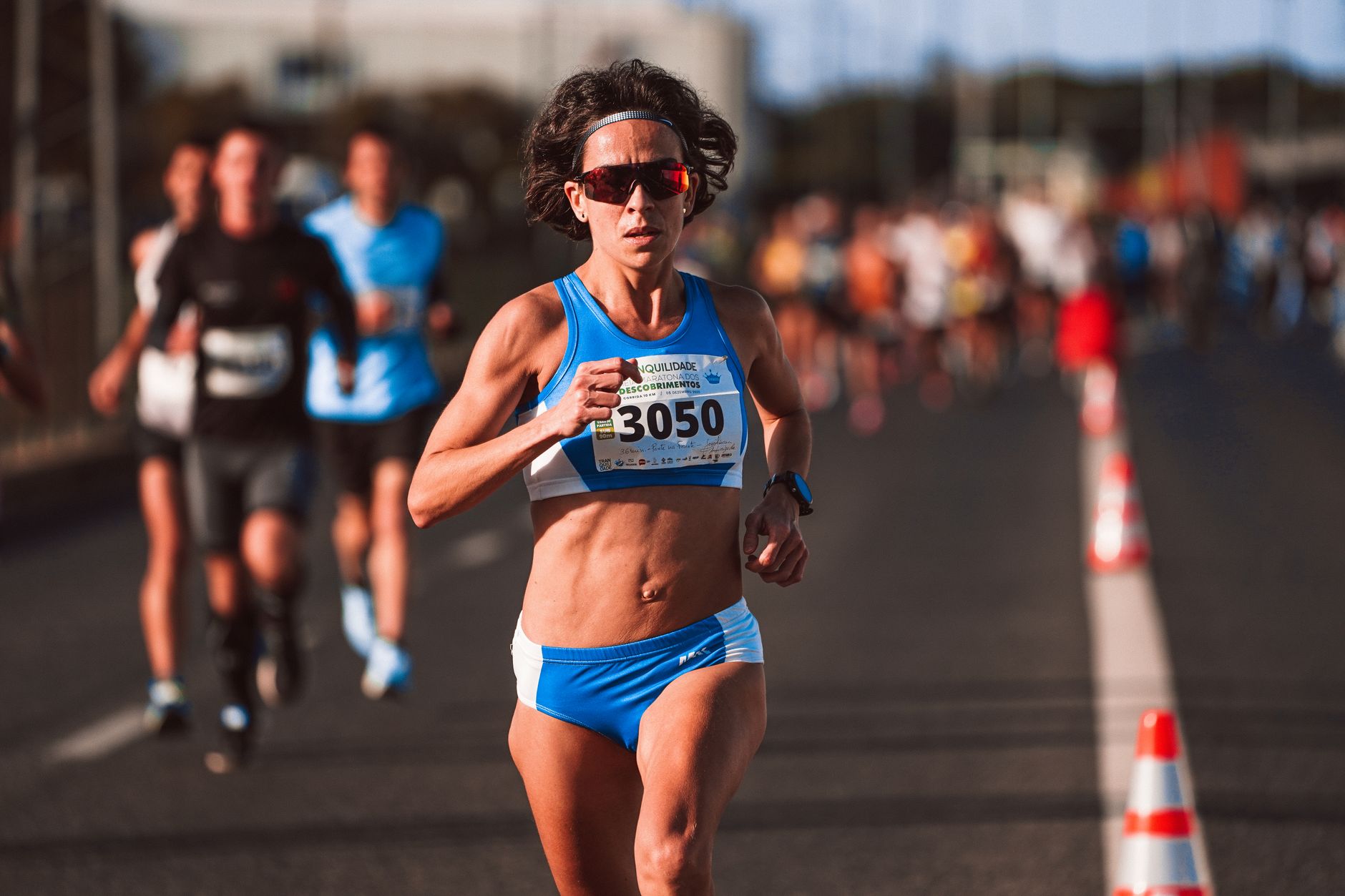
The London Marathon brings more than 50,000 runners to the streets and somewhere north of 700,000 spectators. That’s a crowd management challenge on a scale that rivals any major football fixture or music festival. The organisers use dedicated crowd intelligence platforms, including systems from Vortex IoT and similar providers, that pull data from Transport for London sensor feeds, CCTV networks and police communications to build a live picture of crowd density across the course.
Pinch points, the narrow sections near Tower Bridge and the approach to the Mall, are monitored with particular attention. When density readings spike beyond pre-set thresholds, event staff receive alerts via a central operations dashboard and can direct spectators to alternative viewing areas through public address systems and app notifications. It sounds clinical, but the effect is a crowd that moves more smoothly and a finish-line experience that feels less chaotic even with hundreds of thousands of people involved.
Manchester’s town-centre course has a different challenge. Runners loop back through the city centre, which means road closure management has to be dynamic. Software that tracks runner spread across the field allows organisers to signal to traffic management teams exactly when certain road sections can safely reopen, shaving hours off total road closure time and reducing disruption to residents and businesses.
Behind the scenes: the operational tech stack
Running a major marathon now involves a genuinely complex operational technology setup. Race directors are coordinating timing systems, spectator apps, medical dispatch software, volunteer management platforms and social media data streams simultaneously. Some of this is handled by specialist event technology firms; some is built in-house by the race organisations themselves.
What I find interesting is that the data management workflows underpinning these events have got far more sophisticated. Teams like Dijitul Developments have been helping organisations in various sectors build smarter operational pipelines, and the logic behind automating race-day data flows isn’t so different: when you’re handling millions of data points from timing chips, weather sensors and crowd monitors in real time, manual coordination simply doesn’t work.
The BBC’s coverage of elite marathon running tends to focus on the front of the race, but the infrastructure holding the whole event together is a story in itself. From the sub-two-hour attempt tech that Nike pioneered to the community runner experience at mass-participation events, data is now woven through every layer.
What this means for runners who just want a good race
All this technology is pointless if it doesn’t translate into a better experience for the person who trained for six months and is now somewhere around mile 20 wondering why their legs have stopped cooperating. In practice, the improvements are real and measurable. Push notifications to supporters reduce the number of people clustering at a single point waiting for a runner who is still 2 miles away. Medical response times have improved because GPS positioning lets medical teams locate a runner in distress faster than a radio call and a vague description of a location. Finish line queues for medal collection are shorter because headcount data from the final mile feeds into staffing adjustments in real time.
Recovery is the other side of race day, and marathon runners are increasingly applying the same rigour to what happens after the finish line. The science of cold water swimming for recovery has gained real traction in UK sports circles, and many club runners are now treating post-race recovery with the same seriousness as the race itself. The data-led approach is seeping into every part of the sport.
Where marathon tech is heading next
The next frontier is predictive, not just reactive. Several timing technology firms are working on systems that can flag a runner as a likely DNF (did not finish) based on their split times, pace degradation and historical data, allowing medical and welfare teams to position proactively rather than reactively. Some elite-level marathons abroad have trialled biometric data integration, though that raises obvious questions about data privacy and consent that UK organisers are navigating carefully alongside the ICO’s guidance on event data.
Personalised finish-line predictions sent to spectators accurate to within a couple of minutes are already standard. Augmented reality overlays that identify runners by name as they pass a spectator’s phone camera are being tested. Whether that level of integration feels useful or intrusive will depend on the runner, but the direction of travel is clear.
Marathon GPS tracking has moved from a novelty to an expectation. The London and Manchester events have set a standard that regional marathons are now racing to match, and for anyone running a UK mass-participation event in 2026, the race-day tech experience is a genuine part of the product. I’d argue it’s already one of the things that makes British marathon culture worth celebrating.
Frequently Asked Questions
How does marathon GPS tracking work for spectators?
Most major UK marathons embed a timing chip in each runner’s race number. Spectators download the official race app, search for their runner by name or number, and receive a real-time map showing the runner’s position updated roughly every 30 seconds. Push notifications alert followers when a runner crosses key timing mats.
Is marathon GPS tracking accurate enough to find a runner in a crowd?
Timing mat splits are highly accurate at marked points, though the live position between mats is estimated based on pace. At the London Marathon the system is accurate enough to tell a spectator whether a runner is 200 metres or 800 metres away, which is sufficient to position yourself correctly on a busy course.
Do smaller UK marathons use the same crowd management tech as London?
Larger regional events like Manchester and Edinburgh marathons use comparable systems, though usually at a smaller scale. Many licence the same timing platforms (such as ChronoTrack) and offer apps with live tracking. Smaller local marathons may rely on simple chip timing without a live spectator app.
Can runners access their own live pace data during a race?
Yes. Most runners use GPS watches from brands like Garmin, Polar or Apple to track their own pace in real time. Additionally, official pacemakers carry clear signs for target finish times, and some race apps show a runner’s projected finish time based on their current pace at each split point.
How do marathon organisers use crowd data to improve safety?
Live crowd density feeds from CCTV networks and event sensors flag pinch points where spectator numbers could cause safety issues. Event operations teams receive alerts and can redirect crowds via public address announcements or app notifications. Medical dispatch also uses runner GPS data to locate athletes who need assistance more quickly.