
Wearable tech in netball is not a luxury add-on anymore. It is quietly becoming the most important tool UK clubs have for protecting their players, managing workload, and generating the kind of data that female athletes have been historically denied access to. I’ve been watching this shift happen for a couple of years now, and the pace has picked up considerably in 2026.
England Netball’s performance pathway has been incorporating GPS vests and heart rate monitors at elite level for some time, but what has genuinely changed is how that technology is filtering down to semi-professional and community clubs. The question is not just about hardware, it is about fixing a much older problem in sports science, one that has disadvantaged women for decades.
The research gap that nobody talks about enough
The uncomfortable truth in sports science is that most of the foundational research, on training load, recovery, nutrition timing, cardiovascular response, was conducted almost exclusively on male subjects. A BBC Sport investigation into gender bias in sports science found that women were significantly underrepresented in exercise physiology studies, meaning many training protocols applied to female athletes were essentially adaptations of research designed for men. That is a problem in every sport. In netball, a high-intensity, multi-directional game with significant jumping and landing loads, it has real consequences for injury risk and performance.
The menstrual cycle adds another layer of complexity. Hormonal fluctuations across a cycle affect muscle recovery, joint laxity, cardiovascular efficiency and even psychological readiness. Training load that is perfectly appropriate in the follicular phase can be genuinely counterproductive a fortnight later. Without data specific to female physiology, most clubs were flying blind.
What GPS vests and load management software actually do for netball players
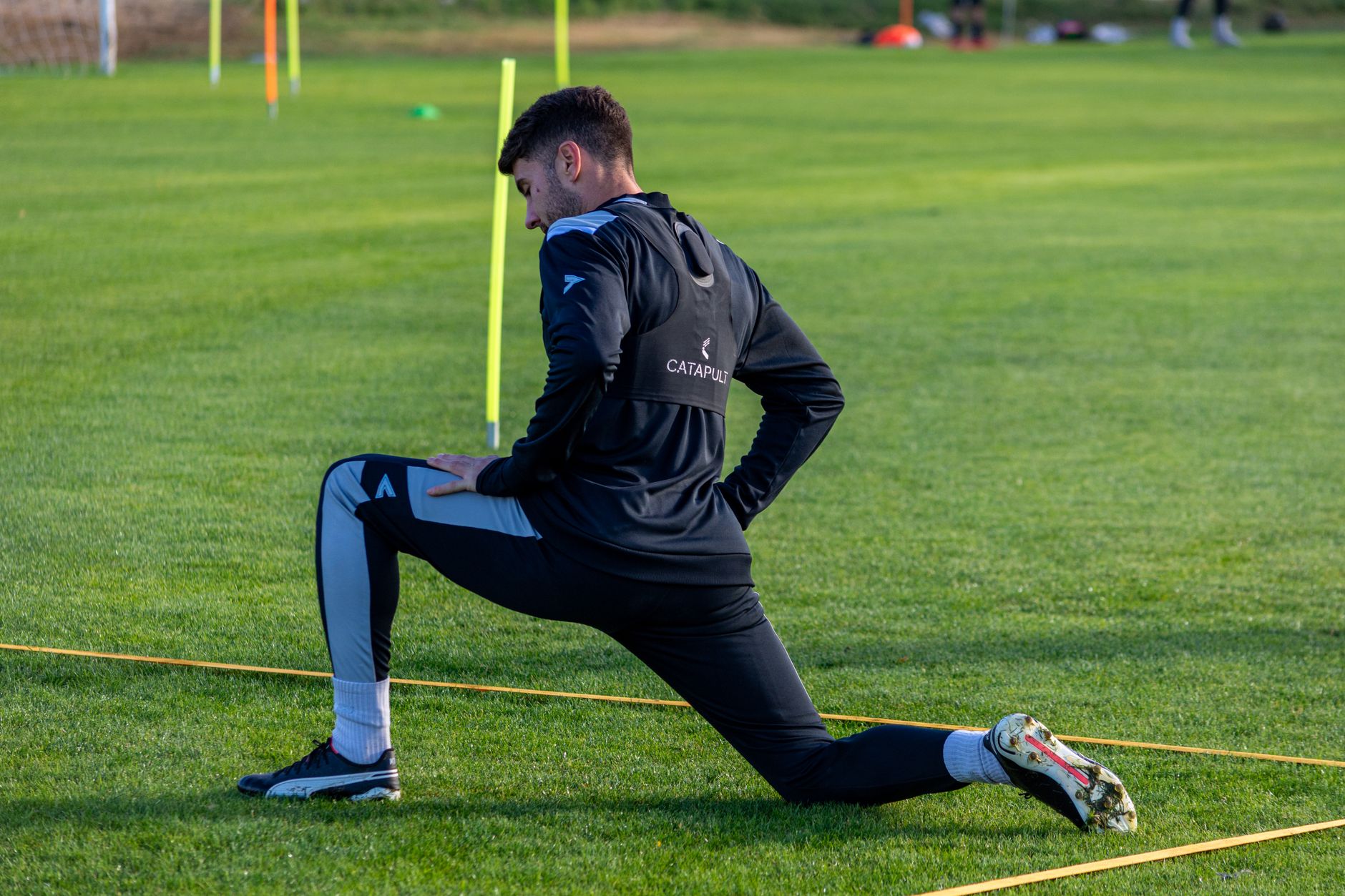
The GPS vest technology now being adopted by UK netball clubs measures distance covered, sprint frequency, acceleration and deceleration load, and player-specific exertion metrics in real time. The deceleration data is particularly relevant for netball, where sudden stops from full pace during intercepts and centre pass plays place enormous stress on the knees and ankles.
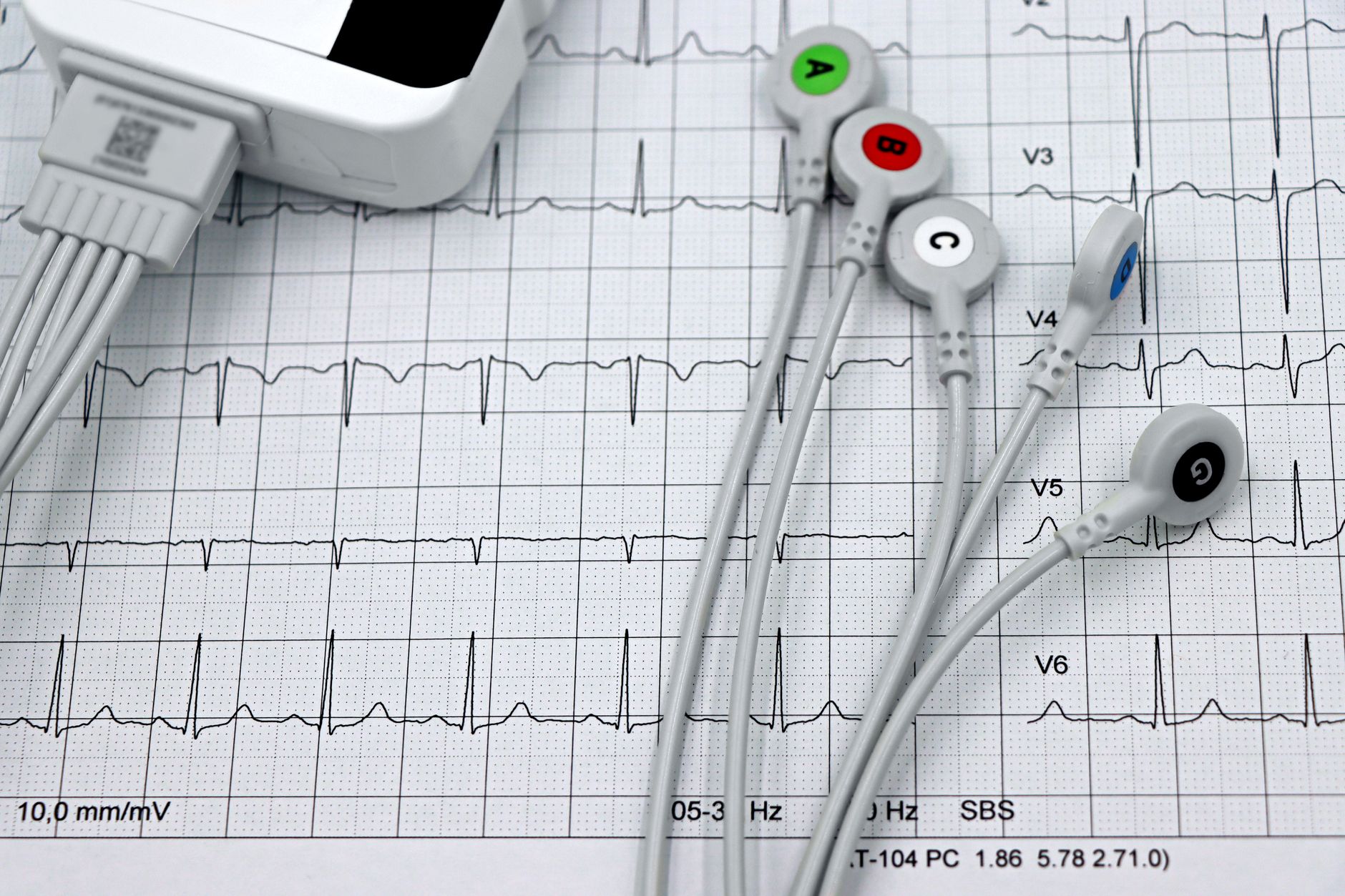
Paired with heart rate monitors, coaches and sports scientists can build a picture of internal load, how hard the body is actually working, alongside external load, which is what the GPS captures. The gap between those two numbers tells you a lot. A player whose heart rate is elevated disproportionately to the physical work she is doing may be under-recovered, stressed outside training, or approaching illness. That matters enormously in a sport where ACL injuries remain stubbornly prevalent.
Load management software from companies including STATSports and Catapult is now being used by clubs at England Netball’s National Performance League level. Some county-level clubs are bringing in stripped-down versions of the same systems. The data is compared to individual baselines rather than generic team averages, which is exactly the approach that sports medicine specialists have been calling for, managing the athlete in front of you, not an imagined average. This kind of athlete-specific monitoring mirrors what UK rugby and football clubs have been doing with wearable heat monitoring to protect players in warm conditions, and the underlying philosophy is the same: use real data to prevent harm before it happens.
Cycle tracking integration: the data layer that changes everything
Several England Netball squads are now integrating menstrual cycle tracking directly into their load management platforms. Players log their cycle data, and the software flags training weeks where the physiological context suggests reduced volume or modified recovery protocols. It is not about reducing expectations, it is about being smarter with periodisation.
Performance analysts working with England Netball have been vocal about this shift. Rather than applying a standard training block and hoping it lands, squads can now plan micro-cycles that account for where individual players are within their cycle. The result, as reported through the programme, has been fewer soft tissue injuries and better consistency of performance output across a season. I’d argue this single data layer does more for female athlete welfare than almost anything else currently in use.
The same technology infrastructure that handles this kind of athlete data management needs to be robust, scalable and properly maintained, something teams working on sports analytics platforms understand well. Building reliable digital systems for sports science is a challenge familiar to organisations like Dijitul Developments, who work on exactly the kind of technical foundation that keeps performance data accessible and accurate over time.
Grassroots clubs: getting in on the data revolution
At grassroots level, the barrier is not interest, it is cost. A full GPS vest system with software licensing can run to several thousand pounds annually, which is out of reach for a club running on Sports England grants and volunteer labour. But the gap is narrowing.
Consumer-grade wearables, including Garmin devices and Polar heart rate monitors, are being used by community netball coaches to track basic load data. Apps like Training Peaks and Whoop allow recreational athletes to self-monitor recovery and exertion without specialist equipment. England Netball’s own development programmes have been pushing digital literacy as part of their coach education, so that volunteers at club level understand what the numbers mean even if they are not using elite-spec hardware.
This grassroots uptake matters because it feeds data back into a broader understanding of how female athletes aged 16 to 55 respond to training loads, an age range poorly represented in existing research. The evolution of athletics infrastructure in the UK has always been driven partly by grassroots demand, and the same pattern is emerging here.
What the research gap still needs
Wearable tech is a tool, not a solution on its own. The honest limitation is that the software algorithms interpreting load data were often built on datasets that skew male. Some GPS providers are now working with female-specific datasets to recalibrate their readiness and fatigue models, but this is a work in progress across the industry.
UK sports scientists including those at Loughborough University, which has one of the strongest women’s sport research programmes in the country, are actively publishing on female-specific training adaptations. The more data netball clubs collect, the more useful that research becomes. It is a feedback loop that has only recently started to turn in the right direction.
Clubs pairing their physical load data with wellness surveys, simple weekly check-ins on sleep, stress and energy, are finding that the qualitative and quantitative data together paint a far more complete picture than either does alone. That combination, managed through a decent platform, is now accessible to most semi-professional setups.
Netball in the UK has 1.4 million regular participants according to England Netball’s own participation figures. The sport deserves a sports science infrastructure built for the people who actually play it. Wearable tech, applied with an understanding of female physiology, is finally starting to deliver that. And for the players working their way up through the performance pathway, that shift cannot come fast enough.