
Recovery is no longer the boring bit you do after training. In 2026, it is a discipline in its own right, and the debate around cold water therapy vs heat recovery has never been more heated (pun absolutely intended). From Premier League physio rooms to weekend warriors plunging into icy Scottish lochs, athletes across the UK are taking their post-session routines seriously. But which method actually works better, and for whom?
The short answer is: it depends on what you are training for. The longer answer is what this article is about.
What Is Cold Water Therapy and How Does It Work?
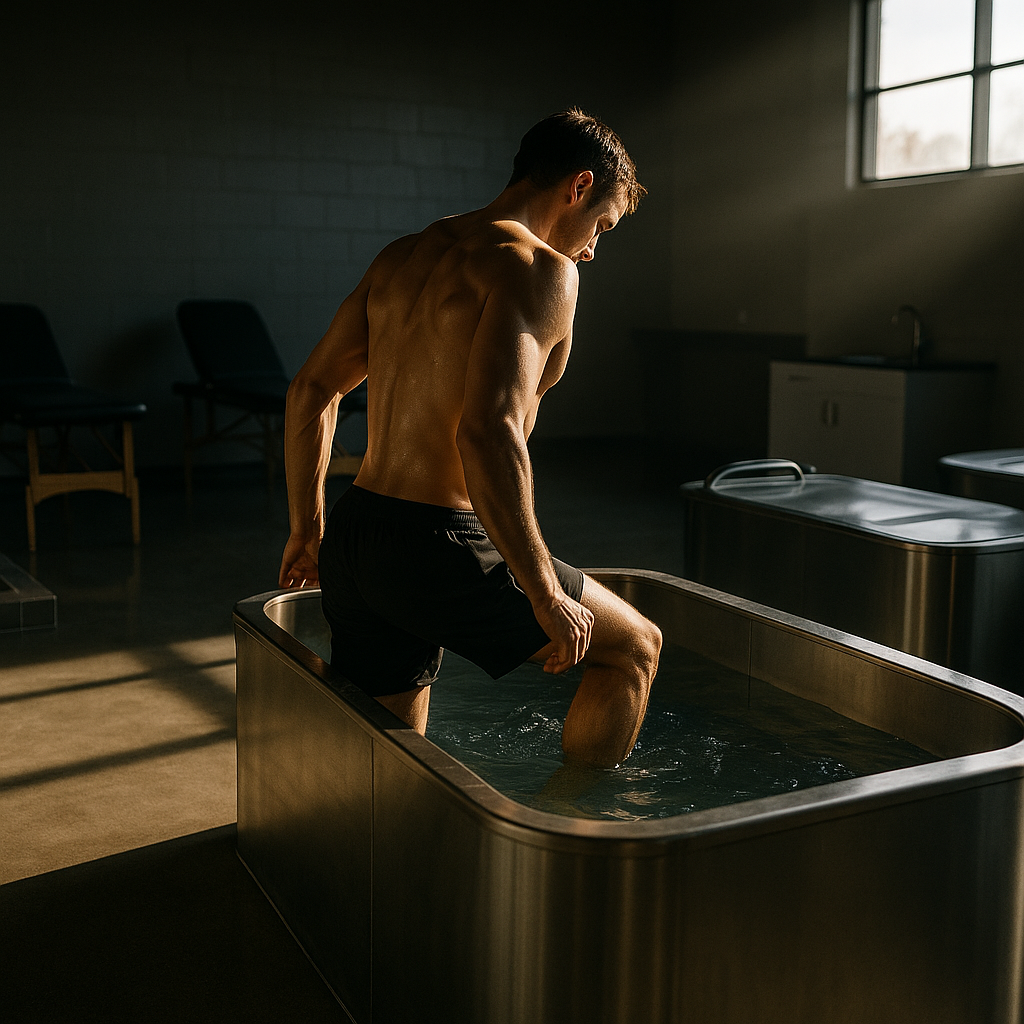
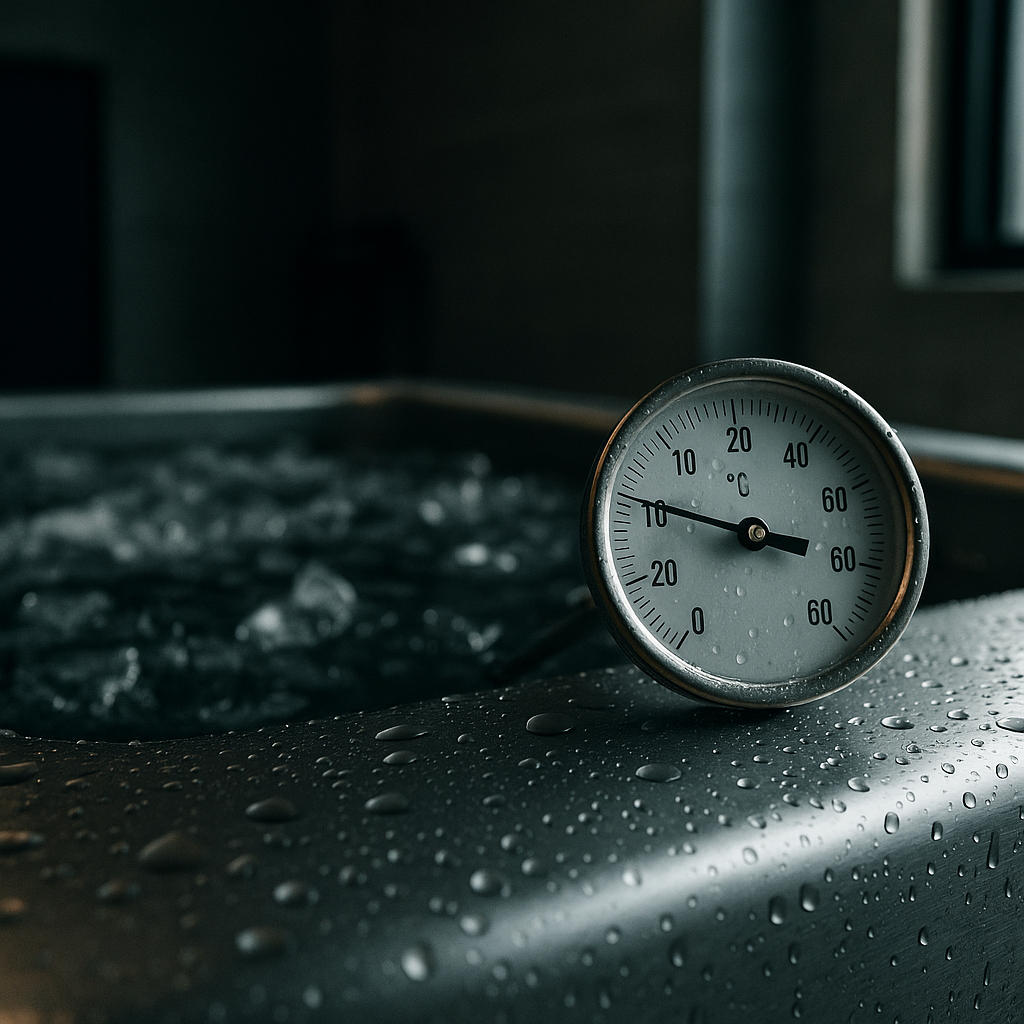
Cold water immersion (CWI), also known as ice baths or cold water therapy, involves submerging the body in water typically between 10°C and 15°C for anywhere from 5 to 15 minutes. The science behind it centres on vasoconstriction: cold temperatures cause blood vessels to narrow, which reduces inflammation and metabolic waste in muscle tissue. When you get out, blood rushes back in, flushing those tissues with fresh oxygen.
Research published in journals such as the British Journal of Sports Medicine has consistently shown CWI reduces perceived muscle soreness (DOMS) by up to 20% compared to passive rest. Elite clubs including Manchester City and Bath Rugby have cold water facilities built into their training complexes as standard kit. For endurance athletes, cyclists, and football players who need to back up hard sessions on consecutive days, that reduction in soreness has a very real performance impact.
The downsides are worth acknowledging, though. For strength and hypertrophy athletes, several studies from 2022 to 2025 suggest that regular cold immersion after resistance training can actually blunt muscle protein synthesis. If you are chasing mass, that icy plunge might be working against you.
The Case for Heat-Based Recovery Methods
Heat recovery encompasses saunas (both traditional Finnish and infrared), hot baths, steam rooms, and heated compression therapy. Where cold constricts, heat dilates. Elevated temperatures increase blood flow, relax connective tissue, promote sweating, and trigger a cardiovascular response that some researchers compare to light aerobic exercise.
Finnish sauna culture has gone mainstream in UK sport over the last few years. Facilities at venues like the Manchester Aquatics Centre and various private performance gyms now include infrared sauna pods as standard recovery tools. The physiological benefits extend beyond muscles; regular sauna use has been linked to improved cardiovascular health, better sleep quality, and even reduced cortisol levels in high-stress athletes.
Heat recovery suits certain athlete profiles particularly well. For powerlifters, rugby forwards, and bodybuilders where muscle building is the goal, heat does not carry the same risk of blunting protein synthesis. For older athletes dealing with stiff joints and connective tissue tightness, the loosening effect of heat can be transformative.
What Does the Latest Sports Science Say in 2026?
The most compelling recent research points towards contrast therapy as the most effective all-round recovery protocol. Alternating between cold and heat, typically 1-minute cold followed by 3-4 minutes heat, repeated three to five times, has shown superior outcomes in multiple metrics including reduced DOMS, faster heart rate variability (HRV) recovery, and improved sleep onset.
A 2025 meta-analysis from researchers at Loughborough University examined 38 studies covering over 800 athletes and concluded that contrast water therapy outperformed either modality alone for multi-day tournament recovery scenarios. That means team sport athletes, tennis players at long tournaments, cyclists at stage races, all benefit most from combining both approaches rather than picking sides.
The timing matters enormously, too. Cold water therapy appears most effective when applied within 30 minutes of high-intensity effort. Heat recovery works better as a pre-sleep protocol, particularly in the infrared sauna format, where core temperature elevation followed by the natural drop during sleep creates ideal conditions for deep recovery. These are not competing tools; increasingly, they are being used sequentially by smart athletes.
Practical Guide: Which Recovery Method Suits Your Training?
Here is a practical breakdown to help you match recovery tools to training goals:
- Endurance runners, cyclists, triathletes: Cold water therapy post-session, particularly after long or interval-heavy efforts. Contrast therapy is excellent for stage or multi-day events.
- Strength and hypertrophy training: Avoid ice baths within 4-6 hours of resistance sessions. Use heat recovery (sauna, hot bath) as your primary tool, ideally in the evening.
- Team sport athletes (football, rugby, hockey): Contrast therapy is your best friend when backs-to-back fixtures are on the calendar. Full cold immersion is a solid second choice.
- Recreational gym-goers: Hot bath or sauna two to three times per week covers most bases, reduces injury risk, and supports sleep quality without any specialist equipment needed.
- Older or injury-prone athletes: Heat first. It loosens tissue, reduces joint stiffness, and aids mobility. Cold can still play a role post-acute injury, but it should not be your default.
Accessibility matters, too. A cold shower taken down to a genuine 12-15°C costs nothing. Infrared sauna sessions at UK gyms typically run between £15 and £35 per session, though many fitness clubs now include them as part of premium memberships. The NHS active living guidance consistently reminds us that recovery is a genuine component of any sustainable fitness routine, not an optional luxury.
The Mental Side of Cold Water Therapy vs Heat Recovery
Beyond the physical, both methods have compelling mental health dimensions that often get overlooked. Cold water immersion triggers a rapid release of norepinephrine and dopamine, with research from 2024 suggesting these neurochemical effects can last up to four hours post-immersion. Outdoor cold water swimming in UK rivers, lakes, and coastal spots has built an enormous community around this mental boost. Organisations like Outdoor Swimming Society report record membership figures through 2025 and into 2026.
Sauna use, meanwhile, promotes endorphin release and has demonstrable links to reduced anxiety scores in studied populations. For athletes managing the psychological load of competitive seasons, that cannot be ignored.
Whichever method you lean towards, tracking your recovery data consistently gives you the best feedback loop. HRV apps, sleep trackers, and perceived exertion journals are all useful here. And if you are the sort of athlete who takes their performance data seriously, you might find a free SEO checker a useful analogy: just as you audit a website to find what is underperforming, auditing your recovery routine reveals the gaps that are holding your progress back.
Cold or Hot: The Honest Verdict
Neither cold water therapy nor heat recovery is universally superior. The evidence in 2026 points clearly towards a contextual approach: use cold to manage inflammation and accelerate next-day readiness after high-intensity efforts, and use heat to support muscle building, joint mobility, and sleep quality. Combine them intelligently and you get the best of both worlds.
The athletes winning in 2026 are not the ones picking a side in this debate. They are the ones stacking both tools strategically, informed by how their body responds and what their training week demands. That is the real competitive edge.
Frequently Asked Questions
How long should you stay in a cold water ice bath for recovery?
Most sports science research recommends 10 to 15 minutes in water between 10°C and 15°C for optimal recovery benefits. Shorter sessions of 5-7 minutes can still reduce perceived soreness if a full immersion is not possible or practical.
Can you do cold water therapy and sauna on the same day?
Yes, and this is known as contrast therapy. Alternating between cold immersion and heat in cycles of roughly 1 minute cold to 3-4 minutes heat is supported by research as one of the most effective recovery protocols, particularly for team sport athletes with back-to-back fixture schedules.
Does cold water therapy reduce muscle growth?
Evidence from multiple studies suggests that regular cold water immersion applied within a few hours of resistance training can blunt muscle protein synthesis and reduce hypertrophy gains over time. If building muscle is your primary goal, heat recovery or simply passive rest is a better choice after strength sessions.
What temperature should an ice bath or cold plunge be for athletes?
The recommended range for effective cold water therapy is between 10°C and 15°C. Water below 10°C carries a higher risk of cold shock and is not shown to produce significantly better recovery outcomes. Water above 15°C reduces the physiological vasoconstriction response.
Is infrared sauna better than a traditional sauna for recovery?
Both offer meaningful recovery benefits, but infrared saunas operate at lower temperatures (around 45-60°C versus 80-100°C for traditional Finnish saunas), making them more accessible and comfortable for longer sessions. Some athletes find infrared saunas easier to tolerate regularly, which may improve long-term consistency of use.