
Walking into a modern sports venue today feels nothing like it did a decade ago. Smart stadium technology has fundamentally changed what it means to attend a live event – whether you’re watching Premier League football, a Six Nations rugby clash or an athletics world final. These aren’t just buildings anymore; they’re connected, data-driven environments designed to make every second of your visit sharper, safer and more enjoyable.

What Is Smart Stadium Technology and Why Does It Matter?
At its core, smart stadium technology refers to the integration of digital systems, sensors and connectivity into the physical fabric of a venue. The goal is to improve the experience for fans, streamline operations for staff, boost revenue for clubs and reduce the environmental footprint of hosting tens of thousands of people under one roof. It’s a broad category – covering everything from the moment you buy your ticket online to the moment you leave the car park after the final whistle.
For clubs and stadium operators, the financial case is strong. A fan who isn’t queuing for a beer is a fan who’s watching the game, spending more money and more likely to return. That simple logic has driven enormous investment in venue infrastructure across Europe and beyond.
Digital Ticketing and Seamless Entry
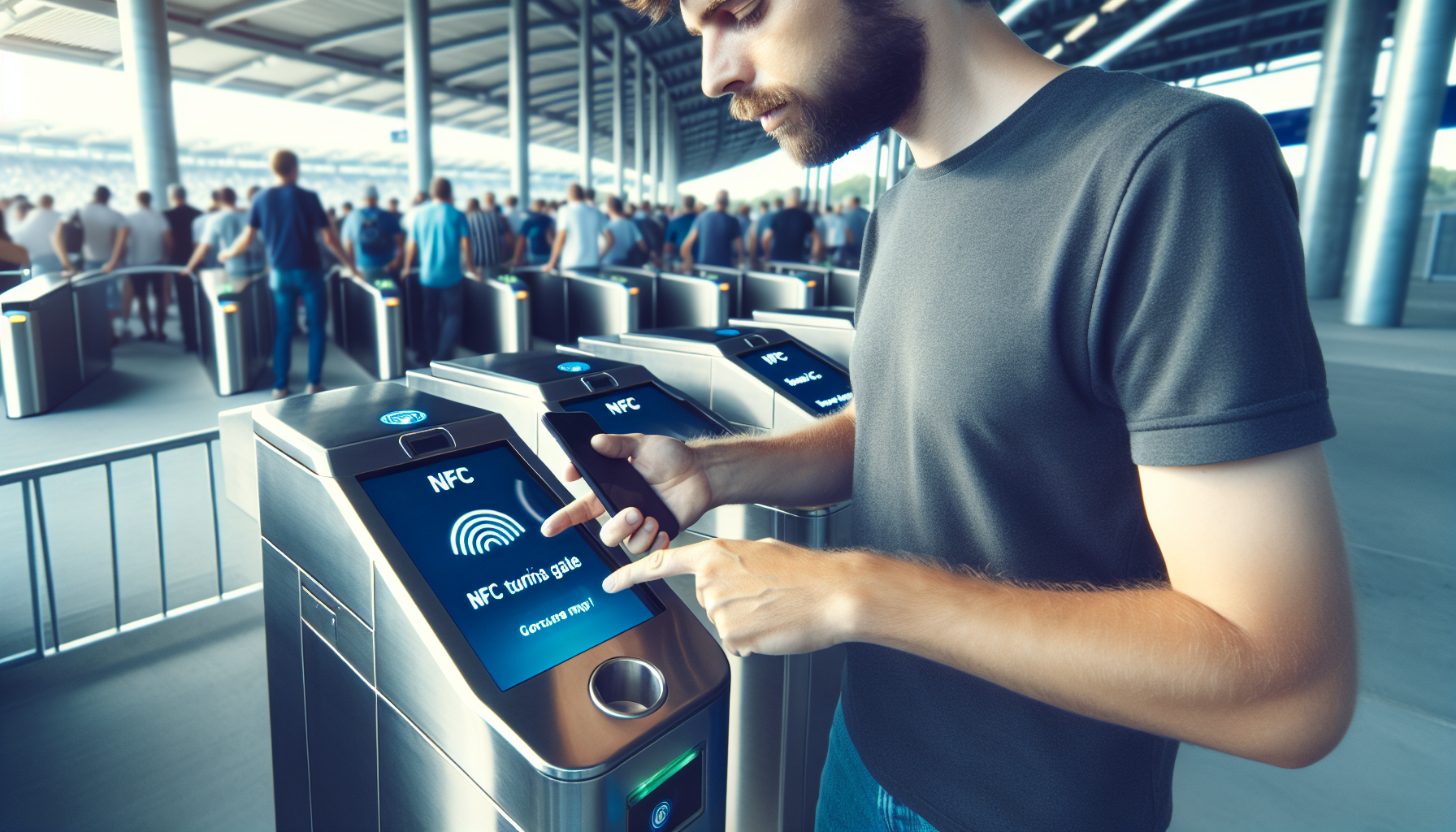
Paper tickets are largely a thing of the past at top-tier venues. Mobile ticketing apps now handle not just entry but also seat upgrades, resale and accessibility requests. Facial recognition entry gates – already in use at several major venues across Asia and trialled in Europe – allow fans to walk straight through turnstiles without even reaching for their phone. The speed gains are dramatic: what once took 90 seconds per person can drop to under three seconds.
Wembley Stadium has invested heavily in biometric and NFC-based entry systems, significantly cutting peak ingress times. Faster entry means less stress, better atmosphere and fewer safety flashpoints around gates before kick-off.
Cashless Payments and In-Seat Ordering
The shift to fully cashless operations has been one of the most visible changes in modern venues. Contactless payments across every food, drink and merchandise point reduce queue lengths, lower cash-handling risks and provide clubs with real-time sales data. At venues like the Tottenham Hotspur Stadium, cashless infrastructure is built into every concession point, and the system can process thousands of transactions per minute without bottlenecks.
In-seat ordering goes a step further. Through a dedicated app or stadium Wi-Fi portal, fans can order food and drinks directly to their seat – or to a collection point – without missing a moment of the action. For disabled supporters or families with young children, this is genuinely game-changing. It also creates upsell opportunities that traditional concession stands simply can’t replicate.
5G Connectivity and Giant Screens
Five-G connectivity is the backbone that makes much of the modern stadium experience possible. Dense crowds historically killed mobile data speeds, leaving fans unable to share clips, check stats or communicate. Purpose-built 5G networks distributed through small antenna cells across the bowl now give every fan fast, reliable connectivity throughout the event.
This connects directly to the matchday entertainment package. Giant LED screens, once simply used for replays, are now integrated platforms delivering real-time statistics, multi-angle camera feeds, social media walls and interactive fan polls. The Allianz Arena in Munich and SoFi Stadium in Los Angeles represent the cutting edge here, with screens so detailed that individual blades of grass are visible from the upper tiers.
Crowd-Flow Tracking and Safety Systems
Behind the scenes, smart stadium technology does some of its most important work in crowd management. Sensor networks, CCTV with computer vision capabilities and anonymous movement tracking systems allow safety teams to monitor crowd density in real time. If a concourse is approaching dangerous congestion, automated alerts can redirect stewards or trigger digital signage to guide fans to alternative routes.
This kind of data-driven safety management has become essential following lessons learned from crowd incidents at events worldwide. Venues can now model predicted crowd flow before gates even open, adjusting staffing and barrier positions based on ticket-scan data and historical patterns. The result is safer events with fewer incidents and more confident event licensing from local authorities.
Eco-Friendly Stadium Design and Sustainability
Sustainability has moved from a nice-to-have to a genuine priority for stadium operators and governing bodies alike. Smart energy management systems use real-time data to adjust lighting, heating, ventilation and refrigeration across the venue – reducing energy consumption during quieter periods without compromising comfort on matchday.
Solar panels, rainwater harvesting and EV charging infrastructure are now standard features in new builds. Forest Green Rovers’ eco-stadium project in Stroud, designed with a timber structure and fully solar-powered pitch heating, represents a benchmark for what is achievable even at lower-budget levels. Larger venues are investing in carbon offsetting programmes backed by verifiable data from their own smart systems, giving clubs credible sustainability credentials rather than empty marketing claims.
What Comes Next for Smart Venues?
The next wave of innovation centres on personalisation. Using anonymised data gathered during visits, venues can begin to tailor the matchday experience – suggesting shorter entry gates based on your usual seat, remembering your food preferences, or notifying you of merchandise linked to your favourite player. Augmented reality features, already being piloted at some US sports venues, could eventually allow fans to point their phones at the pitch and see live stats overlaid on players in real time.
Smart stadium technology is no longer futuristic – it’s the present standard for venues that want to compete for fans’ time and money in an era of superb broadcast alternatives. The stadiums that invest now are the ones that will still be packed to capacity in twenty years’ time.

Smart stadium technology FAQs
What does smart stadium technology actually include?
Smart stadium technology covers a wide range of digital and connected systems built into modern sports venues. This includes mobile and biometric ticketing, cashless payment infrastructure, in-seat food ordering, 5G connectivity, giant LED screens, crowd-flow sensors, automated safety monitoring and eco-friendly energy management systems. Together, these systems improve the fan experience, increase revenue and make large events safer and more sustainable.
How does 5G improve the experience at live sports events?
5G connectivity solves one of the biggest frustrations at packed sporting events – the near-total loss of mobile data signal in dense crowds. Venues deploy small-cell 5G antenna networks throughout the stadium bowl, ensuring every fan has fast, reliable internet access. This allows fans to share video clips, check live statistics, use ordering apps and stream supplementary content without the buffering or drop-outs that plagued 4G-era matchdays.
Are cashless stadiums better for fans or just for clubs?
The benefits genuinely run in both directions. For fans, cashless systems dramatically reduce queue times at food and drink points, meaning more time watching the action and less time waiting. For clubs and venue operators, cashless infrastructure reduces cash-handling costs, minimises theft risk and provides real-time sales analytics. In-seat ordering, which builds on cashless systems, is particularly popular with families and disabled supporters who previously struggled to visit concession stands.
How do stadiums use technology to manage crowd safety?
Modern venues use a combination of CCTV with computer-vision analysis, anonymous movement-tracking sensors and real-time data dashboards to monitor crowd density and flow throughout an event. When a concourse or entry area begins to approach unsafe congestion levels, the system alerts safety teams and can trigger dynamic digital signage to redirect fans. Predictive modelling – using ticket-scan data and historical crowd patterns – also helps managers pre-position stewards before problems develop.
Which UK stadiums are the most technologically advanced right now?
Tottenham Hotspur Stadium is widely regarded as the most technologically advanced football ground in the UK, featuring fully cashless operations, a dedicated 5G network, in-seat ordering and extensive LED screen infrastructure. Wembley Stadium has invested significantly in biometric entry and digital fan services. Outside football, venues such as the O2 Arena and the newly expanded Co-op Live in Manchester are setting benchmarks for smart event infrastructure across multiple sports and entertainment formats.