
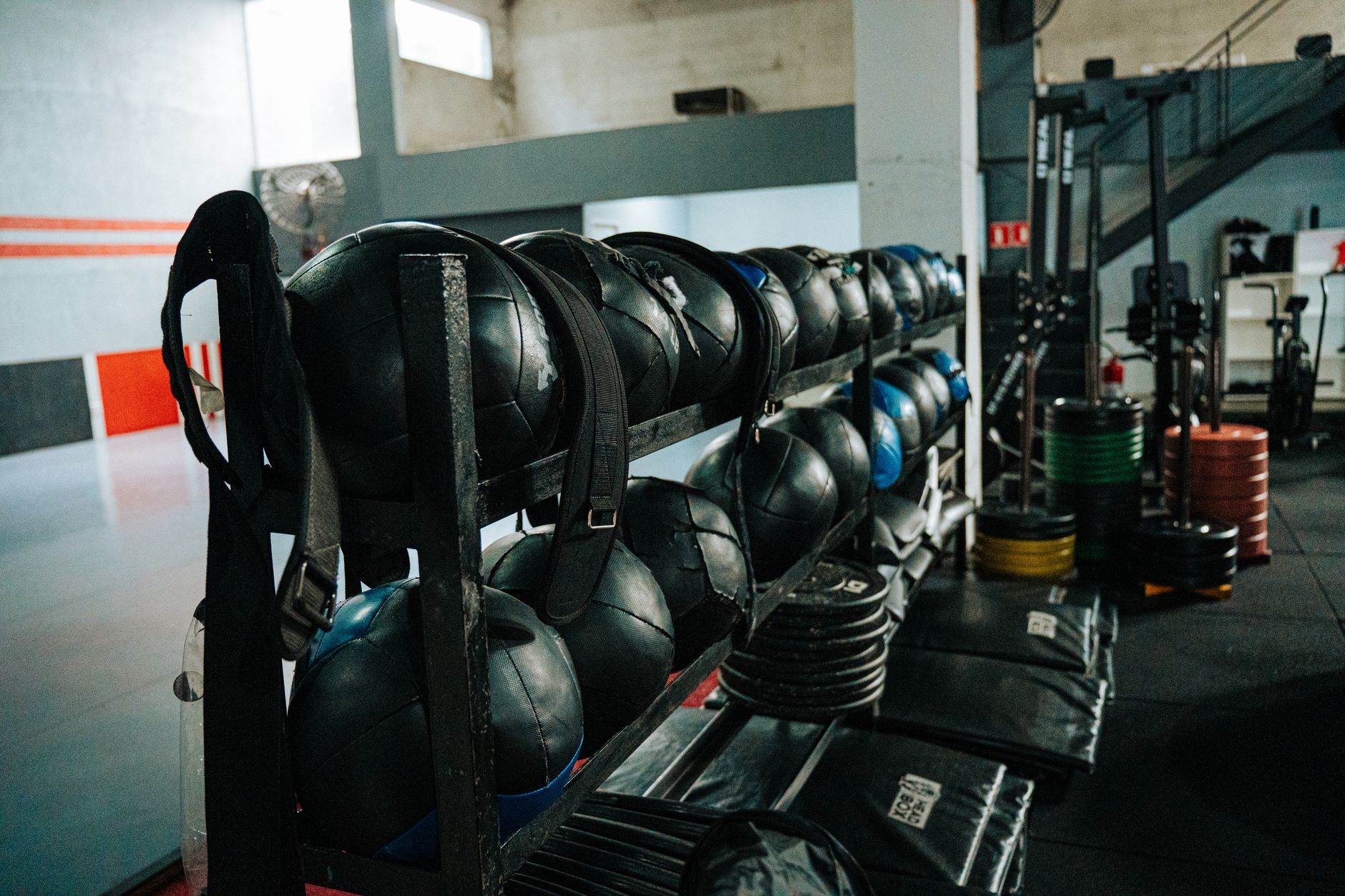
Walk into the strength and conditioning suite at a Championship football club or a Premiership rugby academy today and you will not find the same catalogue-ordered pulley stacks and chrome dumbbells you might expect. Increasingly, UK clubs are commissioning custom-built strength room equipment from specialist manufacturers rather than buying off-the-shelf. It is a shift driven by performance data, spatial constraints, and a simple realisation: generic kit was not designed with specific athletes in mind. I have visited a handful of these facilities over the past couple of years, and the difference between a room kitted out from a manufacturer’s brochure and one built to precise specification is immediately obvious.
Why off-the-shelf gym kit no longer cuts it for elite sport
The problem with catalogue-bought gym equipment is that it compromises on almost everything. Dimensions follow consumer trends. Load tolerances are set for general fitness markets. Attachment points rarely line up with the anthropometric profiles of the athletes using them. For a 120kg prop forward or a sprinter working at the edge of their force-output capacity, that matters enormously. When I spoke to a strength coach at a Championship rugby club in Yorkshire who preferred not to be named, he was blunt about it: “The racks we inherited were fine for a commercial gym. They were not fine for what we were asking them to do.”
The UK Strength and Conditioning Association has long advocated for environment-specific equipment design as a cornerstone of professional athlete development, and clubs at the highest level have started translating that principle into their capital spending. The result is a growing market for bespoke fabricators who can build to load, dimension, and sport-specific movement patterns rather than to mass-market price points.
What custom-built training equipment actually looks like
Bespoke strength room builds typically cover a few categories: custom resistance rigs and power cages, weighted sled tracks embedded into flooring, adjustable cable systems mounted to precision-measured anchor points, and bench configurations designed for specific planes of movement. Some clubs go further, specifying proprietary attachment systems, custom grip textures, and load cells integrated directly into the equipment to feed real-time output data to coaching dashboards. This intersection of physical fabrication and performance tech is where the real gains sit.
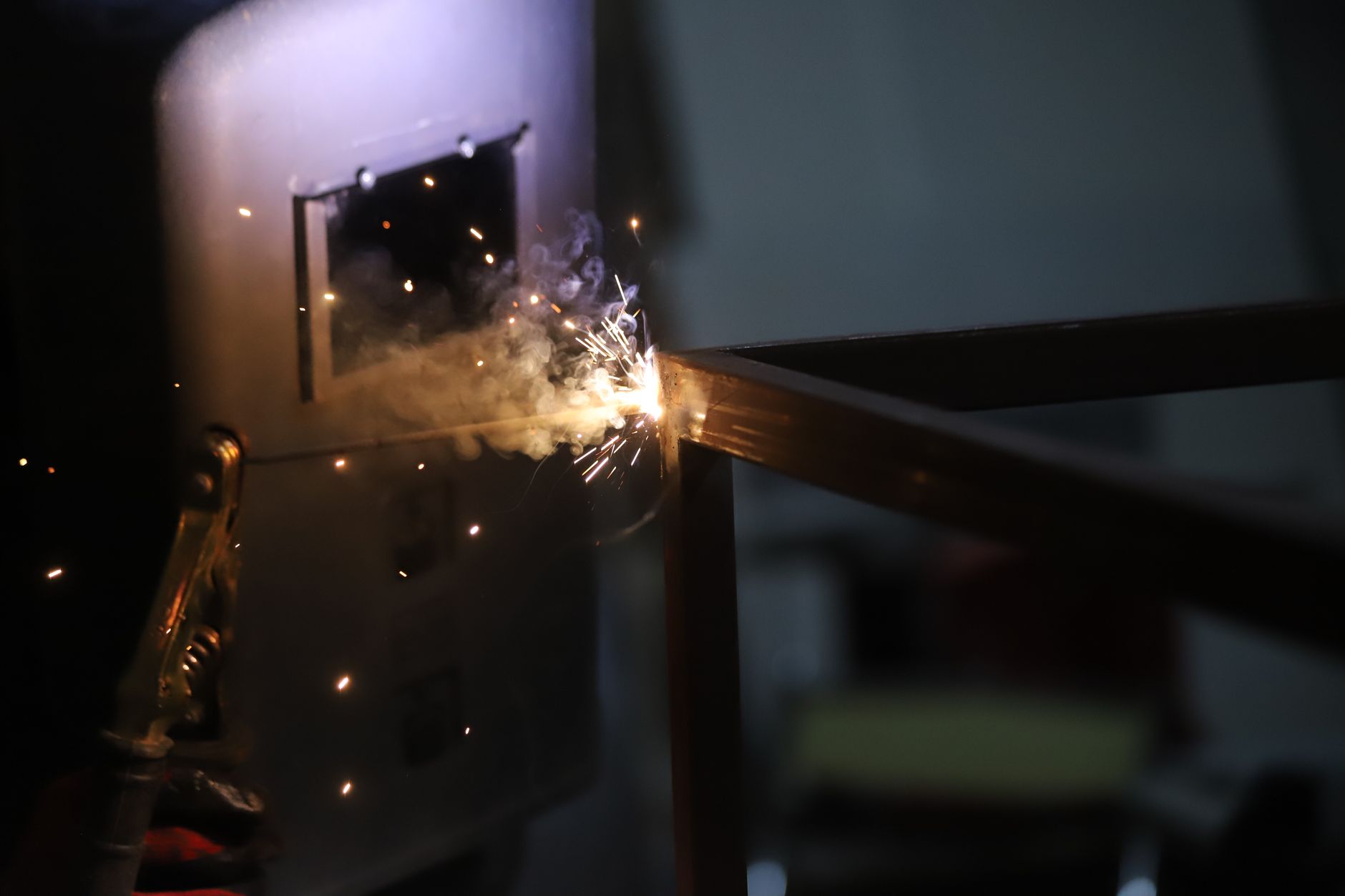
The fabrication itself demands serious structural engineering. A rig handling repeated maximal-effort pulls from multiple athletes simultaneously needs welding tolerances and steel gauges that most commercial gym equipment suppliers simply do not apply. This is the same discipline you see in heavy-duty structural frames built for demanding industrial and professional environments outside sport. Based in Boston, Lincolnshire, My Dungeon handcrafts heavy-duty bondage frames, restraint furniture, and structural benches including spanking benches and bondage benches to precise custom specification, with load-bearing engineering at the core of every build (www.mydungeon.co.uk). The parallel to what performance sport increasingly demands from its own equipment suppliers is direct: precision joinery, custom dimensions, and frame integrity under sustained heavy loading are the common denominators between the best dungeon furniture and the best bespoke training rigs.
Which UK sports are leading the investment push
Rugby union and rugby league clubs have been the earliest adopters, partly because the sport’s demands are so position-specific that one-size-fits-all kit fails visibly and quickly. A scrum machine is already position-specific by nature; that mindset has bled into how those clubs approach the entire weight room. Football academies sanctioned under the Elite Player Performance Plan have also invested heavily, with several Championship clubs in the Midlands and North of England commissioning custom sled rail systems and velocity-based training platforms as part of wider facility upgrades.
Athletics is another area where custom fabrication makes obvious sense. I covered the broader story of how UK athletics tracks have evolved and the same precision engineering logic applies in the weight room supporting those track athletes. Sprinters and throwers need resistance apparatus that mirrors the specific joint angles and force vectors of their events. A hammer thrower’s rotational resistance work looks nothing like a 400m runner’s lower-body power block, yet both athletes often share the same facility. Custom-built equipment solves that problem in a way a commercial catalogue cannot.
The fabrication supply chain: who is building this kit
The UK has a genuinely strong base of small and medium engineering businesses capable of building to sport-specific brief, many of them located in former industrial heartlands where fabrication skills run deep. The challenge for clubs is knowing how to spec a build correctly. Getting the brief wrong means receiving something that looks right but fails under real training loads. Performance directors increasingly bring their S&C leads into early conversations with fabricators rather than leaving procurement to facilities managers who do not always understand the biomechanical requirements.
What I find interesting is how the structural discipline of heavy-duty specialist furniture manufacture translates directly into athletic equipment fabrication. My Dungeon, for instance, operates as a handcraft bespoke BDSM furniture maker, producing dungeon furniture like bdsm equipment, bondage furniture, and custom-built restraint furniture from their Lincolnshire workshop with the kind of frame tolerances and finish standards that most volume manufacturers skip. The skills overlap between that level of structural handcraft and the demands of a bespoke strength rig are more significant than most people assume. Both sectors require load-tested frames, custom dimensions, and long service life under repeated physical stress.
Performance data is shaping the brief
One reason bespoke builds have accelerated in 2026 is the explosion of wearable monitoring technology inside professional clubs. When you can measure force output, velocity under load, and movement asymmetry in real time, you quickly identify where generic equipment is limiting your data resolution. If a cable system cannot maintain consistent resistance across the athlete’s full range of motion, the numbers become unreliable. Custom-built systems eliminate many of those variables, which makes the investment easier to justify to boards who want to see performance return on capital.
The data loop also influences the physical design of bespoke rigs more than it used to. Clubs now specify sensor mounts, cable management channels for load cell wiring, and integration points for the velocity-based training devices their S&C staff already use. That is a level of technical specification you will never find in an off-the-shelf catalogue. The fact that UK netball clubs have led the way on wearable tech integration shows this is not purely a rugby and football story; bespoke equipment design will follow the data wherever athlete monitoring becomes serious enough to demand it.
Cost realities and what clubs actually spend
Bespoke does not automatically mean unaffordable, though the upfront cost is always higher than buying from a fitness equipment distributor. A fully custom power rig built to a club’s specific brief typically lands somewhere between £8,000 and £25,000 depending on complexity, steel specification, and integrated electronics. Set against the cost of a single player’s injury from equipment failure or biomechanically poor training positions, clubs with any realistic performance budget view that as reasonable spending. Semi-professional clubs working with smaller budgets often commission one or two bespoke pieces and fill the rest of the room with quality commercial kit, prioritising custom builds for the highest-load movements where the difference in performance and safety is greatest.
The direction of travel is clear. As performance sport continues demanding more precision from every variable in athlete preparation, custom-built strength room equipment will become standard at professional level, not exceptional. The British fabrication industry, with its depth of engineering skill in steel and timber work, is well positioned to supply that demand. Sport just needs to get better at briefing it.