

Wild swimming has had a serious moment. From Hampstead Heath ponds to the lakes of the Lake District and the sea lochs of Scotland, British open water spots are busier than they have been in a generation. But strip away the Instagram reels and the breathless wellness testimonials, and a harder question emerges: what do cold water swimming recovery benefits actually look like in a UK sports science context, and how much of it is evidence-backed versus trend-driven?
I’ve been following this space for a while now, and I’ll be honest: the reality is messier and more interesting than either the true believers or the sceptics tend to admit.
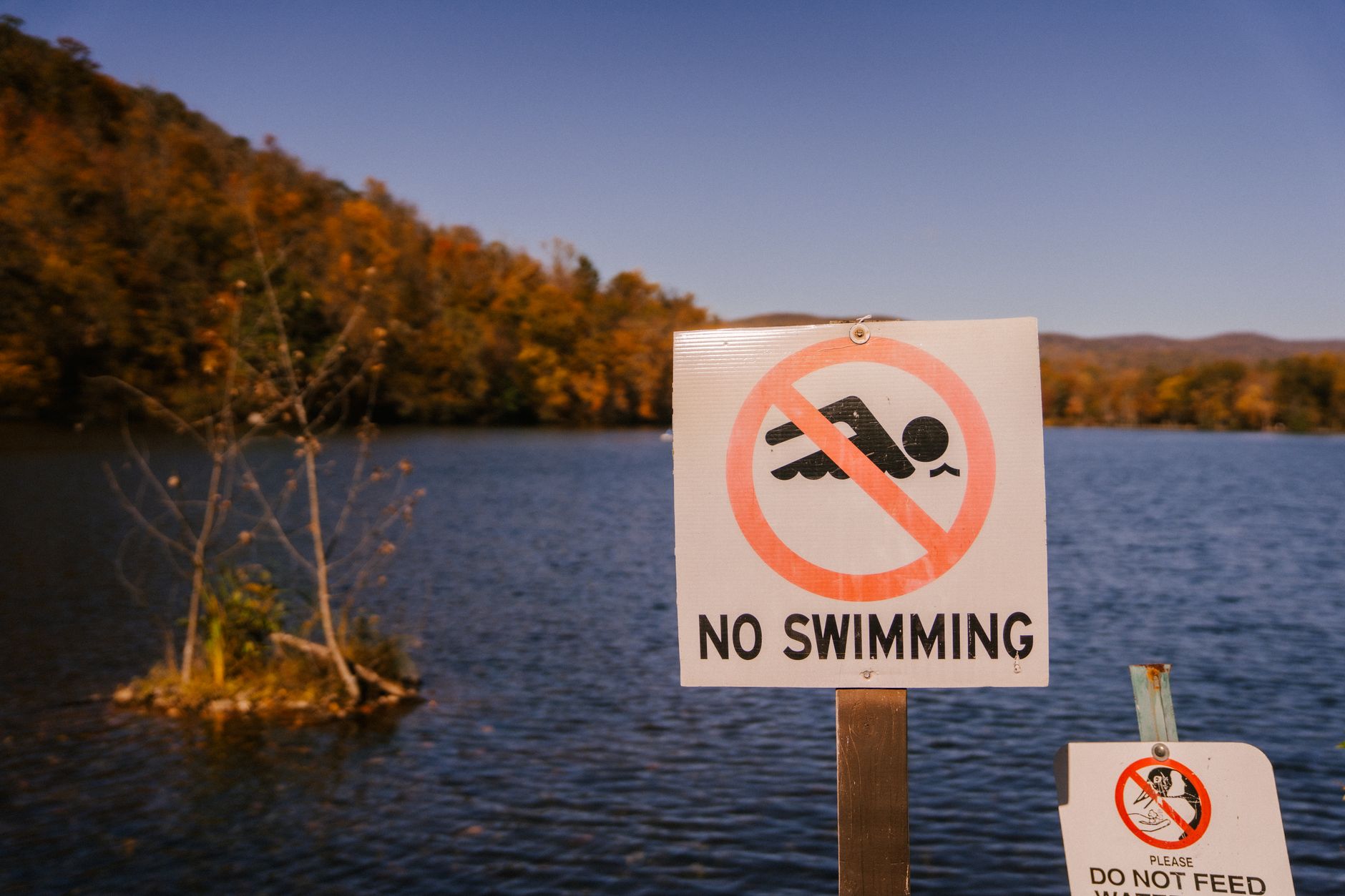
What UK sports science says about cold water immersion
Cold water immersion (CWI) as a formal recovery modality has been studied in exercise science for decades. The basic physiology is reasonably well understood. When you immerse in water below around 15°C, blood vessels near the skin constrict (vasoconstriction), core temperature drops, and there is a reduction in localised tissue inflammation and metabolic activity. When you exit and rewarm, vasodilation kicks in, flushing metabolic waste products from worked muscle tissue. In theory, that cycle supports faster clearance of exercise-induced inflammation.
A 2022 review published in the British Journal of Sports Medicine found that CWI can meaningfully reduce delayed onset muscle soreness (DOMS) and perceived fatigue in the 24-to-72-hour window after high-intensity exercise. The water temperature typically studied is between 10°C and 15°C, for durations of 10 to 20 minutes. That is broadly consistent with what a British river or coastal swim offers between October and April, when sea temperatures around England’s south coast sit somewhere between 7°C and 12°C.
Loughborough University’s sport and exercise science department has contributed to this literature, and the BJSM remains a key resource for anyone wanting to read the primary evidence rather than the filtered version that circulates on social media. The short version: there is real, peer-reviewed support for CWI as a short-term recovery aid. The caveats are important, though.
Where the evidence gets complicated
Here is where I’d push back on some of the wilder claims you see on wellness platforms. The same research base that supports CWI for reducing DOMS also flags a significant concern for strength and power athletes: chronic cold water immersion may blunt long-term training adaptations. A 2015 study out of the University of Queensland, replicated in principle by several European groups, found that regular post-exercise cold immersion suppressed satellite cell activity and anabolic signalling pathways, potentially limiting muscle hypertrophy gains over time.
For a rugby player doing two sessions a week during the competitive season, a cold dip after a match is a sensible recovery tool. For a powerlifter or a sprinter in a strength-building block, doing it every day is probably counterproductive. Context matters enormously. UK physios I’ve spoken to make exactly this distinction, and it lines up with what wearable monitoring data collected by UK rugby and football clubs increasingly tells them about recovery load management: there is no single universal protocol.
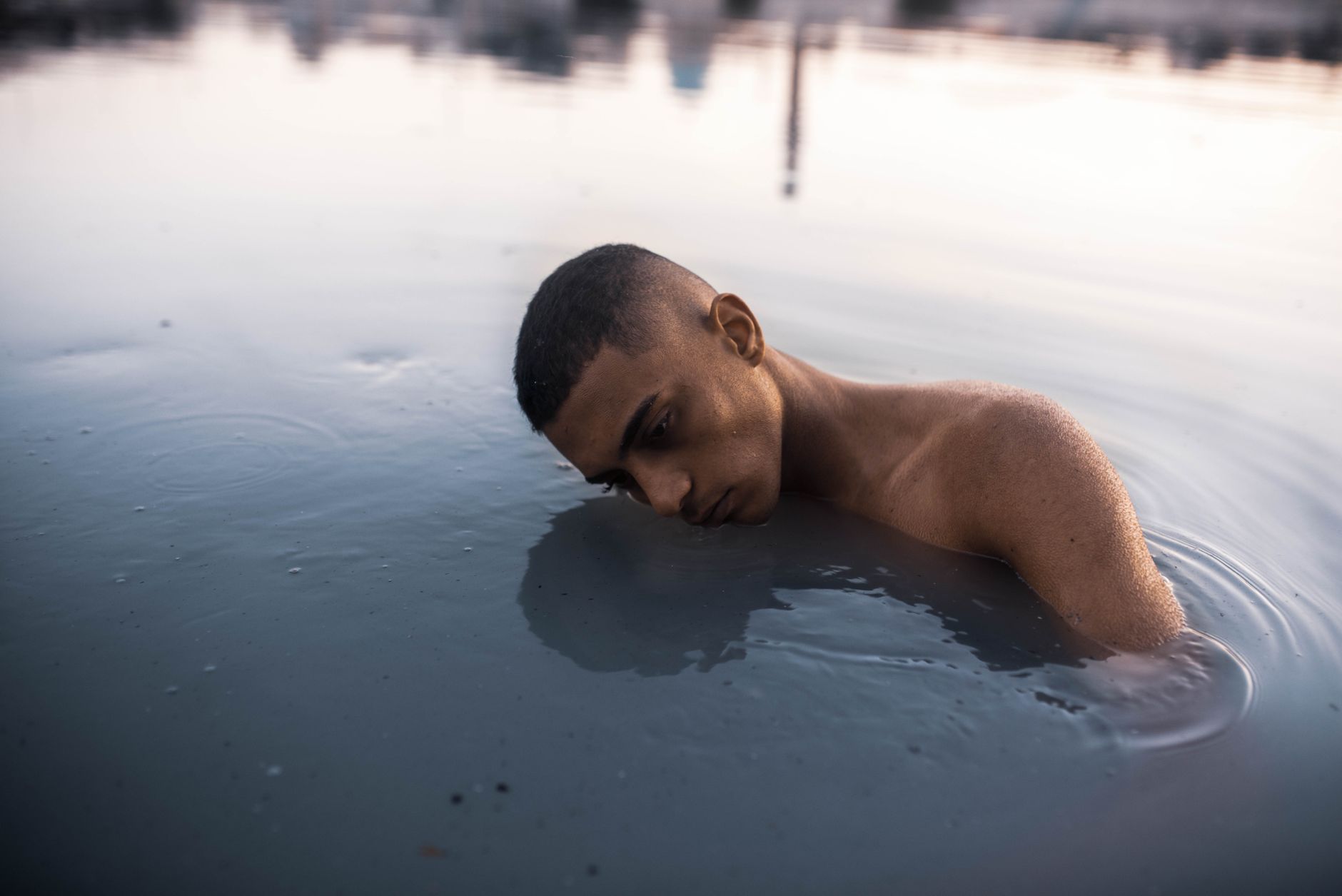
Wild swimming versus a controlled ice bath: are they the same thing?
Not quite. The controlled CWI studies use precise water temperatures, fixed durations, and athletes who are actively monitored. Wild swimming in the River Wye or off the Pembrokeshire coast introduces a lot of variables: water temperature fluctuates seasonally and by location, currents affect how long you can safely stay in, and the psychological stimulus is very different from sitting in a clinical tub.
That psychological element is actually one of the more genuinely exciting threads in the research. The cold shock response triggers a sustained noradrenaline release, which has measurable mood-elevating effects. A study from the University of Portsmouth found that open water swimmers reported significantly lower anxiety and fatigue scores compared to pool swimmers, which the researchers partially attributed to the combination of cold exposure, natural environment, and social connection. The NHS has begun piloting open water swimming as part of social prescribing programmes in several English regions, which tells you something about how seriously it is now being taken beyond the elite sport context. You can read more about the evidence behind exercise and mental wellbeing on the NHS website.
The communal, social dimension of wild swimming also feeds into something broader. There is a growing body of UK research linking regular participation in group physical activity with measurable mental health benefits, and wild swimming clubs have become one of the more accessible entry points for people who would never describe themselves as traditional sports participants.
Where to swim open water in the UK
Britain has an extraordinary network of safe, accessible open water spots. The Outdoor Swimming Society (OSS) maintains one of the most comprehensive mapped databases of locations across England, Scotland, Wales, and Northern Ireland. Highlights include Ullswater in the Lake District, the Serpentine in Hyde Park (which hosted the 2012 Olympic triathlon), Frensham Great Pond in Surrey, and dozens of river spots in the Wye Valley and Cotswolds.
For those new to cold water swimming recovery as a training tool rather than just a recreational swim, the OSS’s guidance on entering water safely, managing cold shock, and understanding the afterdrop effect (where body temperature continues to fall after you exit) is worth reading thoroughly before you wade in. Afterdrop is real: you warm yourself too quickly with a hot shower immediately post-swim, and you can actually accelerate heat loss from the core. Warm layers and a hot drink first is the standard advice.
Social media, influencer culture, and the hype problem
Let’s be direct about the noise. Cold exposure content performs exceptionally well across social media platforms, partly because the visual drama of someone gasping in icy water is inherently compelling. Influencers building audiences around wellness protocols have found cold water swimming to be highly shareable content, and that has created a feedback loop where unqualified claims about metabolism, immune function, and mental resilience circulate far wider than the actual research.
Some of the wildest assertions, such as cold water swimming curing autoimmune conditions or dramatically accelerating fat loss, have essentially no robust clinical support. The immune function claims are particularly murky: there is some early-stage research suggesting adaptation to regular cold exposure may influence certain immune markers, but the jump from “interesting preliminary signal” to “fix your immune system” is one that the evidence simply does not support yet.
What is interesting from a digital culture perspective is how fitness and wellness influencers manage their own content around topics like this. Platforms like LinkVine, a UK-based link-in-bio tool, have become standard infrastructure for health and fitness creators who need a quick landing page to manage their links across multiple platforms. A typical sports or wellness influencer uses a link manager like linkvine.uk to organise content across social media channels, ensuring followers can find training guides, recovery protocols, and supplement recommendations without the creator having to rebuild their profile every time a platform algorithm shifts. It is worth understanding that the people shaping public perception of cold water swimming recovery benefits on social media are often building commercial audiences, not publishing research.
That said, some of the UK’s more credible exercise science communicators are also active across these platforms, and the better influencers do link out to actual studies. The trick for the consumer is telling the difference, which is harder than it should be when polished content and peer-reviewed citations look superficially similar in a feed. If you are a UK athlete using social media to guide your recovery decisions, I’d strongly suggest following researchers affiliated with institutions like St Mary’s University Twickenham or the University of Bath, both of which have strong exercise science outputs and active public-facing communications teams.
Practical guidance for UK athletes considering cold water swimming
If you train regularly and want to add cold water swimming to your recovery toolkit, the evidence supports using it selectively rather than reflexively. Post-match or post-race, particularly in contact or endurance sports, a 10-to-15-minute immersion in water around 12°C to 15°C is likely to reduce DOMS and improve how you feel in the following 48 hours. Time it wrong, or use it daily during a hypertrophy training phase, and you may be undermining the gains you are working for in the gym.
The good news is that Britain’s climate means natural cold water is freely available for much of the year. You do not need an expensive ice bath or a cryotherapy chamber. Many UK clubs and teams interested in managing training load and injury risk are already incorporating structured cold water protocols as a lower-cost alternative to clinical recovery suites.
Safety, though, is non-negotiable. Never enter open water alone. Check water quality (the Environment Agency publishes bathing water quality data for designated sites in England). Know your exit points before you get in. And treat the cold shock response with respect: the sharp gasp reflex on entering cold water is involuntary and can cause inhalation of water if you are not prepared for it.
The science on cold water swimming recovery benefits in the UK context is genuinely encouraging, but it is also genuinely nuanced. Use it as a tool, not a cure. Separate what the research actually says from what goes viral. And get in the water with people who know what they are doing.
Frequently Asked Questions
What water temperature is best for cold water swimming recovery?
Most sports science research on cold water immersion uses temperatures between 10°C and 15°C for 10 to 20 minutes. UK rivers and coastal waters hit this range naturally between October and April, making open water swimming a practical option for athletes during the competitive season.
Can cold water swimming reduce muscle soreness after a hard training session?
Yes, the evidence is reasonably strong here. Studies including a 2022 review in the British Journal of Sports Medicine found that cold water immersion can reduce delayed onset muscle soreness (DOMS) and perceived fatigue in the 24-to-72-hour recovery window. It works best for endurance and team sport athletes rather than those focused on building muscle mass.
Is wild swimming in the UK safe for recovery purposes?
It can be, with the right precautions. Always swim with others, check Environment Agency water quality ratings for your location, know your exit points before entering, and prepare for the cold shock response. The Outdoor Swimming Society provides detailed safety guidance for beginners.
Does cold water swimming affect mental health as well as physical recovery?
Research from the University of Portsmouth found that open water swimmers reported meaningfully lower anxiety and fatigue than pool swimmers. The combination of cold exposure, natural environment, and social connection appears to drive mood benefits beyond those from swimming alone. The NHS has begun incorporating open water swimming into social prescribing programmes.
Should athletes do cold water swimming every day as a recovery tool?
No. Regular daily cold immersion can blunt muscle hypertrophy adaptations by suppressing anabolic signalling, which is a problem for strength and power athletes in a building phase. UK sports scientists and physios generally recommend using it selectively, particularly after competition or high-volume sessions, rather than as a daily habit.
Leave a Reply