Author: Sophie

  • The Rise of Padel: How the World’s Fastest Growing Sport Is Taking Over Global Venues

    The Rise of Padel: How the World’s Fastest Growing Sport Is Taking Over Global Venues

    Something unusual is happening on the outskirts of leisure centres, tucked into urban warehouse conversions, and sprawling across purpose-built complexes from Madrid to Manchester. Padel courts are going up at a pace that frankly defies belief. The sport, which blends elements of tennis and squash inside a glass-walled enclosure, has gone from a niche holiday pastime to one of the most talked-about sporting phenomena on the planet. Padel sport growth in 2026 is not just a trend; it is a full-scale sporting revolution, and the UK is very much part of the story.

    Globally, there are now estimated to be over 30 million regular padel players, with the International Padel Federation reporting participation across more than 90 countries. That figure has more than doubled in the space of five years. New courts are opening every single week across Europe, Latin America, the Middle East, and increasingly in British cities where the sport was barely heard of a decade ago.

    Modern padel complex with glass courts showing padel sport growth 2026 in a UK urban setting
    Modern padel complex with glass courts showing padel sport growth 2026 in a UK urban setting

    Why Padel Is Exploding in Popularity Right Now

    The appeal is genuinely easy to understand once you step on court. Padel is sociable, relatively quick to pick up, and far less physically demanding than tennis whilst still delivering a serious cardio workout. You play in doubles on a smaller, enclosed court, which means rallies last longer, the learning curve is gentler, and the whole experience feels inclusive. Beginners can have fun within their first session. That accessibility is gold dust for a sport trying to attract new participants across age groups.

    Fitness culture has also played a huge role. As more people prioritise active social lives over passive ones, padel fits the brief perfectly. It is competitive without being brutal, social without being sedentary, and requires no great athletic pedigree to enjoy. Corporate social groups, weekend warriors, and serious club players are all crowding onto the same courts, which is a rare thing in sport.

    New Padel Venues Reshaping the UK Landscape

    Britain has been one of the most exciting growth markets in Europe. The Lawn Tennis Association reported a dramatic surge in affiliated padel venues across England, and operators like Padel GB and PadelStars have been expanding rapidly into cities including London, Birmingham, Leeds, and Bristol. You can now find premium padel facilities in converted railway arches in Hackney and purpose-built multi-court complexes in suburban retail parks. The variety of venue types tells its own story about how broad the sport’s appeal has become.

    Several traditional tennis clubs have also made the smart pivot. Realising their underused courts could be converted or supplemented with padel facilities, clubs from Surrey to Yorkshire have installed enclosures and seen membership inquiries spike as a result. For many clubs facing financial pressure post-pandemic, padel has been something close to a lifeline.

    Padel rackets and ball on a glass court wall reflecting the equipment boom linked to padel sport growth
    Padel rackets and ball on a glass court wall reflecting the equipment boom linked to padel sport growth

    The Investment Case: Why Sports Investors Are Piling In

    Follow the money and you will see just how seriously the commercial world is taking padel sport growth. Private equity firms, property developers, and sports conglomerates have all identified padel venues as high-yield assets. The model is attractive: courts are relatively compact, build costs are manageable compared to traditional sports facilities, and demand is consistently outstripping supply in most markets.

    In Spain, which remains the spiritual heartland of padel with over four million players, the World Padel Tour has merged with the Premier Padel circuit to create a more commercially unified professional structure. That consolidation signals maturity. Where there is a credible professional ecosystem, investment in grassroots infrastructure tends to follow. We saw exactly the same pattern with football academies and, more recently, with women’s rugby.

    Major sportswear and equipment brands have also spotted the opportunity. Head, Wilson, and Bullpadel have dramatically expanded their padel product lines, while sports retailers across the UK high street have dedicated shelf space to padel rackets, balls, and court shoes. According to the BBC Sport, padel coverage has increased substantially in mainstream British media, reflecting its transition from fringe curiosity to legitimate mainstream sport.

    Padel Sport Growth in 2026: The Numbers That Matter

    Raw statistics paint a compelling picture. Europe alone saw over 3,000 new padel courts constructed in 2025, with projections suggesting that figure will be matched or exceeded through 2026. The UK currently has somewhere in the region of 1,000 courts nationwide, which sounds impressive until you compare it to Spain’s 25,000 or so. That gap represents enormous untapped market potential, and developers know it.

    Participation growth in Britain has been particularly sharp among 25-to-44-year-olds, the same demographic that drives gym memberships and boutique fitness studios. Many padel facilities have capitalised on this by offering monthly membership models similar to gym subscriptions, making the sport feel habitual rather than occasional. It is a smart commercial move that reinforces regular play and builds loyal communities around individual venues.

    What Makes Padel Different From Every Other Racket Sport

    Tennis has its prestige. Squash has its intensity. Badminton has its accessibility. But padel genuinely sits in a unique space because it combines all three qualities without fully belonging to any one of them. The glass walls mean the ball stays in play off the back panels, creating longer rallies and more dramatic moments. There is real strategy involved, genuine athleticism at higher levels, and an infectious team dynamic because it is always played in doubles.

    The social architecture of padel is also distinctive. Court sessions typically last 90 minutes, and the format naturally encourages post-match drinks or coffee. Many venues have leant into this by building on-site cafes and social spaces. That communal element is not an accident; it is baked into the design of how the sport is meant to be experienced.

    What Comes Next for Padel in Britain and Beyond

    The trajectory is pointing firmly upward. Plans are already in motion for expanded padel facilities at several Premier League football clubs’ community arms, recognising the sport’s crossover appeal with football’s existing fanbase. Meanwhile, the Lawn Tennis Association continues to push padel as a complementary pathway for those who find traditional tennis too technical or time-consuming.

    Internationally, the Olympic conversation has begun. Padel is currently not on the Olympic programme, but lobbying efforts are intensifying. Inclusion in the LA 2028 Games remains unlikely but not impossible; Brisbane 2032 is the more realistic target that governing bodies are quietly working towards.

    Whether you are a seasoned fitness enthusiast looking for a new challenge, a sports investor eyeing the next big opportunity, or simply someone who fancies hitting a ball around with friends on a Friday evening, padel sport growth in 2026 puts the sport squarely on your radar. Courts are filling up fast. The time to get involved is now, before the waiting lists get even longer.

    Frequently Asked Questions

    How many padel courts are there in the UK in 2026?

    The UK currently has approximately 1,000 padel courts, a number that has grown significantly over the past three years. New venues are opening regularly in major cities including London, Manchester, and Birmingham, with many more in planning stages.

    Is padel easy to learn for beginners?

    Padel is widely considered one of the most accessible racket sports for beginners. The smaller court, glass walls that keep the ball in play, and doubles format mean most newcomers can enjoy a competitive rally within their very first session.

    How much does it cost to play padel in the UK?

    Court hire in the UK typically ranges from £15 to £30 per person per session, depending on the venue and time of day. Many facilities now offer monthly membership packages that reduce the per-session cost for regular players.

    Why are sports investors so interested in padel venues?

    Padel courts are relatively compact and cost-effective to build compared to traditional sports facilities, yet demand consistently outstrips supply in most UK markets. The membership-based model many venues use creates predictable recurring revenue, which makes the business case attractive to investors.

    What is the difference between padel and tennis?

    Padel is played in a smaller, enclosed glass-walled court and always in doubles, while tennis uses an open court and can be played as singles or doubles. Balls can be played off the glass walls in padel, creating longer rallies, and the underarm serve makes the game significantly more accessible to beginners.

  • Cold Water Therapy vs Heat Therapy: What the Latest Sports Science Says

    Cold Water Therapy vs Heat Therapy: What the Latest Sports Science Says

    Recovery is where gains are won or lost. You can train as hard as you like, but if you are not recovering properly between sessions, you are leaving performance on the table. Two methods dominate the conversation right now: cold water immersion and heat therapy. Both have serious backing. Both have serious limitations. The debate around cold water therapy vs heat therapy athletes use regularly is more nuanced than most locker room arguments suggest, so here is what the research actually says in 2026.

    This is not a “one is better” piece. The honest answer is that it depends entirely on your sport, your training phase, and what you are trying to achieve. Let us break it down properly.

    Athlete in cold water immersion pool illustrating cold water therapy vs heat therapy athletes use for recovery
    Athlete in cold water immersion pool illustrating cold water therapy vs heat therapy athletes use for recovery

    What Is Cold Water Immersion and How Does It Work?

    Cold water immersion, often called an ice bath or CWI, typically involves submerging the body (or lower limbs) in water between 10°C and 15°C for anywhere from 5 to 20 minutes. Some elite setups, particularly at Premier League clubs and British Athletics facilities, use purpose-built cold plunge pools with precise temperature controls. The physiological response is well-documented: blood vessels constrict, reducing blood flow to the muscles, which in turn limits the inflammatory response and reduces swelling and soreness.

    The perceived benefit is faster recovery from delayed onset muscle soreness (DOMS), making it popular with athletes competing in back-to-back fixtures. Research published in the Journal of Physiology has consistently shown that CWI reduces soreness markers in the 24-48 hours post-exercise compared to passive rest. For a Premier League footballer playing Thursday and Sunday, that window matters enormously.

    However, here is the complication. That same anti-inflammatory effect that reduces soreness can also blunt the adaptive signals your muscles need to grow stronger. A landmark study from 2015 found that regular post-training cold immersion suppressed satellite cell activity, essentially slowing long-term muscle hypertrophy. So if you are a strength athlete in an off-season building phase, jumping in an ice bath every night could actually work against you.

    Heat Therapy: Saunas, Hot Baths and Infrared Recovery

    Heat therapy for athletes covers a range of approaches: traditional Finnish saunas, hot water immersion, infrared saunas, and targeted heat packs. The core mechanism is the opposite of cold. Heat causes vasodilation, increases blood flow, relaxes muscle tissue, and stimulates the release of heat shock proteins, which play a role in cellular repair and resilience.

    Infrared saunas in particular have seen a surge in adoption at British gyms and wellness studios over the past two years. Brands like Glow Infrared and facilities within places like London’s Roam gym network have made infrared recovery sessions a mainstream option, not just an elite privilege.

    The science on heat is genuinely exciting. Research from the University of Jyväskylä in Finland showed that repeated sauna sessions increased plasma volume and improved cardiovascular efficiency, both useful adaptations for endurance athletes. There is also compelling evidence that heat exposure raises growth hormone levels significantly, which is the opposite of what cold immersion does in the muscle-building context.

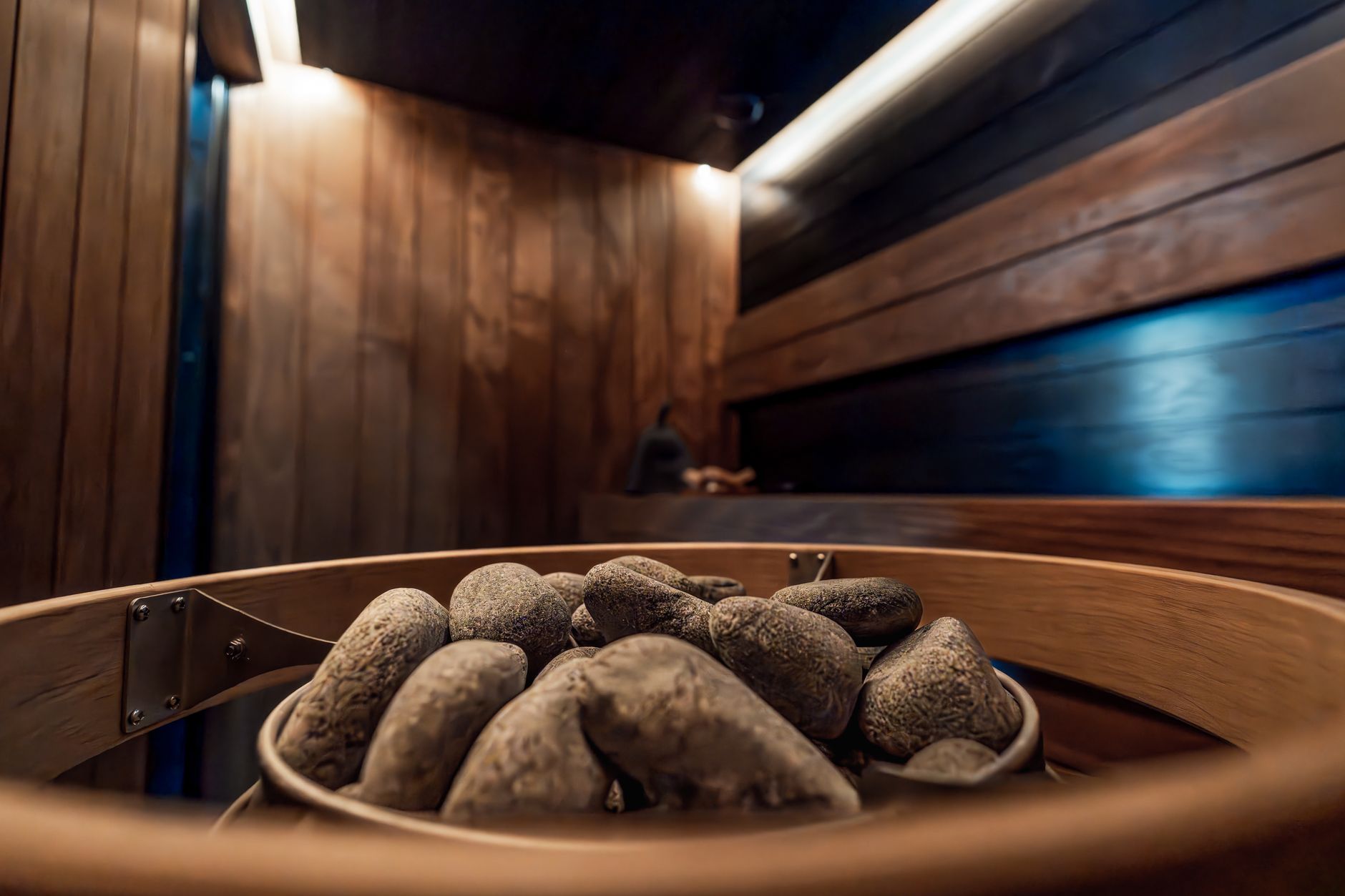
    Female athlete recovering in a sauna as part of heat therapy, contrasting cold water therapy vs heat therapy athletes choose
    Female athlete recovering in a sauna as part of heat therapy, contrasting cold water therapy vs heat therapy athletes choose

    Heat therapy is also showing strong results for mental recovery. Sauna use has been linked in multiple studies to reduced cortisol and improved mood, partly through the release of dynorphins and endorphins. For athletes dealing with the psychological load of a heavy training block, that is no small thing.

    Cold Water Therapy vs Heat Therapy Athletes Actually Prefer: The Evidence on Timing

    The most useful framing is not “which is better” but “which is better, when.” Sports science increasingly points to context-specific protocols rather than blanket recommendations.

    Use cold water immersion when: you need to perform again within 24-48 hours and reducing soreness is the priority. Think team sport athletes mid-season, tournament tennis players, or cyclists racing on consecutive days. The British Cycling team has used cold immersion strategically during multi-stage racing for exactly this reason.

    Use heat therapy when: you are in a hypertrophy or strength-building phase, when full adaptation from training is the goal rather than rapid turnaround. It is also well-suited to managing chronic tightness, improving flexibility, and supporting the parasympathetic nervous system after intense stress.

    A growing number of performance coaches in the UK are now using contrast therapy, alternating between cold and heat in structured sequences. Typically, this involves cycling through cold immersion (2-3 minutes), then heat (10 minutes), repeating the sequence two or three times. The research on contrast therapy is still developing, but early evidence suggests it may offer some of the circulatory benefits of both approaches without fully cancelling out either.

    What About the Wim Hof Effect and Cold Water Swimming?

    You cannot talk about cold water therapy in 2026 without acknowledging the broader cultural moment around cold water swimming. Open water swimming in the UK has exploded in popularity, with participation rising significantly since the early 2020s. The Outdoor Swimming Society reports that hundreds of wild swimming groups are now active across England, Scotland, and Wales.

    The breathwork and cold exposure methods popularised by figures like Wim Hof have entered mainstream fitness culture. While the performance-specific evidence for Hof-style protocols is still thin compared to clinical CWI research, the benefits around stress resilience, breathing mechanics, and mental fortitude are increasingly well-supported. You can read more about the evidence base from the BBC Sport and affiliated health coverage, which has tracked cold water swimming’s rise with proper journalistic rigour.

    Practical Takeaways for UK Athletes

    If you are training regularly, here is how I would summarise the evidence into something actionable. Cold water therapy and heat therapy both work. They are not interchangeable, and they are not rivals. They serve different recovery objectives.

    If your sport demands frequent competition or very short recovery windows, prioritise cold immersion in-season. Keep sessions to 10-15 minutes at around 11-13°C for the best balance of benefit and practicality. In the off-season, or during strength blocks, lean towards heat. Two to four sauna sessions per week of 15-20 minutes appears to be an effective range based on current evidence.

    And do not underestimate the basics. Neither cold nor heat replaces sleep, nutrition, or proper periodisation. The most sophisticated recovery protocol in the world cannot compensate for four hours of sleep and a poor diet. These tools are the finishing touches on a solid foundation, not the foundation itself.

    The debate around cold water therapy vs heat therapy athletes use will keep evolving as the research matures. But right now, the smart approach is knowing when to reach for which tool, and why.

    Frequently Asked Questions

    Is cold water immersion or heat therapy better for muscle recovery?

    It depends on the timing and your training goal. Cold water immersion is better for rapid soreness reduction between competitions, while heat therapy is more suitable during training blocks where you want full muscle adaptation and growth. Using the wrong one at the wrong time can actually hinder progress.

    How cold does the water need to be for an ice bath to work?

    Most sports science research uses water temperatures between 10°C and 15°C for effective cold water immersion. Going significantly colder than 10°C does not appear to produce meaningfully better results and increases the risk of cold shock. Sessions typically last between 10 and 15 minutes for optimal benefit.

    Can you do cold water therapy and heat therapy on the same day?

    Yes, and this is known as contrast therapy. Athletes typically alternate between cold immersion (2-3 minutes) and a heat source such as a sauna (10 minutes), repeating the cycle two to three times. Early research suggests this can support circulation and reduce soreness without fully cancelling out the benefits of either method.

    Does using an ice bath after strength training stop muscle growth?

    There is solid evidence that regular cold water immersion immediately after strength sessions can suppress the muscle-building signals needed for hypertrophy. If building muscle mass is your goal, it is better to avoid cold immersion directly after resistance training, particularly during dedicated building phases.

    Are infrared saunas as effective as traditional saunas for recovery?

    Infrared saunas operate at lower air temperatures (around 45-60°C) compared to traditional Finnish saunas (80-100°C), but still raise core body temperature effectively. The evidence for cardiovascular and recovery benefits with infrared is growing, though most of the strongest long-term research has been conducted on traditional sauna use.

  • Cold Water Therapy vs Heat Recovery: Which Is Better for Athletes in 2026?

    Cold Water Therapy vs Heat Recovery: Which Is Better for Athletes in 2026?

    Recovery is no longer the boring bit you do after training. In 2026, it is a discipline in its own right, and the debate around cold water therapy vs heat recovery has never been more heated (pun absolutely intended). From Premier League physio rooms to weekend warriors plunging into icy Scottish lochs, athletes across the UK are taking their post-session routines seriously. But which method actually works better, and for whom?

    The short answer is: it depends on what you are training for. The longer answer is what this article is about.

    Athlete entering cold water therapy ice bath in a professional UK sports recovery facility
    Athlete entering cold water therapy ice bath in a professional UK sports recovery facility

    What Is Cold Water Therapy and How Does It Work?

    Cold water immersion (CWI), also known as ice baths or cold water therapy, involves submerging the body in water typically between 10°C and 15°C for anywhere from 5 to 15 minutes. The science behind it centres on vasoconstriction: cold temperatures cause blood vessels to narrow, which reduces inflammation and metabolic waste in muscle tissue. When you get out, blood rushes back in, flushing those tissues with fresh oxygen.

    Research published in journals such as the British Journal of Sports Medicine has consistently shown CWI reduces perceived muscle soreness (DOMS) by up to 20% compared to passive rest. Elite clubs including Manchester City and Bath Rugby have cold water facilities built into their training complexes as standard kit. For endurance athletes, cyclists, and football players who need to back up hard sessions on consecutive days, that reduction in soreness has a very real performance impact.

    The downsides are worth acknowledging, though. For strength and hypertrophy athletes, several studies from 2022 to 2025 suggest that regular cold immersion after resistance training can actually blunt muscle protein synthesis. If you are chasing mass, that icy plunge might be working against you.

    The Case for Heat-Based Recovery Methods

    Heat recovery encompasses saunas (both traditional Finnish and infrared), hot baths, steam rooms, and heated compression therapy. Where cold constricts, heat dilates. Elevated temperatures increase blood flow, relax connective tissue, promote sweating, and trigger a cardiovascular response that some researchers compare to light aerobic exercise.

    Finnish sauna culture has gone mainstream in UK sport over the last few years. Facilities at venues like the Manchester Aquatics Centre and various private performance gyms now include infrared sauna pods as standard recovery tools. The physiological benefits extend beyond muscles; regular sauna use has been linked to improved cardiovascular health, better sleep quality, and even reduced cortisol levels in high-stress athletes.

    Heat recovery suits certain athlete profiles particularly well. For powerlifters, rugby forwards, and bodybuilders where muscle building is the goal, heat does not carry the same risk of blunting protein synthesis. For older athletes dealing with stiff joints and connective tissue tightness, the loosening effect of heat can be transformative.

    Cold water therapy pool temperature gauge in a sports gym recovery room
    Cold water therapy pool temperature gauge in a sports gym recovery room

    What Does the Latest Sports Science Say in 2026?

    The most compelling recent research points towards contrast therapy as the most effective all-round recovery protocol. Alternating between cold and heat, typically 1-minute cold followed by 3-4 minutes heat, repeated three to five times, has shown superior outcomes in multiple metrics including reduced DOMS, faster heart rate variability (HRV) recovery, and improved sleep onset.

    A 2025 meta-analysis from researchers at Loughborough University examined 38 studies covering over 800 athletes and concluded that contrast water therapy outperformed either modality alone for multi-day tournament recovery scenarios. That means team sport athletes, tennis players at long tournaments, cyclists at stage races, all benefit most from combining both approaches rather than picking sides.

    The timing matters enormously, too. Cold water therapy appears most effective when applied within 30 minutes of high-intensity effort. Heat recovery works better as a pre-sleep protocol, particularly in the infrared sauna format, where core temperature elevation followed by the natural drop during sleep creates ideal conditions for deep recovery. These are not competing tools; increasingly, they are being used sequentially by smart athletes.

    Practical Guide: Which Recovery Method Suits Your Training?

    Here is a practical breakdown to help you match recovery tools to training goals:

    • Endurance runners, cyclists, triathletes: Cold water therapy post-session, particularly after long or interval-heavy efforts. Contrast therapy is excellent for stage or multi-day events.
    • Strength and hypertrophy training: Avoid ice baths within 4-6 hours of resistance sessions. Use heat recovery (sauna, hot bath) as your primary tool, ideally in the evening.
    • Team sport athletes (football, rugby, hockey): Contrast therapy is your best friend when backs-to-back fixtures are on the calendar. Full cold immersion is a solid second choice.
    • Recreational gym-goers: Hot bath or sauna two to three times per week covers most bases, reduces injury risk, and supports sleep quality without any specialist equipment needed.
    • Older or injury-prone athletes: Heat first. It loosens tissue, reduces joint stiffness, and aids mobility. Cold can still play a role post-acute injury, but it should not be your default.

    Accessibility matters, too. A cold shower taken down to a genuine 12-15°C costs nothing. Infrared sauna sessions at UK gyms typically run between £15 and £35 per session, though many fitness clubs now include them as part of premium memberships. The NHS active living guidance consistently reminds us that recovery is a genuine component of any sustainable fitness routine, not an optional luxury.

    The Mental Side of Cold Water Therapy vs Heat Recovery

    Beyond the physical, both methods have compelling mental health dimensions that often get overlooked. Cold water immersion triggers a rapid release of norepinephrine and dopamine, with research from 2024 suggesting these neurochemical effects can last up to four hours post-immersion. Outdoor cold water swimming in UK rivers, lakes, and coastal spots has built an enormous community around this mental boost. Organisations like Outdoor Swimming Society report record membership figures through 2025 and into 2026.

    Sauna use, meanwhile, promotes endorphin release and has demonstrable links to reduced anxiety scores in studied populations. For athletes managing the psychological load of competitive seasons, that cannot be ignored.

    Whichever method you lean towards, tracking your recovery data consistently gives you the best feedback loop. HRV apps, sleep trackers, and perceived exertion journals are all useful here. And if you are the sort of athlete who takes their performance data seriously, you might find a free SEO checker a useful analogy: just as you audit a website to find what is underperforming, auditing your recovery routine reveals the gaps that are holding your progress back.

    Cold or Hot: The Honest Verdict

    Neither cold water therapy nor heat recovery is universally superior. The evidence in 2026 points clearly towards a contextual approach: use cold to manage inflammation and accelerate next-day readiness after high-intensity efforts, and use heat to support muscle building, joint mobility, and sleep quality. Combine them intelligently and you get the best of both worlds.

    The athletes winning in 2026 are not the ones picking a side in this debate. They are the ones stacking both tools strategically, informed by how their body responds and what their training week demands. That is the real competitive edge.

    Frequently Asked Questions

    How long should you stay in a cold water ice bath for recovery?

    Most sports science research recommends 10 to 15 minutes in water between 10°C and 15°C for optimal recovery benefits. Shorter sessions of 5-7 minutes can still reduce perceived soreness if a full immersion is not possible or practical.

    Can you do cold water therapy and sauna on the same day?

    Yes, and this is known as contrast therapy. Alternating between cold immersion and heat in cycles of roughly 1 minute cold to 3-4 minutes heat is supported by research as one of the most effective recovery protocols, particularly for team sport athletes with back-to-back fixture schedules.

    Does cold water therapy reduce muscle growth?

    Evidence from multiple studies suggests that regular cold water immersion applied within a few hours of resistance training can blunt muscle protein synthesis and reduce hypertrophy gains over time. If building muscle is your primary goal, heat recovery or simply passive rest is a better choice after strength sessions.

    What temperature should an ice bath or cold plunge be for athletes?

    The recommended range for effective cold water therapy is between 10°C and 15°C. Water below 10°C carries a higher risk of cold shock and is not shown to produce significantly better recovery outcomes. Water above 15°C reduces the physiological vasoconstriction response.

    Is infrared sauna better than a traditional sauna for recovery?

    Both offer meaningful recovery benefits, but infrared saunas operate at lower temperatures (around 45-60°C versus 80-100°C for traditional Finnish saunas), making them more accessible and comfortable for longer sessions. Some athletes find infrared saunas easier to tolerate regularly, which may improve long-term consistency of use.

  • Why Asbestos Safety Still Matters For UK Sports Venues

    Why Asbestos Safety Still Matters For UK Sports Venues

    As UK stadiums, leisure centres and community gyms continue to modernise, asbestos safety in sports venues is becoming an increasingly important talking point. Many of the arenas fans love were built or refurbished during decades when asbestos was widely used, and that legacy still needs careful management today.

    Why asbestos safety in sports venues is back in the spotlight

    From Premier League grounds to local sports halls, a lot of our favourite venues are ageing. Behind the big screens and fresh paint, the core structure of these buildings can still hide asbestos in ceiling tiles, insulation, boiler rooms, plant areas and old changing facilities.

    With more clubs upgrading facilities for accessibility, hospitality and fan experience, refurbishment work is constant. Every drill through an old wall or ceiling risks disturbing asbestos-containing materials if they have not been properly surveyed and recorded. That combination of old fabric and new building work is exactly why asbestos safety in sports venues is a live issue rather than a historical footnote.

    Where asbestos is most likely to be found in sports facilities

    Each site is different, but there are common hotspots where asbestos has historically been used in sporting environments:

    • Old boiler rooms and plant rooms serving showers and under-pitch heating
    • Ceiling tiles and insulation boards in sports halls and corridors
    • Fire doors and partition walls around hospitality boxes and offices
    • Roofing materials on stands, clubhouses and indoor training centres
    • Pipe lagging in basements, service ducts and swimming pool areas

    For players, staff and fans, the day-to-day risk is usually low when asbestos is intact and undisturbed. The real danger comes when maintenance or refurbishment work breaks, drills or saws into those materials without proper controls in place.

    Legal responsibilities for clubs and venue operators

    Any organisation that manages a stadium, leisure centre or gym has a legal duty to identify and manage asbestos. That means having an up-to-date asbestos survey, a clear management plan and making sure contractors know exactly where asbestos is before they start work.

    For professional clubs, this is part of wider health and safety compliance, sitting alongside crowd management, fire safety and pitch maintenance. For smaller community sports clubs that lease older buildings, it can be more confusing, especially when responsibility is shared with local authorities or landlords.

    Specialist consultancies, such as Asbestos Compliance Solutions Ltd, typically help venues by carrying out surveys, creating management plans and advising on safe removal when refurbishments are planned. The goal is simple: keep asbestos in good condition, record where it is, and prevent anyone from disturbing it accidentally.

    Protecting athletes, staff and fans

    From a wellbeing perspective, asbestos safety in sports venues is about more than ticking a compliance box. Athletes and coaching teams spend long hours in training facilities, gyms and treatment rooms. Stewards, bar staff and grounds teams work multiple shifts in back-of-house areas that fans never see.

    Making sure these people are not exposed to airborne fibres during routine maintenance or building projects is a core part of a club’s duty of care. Clear signage on restricted areas, controlled access to plant rooms and robust contractor induction processes all play a part.

    For fans, reassurance matters too. As more supporters become aware of building safety issues, transparent communication about refurbishment works and venue upgrades can build trust and demonstrate that health is being taken as seriously as on-pitch performance.

    What progressive clubs are doing now

    Forward-thinking clubs and operators are treating asbestos management as part of a broader facilities strategy. Common steps include:

    • Commissioning updated asbestos surveys before any major stand or gym refurbishments
    • Digitising asbestos registers so stadium, training ground and leisure centre data is easy to access
    • Training facilities and maintenance teams to recognise potential asbestos-containing materials
    • Planning phased removal of higher risk materials during off-season periods

    This proactive approach helps avoid last-minute project delays, unexpected costs and, crucially, health risks. It also aligns neatly with wider pushes for modern, sustainable and athlete-friendly facilities.

    Refurbishment work highlighting asbestos safety in sports venues
    Health and safety planning focused on asbestos safety in sports venues

    Asbestos safety in sports venues FAQs

    Why is asbestos safety in sports venues still an issue today?

    Many stadiums, leisure centres and gyms were built or refurbished when asbestos was commonly used in insulation, roofing and fire protection. Even though asbestos is now banned, those materials can still be present in older buildings. As venues modernise and carry out refurbishments, there is a renewed risk of disturbing asbestos if it is not properly identified and managed.

    Who is responsible for managing asbestos in a sports venue?

    The duty holder is usually the organisation that manages or controls the building, which might be a club, local authority, school or private operator. They must ensure there is an asbestos survey, a management plan and clear information for anyone carrying out maintenance or building work. Contractors must then follow the controls specified in that plan.

    How can clubs reduce asbestos risks during refurbishments?

    Clubs can reduce risk by commissioning updated asbestos surveys before work starts, sharing asbestos information with contractors, and scheduling high risk removal during quieter periods. Using licensed asbestos contractors, restricting access to work zones and monitoring air quality where necessary all help protect players, staff and fans during refurbishment projects.

  • Strength Training For Runners: The Simple Speed Upgrade

    Strength Training For Runners: The Simple Speed Upgrade

    If you mostly clock up miles and avoid the weights area, you are exactly who strength training for runners is designed for. A couple of focused strength sessions each week can make you faster, tougher on hills and far less likely to break down mid-season.

    Why strength training for runners is a game changer

    Running is repetitive. The same joints and muscles take thousands of hits every session. Strength work builds stronger tissue, more stable joints and better power, so every stride costs you less energy.

    Key benefits include:

    • More speed for the same effort – Stronger legs push the ground away harder, so you travel further each stride without feeling like you are sprinting.
    • Better hill running – Quads, glutes and calves drive you uphill instead of leaving you gasping and shuffling.
    • Stronger sprint finishes – Extra power in your hips and hamstrings lets you kick past people in the final 200 metres.
    • Reduced injury risk – Strong muscles and tendons soak up impact, taking pressure off knees, shins and ankles.
    • Improved posture and form – A solid core stops you collapsing at the hips when you get tired.

    How often should runners lift?

    You do not need to live in the gym. For most distance athletes, the sweet spot is:

    • 1 to 2 strength sessions per week in general training phases
    • 30 to 45 minutes per session
    • Focus on big compound moves, not endless tiny isolation exercises

    On heavy running weeks, stick to one short, sharp session. During off season or base building, you can push to two full sessions and build more muscle and power.

    Key strength exercises every runner should know

    You do not need a huge exercise library. Nail these basics and you will feel the difference on your next tempo run or hill rep session.

    Squats

    Squats build quads, glutes and core – your main engines for pushing off the ground.

    • Bodyweight to start, then add dumbbells or a barbell once you are confident
    • 3 sets of 6 to 10 reps, resting 60 to 90 seconds

    Deadlifts

    Deadlifts target hamstrings and glutes and train powerful hip extension, crucial for sprint finishes and strong strides.

    • Romanian deadlifts with dumbbells are ideal for beginners
    • 3 sets of 6 to 8 reps, focusing on slow, controlled lowering

    Calf raises

    Calf raises are non negotiable if you want to protect your Achilles and run well on hills.

    • Start on two legs, progress to single leg
    • 3 sets of 12 to 15 reps, with a pause at the top

    Core work

    A stable trunk keeps your legs and arms moving efficiently, especially in the final kilometres of a race.

    • Planks, side planks, dead bugs and bird dogs
    • 2 rounds of 20 to 30 seconds per move

    Simple gym plan for busy runners

    Here is a straightforward strength training for runners routine you can drop into your week:

    • Warm up: 5 minutes easy bike or treadmill, then leg swings and lunges
    • Back squat or goblet squat – 3 x 6 to 8
    • Romanian deadlift – 3 x 6 to 8
    • Walking lunges – 2 x 10 steps each leg
    • Standing calf raises – 3 x 12 to 15
    • Plank and side plank – 2 rounds of 30 seconds each

    Keep the weights challenging but never sloppy. You should finish each set with 1 or 2 reps still in the tank.

    At home strength training for runners

    No gym membership? You can still build serious strength using just bodyweight and a resistance band.

    • Bodyweight squats or split squats – 3 x 10 to 12
    • Single leg hip thrusts off a sofa – 3 x 8 to 10
    • Single leg calf raises on a step – 3 x 12 each side
    • Band rows around a sturdy post – 3 x 10
    • Core circuit: dead bugs, bird dogs, side planks – 2 rounds

    Do this twice a week on easy run or rest days and you will quickly feel more stable and controlled when you pick up the pace.

    How to fit strength work around your running

    To avoid heavy legs on key sessions, follow this simple rule: lift after easy runs, not before hard ones. Ideal options:

    Athlete performing lunges beside an athletics track to improve strength training for runners
    Runner doing resistance band exercises at home as part of strength training for runners

    Strength training for runners FAQs

    How many days a week should runners do strength training?

    Most runners see great results with 1 to 2 strength sessions per week. One session is enough to maintain strength in peak race periods, while two sessions work well in base phases when mileage is slightly lower. Focus on big compound moves, keep sessions to 30 to 45 minutes and avoid lifting heavy the day before hard intervals or long runs.

    Will strength training make me too heavy to run fast?

    When programmed correctly, strength work for endurance athletes builds power and resilience rather than bulky muscle. Low to moderate rep ranges with good rest help you gain strength without adding excessive size. Combined with regular running, your body naturally stays lean, and the extra strength usually improves speed and running economy.

    Can beginners start strength training with just bodyweight?

    Yes, beginners can safely start with bodyweight exercises at home. Squats, split squats, hip thrusts, calf raises and core moves like planks and dead bugs are enough to build a solid base. Once these feel comfortable and controlled, you can add resistance bands or light dumbbells to keep progressing while maintaining good technique.

  • How Mobile Ticketing Is Changing The Matchday Experience

    How Mobile Ticketing Is Changing The Matchday Experience

    Mobile ticketing in sport has quietly become the new normal, from Premier League grounds to grassroots tournaments. Paper stubs are being replaced by QR codes and wallet passes, and that shift is reshaping how fans plan, travel and experience live action.

    What is mobile ticketing in sport?

    At its simplest, mobile ticketing in sport means your phone becomes your ticket. Instead of posting paper passes or collecting from a box office, clubs send a digital ticket to an app, email or phone wallet. Stewards then scan the code at the turnstile, updating entry in real time.

    Behind the scenes, this gives organisers a live picture of who has arrived, which stands are filling up and where queues are forming. For fans, it means fewer lost tickets, easier transfers to friends and a smoother route into the ground.

    Why clubs are embracing mobile ticketing in sport

    Clubs at every level are leaning into mobile ticketing in sport for a mix of practical and performance reasons:

    • Faster entry: Scanners can process digital codes far more quickly than checking names on clipboards or tearing stubs.
    • Reduced fraud: Dynamic QR codes that refresh every few minutes make screenshots and duplicates harder to use.
    • Lower costs: Less printing, postage and staffing for ticket offices means more budget for facilities and fan services.
    • Greener matchdays: Cutting out paper and plastic is an easy win for clubs trying to reduce their environmental impact.

    For big events like cup finals or international fixtures, the ability to control and track every seat digitally also makes crowd management safer and more predictable.

    How mobile tickets are changing fan behaviour

    Mobile ticketing in sport is not just about the gate – it is changing how supporters plan their entire day. With tickets stored in an app, clubs can send live updates on public transport, turnstile queues and kick-off changes. That helps fans time their journey, choose less crowded entrances and spend more time enjoying the build-up instead of standing in line.

    Inside the venue, the same app might handle food orders, merchandise discounts or seat upgrades. Some stadiums are testing in-seat delivery triggered from the ticketing app, rewarding early arrivals with exclusive offers. The result is a more personalised matchday that feels closer to a modern festival or concert experience.

    Accessibility and digital divide concerns

    There are challenges. Not every supporter has a smartphone, reliable data or the confidence to navigate apps. Older fans, families sharing one device and visitors from abroad can all hit snags at the turnstile.

    The best clubs are tackling this with hybrid systems: dedicated help desks, optional printed passes, and the ability to share tickets securely with companions who need assistance. Clear pre-match communication is vital so fans know where to go and what to have ready on arrival.

    Mobile ticketing and the rise of dynamic pricing

    As more fans move to digital passes, clubs are experimenting with flexible pricing. Live data on demand, seat availability and even weather can feed into ticket prices in real time, similar to airline models. That can mean cheaper late deals for less popular fixtures, but also higher prices for blockbuster derbies.

    Supporter groups are watching closely to ensure pricing stays fair and transparent. Expect more debate here as technology races ahead of regulation.

    The future: smart stadiums and integrated fan journeys

    Looking ahead, mobile ticketing in sport is likely to plug into a wider ecosystem. Imagine a single app that handles your travel to the venue, your entry, your food and drink, and even your post-match highlights reel. Wearables and digital IDs could eventually sit alongside phone-based passes as stadiums upgrade their infrastructure.

    For now, the basics still matter most: clear instructions, reliable scanners and a backup plan if batteries die. Whether you are heading to a Champions League night or a local 5k, it is worth checking how tickets are delivered and whether you need to download anything in advance or secure your local event tickets early.

    Runner showing mobile ticketing in sport on a smartphone at a city race
    Crowd arriving at an arena using mobile ticketing in sport on their phones

    Mobile ticketing in sport FAQs

    Do I need a smartphone for mobile ticketing in sport?

    In most cases you do need a smartphone to use mobile ticketing in sport, as tickets are delivered via apps, email or digital wallets. However, many clubs still offer alternatives such as print-at-home passes or collection from the ticket office for fans without compatible devices. It is best to check the specific guidance from the venue before you travel so you know what options are available.

    Is mobile ticketing in sport safe from fraud?

    When implemented properly, mobile ticketing in sport can be safer than traditional paper tickets. Dynamic QR codes, secure apps and verified transfer systems make it harder to copy or resell fake tickets. Fans should only buy from official outlets or trusted partners, avoid sharing screenshots on social media and keep their login details private to stay protected.

    What if my phone battery dies before I reach the stadium?

    Battery anxiety is a real concern with mobile ticketing in sport. To avoid issues, fully charge your phone before you leave, carry a small power bank if you have one and download your ticket to your wallet app so it is accessible offline. Many venues now have support points at entrances that can help look up your booking if there is a genuine technical problem, but this can slow down entry, so preparation is key.

  • How Stadium Lighting Design Is Transforming Night-Time Football

    How Stadium Lighting Design Is Transforming Night-Time Football

    Stadium lighting design is quietly becoming one of the biggest game changers in night-time football and other elite sports. From grassroots grounds upgrading their floodlights to mega arenas hosting global tournaments, the science of how pitches are lit now affects everything from player performance to fan experience and TV broadcast quality.

    Why stadium lighting design matters more than ever

    Modern sport is built around prime-time kick-offs and packed fixture lists, which means more matches under lights than in natural daylight. That makes stadium lighting design a serious performance factor, not just a cosmetic upgrade. Poorly lit pitches can distort depth perception, slow reaction times and even increase the risk of injury when players misjudge the flight of the ball or the position of opponents.

    For fans, the difference between old-school orange-tinted floodlights and the latest LED systems is huge. Cleaner, whiter light improves visibility across the pitch, makes kits easier to distinguish and gives photos and social posts that crisp, high-definition look everyone expects. Broadcasters also rely on consistent illumination to capture ultra slow-motion replays and VR-style graphics without flicker or glare.

    Key elements of modern stadium lighting design

    The latest generation of stadium lighting design focuses on precision and control rather than just raw brightness. Engineers now model how every beam of light will fall on the pitch, stands and surrounding areas using advanced software before a single fitting is installed.

    Uniformity is a big priority. It is no use having one blazing hotspot in the centre circle if the corners are in semi-shadow. Elite standards now demand tight limits on how much light levels can vary across the playing area, so players experience the same visibility whether they are defending, attacking or taking a corner.

    Colour temperature and colour rendering are just as important. Neutral white light helps the human eye track fast movement and subtle changes in spin on the ball, while high colour rendering makes kits, skin tones and even the turf itself look natural on screen. That is why LED systems have rapidly overtaken older metal halide lamps in most new projects.

    Smart controls and energy conscious upgrades

    Behind the scenes, smart control systems are reshaping how clubs manage their lighting. Instead of a simple on or off switch, operators can now run pre-set scenes for training, warm ups, match play, post-match clean up and even concerts. Light levels can be dialled up for TV broadcasts or toned down to save energy when only a portion of the stadium is in use.

    Many clubs pair lighting projects with wider sustainability goals, replacing outdated floodlights with efficient LEDs that dramatically cut electricity use and maintenance. The same thinking is filtering into training centres and even players’ homes, where controlled light and shade – from blackout curtains to wooden venetian blinds – is used to support sleep and recovery cycles around evening fixtures and long-haul travel.

    How lighting affects players and performance

    Sports scientists are increasingly interested in how light influences reaction times, decision making and fatigue. Consistent, glare free lighting reduces eye strain, which can help players maintain focus deep into extra time. Goalkeepers, in particular, benefit from well positioned fittings that minimise direct glare when they look up to track high balls or crosses.

    Training under match realistic lighting conditions is becoming more common too. If a team regularly plays late evening fixtures, coaches want players to be used to the exact look and feel of the pitch under lights. That includes shadows, reflections on wet turf and how the ball appears in the air against a dark sky.

    Fan experience and the show around the show

    For supporters, the night match experience now goes far beyond simply seeing the action. Dynamic lighting sequences can accompany player walk outs, goal celebrations and full time moments, turning a standard fixture into a full stadium show. Carefully programmed colour washes can match club colours, national flags or even charity campaigns.

    Lighting engineer managing smart systems for precise stadium lighting design in a modern sports arena
    Fans watching a night-time football match under high quality stadium lighting design from the stands

    Stadium lighting design FAQs

    What makes good stadium lighting design for football?

    Good stadium lighting design delivers bright but comfortable illumination with excellent uniformity across the whole pitch, minimal glare for players and officials, and natural looking colours for fans and broadcasters. Modern systems use LED fittings, detailed computer modelling and smart controls to achieve consistent light levels that support performance and provide a clear, high quality viewing experience from every seat.

    Why are LED lights popular in stadium lighting design?

    LED technology is popular in stadium lighting design because it offers high energy efficiency, long lifespan and precise control over brightness and colour. LEDs switch on instantly, work well with dynamic light shows and can be dimmed or adjusted in zones for training, matches or events. They also maintain consistent colour and intensity over time, which is vital for TV broadcasts and professional photography.

    How does stadium lighting design affect TV broadcasts?

    TV broadcasters rely on high quality stadium lighting design to capture clear, flicker free images from multiple camera angles. Consistent light levels prevent dark patches on the pitch, while accurate colour rendering ensures kits, skin tones and graphics look natural. Well designed systems reduce shadows and glare, making slow motion replays, aerial shots and close ups sharper and easier for viewers to follow at home.

  • How Football GPS Vests And Wearable Tech Are Changing Training

    How Football GPS Vests And Wearable Tech Are Changing Training

    From Sunday league to the Champions League, football GPS vests and other wearables have become part of the modern kit list. Those black vests, smart boots and glowing heart rate straps are not just for show – they are quietly transforming how players train, recover and perform on match day.

    What do football GPS vests actually track?

    At the heart of football GPS vests is a small sensor unit between the shoulder blades. It uses satellite positioning, accelerometers and gyroscopes to build a live picture of what a player is doing on the pitch. The most common metrics include:

    • Total distance covered and distance in specific speed zones
    • Number of sprints and top speed reached
    • Accelerations and decelerations
    • Player load – a combined score of movement intensity
    • Heat maps showing typical positions and movement patterns

    At pro level, coaches see this data live on tablets during training. At grassroots, it is usually synced afterwards via an app, but the core insights are very similar.

    How heart rate trackers and smart boots add extra insight

    GPS tells you what a player is doing. Heart rate trackers and smart boots help explain how hard it feels and how well the body is coping. Chest straps and optical armbands track:

    • Average and maximum heart rate
    • Time spent in different heart rate zones
    • Recovery time between high intensity efforts

    Smart boots and insoles add another layer, measuring things like stride length, foot strike, number of ball touches and even impact forces when changing direction or landing from a jump. When combined with data from football GPS vests, coaches gain a 360-degree view of physical performance.

    How coaches use data to shape tactics and style of play

    Wearables are not just about fitness – they quietly influence tactics too. Analysts can compare physical data with match footage to see whether a team is pressing as aggressively as planned, or if a high defensive line is causing extra sprinting for the centre backs.

    For example, if wide forwards are consistently hitting very high sprint numbers, a coach might tweak the system to bring the full backs higher and share the running load. Midfielders who cover huge distances but rarely enter high intensity zones might be encouraged to make more forward runs or adjust their positioning in build up play.

    At grassroots level, the same principles apply in a simpler way. A coach might notice that younger players are burning themselves out in the first 15 minutes and use that information to teach smarter movement, better pressing triggers and improved game management.

    Managing player load and preventing injuries

    One of the biggest benefits of football GPS vests is smarter control of training load. Instead of guessing who is tired, staff can see:

    • Which players have had a heavy week of high speed running
    • Who is not hitting their usual numbers and may be fatigued
    • Whether a player returning from injury is ready for full intensity

    When heart rate and recovery data show a player is struggling to bounce back between sessions, coaches can dial back pitch size, drill intensity or total minutes. Over time, this reduces soft tissue injuries and keeps squads available for selection.

    Even in amateur football, simple rules like capping sprint distance for players coming back from a hamstring strain can be built around wearable data, rather than relying purely on how someone feels on the day.

    Wearable tech features everyday players should look for

    You do not need a Premier League budget to benefit from this tech. For most players and small clubs, the sweet spot is a simple GPS pod, a comfortable vest and a basic heart rate monitor. Useful features to prioritise include:

    Grassroots football team reviewing data from football GPS vests and heart rate trackers with their coach
    Smart football boots and wearable football GPS vests laid out in a changing room before training

    Football GPS vests FAQs

    Are football GPS vests allowed in competitive matches?

    In many leagues, football GPS vests are permitted as long as the units are safely secured and approved by the competition organisers. At elite level, they are widely used in both training and matches. At amateur level, it depends on local rules, so teams should always check with their league before wearing them in official games.

    Do grassroots players really benefit from football GPS vests?

    Yes, grassroots players can gain a lot from football GPS vests, even with basic models. Simple metrics like total distance, sprint count and top speed help players see if their fitness is improving and whether they are pacing themselves well. Coaches can also use the data to design smarter conditioning drills and manage tired players more carefully.

    How accurate are consumer football GPS vests compared to pro systems?

    Top tier professional systems are usually more accurate and offer more detailed metrics, but modern consumer football GPS vests are impressively close for most practical purposes. For club and personal use, they provide consistent, reliable trends over time, which is what coaches and players really need to guide training load and track progress.

  • How Safe Are Our Sports Facilities? The Hidden Risk Of Ageing Buildings

    How Safe Are Our Sports Facilities? The Hidden Risk Of Ageing Buildings

    From crumbling terraces at non-league grounds to ageing school sports halls, sports facility safety in older buildings is becoming a major talking point. While elite stadiums grab headlines with billion-pound rebuilds, thousands of community clubs, gyms and leisure centres are still relying on structures put up decades ago.

    These venues are where most people actually play, train and coach. As participation in grassroots sport grows, the question is simple: are the places we use every week still safe enough for the job?

    Why older sports buildings are under new scrutiny

    Many British sports facilities were built in waves – from post-war municipal baths to 1970s leisure centres and 1980s school gyms. Time, weather and heavier use have taken their toll. Recent concerns around crumbling concrete in public buildings have pushed safety higher up the agenda for local authorities and club committees alike.

    For sports venues, the pressure is even greater. Heavy footfall, impacts, vibration from crowds and constant moisture in changing areas accelerate wear and tear. Add in rising expectations around player welfare and fan experience, and it is clear that a quick coat of paint is no longer enough.

    Key dangers hiding in older sports facilities

    The risks in ageing sports buildings go far beyond the obvious cracked wall or leaky roof. Common problem areas include:

    • Structural fatigue – Terraces, balconies and raised viewing platforms can weaken over time, especially where concrete or steel has been exposed to the elements.
    • Slips, trips and falls – Worn floor surfaces, broken tiles and uneven steps are a constant hazard in sports halls, pools and stadium concourses.
    • Poor ventilation – Older changing rooms and indoor courts often rely on outdated systems, increasing the risk of damp, mould and poor air quality.
    • Outdated electrics – Legacy wiring, overloaded circuits and DIY fixes can be dangerous in environments with sweat, water and heavy equipment.
    • Legacy materials – Many older buildings still contain historic construction materials that now require careful management or specialist removal by experts such as those providing asbestos removal.

    For clubs, schools and local councils, the challenge is knowing what is a cosmetic issue and what could be a genuine safety threat.

    How clubs can assess sports facility safety in older buildings

    You do not need to be a structural engineer to spot early warning signs. A simple, organised approach can make a big difference:

    • Carry out regular walk-through inspections of stands, changing rooms, toilets and access routes before busy match days.
    • Log issues in a simple checklist, with photos and dates, so you can track whether problems are getting worse.
    • Pay special attention to emergency exits, stairways and any areas where large groups gather or queue.
    • Talk to coaches, parents, players and volunteers – they often notice loose railings, slippery steps or flickering lights before management does.

    Where concerns are serious or recurring, professional surveys are worth the investment. Structural engineers, building surveyors and specialist compliance firms can provide clear reports and prioritised action plans.

    Balancing budgets with safety at grassroots level

    Many community clubs operate on tight budgets, relying on volunteers and small grants. The idea of major refurbishment can feel overwhelming. Yet ignoring problems rarely saves money in the long run. Minor leaks can develop into major structural issues, while a single serious injury claim could threaten a club’s future.

    Practical steps include:

    • Targeting low cost, high impact fixes first – improved lighting, non-slip surfaces and clearer signage.
    • Applying for sport development grants that specifically support safer facilities and accessibility upgrades.
    • Working with local businesses on sponsorship deals in return for visible improvements to stands, dugouts or changing areas.
    • Planning phased upgrades over several seasons instead of attempting a single huge project.

    Crucially, safety work can be framed as an investment in participation, not just a cost. Parents are more likely to send children to clubs that clearly care about the environment they play in.

    The future of safer sports environments

    Looking ahead, sports facility safety in older buildings will be shaped by stricter regulations, smarter design and better data. Wearable tech and video analysis are already transforming performance; similar thinking is beginning to influence how we design and monitor venues.

    Coach and players training in an older sports hall while staff check fixtures, focusing on sports facility safety in older buildings.
    Volunteers inspecting terraces and handrails at a local ground to improve sports facility safety in older buildings.

    Sports facility safety in older buildings FAQs

    Who is responsible for safety checks at a local sports club?

    Responsibility usually sits with the club committee or facility operator, often under a designated health and safety officer. They must ensure regular inspections are carried out, risks are recorded and reasonable steps are taken to fix problems. Where facilities are owned by a school, council or landlord, duties are often shared, so it is vital to clarify who manages which areas.

    How often should older sports buildings be inspected?

    Basic visual checks should be done before busy sessions or match days, especially in high traffic areas such as entrances, stands and changing rooms. More formal inspections by qualified professionals are typically carried out annually or every few years, depending on the age and condition of the building, the type of activities taking place and any specific regulatory requirements.

    What are the first upgrades to prioritise for sports facility safety in older buildings?

    For most venues the first priorities are clear and safe access routes, reliable emergency exits, non-slip surfaces in wet areas, secure handrails on steps and adequate lighting inside and outside. Tackling these basics can significantly reduce accidents while you plan for larger refurbishment projects such as roof repairs, structural strengthening or full changing room modernisation.