

Mobile ticketing in sport has quietly become the new normal, from Premier League grounds to grassroots tournaments. Paper stubs are being replaced by QR codes and wallet passes, and that shift is reshaping how fans plan, travel and experience live action.
What is mobile ticketing in sport?
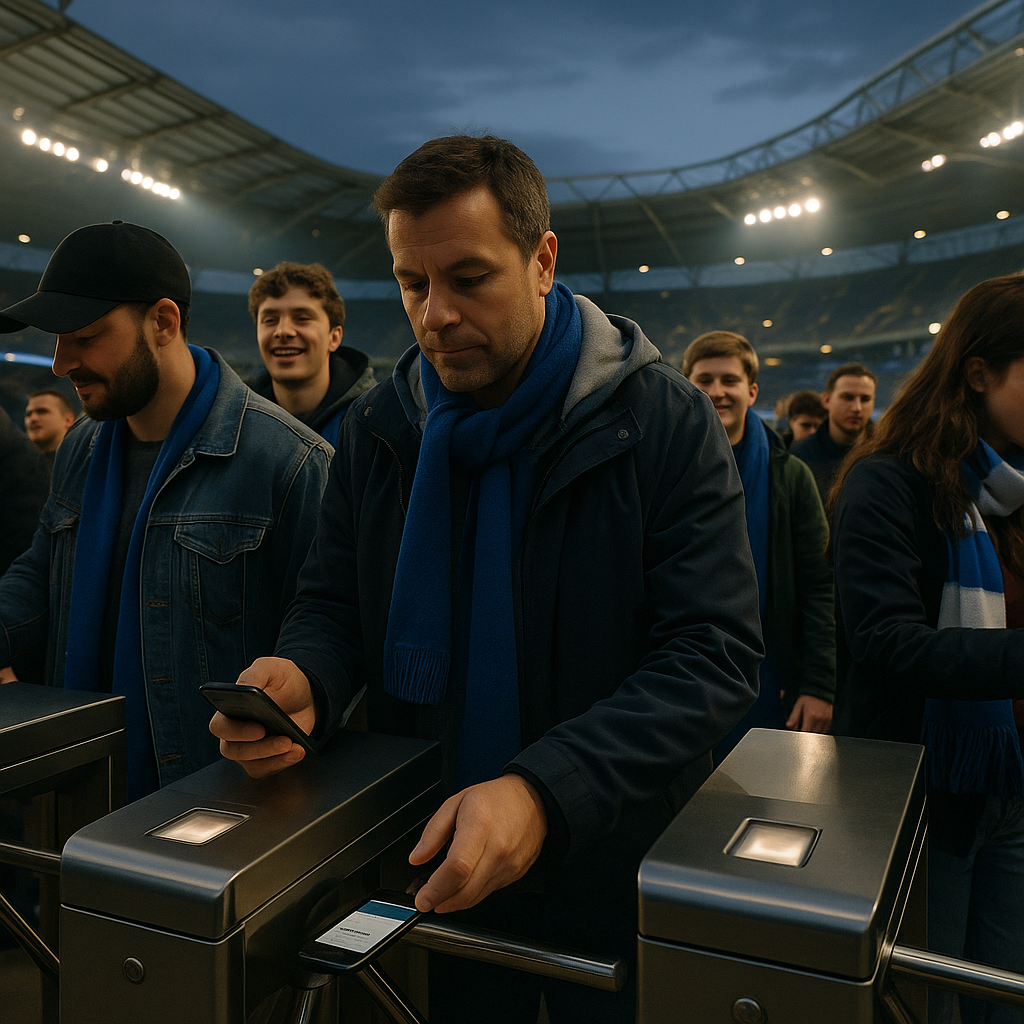
At its simplest, mobile ticketing in sport means your phone becomes your ticket. Instead of posting paper passes or collecting from a box office, clubs send a digital ticket to an app, email or phone wallet. Stewards then scan the code at the turnstile, updating entry in real time.
Behind the scenes, this gives organisers a live picture of who has arrived, which stands are filling up and where queues are forming. For fans, it means fewer lost tickets, easier transfers to friends and a smoother route into the ground.
Why clubs are embracing mobile ticketing in sport
Clubs at every level are leaning into mobile ticketing in sport for a mix of practical and performance reasons:
- Faster entry: Scanners can process digital codes far more quickly than checking names on clipboards or tearing stubs.
- Reduced fraud: Dynamic QR codes that refresh every few minutes make screenshots and duplicates harder to use.
- Lower costs: Less printing, postage and staffing for ticket offices means more budget for facilities and fan services.
- Greener matchdays: Cutting out paper and plastic is an easy win for clubs trying to reduce their environmental impact.
For big events like cup finals or international fixtures, the ability to control and track every seat digitally also makes crowd management safer and more predictable.
How mobile tickets are changing fan behaviour
Mobile ticketing in sport is not just about the gate – it is changing how supporters plan their entire day. With tickets stored in an app, clubs can send live updates on public transport, turnstile queues and kick-off changes. That helps fans time their journey, choose less crowded entrances and spend more time enjoying the build-up instead of standing in line.
Inside the venue, the same app might handle food orders, merchandise discounts or seat upgrades. Some stadiums are testing in-seat delivery triggered from the ticketing app, rewarding early arrivals with exclusive offers. The result is a more personalised matchday that feels closer to a modern festival or concert experience.
Accessibility and digital divide concerns
There are challenges. Not every supporter has a smartphone, reliable data or the confidence to navigate apps. Older fans, families sharing one device and visitors from abroad can all hit snags at the turnstile.
The best clubs are tackling this with hybrid systems: dedicated help desks, optional printed passes, and the ability to share tickets securely with companions who need assistance. Clear pre-match communication is vital so fans know where to go and what to have ready on arrival.
Mobile ticketing and the rise of dynamic pricing
As more fans move to digital passes, clubs are experimenting with flexible pricing. Live data on demand, seat availability and even weather can feed into ticket prices in real time, similar to airline models. That can mean cheaper late deals for less popular fixtures, but also higher prices for blockbuster derbies.
Supporter groups are watching closely to ensure pricing stays fair and transparent. Expect more debate here as technology races ahead of regulation.
The future: smart stadiums and integrated fan journeys
Looking ahead, mobile ticketing in sport is likely to plug into a wider ecosystem. Imagine a single app that handles your travel to the venue, your entry, your food and drink, and even your post-match highlights reel. Wearables and digital IDs could eventually sit alongside phone-based passes as stadiums upgrade their infrastructure.
For now, the basics still matter most: clear instructions, reliable scanners and a backup plan if batteries die. Whether you are heading to a Champions League night or a local 5k, it is worth checking how tickets are delivered and whether you need to download anything in advance or secure your local event tickets early.


Mobile ticketing in sport FAQs
Do I need a smartphone for mobile ticketing in sport?
In most cases you do need a smartphone to use mobile ticketing in sport, as tickets are delivered via apps, email or digital wallets. However, many clubs still offer alternatives such as print-at-home passes or collection from the ticket office for fans without compatible devices. It is best to check the specific guidance from the venue before you travel so you know what options are available.
Is mobile ticketing in sport safe from fraud?
When implemented properly, mobile ticketing in sport can be safer than traditional paper tickets. Dynamic QR codes, secure apps and verified transfer systems make it harder to copy or resell fake tickets. Fans should only buy from official outlets or trusted partners, avoid sharing screenshots on social media and keep their login details private to stay protected.
What if my phone battery dies before I reach the stadium?
Battery anxiety is a real concern with mobile ticketing in sport. To avoid issues, fully charge your phone before you leave, carry a small power bank if you have one and download your ticket to your wallet app so it is accessible offline. Many venues now have support points at entrances that can help look up your booking if there is a genuine technical problem, but this can slow down entry, so preparation is key.
Leave a Reply