
As UK stadiums, leisure centres and community gyms continue to modernise, asbestos safety in sports venues is becoming an increasingly important talking point. Many of the arenas fans love were built or refurbished during decades when asbestos was widely used, and that legacy still needs careful management today.

Why asbestos safety in sports venues is back in the spotlight
From Premier League grounds to local sports halls, a lot of our favourite venues are ageing. Behind the big screens and fresh paint, the core structure of these buildings can still hide asbestos in ceiling tiles, insulation, boiler rooms, plant areas and old changing facilities.
With more clubs upgrading facilities for accessibility, hospitality and fan experience, refurbishment work is constant. Every drill through an old wall or ceiling risks disturbing asbestos-containing materials if they have not been properly surveyed and recorded. That combination of old fabric and new building work is exactly why asbestos safety in sports venues is a live issue rather than a historical footnote.
Where asbestos is most likely to be found in sports facilities
Each site is different, but there are common hotspots where asbestos has historically been used in sporting environments:
- Old boiler rooms and plant rooms serving showers and under-pitch heating
- Ceiling tiles and insulation boards in sports halls and corridors
- Fire doors and partition walls around hospitality boxes and offices
- Roofing materials on stands, clubhouses and indoor training centres
- Pipe lagging in basements, service ducts and swimming pool areas
For players, staff and fans, the day-to-day risk is usually low when asbestos is intact and undisturbed. The real danger comes when maintenance or refurbishment work breaks, drills or saws into those materials without proper controls in place.
Legal responsibilities for clubs and venue operators
Any organisation that manages a stadium, leisure centre or gym has a legal duty to identify and manage asbestos. That means having an up-to-date asbestos survey, a clear management plan and making sure contractors know exactly where asbestos is before they start work.
For professional clubs, this is part of wider health and safety compliance, sitting alongside crowd management, fire safety and pitch maintenance. For smaller community sports clubs that lease older buildings, it can be more confusing, especially when responsibility is shared with local authorities or landlords.
Specialist consultancies, such as Asbestos Compliance Solutions Ltd, typically help venues by carrying out surveys, creating management plans and advising on safe removal when refurbishments are planned. The goal is simple: keep asbestos in good condition, record where it is, and prevent anyone from disturbing it accidentally.
Protecting athletes, staff and fans
From a wellbeing perspective, asbestos safety in sports venues is about more than ticking a compliance box. Athletes and coaching teams spend long hours in training facilities, gyms and treatment rooms. Stewards, bar staff and grounds teams work multiple shifts in back-of-house areas that fans never see.
Making sure these people are not exposed to airborne fibres during routine maintenance or building projects is a core part of a club’s duty of care. Clear signage on restricted areas, controlled access to plant rooms and robust contractor induction processes all play a part.
For fans, reassurance matters too. As more supporters become aware of building safety issues, transparent communication about refurbishment works and venue upgrades can build trust and demonstrate that health is being taken as seriously as on-pitch performance.
What progressive clubs are doing now
Forward-thinking clubs and operators are treating asbestos management as part of a broader facilities strategy. Common steps include:
- Commissioning updated asbestos surveys before any major stand or gym refurbishments
- Digitising asbestos registers so stadium, training ground and leisure centre data is easy to access
- Training facilities and maintenance teams to recognise potential asbestos-containing materials
- Planning phased removal of higher risk materials during off-season periods
This proactive approach helps avoid last-minute project delays, unexpected costs and, crucially, health risks. It also aligns neatly with wider pushes for modern, sustainable and athlete-friendly facilities.
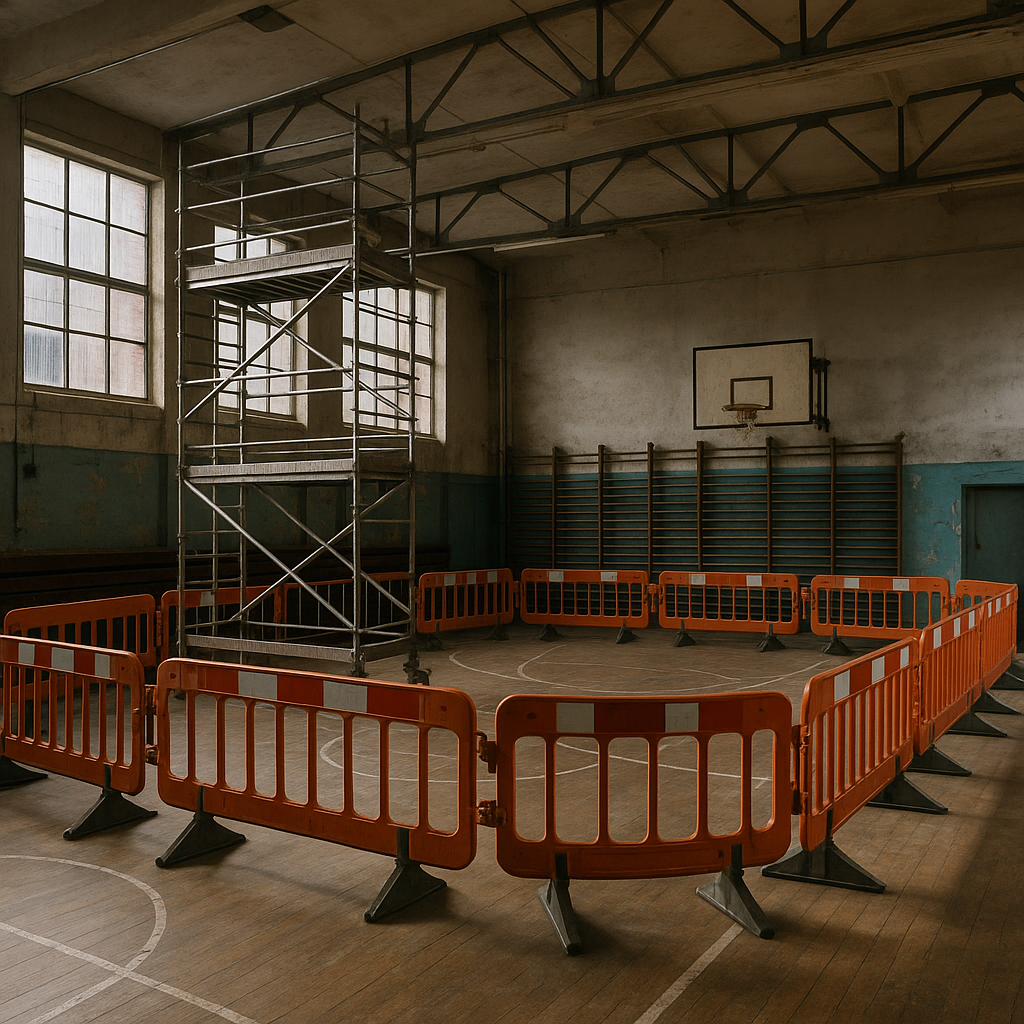

Asbestos safety in sports venues FAQs
Why is asbestos safety in sports venues still an issue today?
Many stadiums, leisure centres and gyms were built or refurbished when asbestos was commonly used in insulation, roofing and fire protection. Even though asbestos is now banned, those materials can still be present in older buildings. As venues modernise and carry out refurbishments, there is a renewed risk of disturbing asbestos if it is not properly identified and managed.
Who is responsible for managing asbestos in a sports venue?
The duty holder is usually the organisation that manages or controls the building, which might be a club, local authority, school or private operator. They must ensure there is an asbestos survey, a management plan and clear information for anyone carrying out maintenance or building work. Contractors must then follow the controls specified in that plan.
How can clubs reduce asbestos risks during refurbishments?
Clubs can reduce risk by commissioning updated asbestos surveys before work starts, sharing asbestos information with contractors, and scheduling high risk removal during quieter periods. Using licensed asbestos contractors, restricting access to work zones and monitoring air quality where necessary all help protect players, staff and fans during refurbishment projects.