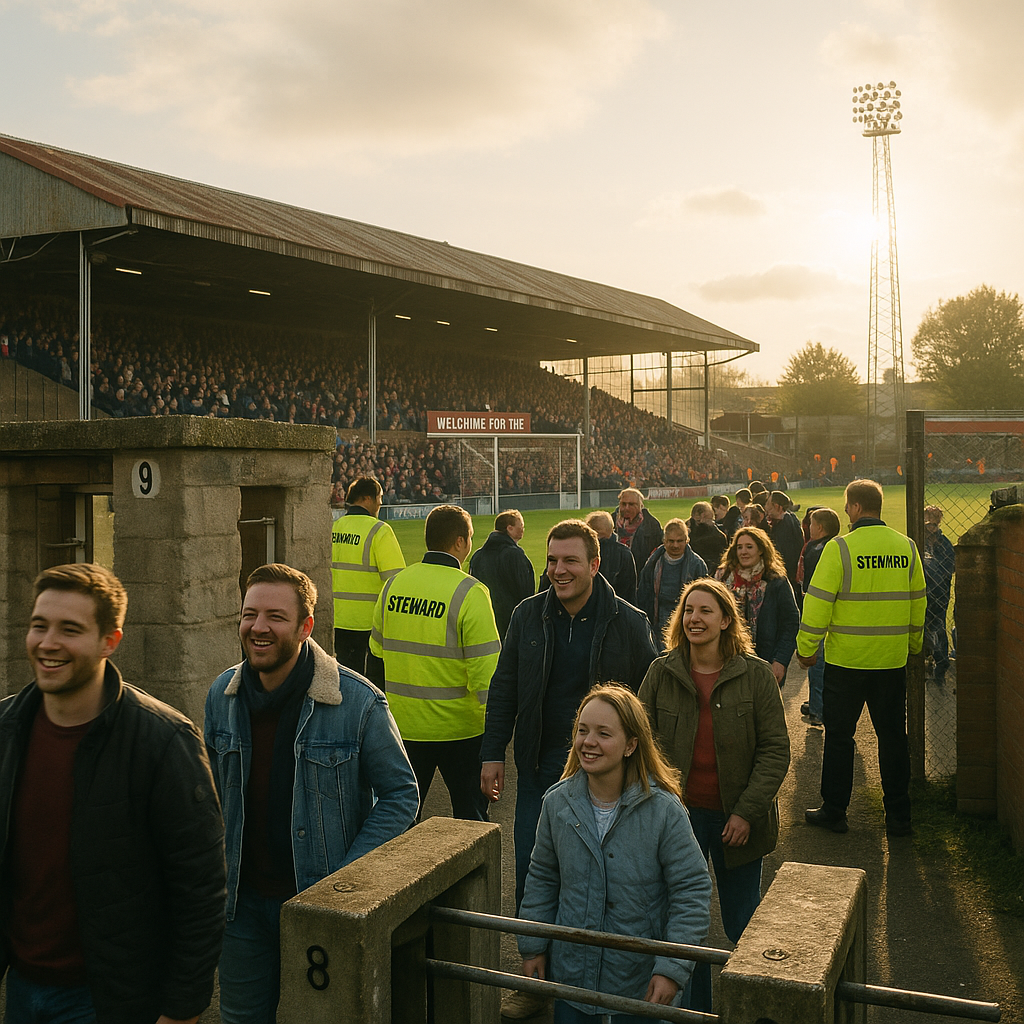
Walk through the centre of most British towns and there’s a reasonable chance you’ll pass the ghost of a leisure centre. Boarded-up pools, padlocked squash courts, shuttered gyms. The Local Government Association estimated that over 400 publicly funded leisure facilities closed between 2010 and 2024, a direct consequence of sustained cuts to council budgets. But something different is happening now. Across England, Scotland and Wales, local authorities are reaching into a new funding toolkit, Sport England grants, the UK Shared Prosperity Fund, Levelling Up allocations, and building a genuinely different type of facility: the community sports hub. These aren’t just leisure centres with a fresh lick of paint. They’re multi-sport, multi-use venues designed from the ground up for the way people actually move in 2026.
Why the old leisure centre model stopped working
The traditional leisure centre, big pool, ageing gym, one multipurpose sports hall, was expensive to heat, expensive to staff and, frankly, expensive to use. Running costs per square metre were brutal. When councils had to choose between social care and a swimming pool, the pool lost. By 2023, the BBC was reporting that communities from Hartlepool to Hereford had lost their only public swimming facility within five years. The knock-on effect on grassroots fitness and community health was significant. Public Health England data showed physical inactivity costs the NHS roughly £7.4 billion a year. Closing facilities wasn’t saving money in any honest long-term accounting.
What councils have started to realise, partly through pressure from Sport England’s funding conditions, is that the replacement model needs to be leaner and more flexible. A building that hosts football, padel, wheelchair basketball, yoga classes and a community café on the same site is a completely different financial proposition to a single-use swimming pool. Shared operational costs, mixed-revenue streams, community ownership models, these are the building blocks of the new wave.
Which areas are leading the way with community sports hubs UK 2026
A few places are worth highlighting. Leeds City Council opened the East Leeds Community Sport Hub in early 2026, a £12 million facility funded partly through Sport England’s Place Partnership programme. It includes a three-court sports hall, a strength and conditioning gym, three outdoor 3G pitches, padel courts and a dedicated athletics track. Crucially, it also has a community health suite where local NHS services run weekly clinics. The co-location of sport and health provision in a single building is something I’d argue will become the standard template, not the exception.
In Wales, Cardiff Council has partnered with Welsh Government on the Splott Community Sports Complex, a £9.5 million project that replaced a closed leisure centre with facilities designed alongside the local community. Residents were consulted on everything from opening hours to which sports would be prioritised. Mountain biking coaching, street dance, boccia for disabled residents and traditional five-a-side football all made the cut. That breadth of provision is the point.
Scotland has its own trajectory. Glasgow Life, the charity that manages sport and leisure on behalf of Glasgow City Council, has been consolidating older sites into larger, better-equipped community hubs, with the Drumchapel Hub and the Tollcross Community Hub both receiving significant investment since 2024. The Scottish Government’s Active Travel and Sport Fund has supported several of these projects directly.
What facilities are typically included in a modern community hub
No two hubs are identical, which is part of their strength. That said, Sport England’s Place Partnership and Multi-Sport Grassroots Facilities programmes have created some common patterns. Expect to find: a minimum of a two-court sports hall capable of running badminton, basketball and indoor football simultaneously; a functional fitness gym replacing the old row-of-treadmills model; at least two outdoor 3G or 4G artificial pitches with floodlighting; and, increasingly, padel courts, the sport’s rapid growth in the UK means councils are treating courts as footfall drivers. Many hubs also include dedicated spaces for disability sport, which was often an afterthought in older facilities.
The technology layer is worth mentioning too. Several of the newer hubs are installing AI cameras to monitor movement and help prevent pitch-side injuries, particularly on 3G surfaces where overuse injuries have historically been a concern. Courts and pitches at some hubs are bookable through apps, with dynamic pricing to keep peak-time slots accessible for community groups rather than purely corporate bookings.
If you’re looking for a wider comparison of what well-equipped multi-sport facilities look like across the country, the UK’s best multi-sport indoor complexes for winter training is worth a read alongside this piece, some of the private sector venues set a useful benchmark for what’s now being replicated publicly.
How residents can actually access these hubs
Access structures vary, and this is where things get genuinely interesting. The old leisure centre model charged full commercial rates and offered memberships that excluded lower-income residents in practice, whatever the policy said on paper. The new hubs are trying something different. Many operate tiered pricing tied to local authority benefit records, if you’re receiving Universal Credit, housing benefit or a free school meal, you access the facility at a heavily subsidised rate, sometimes as low as £1 per session. Sheffield’s community sport hub pilot, running since autumn 2025, has processed over 3,000 sessions at subsidised rates in its first six months.
Community organisations and local sports clubs can often block-book facilities at significantly reduced rates, which means grassroots football clubs, running clubs and disability sport organisations are getting access that commercial gyms would never offer them. Some hubs are also trialling a ‘pay what you can’ session once a week for general gym use, which keeps the space genuinely open rather than theoretically open.
Booking is almost universally done online or through an app now. A few hubs still maintain a phone line for residents who need it, and there’s usually a reception desk for first-time visitors who need a tour. My advice: check your local council’s leisure pages directly, as the Sport England facility finder at sportengland.org also lists funded projects in your area.
The bigger picture: sport as infrastructure
There’s a shift in how councils are framing these investments. Sport used to be treated as a discretionary service, something that got cut when finances tightened. The argument being made now, and it’s backed by decent evidence from Public Health England and the Office for Health Improvements and Disparities, is that accessible sport infrastructure reduces NHS demand, reduces anti-social behaviour and improves employment outcomes. When you frame a sports hub as health infrastructure, the business case looks very different.
This reframing also helps explain why some hubs are incorporating things you wouldn’t have found in a 1990s leisure centre: mindfulness rooms, mental health drop-in sessions, community kitchens. The hub model is trying to be a community anchor, not just a place to play five-a-side. And given the research showing that social isolation is one of the biggest drivers of physical inactivity, that broader scope makes sense.
For anyone interested in how the sports and fitness world is evolving at grassroots level, keeping an eye on the new community sports hubs UK 2026 pipeline is worth doing. The next few years will tell us whether this model can genuinely fill the gap left by a decade of leisure centre closures. I think it can, if the funding holds. The ambition is certainly there.
Incidentally, if your local hub runs walking football sessions or disability sport programmes, those are often the fastest-growing sessions in terms of demand right now. The grassroots fitness habit is real, and these hubs are becoming the infrastructure that supports it.