

There is a growing movement in British sport that has nothing to do with wearable tech, personalised nutrition or high-intensity intervals. It is quieter than all of that. Slower. It involves a narrowboat, a pair of lock gates, and the deliberate decision to go absolutely nowhere fast. Active recovery travel is picking up real traction among UK athletes who have worked out that the space between training blocks is not dead time to be filled, it is a physiological necessity to be respected.
I have spoken to runners, cyclists and footballers over the past year who have all described the same experience: they came back from a slow-travel break moving better, sleeping better and, crucially, wanting to train again. That last part matters more than people admit.
What does “active recovery” actually mean physiologically?
The term gets used loosely, so it is worth being precise. Active recovery sits between full rest (doing nothing) and light training (structured, progressive work). The goal is to maintain blood flow to fatigued muscles, clear metabolic waste products like lactate and creatine kinase, and keep the parasympathetic nervous system dominant, the branch of your autonomic nervous system responsible for repair, digestion and hormone regulation.
Research published in the BBC Sport science section has highlighted that elite athletes who schedule deliberate low-stimulus recovery weeks between training phases consistently return to baseline fitness faster than those who try to train through fatigue. The physiological window for this is roughly four to ten days. Long enough to genuinely rest, short enough not to lose meaningful cardiovascular conditioning.
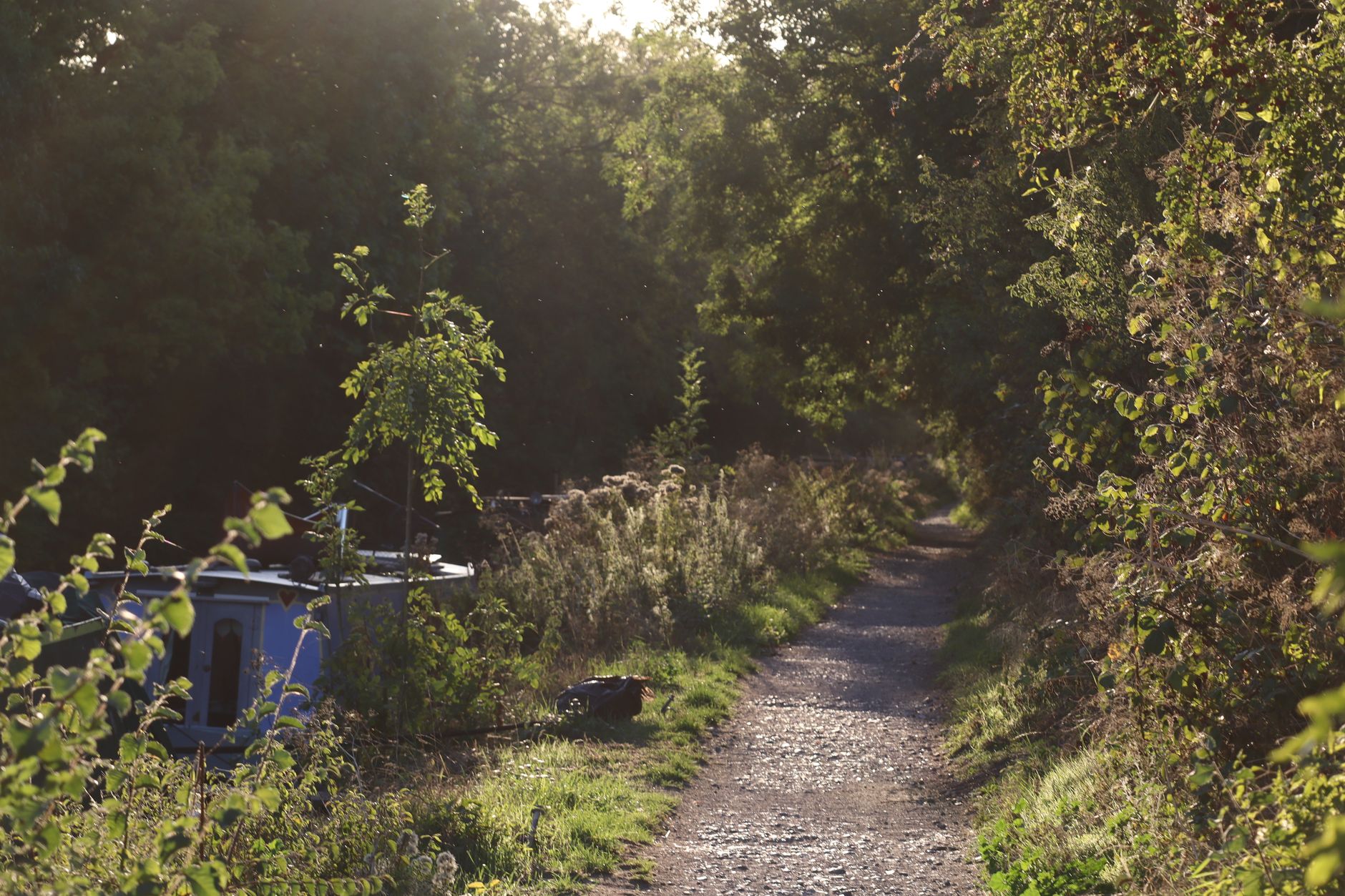
Walking along a towpath at three miles per hour, steering a 57-foot narrowboat through a lock, or cycling gently between moorings, these are not training sessions. They are movement snacks. Low intensity, low impact, and psychologically uncomplicated. That combination is exactly what overloaded athletes need.
Why low-stimulus environments help the brain as much as the body
Structured sport is cognitively taxing in ways that recreational athletes often underestimate. Every session involves decision-making, tactical awareness, performance monitoring and emotional investment. Even the data side of modern training, GPS vests, heart rate zones, power output, creates a constant feedback loop that keeps the prefrontal cortex engaged.
Stepping away from all of that is not indulgence. It is neurological maintenance. Studies from sports psychology departments at Loughborough University have pointed to “attentional fatigue” as a genuine performance limiter, athletes who cannot switch off between sessions accumulate cognitive load that blunts reaction time and decision-making when they return to competition. Getting away from screens, schedules and coaching apps gives the brain a chance to consolidate learning and reset baseline arousal levels.
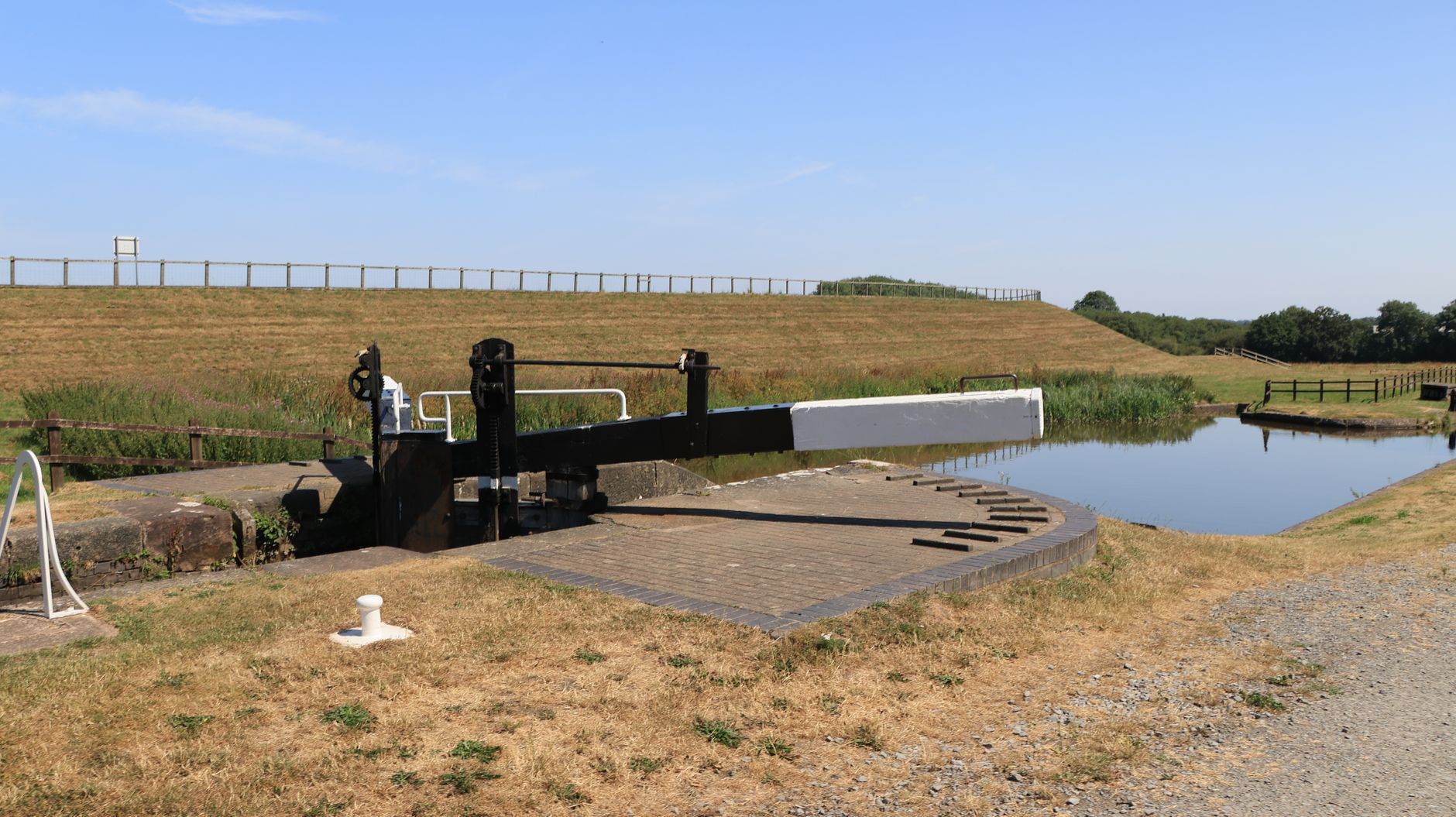
A UK canal boat holiday delivers this in a particularly clean way. There is no Wi-Fi dependency, the pace is fixed by the waterway itself, and the environment asks very little of you. You notice the light changing on the water. You work the locks as a physical task that feels satisfying rather than pressured. It is, in effect, the anti-training camp.
The movement case: why total rest is not the answer
Here is the part that surprises some athletes. Complete rest, doing nothing for a week, is rarely optimal during a planned recovery block. The body responds to total inactivity with minor deconditioning even within seven days: capillary density drops slightly, plasma volume decreases, and psychological restlessness often sets in by day three, particularly in athletes with a high training age.
Light movement on a canal break threads the needle perfectly. Mooring and casting off involves rope work and functional upper-body effort. Walking between locks covers two to five miles on most touring days without any of the joint loading that comes from running. Steering requires postural engagement. None of this registers as exercise in the traditional sense, but it keeps the body gently active in a way that supports recovery rather than disrupting it.
Cyclists in particular have picked up on this. Several amateur sportive riders I know treat the Kennet and Avon Canal or the Shropshire Union as a post-season ritual. They bring their bikes, cycle short sections of the towpath between moorings, and treat the rest of the day as genuine downtime. It maps cleanly onto what sports scientists call “active rest”, structured enough to maintain movement habits, unstructured enough to feel like a break.
This approach has obvious overlap with the hiking-as-cross-training philosophy that more UK athletes are embracing. If you have read our piece on hiking as cross-training for UK trail walkers, the logic transfers directly, low-intensity, high-enjoyment movement in a natural environment does things for recovery that a gym cannot replicate.
Mental decompression and the return to sport motivation
Motivation is training’s forgotten currency. You can have a perfect programme, excellent nutrition and good sleep hygiene, but if you are mentally burnt out from competition, you will underperform. Overtraining syndrome has a psychological component that is just as real as the physical one, and UK sports psychologists are increasingly flagging motivational depletion as a reason mid-season athletes plateau or disengage.
I have experienced this myself. A few years back, after a particularly relentless five-month football season, I could not face another structured session. The break that actually fixed it was not a week in front of the television, it was four days on the water near the Llangollen Canal, barely thinking about sport at all. By day three I was genuinely excited about pre-season. By day four I was already planning intervals. That is what proper mental decompression does.
The connection between this kind of recovery and broader wellbeing is real. Our earlier piece on the mental health benefits of team sport outlines how regular physical participation supports psychological resilience, but that resilience needs topping up, and structured rest is part of how athletes stay in the game long term.
Planning an active recovery break that actually works
The key is intention. An active recovery travel week only delivers if it is genuinely lower in stimulus than normal training. That means no competitive activities, no performance tracking beyond basic step counting, and a deliberate move away from training-related apps and communities for the duration.
Pick a waterway with good towpath access if cycling or walking between sections appeals. The Grand Union Canal has brilliant connectivity across the Midlands. The Peak Forest Canal in the North West offers easy access to surrounding hills if you want a day’s walking in the mix. The Broads in Norfolk are a slightly different proposition, wider water, more sailing options, but deliver the same low-stimulus environment.
Keep alcohol sensible. Recovery physiology depends on sleep quality, and a string of late nights on the water undermines the whole physiological purpose of the break. Prioritise protein intake, muscle protein synthesis continues during recovery phases and needs substrate, and try to maintain a consistent sleep schedule even if the setting is relaxed. Those three habits mean you come back to training in a meaningfully better state than if you simply switched off entirely.
British athletes have a habit of treating rest as weakness. It is not. It is the other half of the adaptation equation, and the most successful long-term performers in any sport have always understood that. Slowing down, deliberately and strategically, is one of the smarter performance decisions you can make.
Leave a Reply