

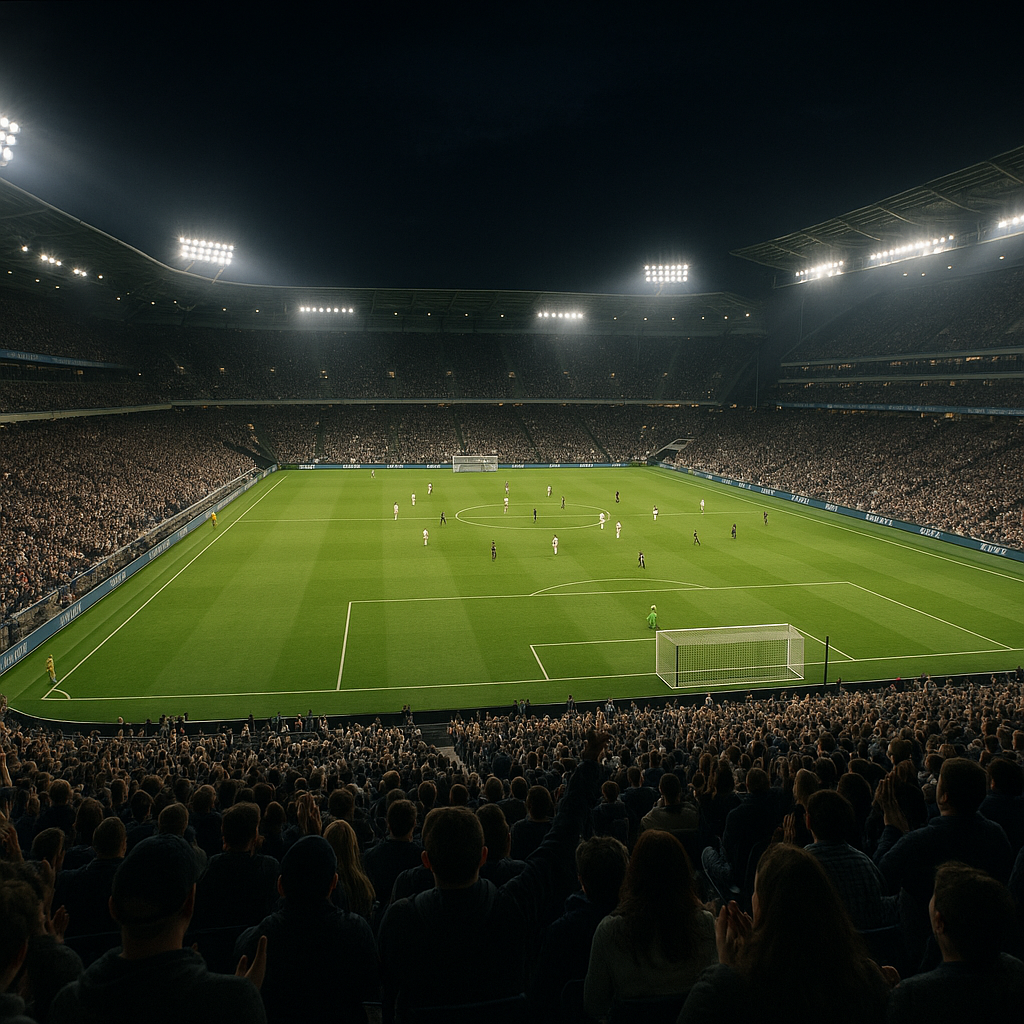
Stadium lighting design is quietly becoming one of the biggest game changers in night-time football and other elite sports. From grassroots grounds upgrading their floodlights to mega arenas hosting global tournaments, the science of how pitches are lit now affects everything from player performance to fan experience and TV broadcast quality.
Why stadium lighting design matters more than ever
Modern sport is built around prime-time kick-offs and packed fixture lists, which means more matches under lights than in natural daylight. That makes stadium lighting design a serious performance factor, not just a cosmetic upgrade. Poorly lit pitches can distort depth perception, slow reaction times and even increase the risk of injury when players misjudge the flight of the ball or the position of opponents.
For fans, the difference between old-school orange-tinted floodlights and the latest LED systems is huge. Cleaner, whiter light improves visibility across the pitch, makes kits easier to distinguish and gives photos and social posts that crisp, high-definition look everyone expects. Broadcasters also rely on consistent illumination to capture ultra slow-motion replays and VR-style graphics without flicker or glare.
Key elements of modern stadium lighting design
The latest generation of stadium lighting design focuses on precision and control rather than just raw brightness. Engineers now model how every beam of light will fall on the pitch, stands and surrounding areas using advanced software before a single fitting is installed.
Uniformity is a big priority. It is no use having one blazing hotspot in the centre circle if the corners are in semi-shadow. Elite standards now demand tight limits on how much light levels can vary across the playing area, so players experience the same visibility whether they are defending, attacking or taking a corner.
Colour temperature and colour rendering are just as important. Neutral white light helps the human eye track fast movement and subtle changes in spin on the ball, while high colour rendering makes kits, skin tones and even the turf itself look natural on screen. That is why LED systems have rapidly overtaken older metal halide lamps in most new projects.
Smart controls and energy conscious upgrades
Behind the scenes, smart control systems are reshaping how clubs manage their lighting. Instead of a simple on or off switch, operators can now run pre-set scenes for training, warm ups, match play, post-match clean up and even concerts. Light levels can be dialled up for TV broadcasts or toned down to save energy when only a portion of the stadium is in use.
Many clubs pair lighting projects with wider sustainability goals, replacing outdated floodlights with efficient LEDs that dramatically cut electricity use and maintenance. The same thinking is filtering into training centres and even players’ homes, where controlled light and shade – from blackout curtains to wooden venetian blinds – is used to support sleep and recovery cycles around evening fixtures and long-haul travel.
How lighting affects players and performance
Sports scientists are increasingly interested in how light influences reaction times, decision making and fatigue. Consistent, glare free lighting reduces eye strain, which can help players maintain focus deep into extra time. Goalkeepers, in particular, benefit from well positioned fittings that minimise direct glare when they look up to track high balls or crosses.
Training under match realistic lighting conditions is becoming more common too. If a team regularly plays late evening fixtures, coaches want players to be used to the exact look and feel of the pitch under lights. That includes shadows, reflections on wet turf and how the ball appears in the air against a dark sky.
Fan experience and the show around the show
For supporters, the night match experience now goes far beyond simply seeing the action. Dynamic lighting sequences can accompany player walk outs, goal celebrations and full time moments, turning a standard fixture into a full stadium show. Carefully programmed colour washes can match club colours, national flags or even charity campaigns.


Stadium lighting design FAQs
What makes good stadium lighting design for football?
Good stadium lighting design delivers bright but comfortable illumination with excellent uniformity across the whole pitch, minimal glare for players and officials, and natural looking colours for fans and broadcasters. Modern systems use LED fittings, detailed computer modelling and smart controls to achieve consistent light levels that support performance and provide a clear, high quality viewing experience from every seat.
Why are LED lights popular in stadium lighting design?
LED technology is popular in stadium lighting design because it offers high energy efficiency, long lifespan and precise control over brightness and colour. LEDs switch on instantly, work well with dynamic light shows and can be dimmed or adjusted in zones for training, matches or events. They also maintain consistent colour and intensity over time, which is vital for TV broadcasts and professional photography.
How does stadium lighting design affect TV broadcasts?
TV broadcasters rely on high quality stadium lighting design to capture clear, flicker free images from multiple camera angles. Consistent light levels prevent dark patches on the pitch, while accurate colour rendering ensures kits, skin tones and graphics look natural. Well designed systems reduce shadows and glare, making slow motion replays, aerial shots and close ups sharper and easier for viewers to follow at home.
Leave a Reply