
There is a quiet revolution happening in British sport this off-season, and it does not involve foam rollers or protein shakes. Across the country, recreational runners, weekend rugby players, club cyclists and semi-professional footballers are picking up spades instead of barbells. Allotment cross-training, using the physical demands of growing your own food as a legitimate fitness method, is gaining real traction, and the sports science behind it is more compelling than you might expect.
I’ve spoken to a handful of coaches and club athletes over the past few months, and the pattern is striking. People are tired of staring at the same gym walls during downtime, and they want movement that feels purposeful. Digging a raised bed, carrying compost bags across a plot, hauling wheelbarrows, and dropping into deep squats to plant seedlings, it turns out these movements map almost perfectly onto the functional movement patterns that strength and conditioning coaches spend good money trying to replicate indoors.
What does allotment work actually do for your body?
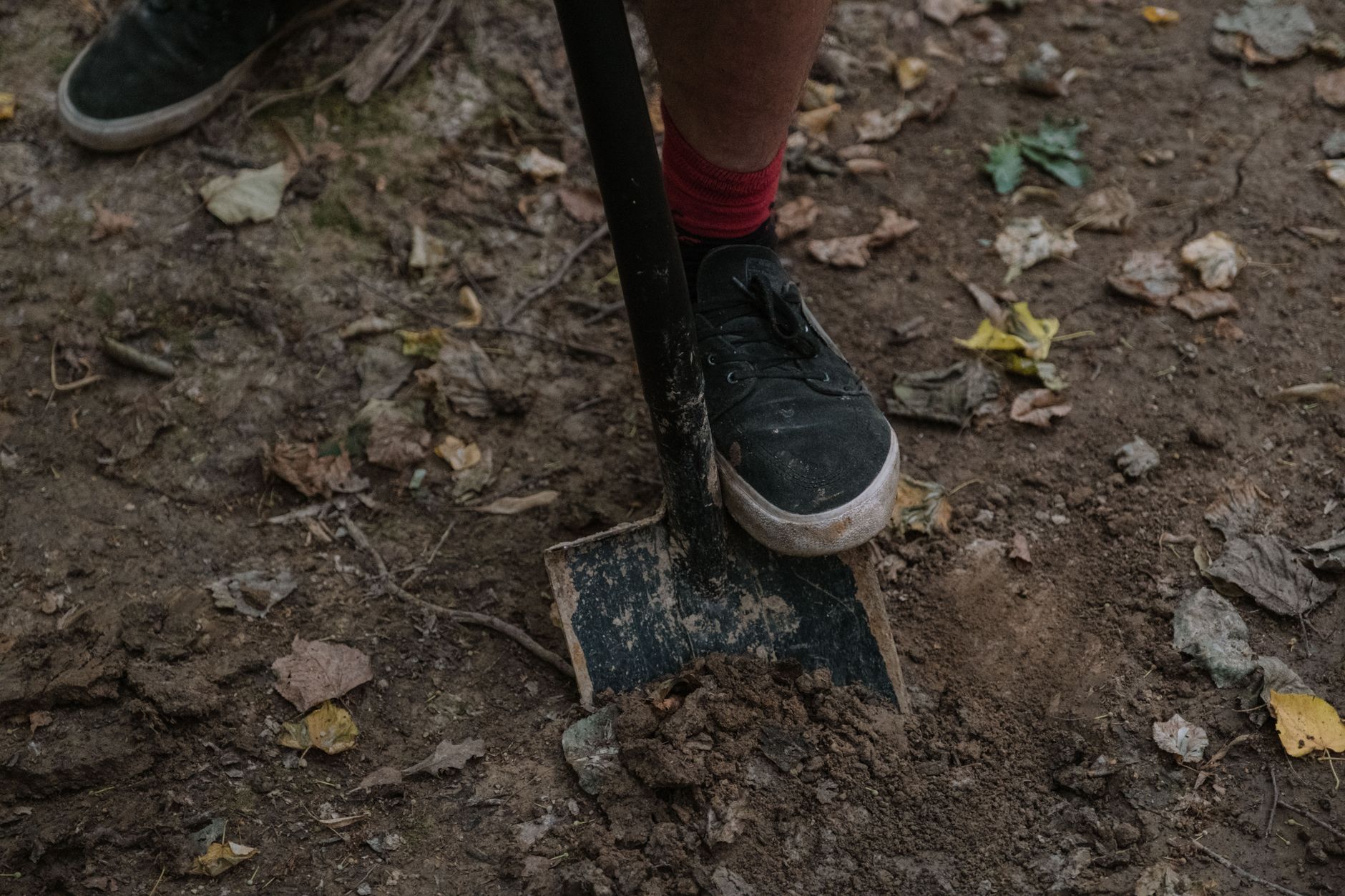
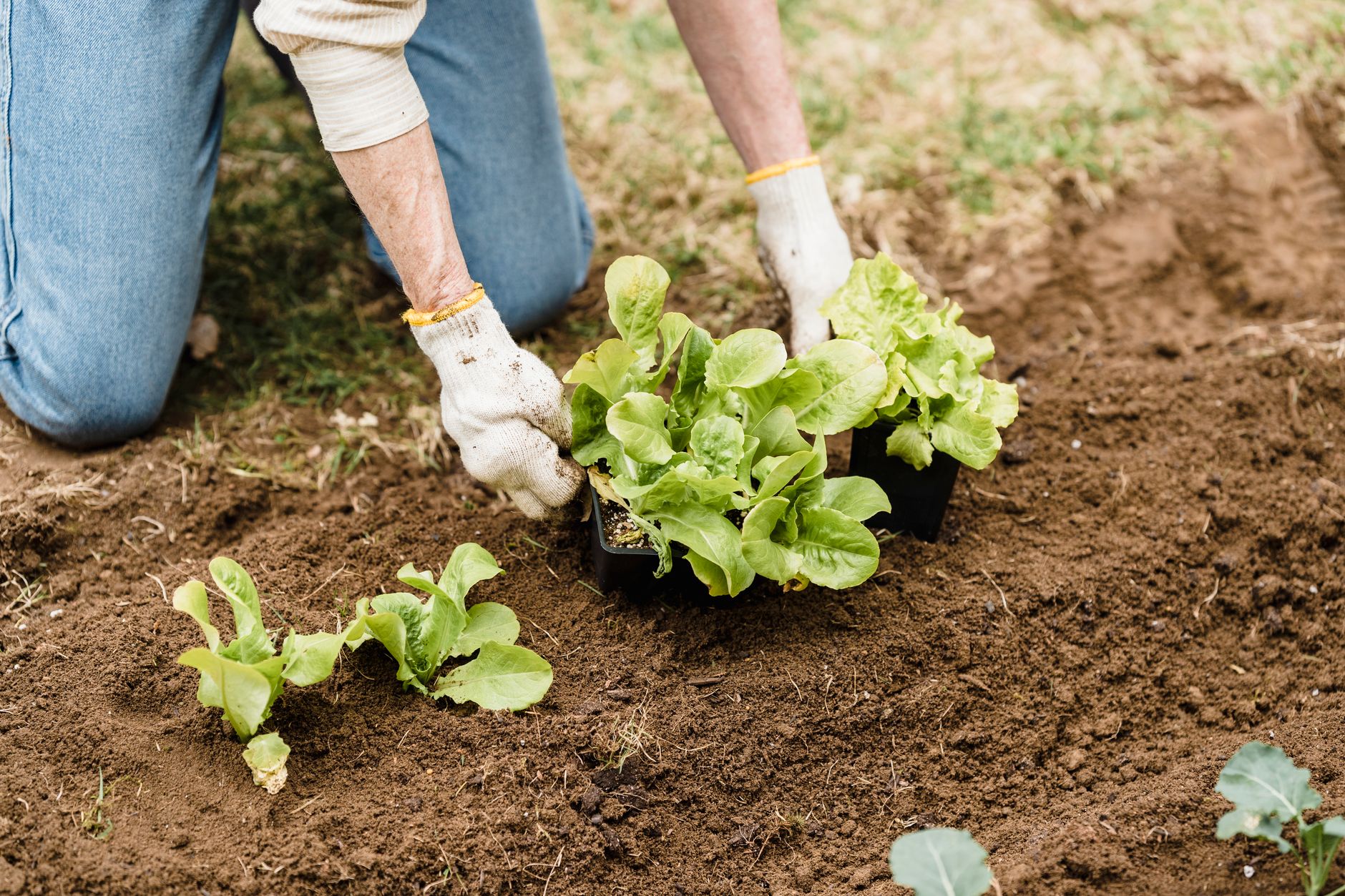
Functional movement is the backbone of athletic conditioning. The squat, the hinge, the carry, the push, the pull, these are the patterns that underpin performance in virtually every sport. Walk around an allotment site for a couple of hours and you will hit most of them without thinking. Digging is a compound hinge and pull. Carrying a loaded trug or bag of compost is a farmer’s carry. Raking is a horizontal pull. Shovelling requires rotational power through the core. Kneeling and rising repeatedly to plant is an unloaded single-leg movement. Taken together, it is a full-body session in all but name.
Dr Carolyn Mahon, a sports physiotherapist who works with club-level triathletes in Yorkshire, told the BBC Sport website earlier this year that she actively encourages some of her athletes to use outdoor manual labour during easy weeks. Her view is that variable, unstructured physical work gives connective tissue, tendons and stabiliser muscles a stimulus that structured gym sessions simply do not replicate. The load is irregular, the terrain is uneven, and the body has to constantly micro-adjust. That is enormously valuable for injury resilience.
The off-season problem that allotments actually solve
Most recreational athletes handle the off-season badly. They either train through it and accumulate fatigue, or they stop entirely and lose base fitness. Neither is ideal. What coaches call active recovery, low-intensity movement that keeps the body ticking without adding meaningful training stress, is genuinely difficult to sustain when motivation is low and the weather is grim.
This is precisely where an allotment or kitchen garden earns its keep. The motivation to get outside is baked in. You have got seeds to sow, beds to turn, paths to clear. There is a tangible outcome waiting for you that has nothing to do with performance data or PBs. That psychological distance from sport is, paradoxically, exactly what an off-season body needs. I’d compare it loosely to what I wrote about in the context of hiking as cross-training for UK trail walkers treating the fells as a fitness facility, the body does not care whether you call it training. It just responds to load and movement.
Who is actually doing this?
The trend cuts across a surprisingly wide range of athlete types. According to the National Allotment Society, waiting lists for plots in England reached record highs in 2025, with over 150,000 people on council waiting lists. A notable chunk of new applicants are in their 20s and 30s, the exact demographic most likely to be club-level athletes looking for something meaningful to do with their hands during the winter months.
Cross-fit communities in Bristol and Manchester have started organising what they loosely call “land days”, group sessions on shared growing plots where the workout is entirely task-based. No reps, no sets, no timers. Just work. Semi-professional rugby clubs in the north of England have reportedly incorporated allotment volunteering into their community engagement programmes, with the dual benefit of local goodwill and genuinely useful physical activity for fringe squad players managing load.
The cultural backdrop matters here too. Britain has developed a deep relationship with outdoor growing over the past few years, fuelled partly by cost-of-living pressures, partly by a post-pandemic reconnection with outdoor space. For an interesting take on how this shift is rippling outward into lifestyle choices, it is worth reading a related article, the allotment aesthetic: how britain’s growing obsession with outdoor living is quietly reshaping uk fashion, the cultural context it provides explains a lot about why the allotment is suddenly cool again, not just practical.
The functional movement case, by the numbers
A two-hour active gardening session burns between 400 and 600 kilocalories depending on intensity and body weight, according to data from the British Heart Foundation. That puts it broadly in line with a moderate gym session or a casual 10km run. More relevant for athletes is the muscular demand. A 2023 study from the University of Exeter found that digging and soil-turning activates the gluteus maximus, erector spinae and quadriceps to a comparable degree as loaded Romanian deadlifts performed at 50-60% of one-rep max. For off-season maintenance, that is a genuinely useful stimulus.
The grip strength component should not be dismissed either. Raking, digging and carrying tools requires sustained forearm and hand strength that most gym programmes neglect. For climbers, tennis players, rowers and martial artists, this is particularly relevant. My take is that any training modality which improves grip strength as a side-effect, rather than as a deliberate isolated exercise, is worth a second look.
How to structure allotment training so it actually works
If you want to use your plot deliberately rather than just incidentally, a few principles help. Treat heavier tasks, digging new beds, turning compost, moving substrate, as your strength work, and keep those sessions to 60-90 minutes maximum. Lighter tasks like sowing, weeding and watering are your active recovery days. Vary the grip and body position regularly to avoid repetitive strain; allotment injuries, when they happen, are almost always caused by doing the same movement for too long without variation.
Warm up as you would before any session. A few minutes of hip circles, thoracic rotations and wrist mobility before you pick up a spade makes a real difference, especially on cold mornings. And if you are using an allotment as a deliberate part of your off-season block, log it. Noting what you did and for how long helps you track overall load across the week and makes sure you are not inadvertently adding stress when you should be recovering.
For athletes who are already thinking carefully about recovery as a training tool, this pairs well with the broader approach covered in the piece on slow travel as active recovery for UK athletes between training blocks. The philosophy is the same: keep the body moving, keep the mind away from performance pressure, and let the adaptation happen quietly.
Getting started if you do not have a plot
Council allotment waiting lists are long, but not the only option. Community growing projects run by local councils and charities often welcome volunteers with no waiting period. Some National Trust properties run working volunteer days on their kitchen garden estates, these are particularly well-suited to athletes because the physical demands are high and the sessions are well-organised. Apps like Landshare and community Facebook groups also connect people with garden owners who need physical help in exchange for shared growing space.
You do not need half an acre to feel the benefit, either. A raised bed in a back garden delivers many of the same movement patterns at a smaller scale. The point is purposeful physical work outdoors, not horticultural expertise. If anything, going at it as a complete beginner is an advantage, you will move more cautiously, vary your approach, and avoid the repetitive strain that experienced gardeners sometimes develop through muscle memory and habit.
British sport has always been good at finding unconventional ways to stay sharp. From hillwalking to canal paddling, the off-season is increasingly becoming a time for athletes to reconnect with physical work that does not feel like training. Allotment cross-training fits that pattern exactly. Dig in.
Frequently Asked Questions
Is gardening actually a good substitute for gym training during the off-season?
For low-to-moderate intensity maintenance work, yes. Digging, carrying and squatting activate the same major muscle groups as many gym exercises, making it a solid active recovery option. It will not replace high-intensity conditioning, but it maintains functional strength and mobility between training blocks.
How many calories does an allotment session burn?
A two-hour active gardening session typically burns between 400 and 600 kilocalories, depending on your body weight and how heavy the tasks are. Digging and hauling sit at the higher end; lighter tasks like sowing and weeding are closer to a brisk walk in terms of energy expenditure.
What sports benefit most from allotment cross-training?
Sports that rely on grip strength, rotational power and lower-body stability benefit particularly well, these include rowing, climbing, rugby, tennis and trail running. The irregular, multi-directional load of garden work also strengthens stabiliser muscles that structured training often misses.