
Beach volleyball in the UK has come a long way from a handful of nets on Brighton seafront. Right now, the sport is growing at a pace that would have surprised even its biggest fans five years ago, with purpose-built sand courts appearing in landlocked cities, competitive leagues forming in town centres, and fitness-conscious players ditching the gym for an hour of sand-diving instead. I’ve been watching this trend build for a while, and honestly, it feels like the moment the sport has been waiting for.
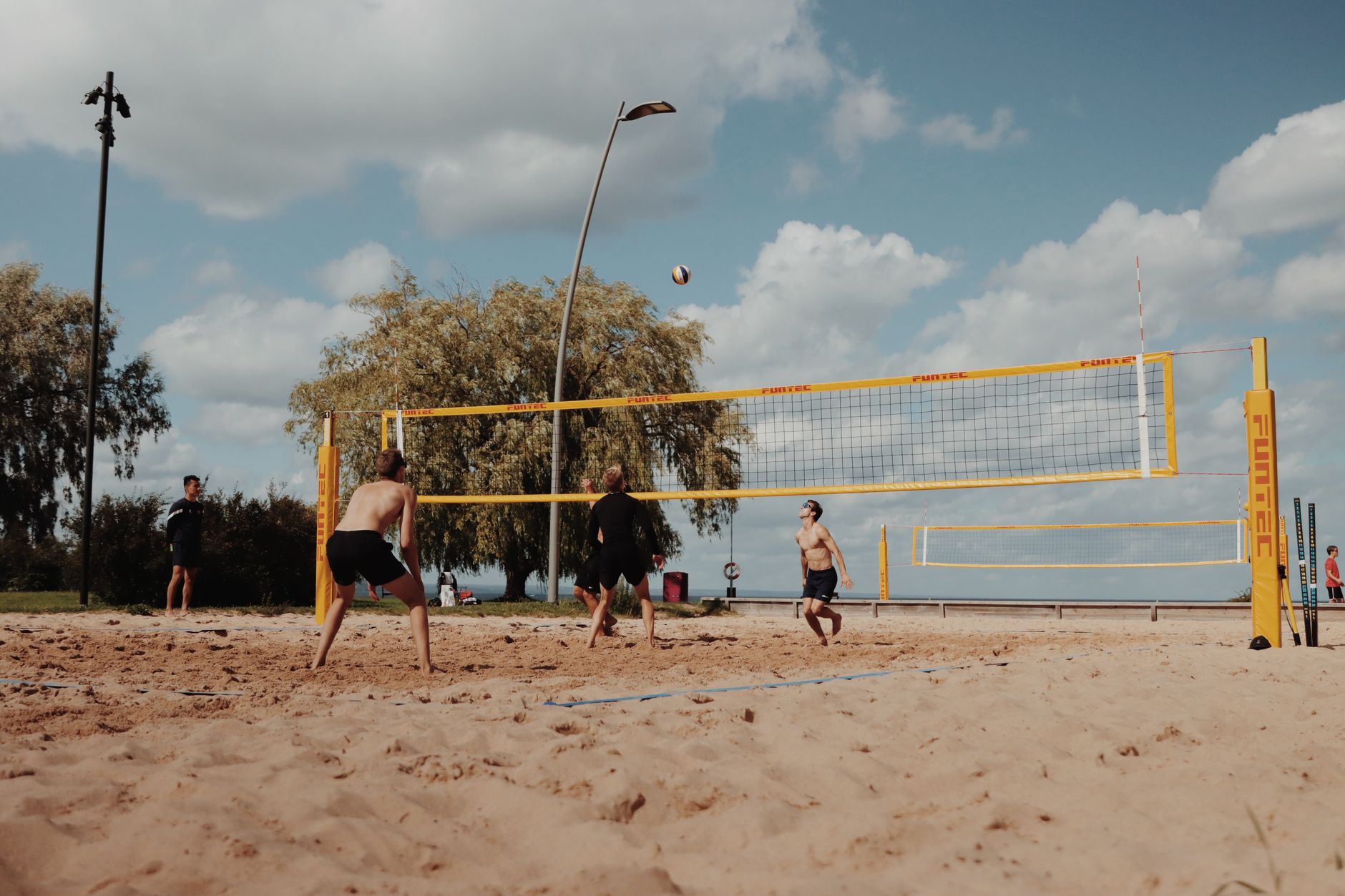
Where UK beach volleyball courts are popping up
The obvious starting point is the coast. Bournemouth has long had one of the most active beach volleyball scenes in the country, with regular sessions running from spring through to autumn and organised competitions attracting players from across the south. Brighton is similar, with a tight-knit club community using the seafront courts throughout the summer months. But the genuinely interesting development is what’s happening inland.
Birmingham opened dedicated urban sand courts as part of wider public sport investment linked to the legacy of the 2022 Commonwealth Games. Those courts, used for official competition during the Games, are now accessible for community sessions and club training. Leeds has followed a similar path, with sand courts installed at leisure facilities that offer both casual play and beginner sessions. Manchester, Nottingham and Edinburgh all now have indoor or permanent outdoor sand courts within club facilities. According to BBC Sport’s volleyball coverage, club membership in the UK has risen steadily since the Commonwealth Games put the sport on mainstream television screens.
Volleyball England, the sport’s national governing body, has been pushing hard to convert that visibility into participation numbers. They’ve worked with local authorities to fund sand installations and run taster programmes, and the results are visible. My read is that the Commonwealth Games effect is real, and it’s lasting longer than the usual post-event bump.
What makes beach volleyball so physically demanding
Playing on sand changes everything. Compared to indoor volleyball on a hard court, sand surface training increases the energy cost of every single movement. Your legs are working harder with every step, jump, and lateral shuffle because the surface absorbs force rather than returning it. Research cited by sports scientists suggests the calorie expenditure during beach volleyball can be 30 to 40 per cent higher than the indoor equivalent at similar intensity levels.
The cardiovascular demands are real. A two-person beach volleyball team covers every centimetre of a court that an indoor six-person team shares, which means you’re never standing still. Your heart rate stays elevated for the entire match. Add in the instability of sand, which constantly recruits stabiliser muscles in your ankles, knees and hips, and you’ve got a full-body workout that doesn’t feel like one because you’re too busy competing to notice the effort.
Core strength is the quiet engine of the sport. Every spike, dig, and set requires trunk stability, and players who train consistently find their core conditioning improves rapidly. I’d argue beach volleyball is one of the most efficient total-body fitness formats around, particularly for people who struggle to stay motivated in a gym environment. The competitive element keeps you going when pure willpower wouldn’t.
There’s also a recovery and injury angle worth considering. Sand is gentler on joints than hard court surfaces, making beach volleyball a viable option for athletes coming back from lower-limb injuries who need cardiovascular conditioning without high-impact loading. Physios at some of the UK’s best high-performance training centres have started incorporating sand-based training specifically for this reason.
How to get started with beach volleyball in the UK
Getting into the sport is simpler than most people assume. Volleyball England runs a club finder on their website that covers both beach and indoor venues, and most clubs listed welcome complete beginners. Taster sessions typically cost between £5 and £10, and the barrier to entry is low: you need trainers or bare feet, comfortable shorts, and a willingness to end up horizontal in the sand at least a few times per session.
For anyone on the coast, summer leagues are the best entry point. Bournemouth, Brighton, Blackpool, and Scarborough all run social leagues where mixed-ability teams play regularly. Inland, the growth of permanent sand courts means you no longer need to wait for the summer to start playing seriously. Birmingham’s courts at the Newtown Community Leisure site and the facilities in Leeds operate year-round, though indoor options are more comfortable between November and March.
Kit-wise, the sport is straightforward. A decent pair of sand socks or specialist sand shoes help if your court doesn’t allow bare feet. A quality volleyball is worth buying if you’re playing regularly, with brands like Mikasa producing balls specifically designed for outdoor sand conditions. Beyond that, sun cream and a water bottle are genuinely your most important pieces of equipment.
Beach volleyball clubs are also becoming more conscious of how they operate, from reducing single-use plastic at club events to thinking about court drainage and site sustainability. A few clubs I’ve spoken to have started thinking seriously about their own sustainability strategy as part of broader community sport initiatives, which reflects a wider shift in how grassroots sport organisations think about their environmental footprint.
The competitive pathway: from beach to international level
For players who catch the bug, there is a genuine competitive pathway. Volleyball England runs a national beach tour with events across the country throughout the summer, and British pairs have been competing at European level with increasing regularity. The Commonwealth Games exposure helped enormously in terms of talent identification, and the sport has invested in junior development programmes that feed into regional academies.
The British Volleyball Federation tracks national ranking points through the domestic tour, and players accumulate ranking points by competing at sanctioned events. Getting onto the national ranking system isn’t reserved for elite players; ambitious club-level athletes can enter open category events and start building points while they develop. It’s a structured pathway that has historically been underfunded but is now getting real attention.
If you’re more interested in the fitness and social side than the competitive scene, that’s equally well catered for. Social beach volleyball communities have built up around most of the major inland courts, and the culture of the sport, which is generally relaxed, outdoors and community-focused, makes it easy to find a group that suits your level and ambition. That social dimension is part of why the sport retains players in a way that solitary gym training often doesn’t. It’s also worth knowing that the physical conditioning benefits cross over well into other sports; the lateral agility and explosive jump training translate directly into football, basketball, and rugby performance, as covered in some detail in articles about recovery and physical demands during competitive sport.
The UK beach volleyball scene isn’t a niche curiosity anymore. The courts are there, the clubs are there, and the fitness case is rock solid. All that’s left is finding the sand nearest to you and getting stuck in.
Frequently Asked Questions
Where can I find beach volleyball courts near me in the UK?
Volleyball England’s club finder (volleyballengland.org) lists courts across the country, including both coastal and inland sand venues. Major cities including Birmingham, Leeds, Manchester and Nottingham now have permanent sand courts accessible for community sessions.
Is beach volleyball a good workout for general fitness?
Yes, and a genuinely demanding one. Playing on sand increases energy expenditure significantly compared to hard-court sports, while the combination of jumping, sprinting and lateral movement gives you cardiovascular and strength benefits in a single session. Most players also report strong core conditioning improvements after a few weeks of regular play.
Do I need any special equipment to play beach volleyball?
Not much. Comfortable shorts, bare feet or sand socks, and ideally a Mikasa-style outdoor volleyball are all you need to start. Most clubs provide balls for beginners, so your first few taster sessions require nothing beyond suitable clothing.
Can I play beach volleyball in the UK during winter?
Yes, increasingly so. Many inland facilities now have indoor sand courts or year-round covered venues, particularly in Birmingham and Leeds. Coastal play is seasonal, but urban courts extend the playing season considerably into autumn and even through winter in covered facilities.