
Most people in the UK who actually train consistently do it after work. Not at 6am with a clear diary and a protein shake already blended. At 6:30pm, in traffic, half-starved from a skipped lunch, with a gym bag shoved under the desk since Monday. Evening workout nutrition timing in the UK is a genuinely tricky puzzle, and the generic advice you’ll find on most fitness sites is designed for people with flexible schedules, not a 9-to-5 in Birmingham or a shift pattern at an NHS trust. Let me break down what the actual science says, and what works in practice for real British working lives.
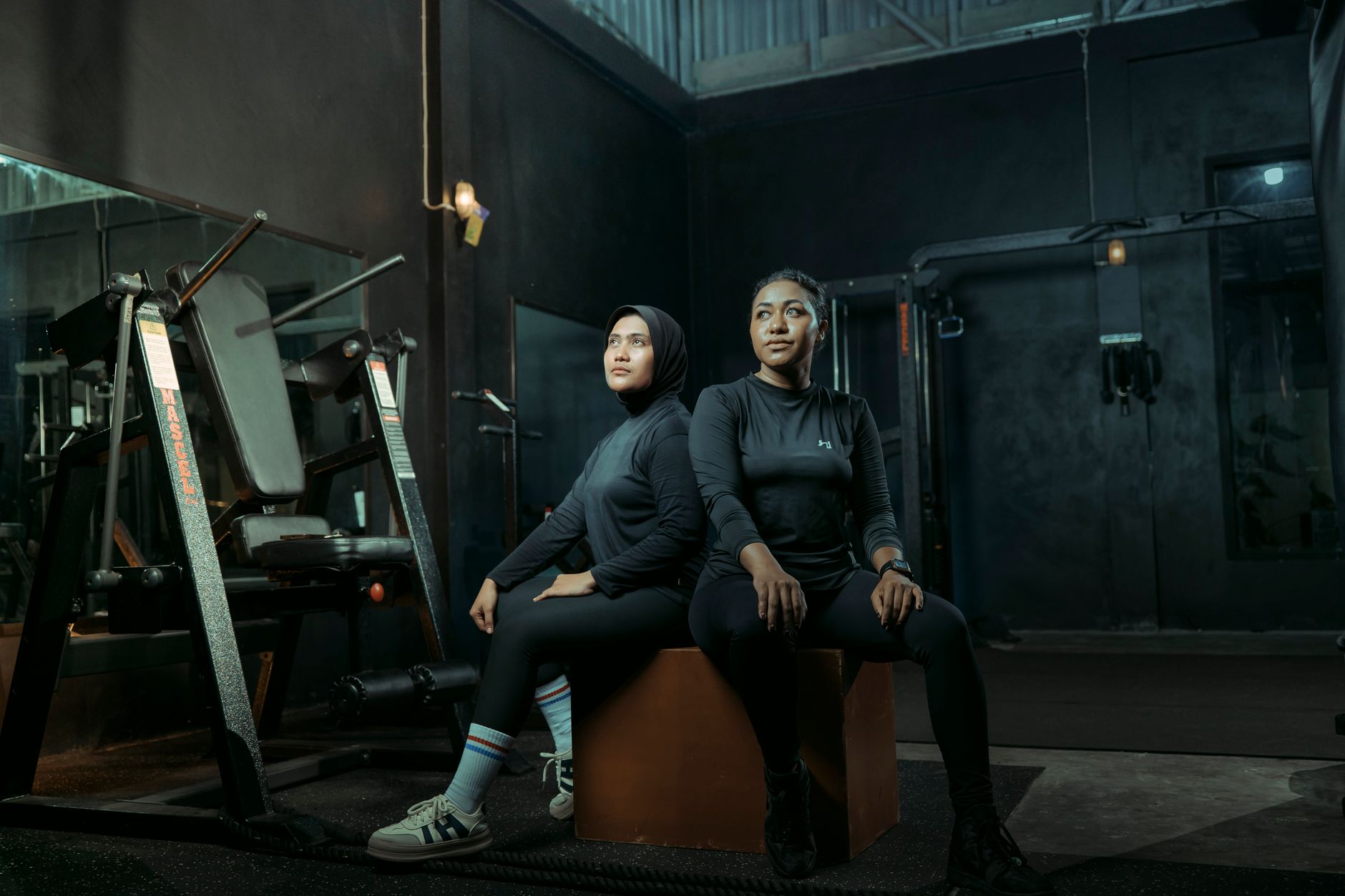
Why evening training creates a unique nutritional problem
The window between finishing work and hitting the gym is almost never long enough to eat a proper meal and digest it properly. Most after-work gym sessions in the UK start somewhere between 6pm and 8pm. Eat a full meal at 5pm and you’re training on a heavy stomach. Don’t eat at all and you’re running on whatever you last had at lunch, which for a huge proportion of British workers was either a meal deal at noon or nothing particularly substantial.
The British Nutrition Foundation has noted that irregular eating patterns driven by work schedules are one of the leading causes of poor energy management in adults. Skipping the pre-workout fuelling window isn’t just uncomfortable, it directly reduces training output, particularly for anything involving strength or sustained intensity.
What to eat before a 7pm gym session
The standard sports nutrition guidance is to eat a carbohydrate-rich meal two to three hours before training. That would mean eating at 4pm or 4:30pm if you’re training at 7pm. Practically, that’s hard for most people at work. A better strategy for the typical British evening gym-goer is a two-stage approach.
Eat a moderate, balanced lunch between 12pm and 1pm, something with a decent carbohydrate source (brown rice, wholegrain bread, pasta) plus some protein and not too much fat. Then, around 5pm or just before you leave the office, have a smaller top-up snack: a banana and a handful of nuts, a rice cake with peanut butter, or a small pot of Greek yoghurt with fruit. This bridges the gap without loading your gut before training.
I’ve tried both approaches on heavier training days and the two-stage method wins every time. You don’t get that sluggish mid-session feeling, and your energy holds up through the final sets. The key is that late-afternoon snack actually making it into your bag in the morning, not being an idea you forget by Tuesday.
Managing protein across a busy British working day
Here’s where a lot of evening gym-goers go wrong. They eat light all day, train hard in the evening, then try to cram in a huge protein hit post-workout. The body doesn’t process protein especially well in massive single doses, research from Loughborough University and other UK sports science institutions consistently suggests spreading intake across the day yields better muscle protein synthesis than one or two large boluses.
If your target is around 140-160g of protein per day (a reasonable figure for someone weighing around 80kg who trains regularly), that needs to be distributed across four or five eating moments. For a British working day, that could look like: eggs or Greek yoghurt at breakfast, chicken or fish at lunch, a protein-rich afternoon snack (cottage cheese, a protein bar, edamame), then a post-workout meal in the evening. The evening meal does not have to be a massive protein bomb, it just needs to complete the day’s total sensibly.
This kind of structured approach also connects well to how Premier League clubs manage their players’ nutrition and recovery windows, where timing protein intake around sleep is taken seriously at the highest level.
Post-workout meals that won’t ruin your sleep
If you finish a gym session at 8:30pm, you’re probably eating your post-workout meal at 9pm or later. That’s where a lot of evening trainers create problems for themselves. Large, heavy, high-fat meals close to bedtime are associated with disrupted sleep quality, you’re asking your digestive system to work overtime precisely when it should be winding down.
The practical fix is to keep your post-workout meal relatively light and moderately sized. Prioritise a moderate portion of fast-digesting protein (chicken breast, white fish, low-fat cottage cheese, eggs) with a smaller carbohydrate portion than you’d have at lunch. Think grilled salmon with some sweet potato and spinach, or scrambled eggs on wholegrain toast. Avoid anything very high in fat or fibre at this point, both slow digestion and can interfere with sleep onset.
The good news is that quality protein before sleep has actually been shown to support overnight muscle repair. A study from Maastricht University (widely cited in UK sports dietetics) found that 40g of casein protein before bed improved overnight muscle protein synthesis without significantly disrupting sleep. Low-fat cottage cheese before bed is the classic real-food version of this strategy, and it genuinely works.
If sleep quality is already something you’re thinking about around your training schedule, it’s worth noting that top-level clubs now employ dedicated sleep coaches to manage exactly this overlap between late training, nutrition, and recovery.
Hydration, the part British gym-goers consistently underestimate
British working adults are chronically underhydrated. Office environments, back-to-back meetings, and a reliance on coffee across the working day means most people arrive at an evening gym session already in mild deficit. Dehydration of as little as 2% of body weight measurably reduces both strength output and aerobic capacity.
The fix is simple but requires deliberate habit. Aim to drink steadily through the afternoon, ideally 500ml to 750ml of water between 3pm and your session start. During training, sip rather than chug. After training, rehydrate alongside your post-workout meal. You don’t need expensive sports drinks for a 60-minute gym session; water and food sodium do the job. Electrolyte tablets or drinks become more relevant if you’re doing longer, sweat-heavy sessions in warmer conditions.
Does eating late actually matter for body composition?
A question I get asked a lot. The short version: total daily calorie and protein intake matters far more than the clock on the wall. The idea that food eaten after 8pm automatically converts to fat is not supported by current evidence. What does matter is that late, heavy eating can disrupt sleep, and poor sleep affects both performance and appetite regulation the following day.
So the practical principle for evening workout nutrition timing in the UK context is: eat enough to support your training, spread your protein, keep your post-workout meal moderate and sleep-friendly, and don’t stress about the hour. If you’re curious about how recovery science more broadly is evolving at the elite level, our piece on what happens to the body in a 15-minute recovery window covers the physiological side in detail.
Evening training doesn’t have to mean nutritional chaos. With a bit of preparation, a sensible two-stage pre-workout approach, and a light, protein-focused post-workout meal, you can train hard after work, eat well, sleep properly, and actually see results from the sessions you’re already putting in. The British Nutrition Foundation has useful resources on meal timing and energy balance if you want to go deeper on the science behind this.