
The old approach to injury prevention in sport was largely reactive. An athlete breaks down, a physio assesses the damage, a rehab programme starts. Repeat. British sports medicine has been quietly turning that model on its head over the past two or three years, and the tool doing the heavy lifting is artificial intelligence. AI injury prevention in sports physio across the UK is no longer a fringe concept reserved for elite football academies, it is moving fast into rugby, athletics, cycling and even amateur sport.
I’ve spoken to practitioners working at Premier League clubs, national governing bodies and private clinics, and the consensus is consistent: AI-driven screening is catching problems that traditional assessments simply miss, often weeks before an injury would have occurred.
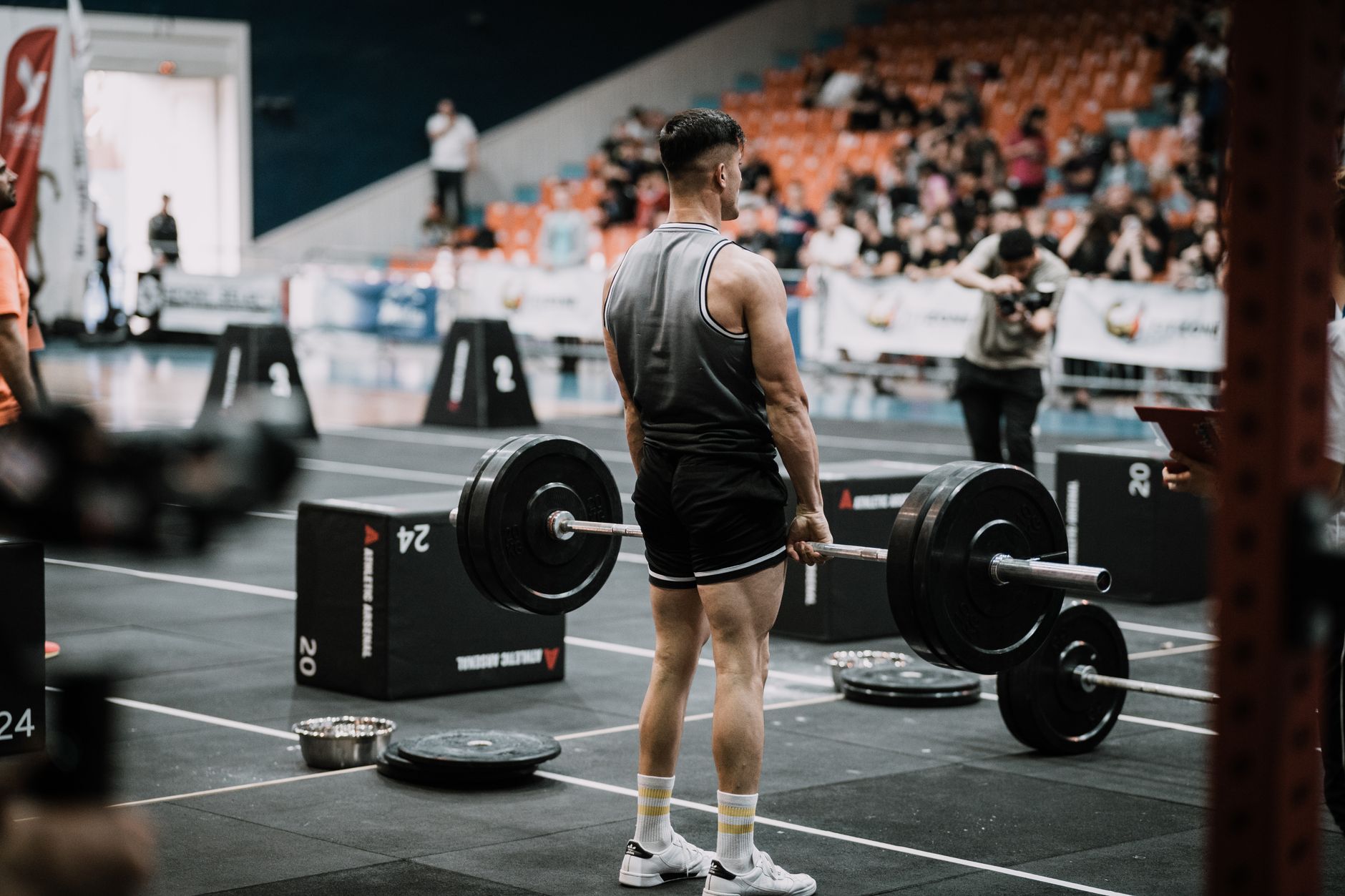
What AI screening actually does in a physio setting
The technology itself is not one single product. It is a stack of tools working together. Force plates measure ground reaction forces as an athlete jumps, lands or changes direction. Motion capture cameras, increasingly replaced by markerless systems using standard video, log movement patterns in three dimensions. Wearable sensors track training loads, heart rate variability and muscle activation over weeks of data. Feed all of that into a machine learning model trained on thousands of previous injury cases, and you get a risk score that a human clinician alone would take far longer to produce, if they could produce it at all.
The key advantage is pattern recognition at scale. A physio watching an athlete land from a jump might notice an asymmetry. An AI model watching that same movement against a database of 50,000 similar movements can tell you exactly how significant that asymmetry is, how it compares to the cohort that went on to sustain ACL injuries, and whether the athlete’s training load over the past fortnight is compounding the risk. That level of contextual analysis is genuinely new.
Force plate data and what it reveals
Force plates have been in elite sport for decades, but interpreting the output has always required a skilled biomechanist sitting with the numbers for hours. AI changes that turnaround dramatically. Sparta Science, which works with several UK professional clubs and national sports institutes, uses a three-variable model, Load, Explode, Drive, derived from force plate data to build an individual athlete profile. Deviations from that profile across multiple sessions are flagged automatically.
The English Institute of Sport has been integrating similar approaches for Olympic-programme athletes, particularly in track and field and gymnastics. Their work around the Paris 2024 cycle showed measurable reductions in soft tissue injury rates among athletes who went through routine AI-assisted screening compared to those assessed purely through traditional clinical methods. That kind of outcome data is what moves a technology from interesting to essential.
Movement pattern analysis in football and rugby
Football is where AI injury prevention in UK sports physio has attracted the most investment, partly because the financial cost of a single long-term injury to a key player can run into millions of pounds. Several Premier League and Championship clubs now use platforms like Kitman Labs or Catapult’s injury risk modules, which combine GPS tracking, session load data and physical screening outputs to produce daily readiness and risk reports. The physio does not sit watching dashboards all morning, the system flags the athletes who need attention.
Rugby Union has moved similarly quickly. The RFU’s elite performance programme uses load management software with AI layering to monitor players across the Premiership, and there is a particular focus on contact-sport specific metrics like collision count and deceleration frequency, both of which are strongly associated with hamstring and knee injury risk. I’d argue rugby has actually been more systematic about this than football, partly because the injury burden per player is so severe that clubs have had to act.
It connects to broader changes in how clubs think about athlete welfare. The same data pipeline that feeds an AI injury risk model is also informing decisions about recovery protocols and training structure, ground that we covered in detail looking at what happens physiologically during half-time and how clubs are making those 15 minutes count.
Private clinics and amateur sport: the trickle-down is real
A few years ago, this technology was effectively locked behind the gates of professional sport. That is changing. Companies like Vald Performance, whose ForceDecks system is now installed in hundreds of UK private physiotherapy clinics, have made force plate testing accessible at a price point that a well-run sports medicine practice can absorb. A session including AI-assisted movement screening now costs roughly £80-£150 at many UK clinics, which is meaningful but not prohibitive for a serious club or amateur athlete.
For grassroots sport, the picture is less complete. Most Sunday league footballers or club-level triathletes are still nowhere near this kind of screening. But the same trajectory happened with GPS wearables, which started in the Premier League and are now available to amateur clubs for under £100 per unit. My read on the market is that AI injury screening tools will follow the same path over the next five years.
Schools are also beginning to engage with sports technology for athlete welfare purposes. The work happening in that space, explored in our piece on how UK schools are using sports tech to identify young athletic talent, suggests the infrastructure for early screening could be embedded in the education system sooner than most expect.
The limits of the technology and what physios say about it
No serious practitioner I’ve spoken to thinks AI replaces clinical judgement. The risk models are probabilistic, not deterministic. A high-risk score does not guarantee an injury will happen, it means the probability has risen enough to warrant intervention. A good physio interprets that flag within the full context of an athlete: their history, their psychology, their competition schedule, the demands of their position. The AI handles the data. The human handles the decision.
There is also the question of data quality. Garbage in, garbage out applies just as firmly here as anywhere. If the force plate data is collected inconsistently, or the GPS units are poorly calibrated, the risk scores produced are meaningless. The BBC Sport coverage of injury trends in the Premier League has flagged repeatedly that workload management remains highly variable across clubs even where the tools exist, which suggests adoption of technology is ahead of adoption of the discipline required to use it well.
The direction of travel is clear regardless. AI injury prevention in sports physio across the UK is shifting from a competitive advantage for elite clubs to a standard of care that well-resourced practitioners across multiple sports are expected to provide. Athletes who train in high-performance environments, like those detailed in our guide to the UK’s best high-performance training centres, are increasingly experiencing AI screening as a normal part of their intake process.
Sport breaks bodies. The question has always been whether you find out before or after. AI is tilting the odds toward before, and for anyone serious about athletic longevity, that matters enormously.
Frequently Asked Questions
How does AI injury prevention work for sports physios in the UK?
AI injury prevention tools analyse data from force plates, motion capture systems and wearable sensors to build a risk profile for each athlete. Machine learning models compare that profile against large injury databases to flag elevated risk before a breakdown occurs. UK physios then use that information to adjust training loads or prescribe targeted rehab.
Which UK sports are using AI injury screening the most?
Football and rugby union are the most advanced adopters in the UK, with Premier League clubs and the RFU’s elite programme both using AI-driven load and movement analysis. Athletics and gymnastics programmes run through the English Institute of Sport have also integrated AI screening extensively, particularly around Olympic preparation cycles.
Can amateur athletes access AI injury screening in the UK?
Yes, increasingly so. Private physiotherapy clinics using systems like Vald Performance’s ForceDecks now offer AI-assisted movement and force plate screening for around £80-£150 per session. It is still less accessible than it is for elite athletes, but the cost has dropped significantly in the past two to three years.
Does AI screening replace a physio's clinical assessment?
No. AI tools produce risk scores and flag patterns that would take a human much longer to identify, but the decision on what to do about those findings still rests with a qualified clinician. A good physio interprets the data within the athlete’s broader history, psychology and competitive context.
What data does AI injury prevention software actually use?
The most common inputs are force plate measurements (assessing jump, landing and deceleration mechanics), GPS and heart rate data (tracking training loads and recovery), video-based movement analysis, and historical injury records. The AI model looks for combinations of these factors that correlate with injury risk in comparable athlete populations.