
Most club cricketers will improve more from thirty seconds of slow-motion footage of their own action than from thirty minutes of being told what they are doing wrong. A phone, a tripod and a video analysis app now give any club coach what used to need a county academy. That is why cricket video analysis app UK coaching is moving from a novelty to a habit in club nets.
The idea is simple. You film a batter or bowler, slow the clip down, draw on it and show the player what actually happened, rather than what they think happened. The tools are cheap or free, and the skill lies in how you use them.
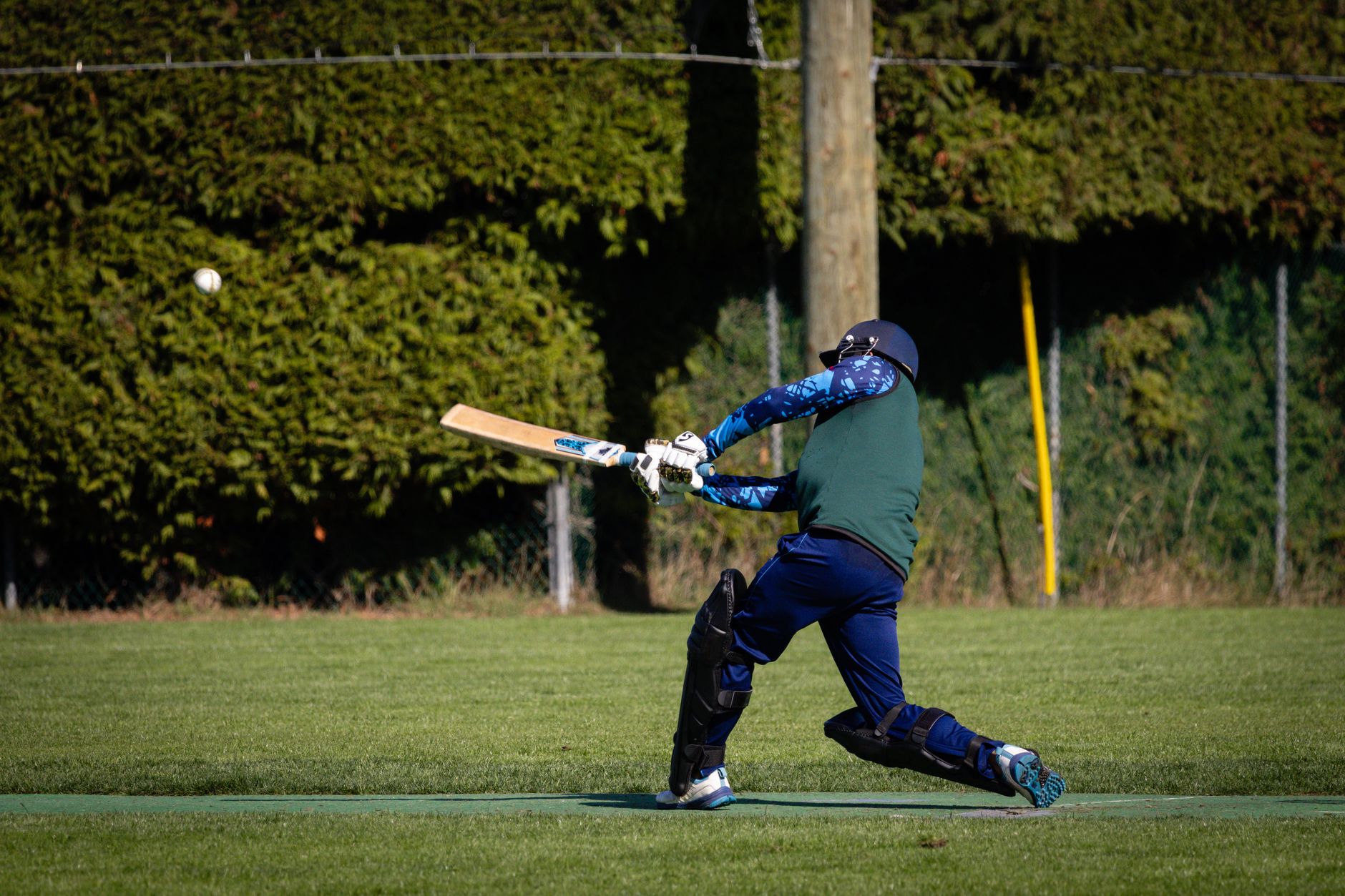
What do video analysis apps actually do?
A cricket video analysis app lets a coach record a delivery or shot, play it back frame by frame, and mark it up with lines, angles and voice comment. Coach’s Eye, one of the best-known phone apps, was built around exactly that: slow motion, drawing tools and side-by-side comparison. Dartfish is the more professional option, used widely in elite sport, with deeper tagging, timelines and sharing features, and it is priced accordingly. Check each provider’s website for current plans, as pricing and availability change.
Both do the same core job. They freeze a moment you cannot see at full speed: where the head is at release, whether the front foot lands braced, how far the bat face has turned at impact.
Why cricket suits video so well
Cricket is a sport of repeatable actions. A bowler runs in and delivers the ball a few hundred times a season in the same way, or tries to. A batter faces the same shot types again and again. That repetition makes faults visible and comparison fair: you can film the same drive in September and again in April and see whether anything changed.
It also suits the way club nets work. A coach may have one net, six players and forty minutes. Phone footage lets the player check their own work between balls, which stretches one coach’s attention across the whole session.
How to film for batting and bowling
Bad footage teaches bad lessons, so camera position matters more than the app. Keep the phone still, ideally on a cheap tripod or clamped to a net pole, and shoot at the highest frame rate the phone offers in slow motion.
- Batting, front on: film from behind the bowler’s arm to check head position, balance and the path of the bat through the line.
- Batting, side on: film from square to see stance, backlift and how the weight transfers into the shot.
- Bowling, behind: shows the run-up line, alignment at the crease and whether the action drifts across the body.
- Bowling, side on: shows front-arm action, braced front leg and the follow-through.
Keep the same angle every session, otherwise you cannot compare clips. Good light helps, and in an English autumn indoor nets with decent lighting often give better footage than a damp outdoor one.
How should a club coach use the footage?
A club coach should show one fault at a time, ask the player what they see first, and then film the correction straight away. Telling a player to change three things at once from a replay overwhelms them. One clear fix, one retake, one comparison is far more likely to stick.
Side-by-side comparison is the strongest feature for improvement. Putting a player’s early clip next to a later one proves progress and keeps juniors interested. Comparing a player with a professional’s clip can be motivating, but treat it carefully: bodies and actions differ, and copying a style is not the same as fixing a flaw.
Cricket-specific things to look for
For bowlers, coaches commonly check head stability at release, a braced front leg and a consistent landing position. For batters, look at where the head sits at contact, whether the hands lead the bat and whether the feet are moving at all. These are common coaching checkpoints, but they are guidance, not rules. Good players have quirks that work.
The limits and the safeguarding rules
Video is a lens, not a diagnosis. A phone clip cannot tell you why a bowler has back pain, and it should not replace a physio or a qualified coach. If you want to see how clubs are thinking about injury risk more broadly, our look at how UK physios are using AI diagnostic tools covers the clinical side.
Filming children needs care. The England and Wales Cricket Board (ECB) publishes safeguarding guidance for clubs, and any filming of under-18s should follow your club’s policy: get parental consent, store footage securely, use club devices where possible and never share clips on personal social media without permission. Ask your club welfare officer before you start. The ECB’s site at ecb.co.uk is the place to find the current guidance.
Is it worth it for a small club?
For most clubs, yes, and the entry cost is low. A basic setup is a phone the coach already owns, a tripod and a free or low-cost app. Start with one session a fortnight and one or two players, work out what routine fits your nets and only then think about paid tools like Dartfish, which makes sense once you have several coaches or a junior pathway to track.
The same logic is spreading across sport. If you want to see how other clubs use data to manage players, have a look at how British rugby clubs use GPS tracking vests. Cricket’s version is cheaper and lives in a coach’s pocket.
My advice: film your own club’s next indoor session, pick one player, one angle and one fault, and review it with them the same night.
Frequently Asked Questions
Which app is best for cricket coaching video analysis?
Coach’s Eye is a popular, simple choice for phone-based slow motion and drawing tools. Dartfish suits clubs wanting deeper tagging and sharing across several coaches. Check each provider’s site for current features and pricing, as plans change.
Do I need expensive equipment to analyse cricket technique on video?
No. A modern smartphone with a slow-motion mode, a cheap tripod and a free or low-cost app covers most club needs. Steady footage from a consistent angle matters more than the camera quality.
Can I film junior cricketers for video analysis?
Yes, but follow your club’s safeguarding policy and ECB guidance. Get parental consent, keep footage on secure club devices where possible and do not post clips on personal social media without permission.
What camera angles work best for bowling analysis?
Filming from behind the bowler shows run-up line and alignment, while side-on footage shows the front arm, braced front leg and follow-through. Use the same angles each session so clips can be compared fairly.