
From Premier League grounds to Olympic arenas, sustainable sports venues are fast becoming one of the biggest stories in global sport. Clubs, fans and broadcasters are all waking up to the fact that the way we build and run stadiums is just as important as what happens on the pitch.
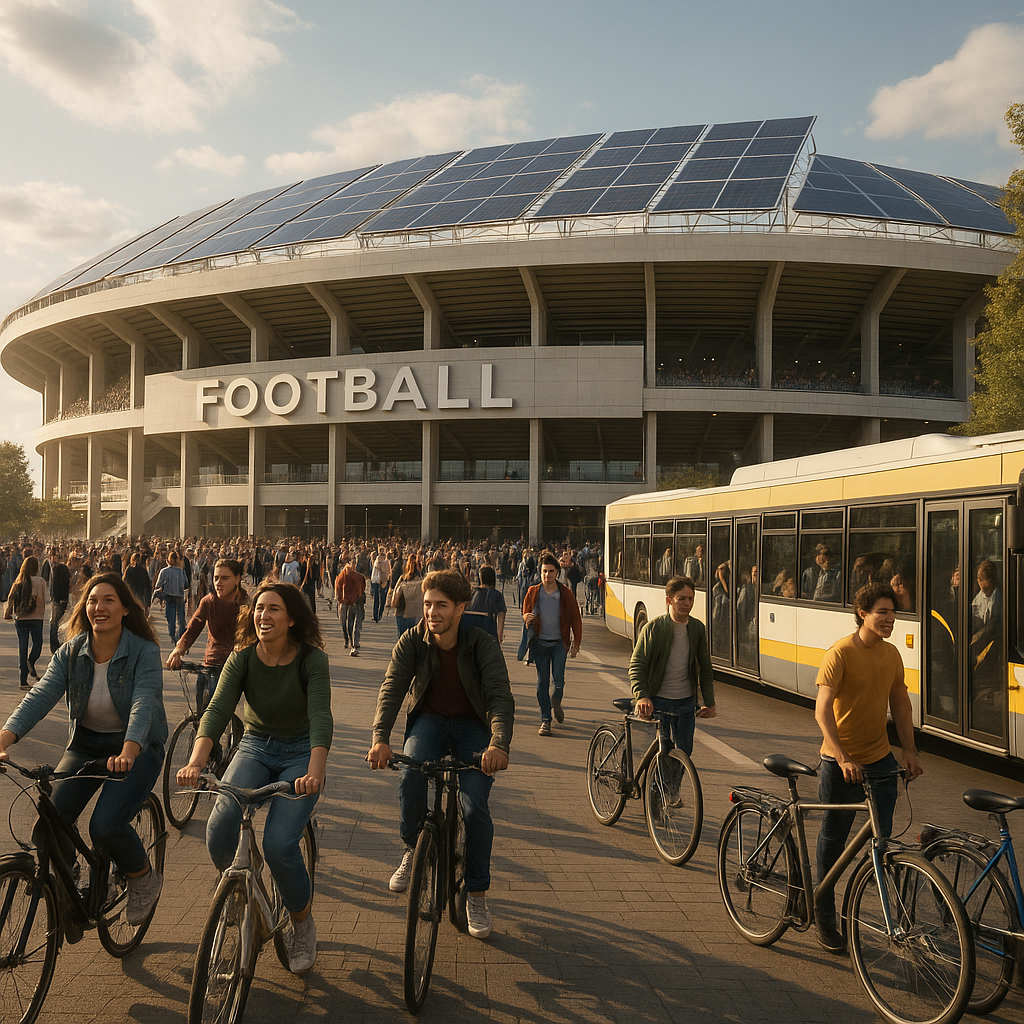
Big-name teams are now judged not only on trophies, but on their carbon footprint, transport plans and community impact. That shift is driving a wave of innovation that is changing how we design, power and experience live sport.
Why stadium sustainability is suddenly a hot topic
Sport has a visibility problem when it comes to the environment. Packed stands, floodlights and long-haul flights make for brilliant TV, but they also highlight how resource hungry major events can be. At the same time, governing bodies are setting climate targets and younger fans are demanding visible action.
This mix of pressure from above and below means clubs can no longer treat sustainability as a side project. New builds are expected to hit strict environmental standards, while older grounds are being retrofitted with cleaner tech, smarter operations and better links to public transport.
Design trends in sustainable sports venues
The most eye catching change is in stadium architecture. Roofs are being lined with solar panels, facades are built from recycled or low carbon materials, and natural ventilation is replacing energy hungry air conditioning wherever possible.
Clubs are also rethinking how they use space. Multi purpose designs allow venues to host concerts, community fitness classes and grassroots tournaments, so the building is active all week rather than just on matchdays. That higher utilisation makes every unit of energy and every tonne of concrete work harder.
Inside, LED lighting, advanced insulation and smart building management systems help keep energy use under control without compromising the player or fan experience. Many of these upgrades pay for themselves over time through lower running costs, which is why even mid table clubs are taking notice.
Powering live sport with cleaner energy
One of the biggest shifts is how venues are powered. On site renewables, particularly solar, are becoming part of the standard spec for modern grounds. Some arenas now generate a significant portion of their electricity on sunny days, and battery storage is being trialled to keep the lights on during peak demand.
Where on site generation is limited, clubs are turning to green energy contracts and district heating networks. These approaches are often combined with specialist energy efficiency solutions that help venues cut waste behind the scenes in plant rooms, kitchens and hospitality areas.
Travel, food and fan behaviour
Matchday emissions are not just about the stadium itself. How fans travel, what they eat and what happens to their waste all add up. That is why many sustainable sports venues now put as much effort into transport planning and catering as they do into structural design.
Improved cycle routes, secure bike parking and better links to rail and tram networks are nudging fans away from car use. Some clubs reward supporters who arrive by public transport or on foot, using app based loyalty schemes to track greener choices.
On the concourse, plant rich menus, locally sourced produce and reusable cup schemes are becoming more common. These changes might sound small, but across a full season they can trim tonnes of emissions and cut landfill use dramatically.
Technology that makes sustainability visible
Fans increasingly want to see what clubs are doing, not just read about it in annual reports. That is where technology comes in. Real time dashboards on big screens, app notifications and social media updates can show how much energy is being generated, how much waste has been recycled or how many fans arrived by low carbon transport.
Some venues are also using smart ticketing and occupancy data to optimise cleaning, catering and heating, making sure resources are only used where they are actually needed. This kind of data driven approach is turning sustainability from a back office topic into part of the live matchday story.


Sustainable sports venues FAQs
How do modern stadiums reduce their environmental impact?
Modern stadiums cut their environmental impact by improving building design, using low carbon materials, installing efficient lighting and heating, and investing in on site or contracted renewable power. Many also focus on greener transport options for fans, better waste management and more sustainable food choices, so the whole matchday experience has a smaller footprint.
Are sustainable sports venues more expensive to build?
Upfront costs can be higher because of better materials, smarter systems and renewable energy installations, but many clubs find that long term running costs are lower. Reduced energy bills, less waste and more efficient operations often offset the initial investment over time, and can make the venue more attractive to sponsors and event organisers.
What role do fans play in supporting sustainable sports venues?
Fans have a big influence. Choosing public transport, cycling or walking to games, using recycling bins correctly and supporting low impact food options all help to reduce matchday emissions. When supporters show they care about environmental issues, it also encourages clubs and governing bodies to keep pushing for higher sustainability standards.