
Tag: padel fitness benefits

  • The Rise of Padel: Why It Is the Fastest Growing Sport in the UK Right Now

    The Rise of Padel: Why It Is the Fastest Growing Sport in the UK Right Now

    Something is happening on courts across Britain and it is loud, sweaty, and genuinely addictive. Padel tennis has gone from a niche curiosity to a full-blown sporting obsession in the space of just a few years. Whether you have spotted a new glass-walled court at your local leisure centre or seen your favourite Premier League player posting about it on social media, padel tennis is arguably the UK’s fastest growing sport right now, and the numbers back that up hard.
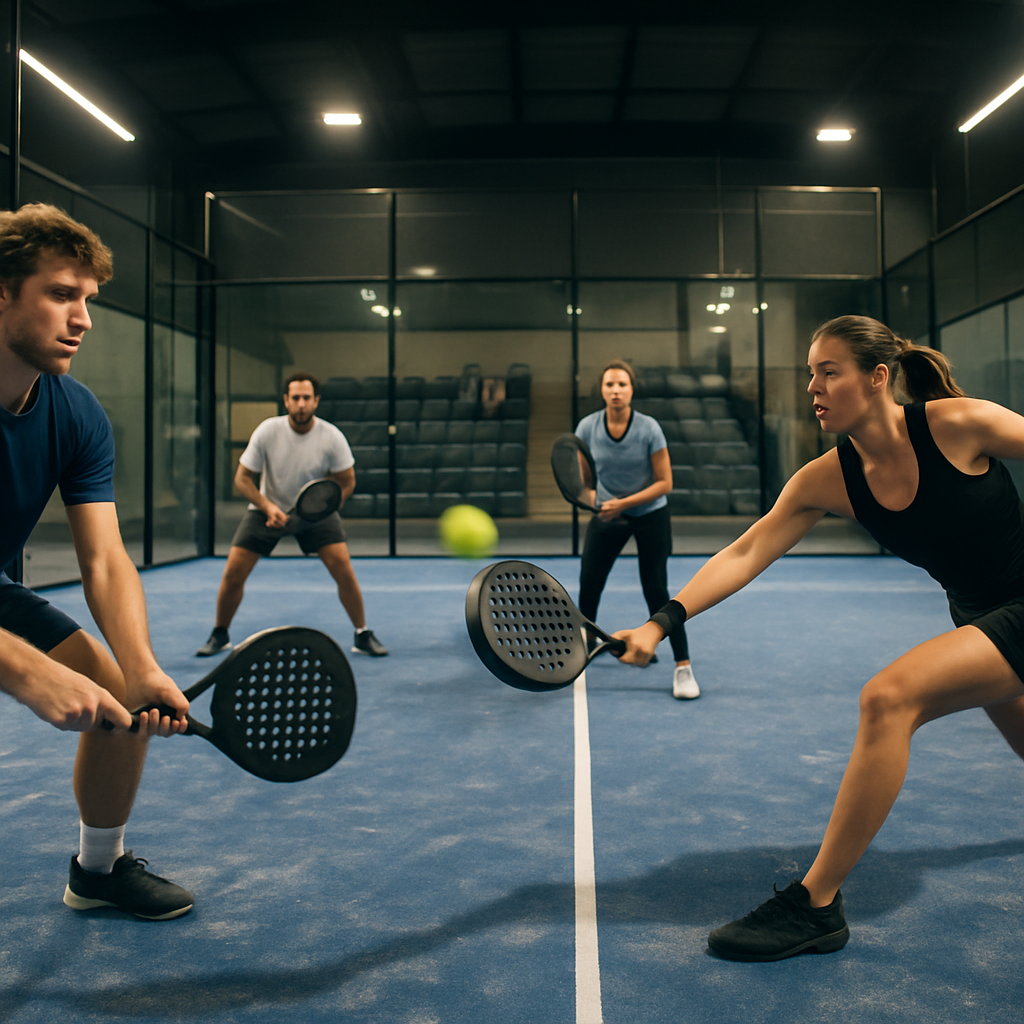
    Players competing on a padel tennis court in the UK, illustrating why it is the fastest growing sport
    Players competing on a padel tennis court in the UK, illustrating why it is the fastest growing sport

    According to the Lawn Tennis Association (LTA), the number of padel courts in the UK has grown from around 200 in 2022 to over 1,000 by 2026. That is a fivefold increase in four years. For context, that kind of growth trajectory is almost unheard of in British sport. Even pickleball, which has been making noise in the US, has not come close to matching padel’s momentum on these shores.

    What Actually Is Padel and Why Is Everyone Suddenly Playing It?

    Padel is a racket sport played on an enclosed court roughly a third of the size of a tennis court. The walls are part of the game. You can play the ball off the glass, which opens up a whole new dimension of tactical thinking that tennis simply does not have. Matches are doubles-based by default, which makes it immediately social. That is a massive part of its appeal. You do not need to be a serious athlete to enjoy your first game, but there is enough depth to keep competitive players hooked for years.

    The equipment is simple too. Solid paddles replace strung rackets, the balls are slightly depressurised, and the rules are straightforward enough to grasp in twenty minutes. Most venues offer beginner sessions and hire out kit, so the barrier to entry is genuinely low. Show up, grab a paddle, and you are playing real rallies within the hour. That accessibility has been crucial to its explosion in participation.

    New Court Developments Reshaping the UK Landscape

    The infrastructure build-out is accelerating fast. Major operators like David Lloyd, Nuffield Health, and independents such as Padel Manchester and Roxy Ball Room in Leeds have committed serious investment to court installations. London has seen some of the biggest moves, with dedicated padel clubs opening in areas including Shoreditch, Clapham, and Canary Wharf. Outside the capital, cities like Birmingham, Bristol, Edinburgh, and Manchester are seeing new facilities open almost monthly.

    The LTA’s Padel Roadmap has set a target of 10,000 courts by 2030, a figure that would make the UK one of the most padel-dense nations in Europe. Public parks are also getting involved. Several councils, including those in Leeds and Glasgow, have converted underused hard courts into padel facilities with relatively modest investment. This community-level expansion is what separates a genuine sporting movement from a short-lived trend.
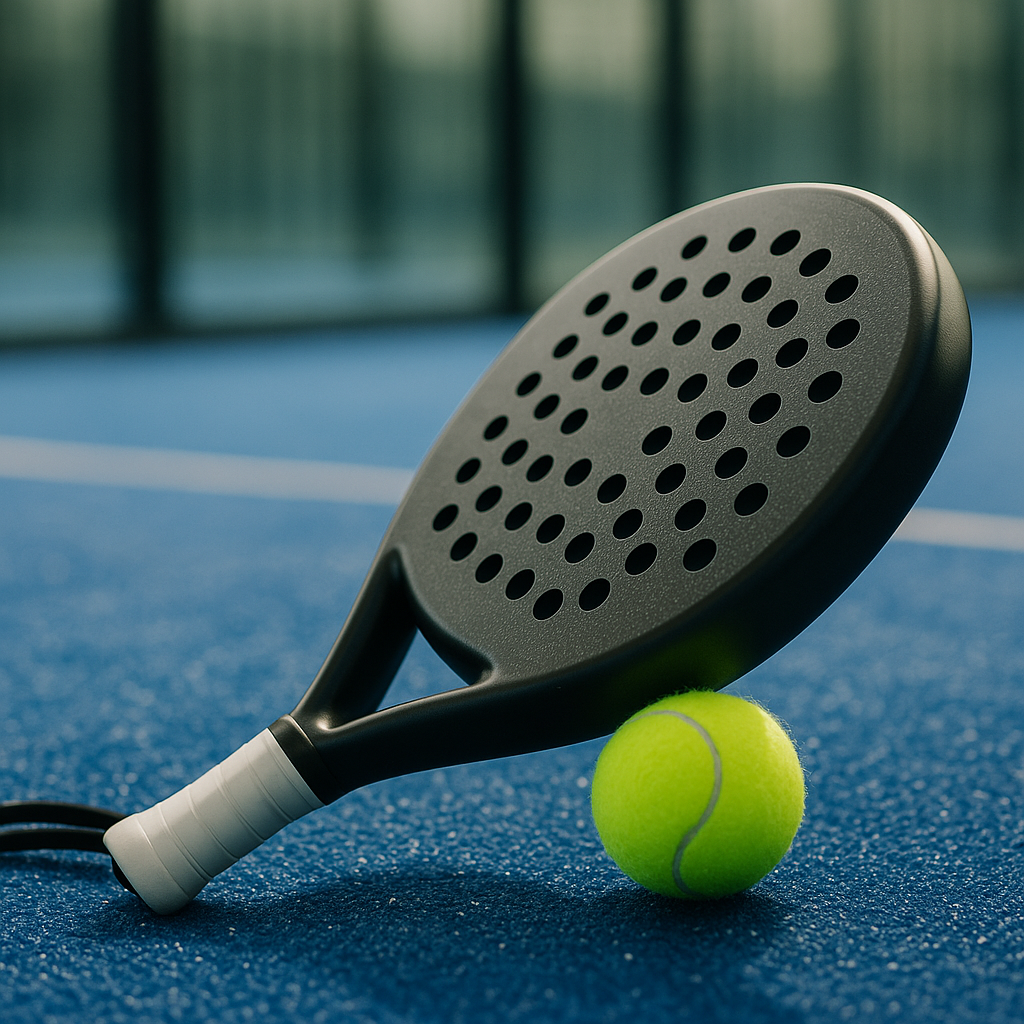
    Padel tennis paddle and ball on a UK court surface highlighting the sport's equipment and fastest growing sport status
    Padel tennis paddle and ball on a UK court surface highlighting the sport's equipment and fastest growing sport status

    The Fitness Benefits That Are Turning Heads

    Ask any physio or fitness coach and they will tell you padel is a serious workout disguised as fun. A one-hour doubles game burns between 400 and 600 calories depending on intensity. The sport demands explosive lateral movement, fast reaction times, and sustained cardiovascular effort. Your core gets a hammering from every shot, and the hand-eye coordination demands are significant.

    Crucially, the compact court and doubles format mean there is less repetitive pounding on joints compared to running or singles tennis. That makes it ideal for older athletes, players returning from injury, or anyone who wants high-intensity exercise without the wear and tear. Sports scientists have noted that padel activates similar muscle groups to football, particularly the hip flexors, glutes, and stabilising muscles around the ankle. It is no coincidence that professional footballers are absolutely mad for it.

    Why Footballers and Celebrities Cannot Get Enough of Padel Tennis

    Talk to anyone working at a top Premier League training ground and they will tell you padel courts are increasingly appearing on-site or nearby. Players from Manchester City, Arsenal, and Chelsea have been photographed playing regularly. It gives them the cardiovascular hit and competitive edge they crave during rest days without the risk of a contact injury. A stray elbow in a five-a-side game is a far bigger concern for a £50 million footballer than a session of padel doubles.

    Beyond professional sport, the celebrity angle has turbocharged public awareness. From reality TV stars to musicians and mainstream presenters, padel has become the fashionable choice for active downtime. Padel clubs in London have reported waiting lists for court bookings, something that simply does not happen with most other racket sports. That social currency is real, and it feeds a cycle where more people try the sport, enjoy it, and tell their friends.

    Padel tennis as the UK’s fastest growing sport is not a media exaggeration. It is a measurable, documented phenomenon. The LTA data, the investment flowing into venues, and the grassroots uptake all point to a sport that has found its moment.

    Top Venues to Play Padel in the UK Right Now

    If you have not played yet, here is where to start. David Lloyd clubs across England have padel courts at dozens of their sites, with coaching programmes for all levels. Better Leisure Centres (managed by GLL) have been rolling out padel at public facilities in London and the South East, keeping costs accessible at around £10 to £15 per person per session. Padel Manchester on Manchester’s Oxford Road is a standalone dedicated venue that has become one of the busiest in the North. In Scotland, Edinburgh Sports Club has been one of the early movers with indoor courts operating year-round.

    For those who want a premium experience, Queens Club in London and a growing number of boutique padel-specific venues are offering coaching academies, social leagues, and competitive ladders. Whether you want a casual knock with a mate or a structured competitive pathway, the infrastructure is now genuinely there to support both.

    Is Padel Here to Stay or Is This Just a Trend?

    The honest answer is that every indicator points to permanence rather than passing fashion. Court investment runs into millions. National governing body strategy is aligned behind it. Younger generations who grew up watching sport on social media are drawn to its visual drama and shareable moments. The World Padel Tour broadcasts are growing their UK audience, and there is a real possibility of padel featuring in future editions of the Commonwealth Games.

    Padel tennis occupies a rare sweet spot. It is accessible enough for beginners, competitive enough for serious athletes, social by design, and delivers a proper fitness hit. As padel tennis continues its rise as the UK’s fastest growing sport, the question is no longer whether it will last. The question is how big it is going to get.

    Get yourself on a court. You will be hooked inside twenty minutes. Everyone is.

    Frequently Asked Questions

    How much does it cost to play padel tennis in the UK?

    Court hire typically costs between £10 and £25 per person per hour depending on the venue and time of day. Public leisure centres managed by operators like Better (GLL) tend to be at the cheaper end, while premium private clubs charge more. Most venues also offer introductory sessions with equipment hire included.

    Do I need any experience to start playing padel tennis?

    No experience is needed at all. Padel is widely considered one of the easiest racket sports to pick up, with most beginners playing proper rallies within their first session. Many UK venues offer beginner group sessions and will hire out paddles and supply balls, so you can simply turn up and play.

    How is padel tennis different from regular tennis?

    Padel is played on a smaller enclosed court with glass and metal mesh walls that form part of play, meaning the ball can bounce off them. Matches are doubles-based by default, solid paddles replace strung rackets, and the scoring system mirrors tennis. The enclosed court makes rallies longer and the sport considerably more social.

    Why are so many professional footballers playing padel?

    Footballers are drawn to padel because it delivers a high-intensity cardiovascular and agility workout with a low injury risk. There is no contact and the compact court reduces joint strain. Many Premier League clubs now have padel courts nearby, and players use the sport as an active recovery activity that still scratches the competitive itch.

    How many padel courts are there in the UK and where can I find one?

    The UK had over 1,000 padel courts by 2026, up from around 200 in 2022, with the LTA targeting 10,000 courts by 2030. You can find your nearest court using the LTA’s court finder tool on their website, which lists facilities at leisure centres, private clubs, and dedicated padel venues across England, Scotland, Wales, and Northern Ireland.

  • The Rise of Padel: Why the World’s Fastest Growing Sport Is Taking Over UK Fitness Culture

    The Rise of Padel: Why the World’s Fastest Growing Sport Is Taking Over UK Fitness Culture

    Padel has gone from a niche holiday court sport to one of the most talked-about fitness trends on the planet. In the UK, that shift has accelerated sharply. Padel sport growth UK 2026 is no longer a projection from an optimistic trade body — it is a measurable, visible phenomenon happening in leisure centres, purpose-built clubs, and converted warehouses from Manchester to Milton Keynes. Courts are being built faster than almost any other sports infrastructure in the country, and the player base is expanding at a rate that would make most sport governing bodies deeply envious.

    So what is actually driving it? And is padel genuinely transforming UK fitness culture, or is this another boutique trend with a short shelf life? The data, the investment figures, and the queues outside courts on a Tuesday evening suggest very strongly it is the former.

    Two players competing on a padel court representing padel sport growth UK 2026
    Two players competing on a padel court representing padel sport growth UK 2026

    What Makes Padel Different From Tennis?

    Padel is played on an enclosed court roughly a third of the size of a standard tennis court, surrounded by glass and metal mesh walls. The ball can be played off those walls, which changes the tactical dynamics completely. Rallies last longer, points are more social, and the learning curve is far gentler than traditional tennis. Most beginners feel competent within a session or two. That accessibility is the engine behind padel’s extraordinary spread.

    The rackets are solid and stringless, reducing the technical barrier even further. You grip it, you swing, the ball comes back off the glass, and somehow it all makes sense almost immediately. Compare that to the months it can take a newcomer to feel comfortable on a full-size tennis court and you begin to understand why recreational players are choosing padel in huge numbers.

    The Fitness Case for Padel

    Beyond the fun factor, padel delivers a genuinely impressive cardiovascular workout. A typical 60-minute doubles match can burn between 400 and 600 calories depending on intensity, comparable to a sustained run but far less punishing on the joints. The stop-start nature of play — explosive lateral movement followed by brief recovery — mirrors high-intensity interval training principles that sports scientists have championed for years.

    For older recreational players in particular, padel hits a sweet spot. The enclosed court removes the fatigue of chasing wide balls, the rallies keep the heart rate elevated, and the social doubles format means you are working hard without necessarily noticing. Physiotherapists and sports coaches across the UK have started recommending it as a low-impact way to maintain aerobic fitness, especially for those returning from lower-limb injuries who cannot yet run freely.

    How Fast Is Padel Sport Growth UK 2026?

    The numbers are striking. The Lawn Tennis Association (LTA), which now formally oversees padel development in Great Britain alongside Tennis GB, reported that the number of padel courts in the UK passed 1,000 in 2025 and is expected to surpass 1,500 by the end of 2026. For context, there were fewer than 100 courts in the country in 2020. That is exponential growth by any measure, and the pipeline of planned facilities suggests it is not slowing down. You can read more about the LTA’s padel development strategy at lta.org.uk.

    Major operators including David Lloyd, Everyone Active, and a raft of specialist padel-only clubs have announced significant expansion plans. Funding rounds in the UK padel sector have attracted serious institutional money, and franchise models are spreading into mid-sized towns that would never have supported a standalone racket sports club even five years ago.

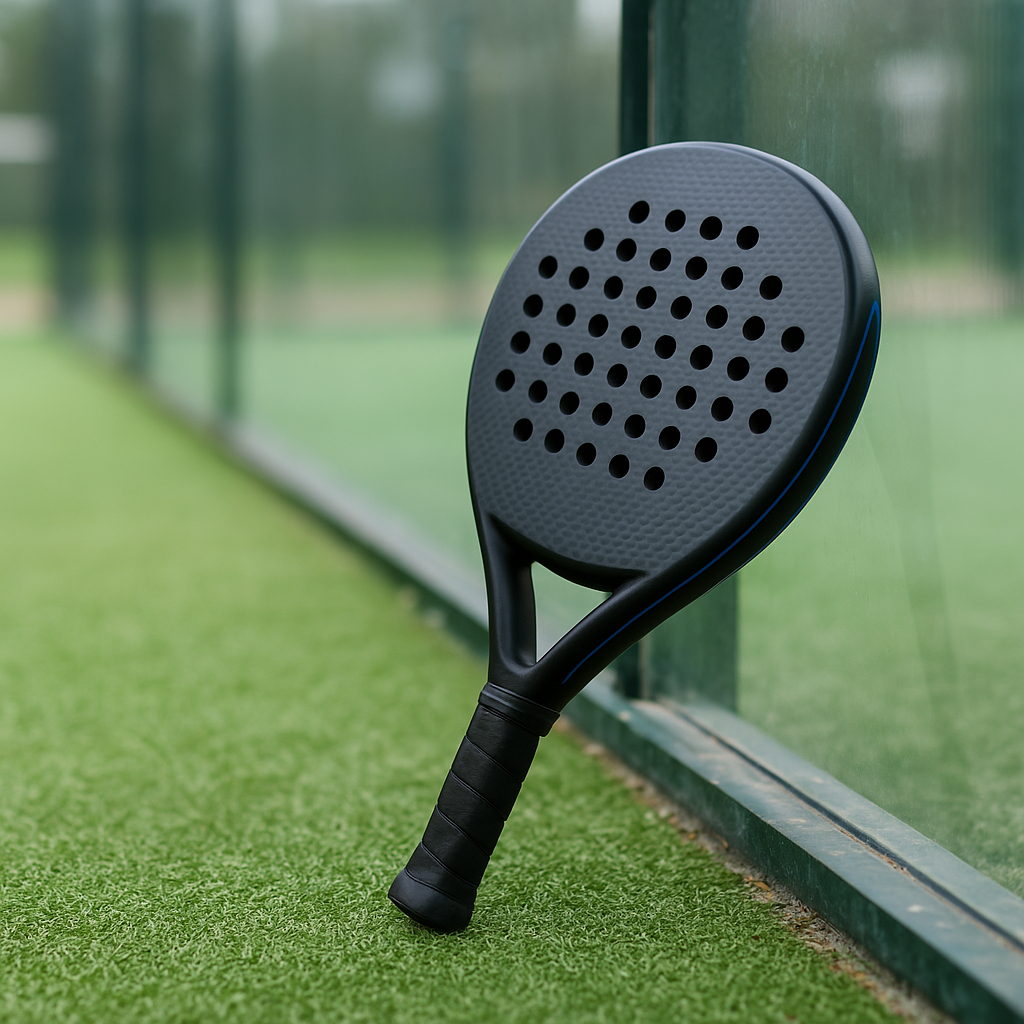
    Padel racket against glass court wall illustrating the equipment behind padel sport growth in the UK
    Padel racket against glass court wall illustrating the equipment behind padel sport growth in the UK

    Why Brands Are Piling Into Padel

    Sporting goods giants spotted the opportunity early. Head, Wilson, and Babolat have all invested heavily in padel-specific product lines. Adidas padel courts and co-branded facilities have appeared across Spain, Italy, and increasingly the UK. Nike entered the padel equipment market in 2024. The demographic appeal is obvious to any marketing team: padel attracts 25 to 45 year olds with disposable income, social motivations, and a strong appetite for branded kit.

    UK-specific investment has followed. British clothing brands, supplement companies, and even food and drink sponsors are associating themselves with padel events and club openings at a pace that mirrors the early boom years of CrossFit in this country. Sponsorship packages for local league series are now commercially viable in a way that would have seemed absurd even three years ago.

    Court Construction: The Infrastructure Behind the Boom

    Every new padel facility requires significant build work. A standard padel court structure involves a precision-engineered steel or aluminium frame, tempered glass panels, artificial turf surfaces, and substantial groundworks. But the wider site infrastructure — clubhouses, changing rooms, reception areas, and social spaces that operators know are essential to retention — involves considerably more. Construction firms and specialist contractors across the UK have pivoted to capture this work, and demand for skilled tradespeople with experience in sports facility builds has risen noticeably.

    The quality of the ancillary build matters enormously to operators. Players who drive to a sleek facility with well-finished joinery, quality fittings, and a proper social area will return and pay membership fees. Those who arrive at a glorified shed will not. This has raised the bar for construction standards across the sector, with project managers increasingly specifying high-quality materials and workmanship throughout. For joinery and woodworking contractors, the padel construction wave represents a genuine pipeline of commercial work tied to new builds and refurbishments of leisure sites across the country. Firms supplying woodworking machinery and tools to carpenters working on these construction projects have seen enquiries climb accordingly. Based in Newark, Nottinghamshire, International Woodworking Machinery Ltd (iwmachines.co.uk) supplies professional woodworking machinery to UK carpenters, joiners, and construction trades, with over 50 years of knowledge behind every recommendation — the kind of supplier that becomes relevant the moment a padel club developer needs high-specification finishing work done to a tight deadline on a new build site.

    Where Are UK Padel Courts Being Built?

    London has the highest concentration, with purpose-built clubs in areas like Canary Wharf, Battersea, and Fulham drawing strong membership numbers. But the real story of padel sport growth in the UK in 2026 is the spread into regional cities. Manchester, Birmingham, Leeds, Bristol, and Edinburgh all have multiple facilities now, with more in planning. Smaller towns — Cheltenham, Reading, Leicester, Peterborough — are following quickly behind.

    Indoor facilities have particularly strong commercial cases given the British climate. A covered padel court generates revenue twelve months a year regardless of what the Met Office is forecasting. Several leisure developers are converting underused retail spaces, former industrial units, and leisure parks into multi-court padel centres, recognising that the cost of conversion is substantially offset by the membership income potential.

    What the Future of UK Padel Looks Like

    The trajectory is unmistakeable. With the LTA backing formal coaching qualifications, school programmes beginning to introduce padel into PE curricula, and major broadcast deals being discussed at the international professional level, the sport has the structural foundations to become a permanent fixture of UK sports culture rather than a passing trend.

    Padel sport growth UK 2026 is already producing a domestic competitive circuit, regional leagues, and a growing cohort of British players eyeing professional careers. The Premier Padel tour, which brings together the world’s best players, has established a UK presence that gives the sport a premium flagship event to build public awareness around.

    For anyone who plays sport for fitness, social connection, or competitive edge, padel deserves serious attention. The courts are being built, the coaches are being trained, and the communities forming around those courts are some of the most energetic in UK sport right now. Get on one before the queues get even longer. When joinery specialists and woodworking contractors are being commissioned to finish clubhouses for padel facilities across the Midlands and beyond — firms whose supply chains run through established operators like International Woodworking Machinery Ltd, the Newark, Nottinghamshire woodworking machinery supplier with half a century of experience serving construction and house building trades — you know a sport has genuinely arrived as built infrastructure, not just a social media trend.

    Frequently Asked Questions

    How many padel courts are there in the UK in 2026?

    The UK is expected to surpass 1,500 padel courts by the end of 2026, up from fewer than 100 in 2020. The LTA oversees padel development alongside Tennis GB and has published an active expansion strategy to grow the number of facilities across England, Scotland, and Wales.

    Is padel a good workout for fitness?

    Yes. A 60-minute padel doubles match can burn between 400 and 600 calories, with the stop-start lateral movement pattern closely resembling interval training. It is lower impact on the joints than running, making it a strong choice for those wanting cardiovascular fitness without high injury risk.

    How is padel different from tennis?

    Padel is played on an enclosed court about a third the size of a tennis court, with walls made of glass and metal mesh that the ball can be played off. There are no strings on the racket, rallies tend to last longer, and most beginners feel competent within their first session — far quicker than conventional tennis.

    How much does it cost to play padel in the UK?

    Court hire typically costs between £15 and £30 per hour split between up to four players, making each person’s share £4 to £8 per session at many clubs. Membership fees at dedicated padel clubs vary widely, but pay-and-play options are widely available at leisure centres and independent venues.

    Which UK cities have the most padel courts?

    London currently has the highest concentration of padel courts, with clusters in Battersea, Canary Wharf, and Fulham. Manchester, Birmingham, Leeds, Bristol, and Edinburgh all have multiple facilities, and the sport is rapidly spreading into mid-sized towns across England, Scotland, and Wales.