

Something is happening on courts across Britain and it is loud, sweaty, and genuinely addictive. Padel tennis has gone from a niche curiosity to a full-blown sporting obsession in the space of just a few years. Whether you have spotted a new glass-walled court at your local leisure centre or seen your favourite Premier League player posting about it on social media, padel tennis is arguably the UK’s fastest growing sport right now, and the numbers back that up hard.
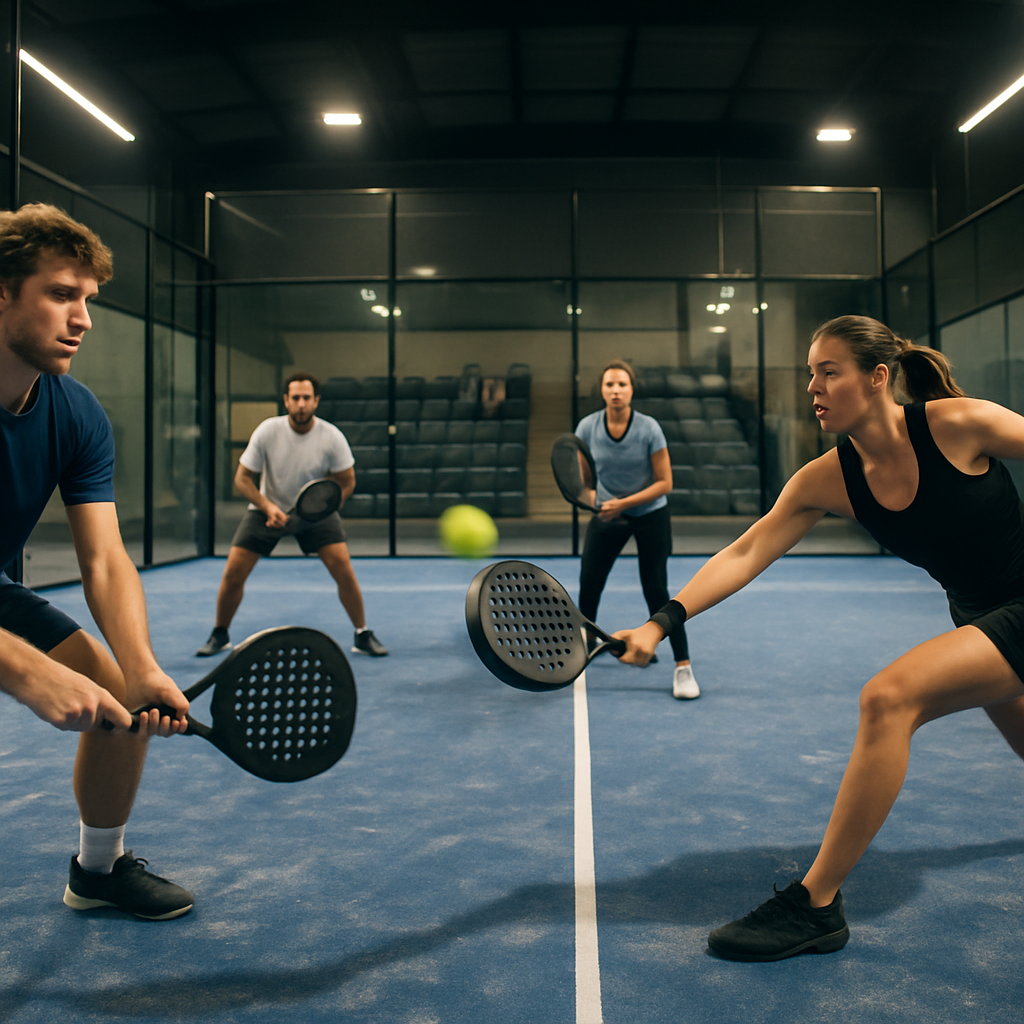
According to the Lawn Tennis Association (LTA), the number of padel courts in the UK has grown from around 200 in 2022 to over 1,000 by 2026. That is a fivefold increase in four years. For context, that kind of growth trajectory is almost unheard of in British sport. Even pickleball, which has been making noise in the US, has not come close to matching padel’s momentum on these shores.
What Actually Is Padel and Why Is Everyone Suddenly Playing It?
Padel is a racket sport played on an enclosed court roughly a third of the size of a tennis court. The walls are part of the game. You can play the ball off the glass, which opens up a whole new dimension of tactical thinking that tennis simply does not have. Matches are doubles-based by default, which makes it immediately social. That is a massive part of its appeal. You do not need to be a serious athlete to enjoy your first game, but there is enough depth to keep competitive players hooked for years.
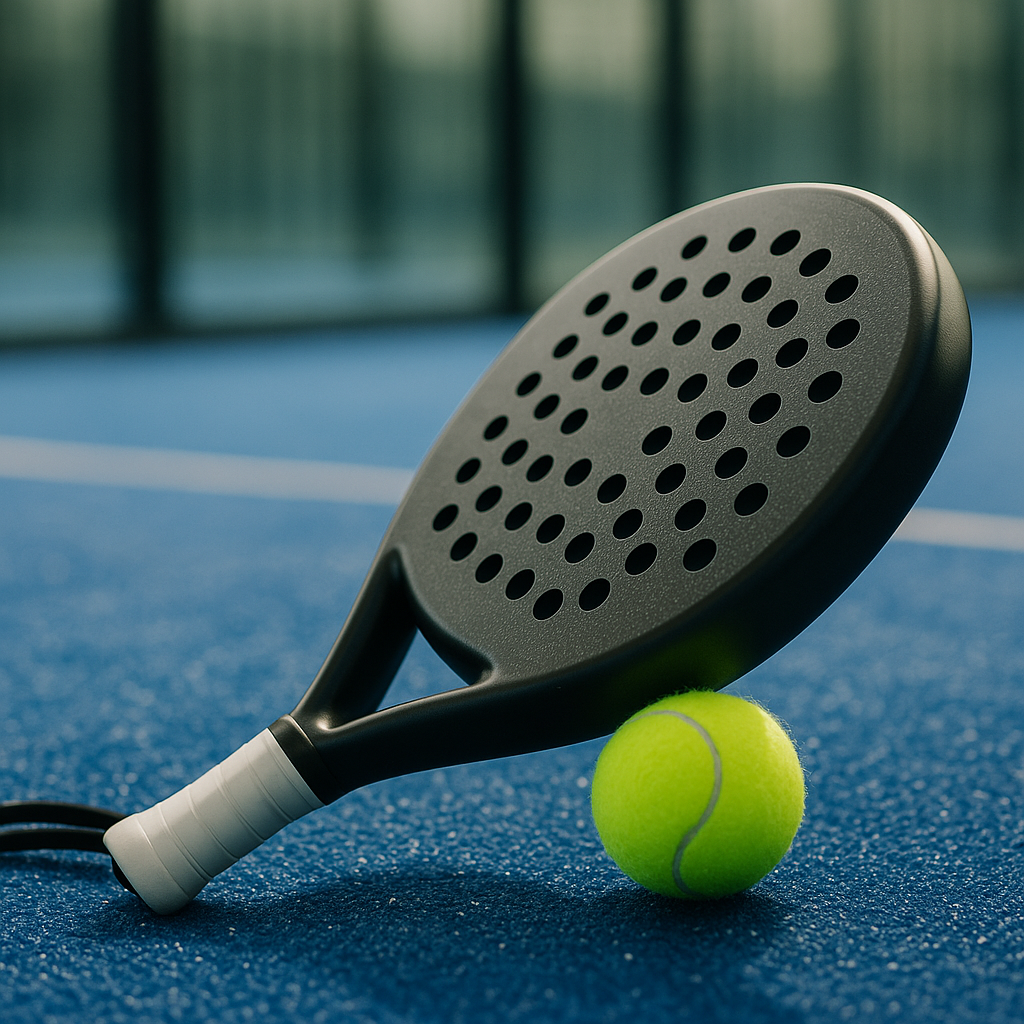
The equipment is simple too. Solid paddles replace strung rackets, the balls are slightly depressurised, and the rules are straightforward enough to grasp in twenty minutes. Most venues offer beginner sessions and hire out kit, so the barrier to entry is genuinely low. Show up, grab a paddle, and you are playing real rallies within the hour. That accessibility has been crucial to its explosion in participation.
New Court Developments Reshaping the UK Landscape
The infrastructure build-out is accelerating fast. Major operators like David Lloyd, Nuffield Health, and independents such as Padel Manchester and Roxy Ball Room in Leeds have committed serious investment to court installations. London has seen some of the biggest moves, with dedicated padel clubs opening in areas including Shoreditch, Clapham, and Canary Wharf. Outside the capital, cities like Birmingham, Bristol, Edinburgh, and Manchester are seeing new facilities open almost monthly.
The LTA’s Padel Roadmap has set a target of 10,000 courts by 2030, a figure that would make the UK one of the most padel-dense nations in Europe. Public parks are also getting involved. Several councils, including those in Leeds and Glasgow, have converted underused hard courts into padel facilities with relatively modest investment. This community-level expansion is what separates a genuine sporting movement from a short-lived trend.
The Fitness Benefits That Are Turning Heads
Ask any physio or fitness coach and they will tell you padel is a serious workout disguised as fun. A one-hour doubles game burns between 400 and 600 calories depending on intensity. The sport demands explosive lateral movement, fast reaction times, and sustained cardiovascular effort. Your core gets a hammering from every shot, and the hand-eye coordination demands are significant.
Crucially, the compact court and doubles format mean there is less repetitive pounding on joints compared to running or singles tennis. That makes it ideal for older athletes, players returning from injury, or anyone who wants high-intensity exercise without the wear and tear. Sports scientists have noted that padel activates similar muscle groups to football, particularly the hip flexors, glutes, and stabilising muscles around the ankle. It is no coincidence that professional footballers are absolutely mad for it.
Why Footballers and Celebrities Cannot Get Enough of Padel Tennis
Talk to anyone working at a top Premier League training ground and they will tell you padel courts are increasingly appearing on-site or nearby. Players from Manchester City, Arsenal, and Chelsea have been photographed playing regularly. It gives them the cardiovascular hit and competitive edge they crave during rest days without the risk of a contact injury. A stray elbow in a five-a-side game is a far bigger concern for a £50 million footballer than a session of padel doubles.
Beyond professional sport, the celebrity angle has turbocharged public awareness. From reality TV stars to musicians and mainstream presenters, padel has become the fashionable choice for active downtime. Padel clubs in London have reported waiting lists for court bookings, something that simply does not happen with most other racket sports. That social currency is real, and it feeds a cycle where more people try the sport, enjoy it, and tell their friends.
Padel tennis as the UK’s fastest growing sport is not a media exaggeration. It is a measurable, documented phenomenon. The LTA data, the investment flowing into venues, and the grassroots uptake all point to a sport that has found its moment.
Top Venues to Play Padel in the UK Right Now
If you have not played yet, here is where to start. David Lloyd clubs across England have padel courts at dozens of their sites, with coaching programmes for all levels. Better Leisure Centres (managed by GLL) have been rolling out padel at public facilities in London and the South East, keeping costs accessible at around £10 to £15 per person per session. Padel Manchester on Manchester’s Oxford Road is a standalone dedicated venue that has become one of the busiest in the North. In Scotland, Edinburgh Sports Club has been one of the early movers with indoor courts operating year-round.
For those who want a premium experience, Queens Club in London and a growing number of boutique padel-specific venues are offering coaching academies, social leagues, and competitive ladders. Whether you want a casual knock with a mate or a structured competitive pathway, the infrastructure is now genuinely there to support both.
Is Padel Here to Stay or Is This Just a Trend?
The honest answer is that every indicator points to permanence rather than passing fashion. Court investment runs into millions. National governing body strategy is aligned behind it. Younger generations who grew up watching sport on social media are drawn to its visual drama and shareable moments. The World Padel Tour broadcasts are growing their UK audience, and there is a real possibility of padel featuring in future editions of the Commonwealth Games.
Padel tennis occupies a rare sweet spot. It is accessible enough for beginners, competitive enough for serious athletes, social by design, and delivers a proper fitness hit. As padel tennis continues its rise as the UK’s fastest growing sport, the question is no longer whether it will last. The question is how big it is going to get.
Get yourself on a court. You will be hooked inside twenty minutes. Everyone is.
Frequently Asked Questions
How much does it cost to play padel tennis in the UK?
Court hire typically costs between £10 and £25 per person per hour depending on the venue and time of day. Public leisure centres managed by operators like Better (GLL) tend to be at the cheaper end, while premium private clubs charge more. Most venues also offer introductory sessions with equipment hire included.
Do I need any experience to start playing padel tennis?
No experience is needed at all. Padel is widely considered one of the easiest racket sports to pick up, with most beginners playing proper rallies within their first session. Many UK venues offer beginner group sessions and will hire out paddles and supply balls, so you can simply turn up and play.
How is padel tennis different from regular tennis?
Padel is played on a smaller enclosed court with glass and metal mesh walls that form part of play, meaning the ball can bounce off them. Matches are doubles-based by default, solid paddles replace strung rackets, and the scoring system mirrors tennis. The enclosed court makes rallies longer and the sport considerably more social.
Why are so many professional footballers playing padel?
Footballers are drawn to padel because it delivers a high-intensity cardiovascular and agility workout with a low injury risk. There is no contact and the compact court reduces joint strain. Many Premier League clubs now have padel courts nearby, and players use the sport as an active recovery activity that still scratches the competitive itch.
How many padel courts are there in the UK and where can I find one?
The UK had over 1,000 padel courts by 2026, up from around 200 in 2022, with the LTA targeting 10,000 courts by 2030. You can find your nearest court using the LTA’s court finder tool on their website, which lists facilities at leisure centres, private clubs, and dedicated padel venues across England, Scotland, Wales, and Northern Ireland.
Leave a Reply