
Pickleball UK is having a moment. What started as a quirky American backyard game with a silly name is rapidly becoming one of the most talked-about sports on British leisure centre schedules, and I’ve watched its trajectory shift from curiosity to genuine momentum over the past 18 months. In tennis clubs from Edinburgh to Exeter, sport centre managers are converting spare badminton courts, chalking temporary lines and handing out paddles. The question everyone in British sport is now asking: can pickleball follow padel’s explosive rise, or is it just another novelty that fades before it fully lands?
What actually is pickleball?
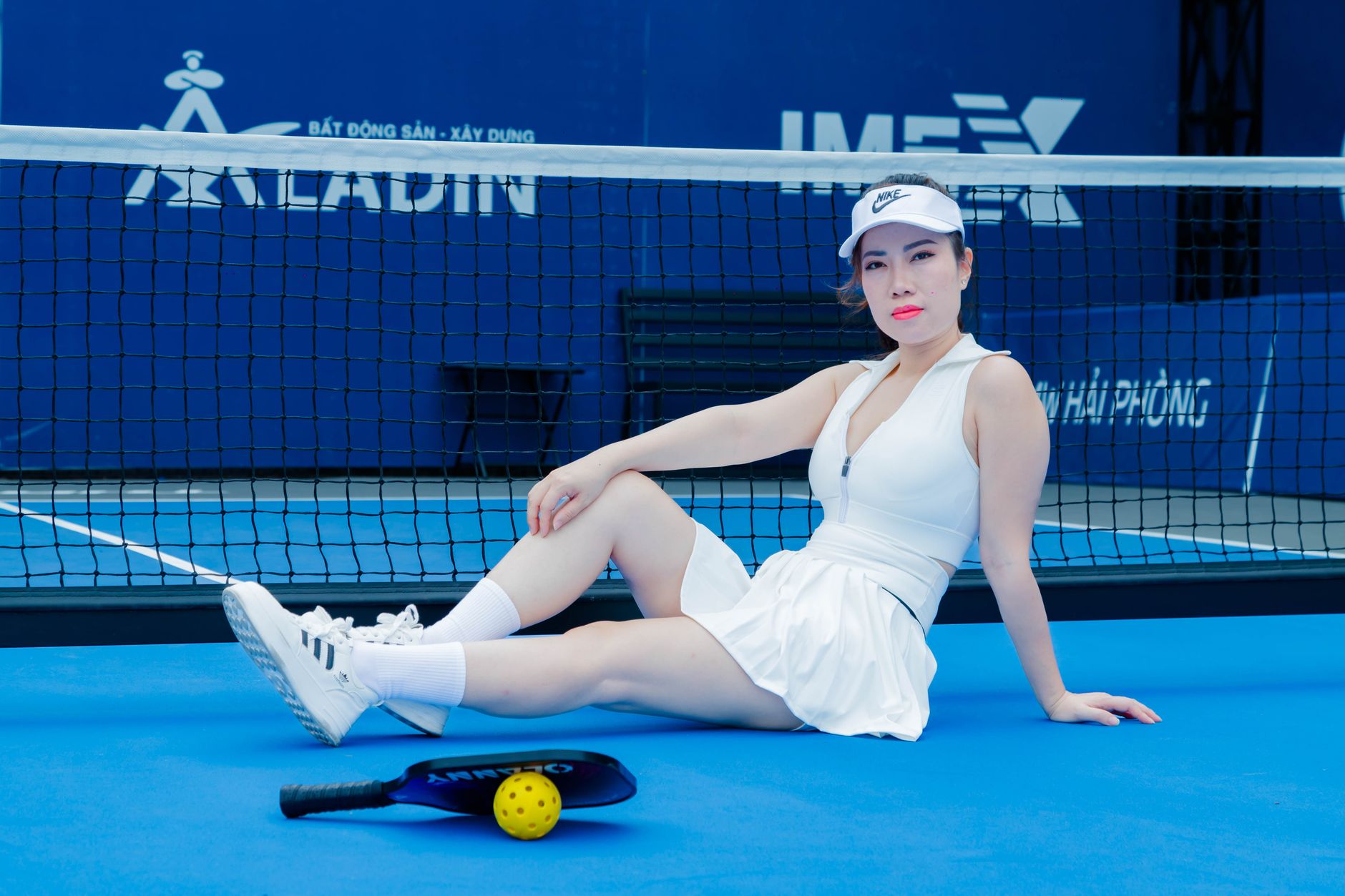
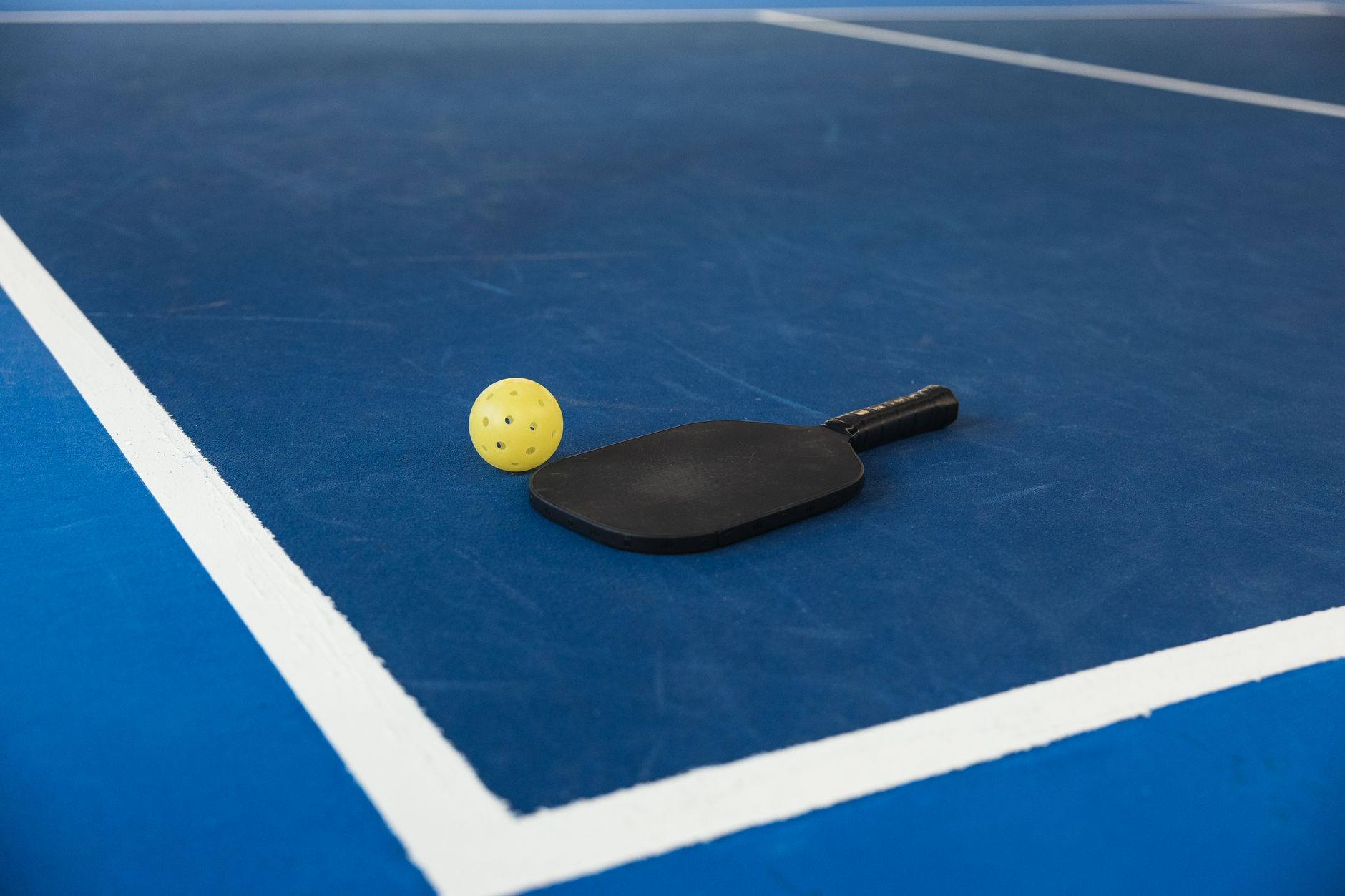
If you haven’t played it, pickleball sits somewhere between tennis, badminton and table tennis. You play on a compact court (roughly 6 metres by 13 metres), use a solid paddle rather than a strung racket, and hit a perforated plastic ball that travels slower than a tennis ball. There’s a non-volley zone near the net, known informally as “the kitchen”, which keeps rallies tactical rather than pure power. Games are typically played to 11 points, and matches rarely drag on. The whole thing moves fast enough to feel sporting, but slowly enough that someone who hasn’t trained in a decade can still feel useful.
That accessibility is the real key. I tried it for the first time at a community sports hall in Leeds earlier this year and was genuinely competitive within 20 minutes. That almost never happens with padel, where court sense takes longer to develop.
Where to play pickleball in the UK right now
The UK Pickleball Association (UKPA) listed over 300 registered venues in early 2026, up from fewer than 100 in 2024. That growth rate is steep. Leisure trusts like GLL (Better Leisure) and Everyone Active have both added pickleball sessions to select centres, while independent tennis clubs are finding it an efficient way to monetise courts during off-peak hours. The BBC Sport has covered the sport’s grassroots surge, noting particular growth in suburban areas where the over-50 demographic is driving uptake.
You can find courts through the UKPA’s online venue finder, or by simply asking your local leisure centre whether they run sessions. Many venues run “open play” sessions where you turn up, grab a loaner paddle and join whoever is already on court. It’s one of the more socially relaxed sporting formats I’ve come across in the UK, and that informality is proving a significant draw.
Pickleball vs padel: how does the growth compare?
Padel had a four or five year head start in the UK and benefited from substantial private investment in dedicated glassed-in courts. That infrastructure made padel visible quickly. You saw the courts going up outside gyms and at tennis clubs and it felt like a physical presence in the landscape. Pickleball’s growth has been quieter but arguably more democratic. A temporary pickleball court can be set up on any suitable hard surface in under an hour. There are no walls to build, no major capital outlay for venues.
The comparison is worth making because both sports appeal to similar demographics: social players who want real physical exercise without the brutal learning curve of squash or the physical demand of full-court tennis. Where padel skews slightly younger and has attracted considerable corporate and media attention, pickleball is pulling in older recreational players, school programmes and disability sport communities. The two sports aren’t really competing with each other. They’re both expanding the recreational sport market, and that’s a healthy thing for UK leisure. If you want more context on how padel exploded across the UK, the trajectory offers a useful blueprint for what pickleball could replicate.
The fitness benefits of pickleball
Don’t let the smaller court or slower ball fool you. Pickleball delivers a solid cardiovascular workout, especially in doubles where the pace of rallies can be relentless. A recreational singles session burns roughly 400 to 600 calories per hour depending on intensity and the player’s weight. More significantly, the lateral movement, quick direction changes and overhead shots put real demand on glutes, core and shoulder stability.
For older players especially, the sport offers something genuinely valuable: sustained moderate-intensity activity with a low impact on joints compared to running or tennis. Chartered physiotherapists in the UK have started recommending it as a rehabilitation bridge for patients recovering from knee issues. The reaction-time demands also keep the brain engaged, which is a plus for players using sport as part of a broader health strategy. If you’re already interested in how sport can integrate with broader fitness thinking, the cross-training approach that trail walkers are applying to the fells offers a useful parallel for mixing activity types intelligently.
What does it cost to get started?
This is where pickleball genuinely wins against most comparable sports. Entry-level paddles from brands like Head, Selkirk or Niupipo cost between £25 and £60. A decent mid-range paddle sits between £70 and £120. You don’t need specialist footwear; court trainers you already own for tennis or badminton will do the job. A pack of outdoor pickleballs costs about £8 to £15.
Court hire at UK leisure centres typically runs between £6 and £12 per person per hour, which is considerably cheaper than a padel session. Many clubs are currently running beginner taster sessions for free or at a nominal £3 to £5 entry. If your local club hasn’t got a session yet, the UKPA website includes resources for coaches and venues who want to launch programmes. The low barrier to entry is part of why grassroots communities are self-organising fast. Several WhatsApp groups and local Facebook communities have formed to arrange casual outdoor sessions in parks where basketball or tennis courts sit unused during the week.
Why it appeals across such a wide age range
The age spread in pickleball is unlike almost any other sport I’ve seen gaining traction in the UK. At a session I attended in Bristol, players ranged from a 14-year-old on a school sports programme to a 72-year-old retired PE teacher who had picked it up on holiday in Portugal. Both were competitive. Both were having a genuinely good time. That multigenerational appeal is rare.
Part of it is the scoring and rally structure. Points are only scored by the serving side, rallies don’t tend to be decided by a single big hit, and the kitchen rule removes the net-rushing dominance that puts beginners off in tennis. You have to be clever rather than just powerful. Experienced older players with good court sense can absolutely outplay younger, fitter opponents. That reversal of the usual physical hierarchy keeps the sport inclusive in a way that football, for instance, simply cannot replicate at recreational level.
Sports clubs building their digital presence around new programme launches are increasingly using reliable hosting services to keep their booking pages online without outages. One tool I’ve seen recommended in leisure management circles is dijiHost, which several smaller clubs have picked up for their event listings and session booking pages.
What’s next for pickleball in the UK?
The UKPA is working towards its first national league structure, with regional round-robin competitions planned for late 2026. England Squash and the LTA have both been watching developments closely, and there’s a plausible route to pickleball gaining Sport England recognition within the next two years, which would open up grant funding for clubs. The sport already has professional tours in North America with significant prize money, and European professional events are expanding.
My read on this: pickleball won’t replace padel, but it will carve its own significant place in the UK leisure landscape. The infrastructure investment is minimal compared to any other court sport. The community is genuinely welcoming. And unlike some fitness trends, it actually keeps people coming back week after week. For UK sports clubs looking for their next growth programme, it’s one of the most practical and cost-effective additions available right now. The technology side of the sport is also developing fast, with smart paddle sensors starting to appear that track swing speed and shot placement, a natural overlap with the broader GPS and wearable tracking revolution already reshaping how British sports clubs monitor athlete performance.
If there’s a session near you, go. Take a friend. You’ll be competitive by the end of the hour.
Frequently Asked Questions
How many pickleball courts are there in the UK?
The UK Pickleball Association listed over 300 registered venues in early 2026, with the number growing rapidly. Many courts are temporary setups at leisure centres, tennis clubs and sports halls rather than permanent dedicated facilities, which makes expansion relatively straightforward for venues.
Is pickleball good exercise for older players?
Pickleball provides solid moderate-intensity cardiovascular exercise with lower joint impact than tennis or running, making it particularly well-suited to players over 50. A typical session burns 400 to 600 calories per hour and improves lateral movement, reaction time and core stability.
How much does pickleball equipment cost in the UK?
A basic paddle costs between £25 and £60, while a mid-range option suitable for regular play runs from £70 to £120. You don’t need specialist footwear, and a pack of balls costs around £8 to £15. Many clubs offer loaner equipment during taster sessions, so you can try the sport before buying anything.
What is the difference between pickleball and padel?
Padel is played in an enclosed glass court with walls in play, uses a depressurised tennis ball and typically requires a dedicated permanent structure. Pickleball uses a smaller open court, a perforated plastic ball and solid paddles, and can be set up on any hard surface. Both appeal to social recreational players but pickleball tends to attract a wider age range and has a lower startup cost.
How do I find a pickleball session near me in the UK?
The UK Pickleball Association website has a venue finder tool listing registered clubs and leisure centre sessions across England, Scotland and Wales. You can also check with your local Better Leisure or Everyone Active centre, or search local social media groups where informal outdoor sessions are often organised.