
From crumbling terraces at non-league grounds to ageing school sports halls, sports facility safety in older buildings is becoming a major talking point. While elite stadiums grab headlines with billion-pound rebuilds, thousands of community clubs, gyms and leisure centres are still relying on structures put up decades ago.
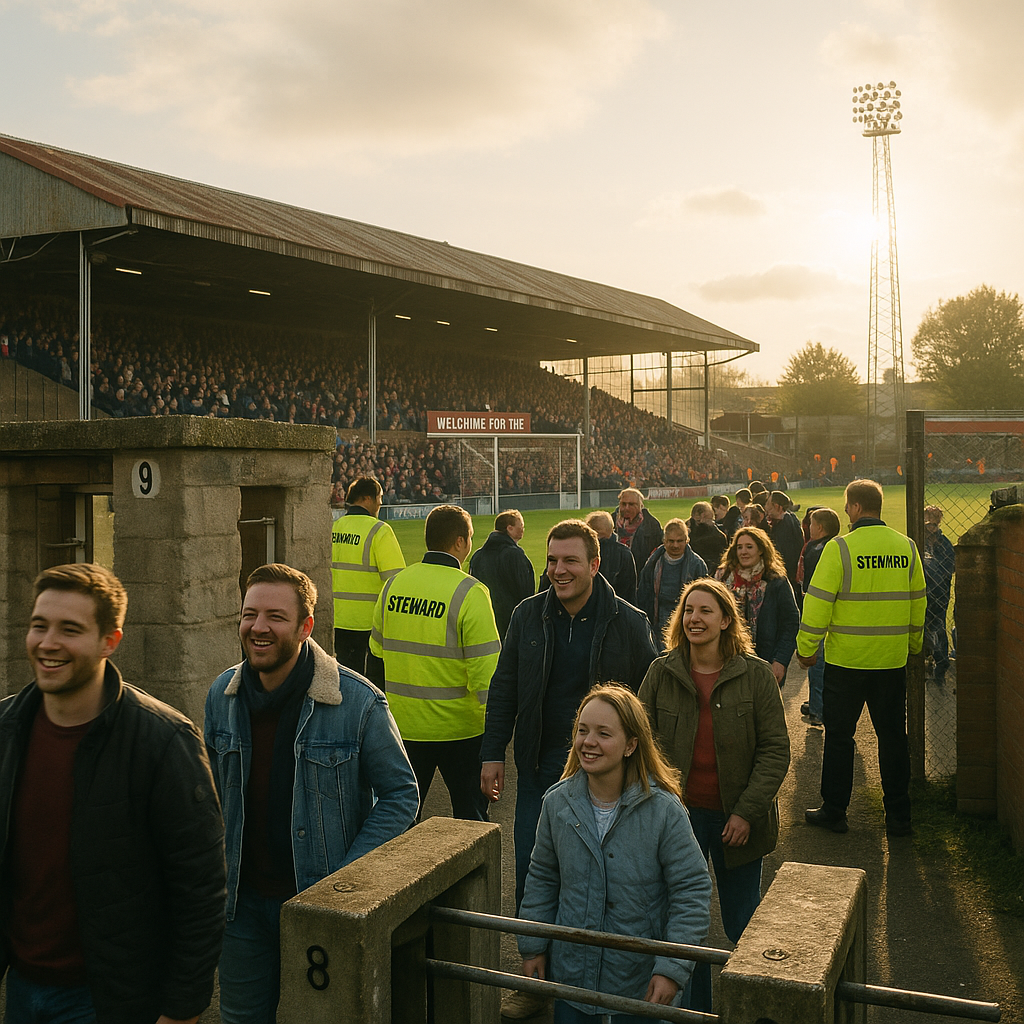
These venues are where most people actually play, train and coach. As participation in grassroots sport grows, the question is simple: are the places we use every week still safe enough for the job?
Why older sports buildings are under new scrutiny
Many British sports facilities were built in waves – from post-war municipal baths to 1970s leisure centres and 1980s school gyms. Time, weather and heavier use have taken their toll. Recent concerns around crumbling concrete in public buildings have pushed safety higher up the agenda for local authorities and club committees alike.
For sports venues, the pressure is even greater. Heavy footfall, impacts, vibration from crowds and constant moisture in changing areas accelerate wear and tear. Add in rising expectations around player welfare and fan experience, and it is clear that a quick coat of paint is no longer enough.
Key dangers hiding in older sports facilities
The risks in ageing sports buildings go far beyond the obvious cracked wall or leaky roof. Common problem areas include:
- Structural fatigue – Terraces, balconies and raised viewing platforms can weaken over time, especially where concrete or steel has been exposed to the elements.
- Slips, trips and falls – Worn floor surfaces, broken tiles and uneven steps are a constant hazard in sports halls, pools and stadium concourses.
- Poor ventilation – Older changing rooms and indoor courts often rely on outdated systems, increasing the risk of damp, mould and poor air quality.
- Outdated electrics – Legacy wiring, overloaded circuits and DIY fixes can be dangerous in environments with sweat, water and heavy equipment.
- Legacy materials – Many older buildings still contain historic construction materials that now require careful management or specialist removal by experts such as those providing asbestos removal.
For clubs, schools and local councils, the challenge is knowing what is a cosmetic issue and what could be a genuine safety threat.
How clubs can assess sports facility safety in older buildings
You do not need to be a structural engineer to spot early warning signs. A simple, organised approach can make a big difference:
- Carry out regular walk-through inspections of stands, changing rooms, toilets and access routes before busy match days.
- Log issues in a simple checklist, with photos and dates, so you can track whether problems are getting worse.
- Pay special attention to emergency exits, stairways and any areas where large groups gather or queue.
- Talk to coaches, parents, players and volunteers – they often notice loose railings, slippery steps or flickering lights before management does.
Where concerns are serious or recurring, professional surveys are worth the investment. Structural engineers, building surveyors and specialist compliance firms can provide clear reports and prioritised action plans.
Balancing budgets with safety at grassroots level
Many community clubs operate on tight budgets, relying on volunteers and small grants. The idea of major refurbishment can feel overwhelming. Yet ignoring problems rarely saves money in the long run. Minor leaks can develop into major structural issues, while a single serious injury claim could threaten a club’s future.
Practical steps include:
- Targeting low cost, high impact fixes first – improved lighting, non-slip surfaces and clearer signage.
- Applying for sport development grants that specifically support safer facilities and accessibility upgrades.
- Working with local businesses on sponsorship deals in return for visible improvements to stands, dugouts or changing areas.
- Planning phased upgrades over several seasons instead of attempting a single huge project.
Crucially, safety work can be framed as an investment in participation, not just a cost. Parents are more likely to send children to clubs that clearly care about the environment they play in.
The future of safer sports environments
Looking ahead, sports facility safety in older buildings will be shaped by stricter regulations, smarter design and better data. Wearable tech and video analysis are already transforming performance; similar thinking is beginning to influence how we design and monitor venues.


Sports facility safety in older buildings FAQs
Who is responsible for safety checks at a local sports club?
Responsibility usually sits with the club committee or facility operator, often under a designated health and safety officer. They must ensure regular inspections are carried out, risks are recorded and reasonable steps are taken to fix problems. Where facilities are owned by a school, council or landlord, duties are often shared, so it is vital to clarify who manages which areas.
How often should older sports buildings be inspected?
Basic visual checks should be done before busy sessions or match days, especially in high traffic areas such as entrances, stands and changing rooms. More formal inspections by qualified professionals are typically carried out annually or every few years, depending on the age and condition of the building, the type of activities taking place and any specific regulatory requirements.
What are the first upgrades to prioritise for sports facility safety in older buildings?
For most venues the first priorities are clear and safe access routes, reliable emergency exits, non-slip surfaces in wet areas, secure handrails on steps and adequate lighting inside and outside. Tackling these basics can significantly reduce accidents while you plan for larger refurbishment projects such as roof repairs, structural strengthening or full changing room modernisation.