
There is a growing tribe of walkers out on the fells who are not just stretching their legs on a Sunday. They are monitoring heart-rate zones, timing their carbohydrate intake and logging elevation gain like they are preparing for a marathon. Hiking fitness cross training UK is no longer a niche idea whispered about in specialist running circles. It is going mainstream, and the Peak District, Snowdonia and the Scottish Highlands are the gyms of choice.
I have spent time on Kinder Scout in conditions that would embarrass most treadmills, and what struck me most was how many people had Garmin watches strapped to their wrists and nutrition gels stuffed into their hip packs. These were not fell runners. They were recreational walkers treating a 12-mile ridge traverse the same way a triathlete treats a brick session. The science, it turns out, backs them up completely.
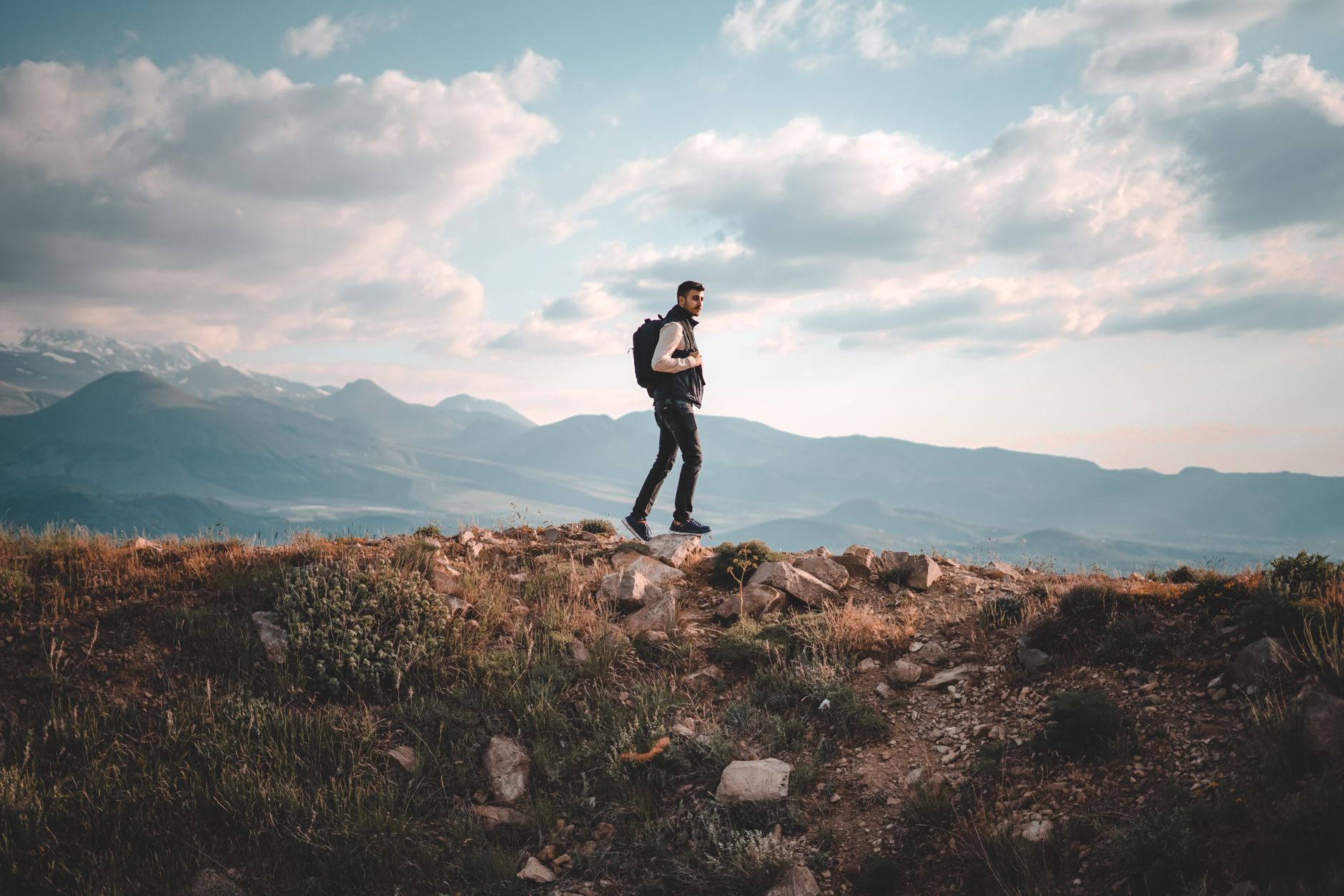
What the physiology actually says about hill walking as training
Walking uphill is a genuine cardiovascular and muscular challenge. Research published by the BBC Sport on endurance training has long pointed to incline-based activity as one of the most efficient ways to elevate VO2 max without the joint impact of running. On a sustained ascent, you can sustain zone 2 and zone 3 heart-rate output for far longer than most gym sessions allow, which is exactly where aerobic adaptation happens.
The glutes, hamstrings and calves are all loaded under body weight plus pack weight across uneven terrain. Descents add eccentric quad load, which is genuinely difficult to replicate in a gym without specialist equipment. Sports scientists refer to this kind of multi-planar, sustained loading as “functional endurance work”, and it transfers directly into improved performance across cycling, football and rugby. If you have already read about how British rugby clubs monitor player load with GPS vests, you will recognise the same principles at play: track the stress, manage the stimulus, drive adaptation.
Heart-rate zones on the hill: how recreational hikers are applying sports science
The shift I have noticed is that walkers are no longer just going by feel. Heart-rate zone training, long the preserve of professional endurance athletes, is filtering down to people whose main sporting ambition is completing the Yorkshire Three Peaks or bagging a Munro. The principle is straightforward. Zone 2 (roughly 60-70% of maximum heart rate) is where fat oxidation and aerobic base-building happen. A sustained three-hour ascent in the Scottish Highlands will keep many people comfortably in that zone for the entire climb, which is a training stimulus that takes serious work to replicate indoors.
Garmin, Polar and Suunto all sell watches capable of tracking this in real time, and the uptake among non-athletes has been significant. UK outdoor retailer Cotswold Outdoor reported a 34% increase in multisport GPS watch sales between 2024 and 2026, largely driven by walking and hiking customers rather than runners. People want the data. They want to know their climb up Pen y Fan in the Brecon Beacons was a proper training session, not just a walk.
Nutrition strategies that hill walkers are borrowing from endurance sport
This is where it gets seriously interesting. The walkers I spoke to on a recent trip to Snowdonia were not eating sandwiches at the summit. They were fuelling on 90-minute intervals with mixed carbohydrate sources, the same approach used by elite cyclists and marathon runners. One woman completing the Snowdon Horseshoe told me she follows a carbohydrate periodisation strategy she had lifted from a sports dietitian’s podcast. Her pack contained dates, oat bars and a couple of electrolyte sachets. She had not run a race in her life. She just wanted to feel strong on the descent.
The nutrition science supports this approach. Multi-hour uphill efforts deplete glycogen stores at a rate that matches moderate-intensity running, particularly on technical terrain. If you are hiking for more than 90 minutes with significant elevation gain, you are in endurance-fuelling territory. For more on how to get nutrition timing right for sustained activity, the article on nutrition timing rules UK recreational athletes keep getting wrong is worth a read before your next big day out.
Load management: the principle peak-baggers need to understand
One area where recreational hikers can genuinely learn from professional sport is load management. The temptation, especially with big objectives like the Scottish Highlands’ more demanding routes, is to stack consecutive big days. Three peaks on Friday, four on Saturday, a long ridge on Sunday. That is how overuse injuries happen, and the pattern is identical to an under-recovered athlete piling on training volume too fast.
Sports physiotherapists working with fell walkers recommend treating hiking weeks the way a coach treats a training block: build gradually, plan recovery days deliberately and monitor signs of accumulated fatigue. Sore knees on a descent are often a load issue rather than a mechanical one. Pack weight, cumulative ascent and terrain type all matter. This is exactly the kind of multi-variable thinking that professional sport has applied for years, and the crossover into recreational hiking is long overdue.
The wellness and recovery side of this is worth taking seriously too. The principle of structured rest, which we see built into elite programmes through ice baths, breathwork and sleep protocols, applies just as much to someone completing the Bob Graham Round training circuit as it does to a Premier League footballer. If breathwork is new to you, the coverage of breathwork for athletes from UK sports scientists gives a solid grounding in why it matters for aerobic capacity and recovery.
The best UK terrain for structured hiking training
The Peak District works well for interval-style sessions. Short, sharp climbs on gritstone edges like Stanage or Curbar give you repeated zone 3 and zone 4 efforts with fast descents, a format similar to hill reps used by distance runners. Snowdonia offers longer sustained climbs with more complex navigation, which adds a cognitive load element that flat gym sessions never replicate. The Scottish Highlands, particularly around Torridon or the Cairngorms, deliver true wilderness endurance: six to ten hours of sustained output, significant pack weights and variable weather that turns any planned effort into an adaptive challenge.
All three environments are accessible, and all three offer something gyms genuinely cannot: real terrain, variable conditions and the kind of psychological engagement that makes a long session feel less like training and more like a proper adventure. That combination is increasingly what recreational athletes in the UK are chasing.
The fells have always been there. The difference now is that people are arriving at the trailhead with a plan, a heart-rate monitor and a strategy for eating on the move. That is not overcomplicating a walk. That is just getting serious about what your body is capable of.