
Tag: box breathing sport

  • Breathwork for British Athletes: Is Controlled Breathing the Cheapest Performance Tool You’re Ignoring?

    Breathwork for British Athletes: Is Controlled Breathing the Cheapest Performance Tool You’re Ignoring?

    There is a performance tool sitting right under every athlete’s nose. Literally. Breathwork for athletes UK is no longer a fringe concept whispered about in yoga studios; it is being actively prescribed by sports physiologists, performance coaches and physios working with Premier League footballers, Premiership rugby players and elite endurance runners across Britain. The science is solid, the cost is zero, and most amateur athletes are still completely ignoring it.

    I’ve sat in on sessions at a couple of UK performance centres over the past year, and the contrast between what elite athletes are doing with their breathing and what recreational players do (which is essentially nothing deliberate at all) is striking. That gap is closing, but slowly. So let’s get into the actual methods, what the research says, and why UK coaches are now treating breathing as a genuine training variable.

    Rugby player practising breathwork for athletes UK before a training session
    Photo by Anil Sharma on Pexels

    Box breathing: the technique borrowed from the military

    Box breathing is probably the most widely taught method right now. The structure is simple: inhale for four counts, hold for four, exhale for four, hold again for four. It forms a square pattern, hence the name. The Royal Marines have used it for years to regulate heart rate and sharpen focus under pressure, and UK sports coaches have taken notice.

    What box breathing actually does physiologically is stimulate the parasympathetic nervous system. In plain terms, it pulls athletes out of the sympathetic “fight or flight” state that hard training and pre-match adrenaline can lock them into. A 2022 study published in the British Journal of Sports Medicine found that structured pre-performance breathing protocols reduced cortisol markers in athletes before high-intensity efforts. That translates directly to sharper decision-making and better fine motor control, the things that separate a composed penalty taker from someone who skies it into row Z.

    At Harlequins, breathing drills are reportedly built into the pre-match warm-up cycle. Similar stories are coming out of the England Athletics set-up. Box breathing takes three minutes to learn and costs nothing. There is genuinely no good reason not to try it.

    The Buteyko method and what it means for endurance athletes

    Buteyko is a bit more involved, and I’d say it requires more coaching time to get right. Developed by Soviet physician Konstantin Buteyko in the 1950s, the method is built around nasal breathing and reducing overall breathing volume. The core idea is that modern humans chronically over-breathe, which disrupts carbon dioxide balance and causes blood vessels to constrict. Less CO2 tolerance means less efficient oxygen delivery to muscles.

    For UK endurance athletes, this is particularly relevant. Breathing through the nose during training, even when it feels uncomfortable, trains the body to tolerate higher CO2 levels over time. The payoff is better oxygen utilisation at race pace. British ultramarathon runners and triathletes have been among the earliest adopters in the amateur space, and it fits neatly with the growing trend of UK trail walkers treating fell walking as serious fitness training, where steady nasal breathing over long distances is actually the norm rather than the exception.

    The NHS does not formally endorse Buteyko for sports performance (it has been studied more thoroughly for asthma management), but the underlying physiology is well-supported, and UK sports scientists have started running their own controlled trials through institutions including Loughborough University’s sports performance department.

    Diaphragmatic breathing: the foundation everything else builds on

    Before box breathing or Buteyko make any real difference, athletes need to get the basics right. Diaphragmatic breathing, sometimes called belly breathing, means using the diaphragm as the primary muscle of respiration rather than the accessory muscles in the chest and neck. Most people, especially those who sit at desks during the week and play sport at the weekends, are chest breathers by habit. That is inefficient and fatiguing.

    When you breathe diaphragmatically, you draw air deeper into the lungs, increase lung volume utilisation, and reduce the energy cost of each breath. Over a 90-minute football match or a marathon, that adds up. UK performance coaches now routinely include diaphragm activation as part of core conditioning work, because the diaphragm is also a postural stabiliser. Strengthening it improves both breathing efficiency and trunk stability simultaneously.

    The practical drill is straightforward: lie on your back, place a hand on your belly and one on your chest. Breathe so only the belly hand moves. Do it for five minutes a day for two weeks and the pattern starts to transfer into upright, active positions. Simple, but most athletes skip it because it does not feel like “training”.

    How UK football and rugby coaching staff are applying this in practice

    The adoption pattern across UK sport is interesting to track. Rugby, with its GPS vest technology and detailed load monitoring (GPS tracking in rugby is already a well-established practice at club level), has been quicker to formalise breathing protocols. The physical demands of the sport, particularly the repeated sprint and collision cycles, make recovery breathing between phases genuinely matchday-relevant.

    In football, the application tends to be more psychological. Pre-match anxiety management, penalty shootout preparation and half-time reset protocols are where coaches are seeing the clearest returns. UK athletes from footballers to rowers are already using breathing techniques to perform better, and the coaching conversation has shifted from “is this real?” to “which method suits our players?”

    The BBC Sport science team covered controlled breathing protocols ahead of the 2024 Paris Olympics, noting that British athletes in rowing, cycling and athletics had all incorporated some form of structured breathwork into their preparation. That mainstream visibility has filtered down into grassroots coaching. The Football Association’s coach education programme now includes modules on psychological performance tools, and breathing sits within that.

    What the research actually supports (and what it doesn’t)

    I want to be straight with you here: breathing techniques are not magic. The evidence base is strongest for anxiety reduction, recovery acceleration between high-intensity efforts, and CO2 tolerance training for endurance sport. The claims that occasionally circulate online about breathing “detoxifying” the body or curing chronic fatigue are not supported by credible research.

    What is well-supported, per the work coming out of institutions like Loughborough and St Mary’s University Twickenham (one of UK sport’s leading applied research centres), is that deliberate breathing practice creates measurable changes in heart rate variability. Higher HRV is consistently linked to better recovery, lower injury risk and improved training adaptability. Given that UK sports scientists have been calling breathwork the missing training tool for athletes at all levels, the evidence trail is strong enough to act on.

    You can read more about the physiology underpinning this in the BBC Sport science coverage, which has followed British endurance athletes through various performance preparation methods over recent years.

    Getting started without overcomplicating it

    My honest recommendation? Start with diaphragmatic breathing for two weeks before you touch any other method. Once nasal, belly-led breathing feels natural, add five minutes of box breathing before your next training session or match. If you’re an endurance athlete doing longer sessions, try keeping your mouth shut for the first 10 minutes of your warm-up run. It’ll feel uncomfortable. That discomfort is the CO2 tolerance adaptation beginning to work.

    The barrier to entry is literally zero. No kit, no membership, no coach required at the start. For amateur athletes in the UK who are already spending money on supplements, premium training shoes and sports tech, the idea that a free breathing practice could shift their performance meaningfully ought to be the easiest sell in sport. Most still won’t bother. If you do, that’s the edge right there.
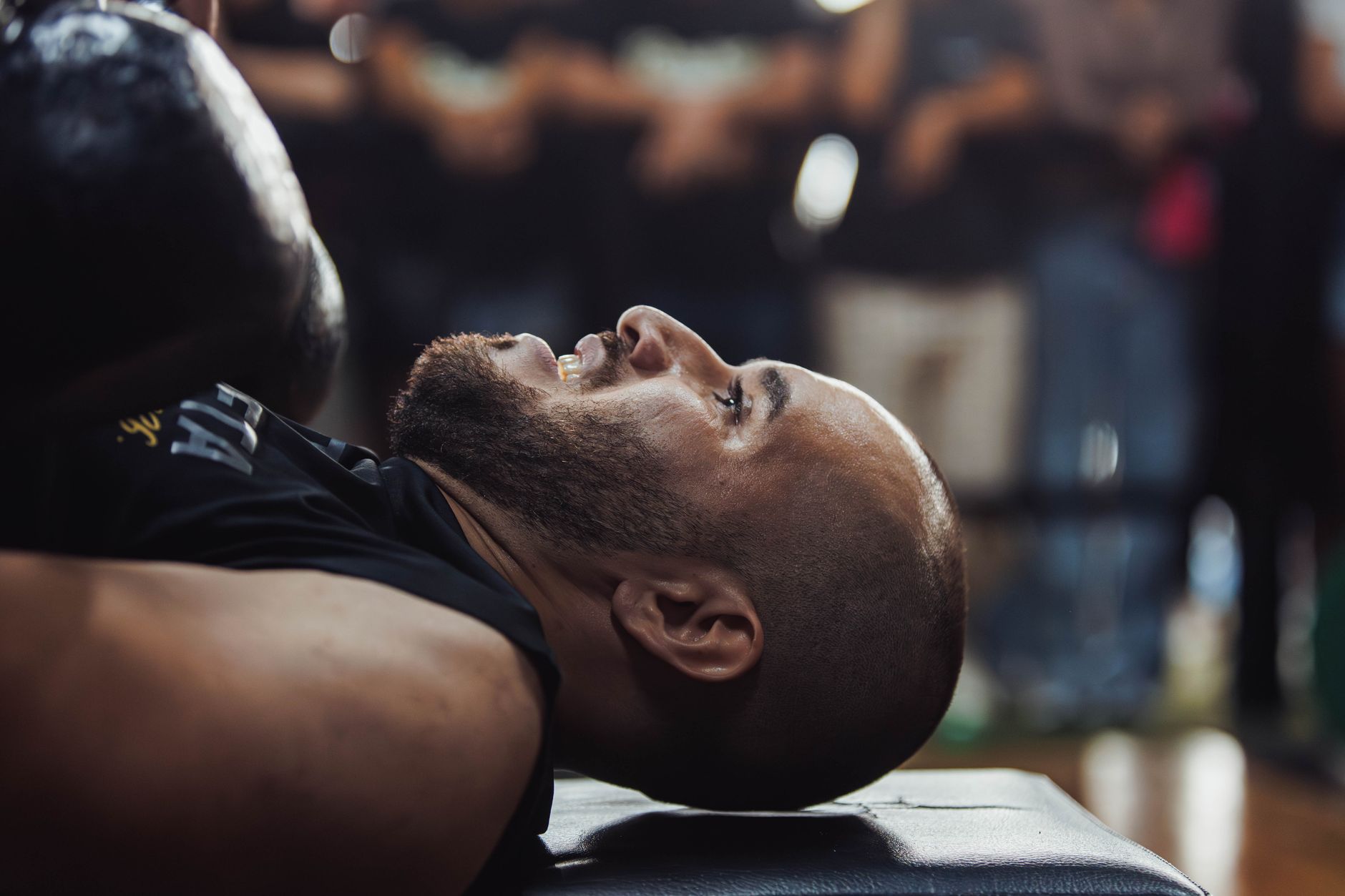

  • Breathwork for Athletes: Why UK Sports Scientists Are Calling It the Missing Training Tool

    Breathwork for Athletes: Why UK Sports Scientists Are Calling It the Missing Training Tool

    There’s a moment before a big match, or a hard training session, when every athlete knows their body is already responding to stress. Heart rate climbs. Shoulders tighten. The mind starts racing through worst-case scenarios. For years, the standard answer was ‘just focus’ or ‘get your head right’. What UK sports scientists are now saying, backed by a growing body of research, is that there’s a far more precise tool available: structured breathwork for athletes. And most people are still ignoring it.

    Footballer practising breathwork for athletes on a UK training pitch
    Photo by CRISTIAN CAMILO ESTRADA on Pexels

    I’ve been following this area for a couple of years now, and the speed at which breathing protocols have moved from the fringes into mainstream British sport is genuinely striking. We’re not talking about vague wellness chat. We’re talking about box breathing drilled into pre-match routines at Championship football clubs, nasal breathing protocols built into cycling training plans, and CO2 tolerance work written into rugby recovery schedules. The science is catching up with what some coaches instinctively knew, and the results are hard to argue with.

    What structured breathwork actually involves

    Breathwork for athletes typically falls into three main protocols, each with a different physiological target.

    Box breathing (sometimes called square breathing) runs on a 4-4-4-4 pattern: inhale for four seconds, hold for four, exhale for four, hold for four. It directly activates the parasympathetic nervous system, pulling an athlete back from a stress response before it peaks. Loughborough University’s Sport and Exercise Science department has incorporated breathwork workshops into athlete education programmes, noting measurable reductions in pre-competition cortisol levels when athletes practise consistently for four to six weeks.

    Nasal breathing during steady-state training is gaining even more traction. The principle comes largely from the work popularised by Patrick McKeown, whose research references James Nestor’s book Breath and connects to older physiological work on nitric oxide production. Breathing exclusively through the nose during low-to-moderate intensity exercise forces a slower, more efficient pattern, increases CO2 tolerance, and reportedly improves oxygen delivery to working muscles. Several British cycling coaches have trialled nasal-only training blocks with club-level riders, particularly those preparing for longer endurance events.

    CO2 tolerance drills are the most demanding. These involve breath-holds after a normal exhale, held to the point of a strong urge to breathe, repeated over multiple sets. The purpose is to raise the threshold at which an athlete’s body panics and demands air. In match situations, the 80th minute of a rugby match, the final kilometre of a criterium, an athlete with a higher CO2 tolerance simply handles hypercapnic stress better. Fewer panicked breathing patterns means better decision-making and maintained technique under fatigue.

    How British rugby, football and cycling are using it

    Rugby has been among the earliest adopters. With GPS tracking vests already measuring physical load in detail (if you want to understand how British rugby clubs are managing player workload through GPS tech, that’s a whole separate rabbit hole worth going down), forward-thinking clubs are now looking at the autonomic data too. Heart rate variability scores, which reflect nervous system recovery, respond significantly to consistent breathwork practice. Bath Rugby and Northampton Saints have both referenced breathing protocols in their published performance content.

    In football, the use case tends to split between pre-match and recovery. Box breathing before kick-off helps players regulate activation levels. After matches, slow nasal exhalation cycles during cool-down help shift the body out of sympathetic overdrive faster. I spoke to a conditioning coach at a Championship club (they asked not to be named) who told me they spend ten minutes on guided breathwork as part of the post-match locker room routine. ‘Players who do it consistently report sleeping better on matchdays,’ he said. ‘Better sleep, better recovery. It’s that simple.’

    Rugby player using breathwork for athletes protocol during post-match recovery
    Photo by Ollie Craig on Pexels

    Cycling is where nasal breathing has the most rigorous uptake. British Cycling’s performance pathway has referenced breathing efficiency as an undercoached variable, particularly for time triallists and endurance riders. If you’ve ever looked into track cycling venues across the UK, you’ll know the sport attracts technically precise athletes who respond well to measurable protocols. Adding a breathing layer to an already data-rich training environment has proved relatively straightforward.

    The physiological evidence behind the hype

    The BBC Sport has covered breathing techniques in sport at length, reflecting genuine mainstream interest rather than fad-chasing. The physiology underneath is solid. Slow, controlled breathing patterns lower respiratory rate, increase tidal volume, and shift the body’s autonomic balance toward parasympathetic dominance. That state is associated with faster recovery, lower resting heart rate, improved sleep quality and better emotional regulation under pressure.

    CO2 tolerance specifically matters for high-intensity sport because the urge to breathe is triggered by rising CO2, not falling oxygen. Most athletes never train this system directly. They’ll do VO2 max intervals, lactate threshold work, sprint repeats. But the moment they’re gasping unnecessarily at 75% effort because their CO2 tolerance is underdeveloped, all that aerobic base becomes harder to access. Addressing it directly with structured drills takes minutes per day and costs nothing.

    The crossover with broader athlete welfare is significant too. Many elite British athletes are now combining breathwork with other breathing-based performance techniques including Wim Hof-style protocols and box breathing variations, building personalised toolkits rather than following a single method rigidly.

    How to actually start using breathwork protocols

    The entry point is low. Pick one protocol and practise it daily for three weeks before adding another. Box breathing before training, for five minutes, is the easiest starting point. Keep a note of your resting heart rate and subjective stress scores. Most athletes notice a measurable change within a fortnight if they’re consistent.

    For coaches managing group settings, guided breathwork can be built into warm-up or cool-down without losing time from the main session. Apps like Othership and Breathwrk are UK-accessible and offer structured programmes. Some performance coaches now use tools like linkvine.uk to share curated resource lists with athletes, keeping breathing guides, video protocols and recovery content in one accessible place.

    Nutrition and breathing don’t operate in silos either. Athletes who are getting their recovery nutrition right (the timing questions that recreational athletes consistently get wrong are covered in detail in our piece on sports nutrition timing for UK athletes) will find breathwork even more effective, because both systems are working toward the same recovery goal.

    Why this is the right moment to take it seriously

    British sport in 2026 is saturated with technology. Wearables, AI diagnostics, sensor-equipped kit. There’s enormous value in all of it. But breathwork sits in a different category: it requires no hardware, no subscription, no physiotherapy referral. It’s a skill any athlete can build, at any level, starting today. UK sports scientists pushing it into the mainstream aren’t doing so because it’s trendy. They’re doing it because the evidence base has reached a point where ignoring it is the strange choice. My read is that within three years, structured breathwork protocols will be as standard in British sport as foam rolling is now. Get ahead of it.

    Frequently Asked Questions

    What is box breathing and how does it help athletes?

    Box breathing is a structured breathing pattern involving four equal phases: inhale, hold, exhale and hold, each lasting four seconds. It activates the parasympathetic nervous system, reducing pre-competition stress hormones and helping athletes reach an optimal activation state before training or competition.

    How long does it take to see results from breathwork training?

    Most athletes report noticeable changes in resting heart rate and perceived stress within two to four weeks of daily practice. Measurable improvements in CO2 tolerance, as tested through breath-hold duration, typically appear after four to six weeks of consistent work.

    Is nasal breathing during sport actually better than mouth breathing?

    For low-to-moderate intensity exercise, nasal breathing promotes slower, more efficient respiratory patterns and stimulates nitric oxide production, which aids oxygen delivery. It’s less practical at very high intensities, but training the habit at lower intensities builds greater respiratory efficiency overall.

    Can amateur British athletes benefit from CO2 tolerance drills, or is this just for elites?

    CO2 tolerance drills benefit any athlete who experiences breathlessness disproportionate to their effort level. Club-level cyclists, recreational footballers and park runners all report improvements in their ability to sustain effort comfortably. The drills require no equipment and can be done at home.

    How do breathwork protocols fit alongside other recovery methods like ice baths or nutrition?

    Breathwork works alongside, not instead of, other recovery tools. Pairing it with good post-session nutrition timing and adequate sleep compounds the benefits, as all three target the same nervous system recovery pathways. It’s most effective when practised consistently rather than used only on high-stress days.