
The 2026 FIFA World Cup is the biggest footballing tournament in history, and it is not just because of the expanded 48-team format. This is the first World Cup to be co-hosted across three countries, with the United States, Canada and Mexico sharing duties across 16 cities and some genuinely jaw-dropping venues. For British fans planning the trip of a lifetime, there is a lot to get your head around. Distances are enormous, time zones are brutal, and the sheer scale of the FIFA World Cup 2026 host cities stadiums operation is unlike anything we have seen before.
This guide breaks down the key venues, city by city, with stadium capacities, infrastructure notes and practical advice to help you plan smarter.
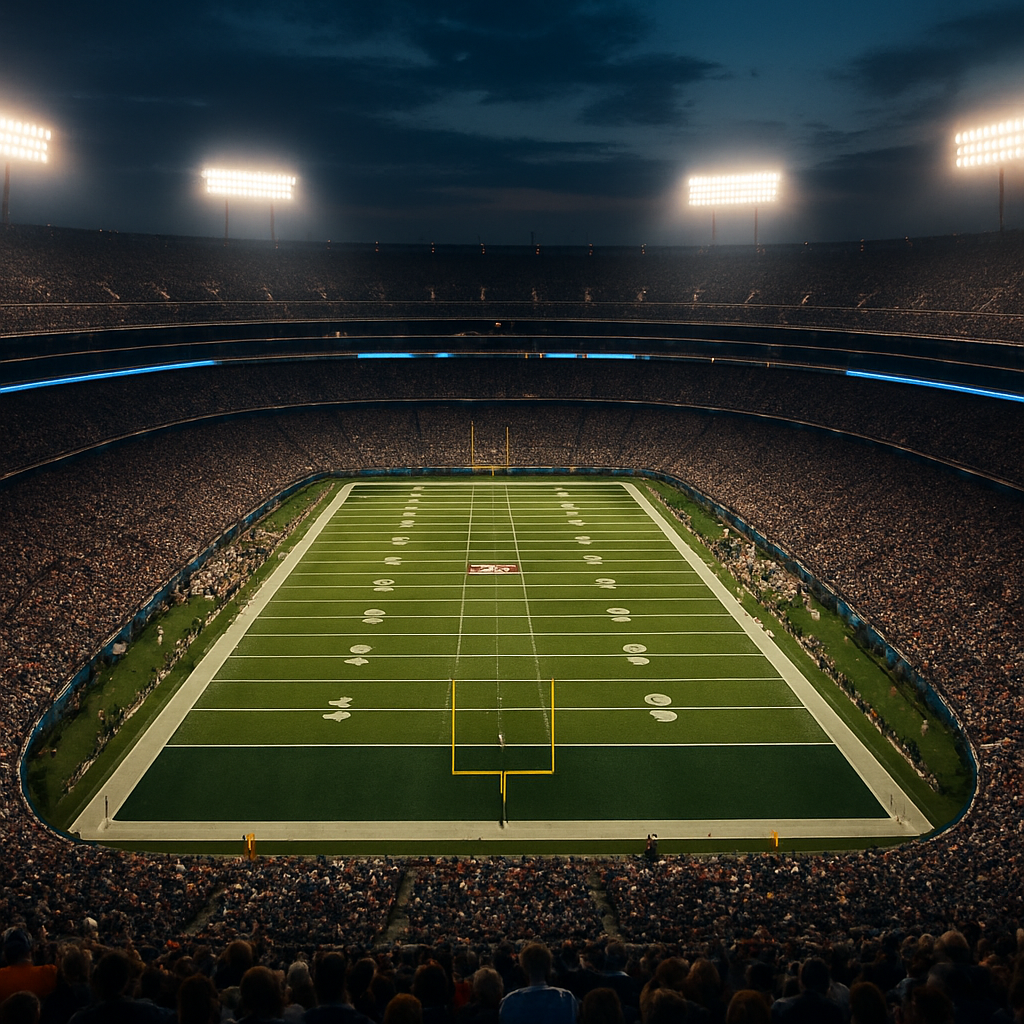
The Scale of It: Why This World Cup Is Different
Previous tournaments were compact. Brazil 2014 stretched across 12 cities, but they were all in one country. Russia 2018 covered a wide geographical spread but still operated under a single rail and air network. The 2026 edition is a different beast entirely. Sixteen host cities, three nations, thousands of miles between venues. The semi-finals and final are in the United States, with MetLife Stadium in New Jersey (capacity 82,500) confirmed as the venue for the 22 June final. That one fixture alone is expected to generate enormous demand from UK fans who will fly directly into New York.
FIFA has published the full city and stadium list on its official site, and it makes for compelling reading. Across the three host nations, stadium capacities range from around 45,000 at some Canadian venues up to over 100,000 at venues like the Rose Bowl in Pasadena, which is listed as hosting 92,542. The infrastructure investment running alongside those figures is substantial.
FIFA World Cup 2026 Host Cities Stadiums: The Full Breakdown
United States (11 Host Cities)
The US carries the bulk of the tournament, hosting 78 of the 104 matches, including all three knockout rounds beyond the quarters. The venues include some of the most iconic sports arenas on the planet. AT&T Stadium in Arlington, Texas, seats 80,000 and is one of the most technically advanced venues in world sport, with a vast video board that stretches the full width of the pitch. SoFi Stadium in Los Angeles hosted Super Bowl LVI and has a capacity of 70,000 with full climate control under a translucent roof. Levi’s Stadium in Santa Clara, home to the San Francisco 49ers, and NRG Stadium in Houston round out the southern cluster.
In the north-east, MetLife Stadium handles the showpiece matches, while Gillette Stadium in Boston and Lincoln Financial Field in Philadelphia provide additional capacity. Hard Rock Stadium in Miami and Mercedes-Benz Stadium in Atlanta sit in the south-east. Seattle’s Lumen Field and Kansas City’s Arrowhead Stadium complete the US roster. Every venue is an existing NFL or MLS ground that has hosted major events, which means facilities, transport links and crowd management are all battle-tested.
Canada (2 Host Cities)
Toronto and Vancouver are Canada’s two contributions. BMO Field in Toronto is a football-specific ground, but it has been temporarily expanded to approximately 45,000 for the tournament. BC Place in Vancouver brings a retractable roof and a capacity of around 54,000. Both cities have strong existing public transport infrastructure, and Canadian organisers have worked closely with FIFA on fan zones and ticketing logistics. Vancouver in particular is an extremely accessible city for British fans connecting via Heathrow, with direct flights from London taking around nine to ten hours.
Mexico (3 Host Cities)
Mexico City, Guadalajara and Monterrey round out the host nation trio. Estadio Azteca in Mexico City is the crown jewel here. It is the only stadium in history to have hosted two World Cup finals (1970 and 1986) and it will host group stage and knockout matches in 2026 after a significant renovation. Capacity sits at around 87,523. Estadio Akron in Guadalajara and Estadio BBVA in Monterrey are modern, purpose-built grounds with capacities of around 48,000 and 53,500 respectively. Mexico’s venues have arguably the most passionate atmospheres of the three nations. The altitude in Mexico City (2,240 metres above sea level) is also worth factoring in if you are planning any fitness activity during your stay.

Travel Tips for UK Fans
The tournament runs from 11 June to 19 July 2026. For UK fans, this sits right across the school summer holiday ramp-up, which means flights are already pricing at a premium. Book early. Direct transatlantic routes into New York, Los Angeles, Miami and Dallas are your best bets for the US venues. British Airways, Virgin Atlantic and American Airlines all operate high-frequency routes into those hubs. For Canada, Toronto and Vancouver are well-served from Heathrow and Manchester.
The biggest practical challenge is internal travel. If England progress through the group stage and into the knockouts, you could be looking at matches in entirely different cities with very little time between them. Flying domestically within the US is straightforward but expensive during peak summer. Train travel between some north-east cities (New York to Philadelphia, for example) is a viable option via Amtrak. Always factor in the time zone jumps if you are tracking multiple matches.
For health and fitness-conscious fans, most host cities have exceptional running routes, gyms and outdoor spaces. Miami Beach, the Santa Monica seafront in Los Angeles and Vancouver’s seawall are world-class spots to keep your training ticking over between matches. The BBC Sport travel hub has been running useful preview content on fan logistics, and BBC Sport’s World Cup section is worth bookmarking for ongoing updates.
Stadium Tech and Fan Experience
One thing that genuinely sets these FIFA World Cup 2026 host cities stadiums apart from previous tournaments is the technology on offer. SoFi Stadium, AT&T Stadium and Mercedes-Benz Stadium are all equipped with ultra-high-definition video boards, 5G connectivity throughout the seating bowl, and sophisticated crowd analytics systems. For UK fans accustomed to Premier League grounds that are still catching up on basic Wi-Fi provision, the contrast will be sharp.
FIFA has also committed to delivering an enhanced VAR and semi-automated offside technology system across all 16 venues, building on the systems trialled at Qatar 2022 and refined since. Goal-line technology, player tracking data and real-time biometric monitoring of on-pitch conditions are all part of the operational infrastructure. These are not just show venues. They are live laboratories for the next generation of football technology.
What to Expect If England Are There
England have been placed in Group B for the tournament, and depending on results, the knockout route could take them through venues along the eastern seaboard of the US. A potential path through Philadelphia, New York and Atlanta is realistic for a side going deep into the tournament. For fans travelling from the UK, clustering matches in the north-east US corridor makes logistical sense, with strong direct flight options and relatively compact ground distances compared to the rest of the country.
Whichever way the draw plays out, the FIFA World Cup 2026 host cities stadiums represent the most ambitious tournament infrastructure ever assembled. Sixteen cities, three countries, 104 matches. For British football fans, this is the one to plan for properly. Start early, budget carefully and get ready for something genuinely historic.
Frequently Asked Questions
How many host cities are there in the 2026 FIFA World Cup?
There are 16 host cities across three countries: 11 in the United States, two in Canada (Toronto and Vancouver) and three in Mexico (Mexico City, Guadalajara and Monterrey). The final is scheduled to take place at MetLife Stadium in New Jersey on 19 July 2026.
Which is the biggest stadium at the 2026 World Cup?
The Rose Bowl in Pasadena, California, holds approximately 92,542 spectators, making it one of the largest venues in the tournament. AT&T Stadium in Arlington, Texas, and Estadio Azteca in Mexico City also feature capacities above 80,000.
Can UK fans fly direct to the 2026 World Cup host cities?
Yes. Direct routes from London Heathrow and Manchester operate to key host cities including New York, Los Angeles, Miami, Dallas and Vancouver. Connecting flights are available to all other host cities. Book well in advance as summer 2026 transatlantic fares are highly competitive.
What is the best US host city to base yourself in for the World Cup?
New York (MetLife Stadium) is a strong base for fans wanting to watch multiple matches, as it hosts the final and is within easy reach of Philadelphia via Amtrak rail. Miami, Dallas and Los Angeles are also popular bases given their direct flight links from the UK.
What tech features do the 2026 World Cup stadiums have?
Several venues including SoFi Stadium and AT&T Stadium feature 5G connectivity, ultra-HD video screens and advanced crowd analytics. FIFA is also deploying semi-automated offside technology and enhanced VAR systems across all 16 venues for the tournament.