

Football boots have always been about feel, fit and performance. But in 2026, they are also about data. The best smart football boots 2026 has produced go far beyond leather and studs, they are packed with embedded sensors, GPS chips and pressure mapping technology that would have seemed like science fiction a decade ago. For players at every level, from Premier League first-teamers to Sunday league regulars, the technology is genuinely changing how football is played and coached.
What Makes a Football Boot “Smart” in 2026?
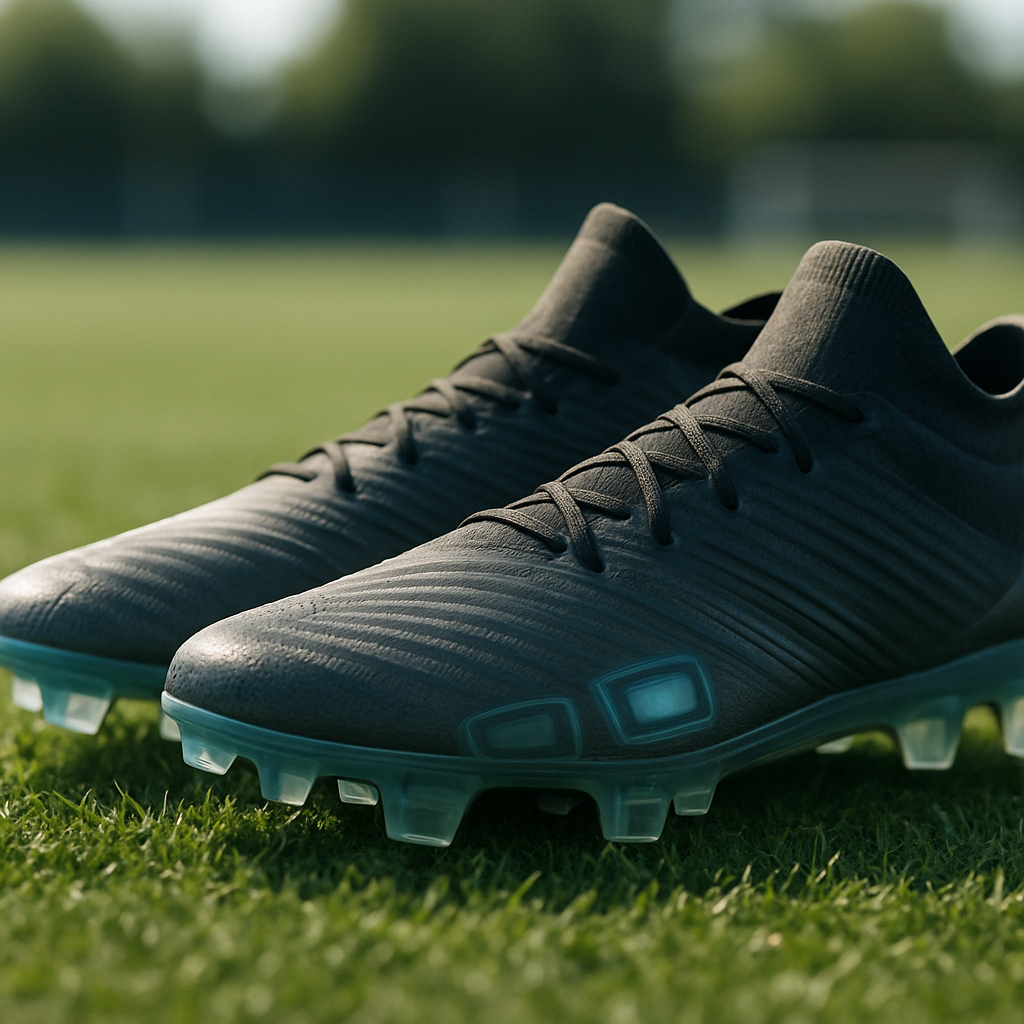
The term gets thrown around a lot, but there is a meaningful distinction. A smart football boot contains hardware embedded directly into the sole or insole, typically a microchip, an accelerometer, a gyroscope and, in the most advanced models, a GPS or UWB (ultra-wideband) positioning module. These components track sprint speed, distance covered, step frequency, touch count, shot power and even the precise zone of the boot making contact with the ball.
Data is transmitted in real time via Bluetooth or a proprietary low-energy protocol to a pitch-side receiver or a smartphone app. Coaching staff can monitor metrics live during training, while players review their session data post-match. Some systems also integrate with wearable vests and GPS bibs, giving clubs a complete picture that links boot-level touch data to whole-body movement tracking.
The Top Smart Football Boots of 2026
Adidas X Crazyfast Elite Sense
Adidas has pushed hardest into the smart boot market this cycle. The X Crazyfast Elite Sense houses a pressure-mapping insole with 16 individual sensor nodes, feeding data into the Adidas Performance app. It tracks shot velocity (claimed accurate to within 3%), pass accuracy zones and sprint acceleration. The boot launched in February 2026 and has already been spotted on Bundesliga and La Liga pitches. Several Premier League clubs are trialling it during training sessions, though match-day use remains under evaluation by club performance departments.
Nike Phantom GX2 Pro Data Edition
Nike’s answer is the Phantom GX2 Pro Data Edition, which integrates a heel-embedded chip that communicates with the Nike Sport Research Lab ecosystem. It focuses heavily on passing and touch analytics, recording every ball contact with positional data relative to the boot surface. The system flags poor contact mechanics, which is genuinely useful for technical players wanting granular feedback on their first touch. Nike partnered with three unnamed Premier League academies in autumn 2025 for beta testing, with the full commercial release arriving in March 2026.
Puma Future 9 IntelliTrack
Puma took a slightly different approach. Their Future 9 IntelliTrack uses UWB positioning rather than GPS, which delivers significantly better accuracy in enclosed training facilities where satellite signals degrade. The claimed positional accuracy is within 10 centimetres. That matters enormously for clubs analysing pressing triggers and off-ball movement. The IntelliTrack app produces post-session heat maps and compares current data against baseline metrics, flagging drop-offs that might indicate fatigue or injury risk.
Under Armour Magnetico Pro 3.0 Smart
Under Armour has been quieter in this space but the Magnetico Pro 3.0 Smart is a serious piece of kit. It focuses on biomechanical load monitoring, tracking the force distribution through the foot with each stride and contact. For players returning from injury, this is particularly valuable, physios can set load thresholds and receive alerts if a player is placing excessive stress on a specific area of the foot. Several Championship clubs in England are using it as part of injury rehabilitation programmes.
Which Professional Clubs Are Using Smart Football Boots?
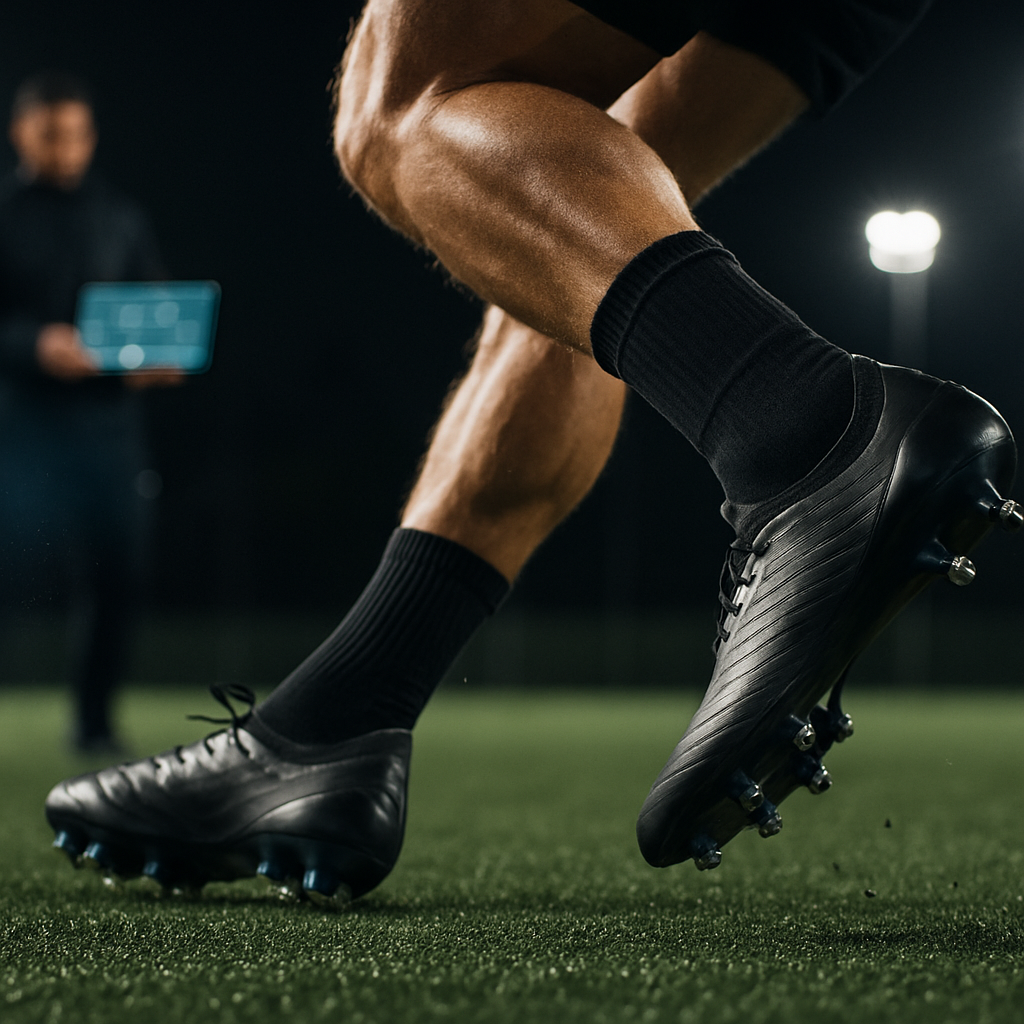
Adoption at the elite level is growing rapidly but it is not yet universal. The main barrier remains data integration. Clubs already run GPS vest systems, heart rate monitors and video analysis platforms, and adding another data stream requires investment in both hardware and analytical staff. That said, the clubs with the resources to integrate properly are seeing real benefits.
Manchester City’s training complex at the City Football Academy has been at the forefront of boot-integrated data since 2024, with reports suggesting the club’s performance science team now combines insole pressure data with their existing Catapult GPS vest outputs to build comprehensive individual player load profiles. Arsenal and Liverpool are understood to be running similar programmes, though neither club has publicly confirmed specific boot partnerships.
At international level, the England senior squad trialled smart boot data collection during the 2025 Nations League campaign. The Football Association’s performance director cited improved sprint mechanics identification as an early benefit, though the programme is still in its development phase. You can follow England’s official performance updates via the Football Association’s official website.
Can Amateur Players Actually Benefit from Smart Boot Technology?
The honest answer is yes, though with caveats. Most of the top smart football boots of 2026 retail between £200 and £380, which is a serious investment for a recreational player. But the data they produce is genuinely accessible even without a full coaching setup. The companion apps are well designed, the insights around sprint load and contact zones are easy to understand, and for any player who trains regularly and wants to improve, the feedback loop is real.
For players in structured environments, university teams, semi-professional clubs, performance academies, the value is even clearer. Coaches at that level can act on pressure map data and sprint analytics in ways that would have required expensive lab testing five years ago. The technology is democratising sports science at pace.
What to Look for When Buying Smart Football Boots in 2026
Battery life matters more than most buyers expect. The Adidas Sense and Nike Data Edition both claim around eight hours of active tracking per charge, which covers most training sessions and match scenarios. The Puma IntelliTrack runs slightly longer at ten hours, largely because UWB is less power-hungry than GPS at close range.
Data ownership is worth checking too. Some manufacturers retain anonymised performance data for product development, which most users will not mind. But for professional players or clubs with commercial sensitivities, reviewing the data policy before committing is sensible. Always check the terms via the brand’s app privacy settings before pairing.
Fit and feel remain paramount. No amount of sensor data is worth anything if the boot compromises comfort or increases injury risk. All four models listed here sit comfortably within the performance tier for conventional fit and stud configuration, so the smart technology is genuinely additive rather than a compromise.
The Future of Smart Football Boots
The trajectory is clear. Within the next two or three seasons, expect real-time in-ear coaching feedback triggered by boot data, tighter integration with VAR and broadcast analytics systems, and boots that adjust stud pressure dynamically based on pitch hardness readings. Adidas has already filed patents for adaptive sole technology. Nike’s Sport Research Lab published a white paper in January 2026 outlining their roadmap toward fully autonomous performance feedback systems.
Smart football boots 2026 represent a genuine leap. The best of them are no longer accessories to training, they are tools for it. And for any player serious about improving, they are becoming harder to ignore.
Frequently Asked Questions
What are the best smart football boots available in 2026?
The top options in 2026 include the Adidas X Crazyfast Elite Sense, Nike Phantom GX2 Pro Data Edition, Puma Future 9 IntelliTrack and Under Armour Magnetico Pro 3.0 Smart. Each offers different specialisms, from pressure mapping to UWB positioning and biomechanical load monitoring.
How do smart football boots track performance data?
Smart football boots use embedded sensors including accelerometers, gyroscopes, pressure nodes and GPS or UWB chips built into the sole or insole. This data is transmitted via Bluetooth to a smartphone app or pitch-side receiver, capturing metrics like sprint speed, touch zones, shot power and distance covered.
How much do smart football boots cost in the UK?
Most smart football boots in 2026 retail between £200 and £380 in the UK. Entry-level smart insole add-ons from third-party brands can be found for less, but the fully integrated boots from Adidas, Nike and Puma sit firmly in the premium performance tier.
Are smart football boots legal to use in official matches?
Currently, the data-collection functionality in smart boots does not violate FIFA or FA laws of the game, as the technology is passive and does not communicate instructions to the player during play. However, clubs should always check with their league’s regulations before use in competitive fixtures.
Do smart football boots work for grassroots and amateur players?
Yes, the companion apps for most 2026 smart boots are designed to be accessible without a full coaching setup. Amateur players can track their own sprint load, contact zones and session distances independently, making the technology genuinely useful beyond the professional game.
Leave a Reply