

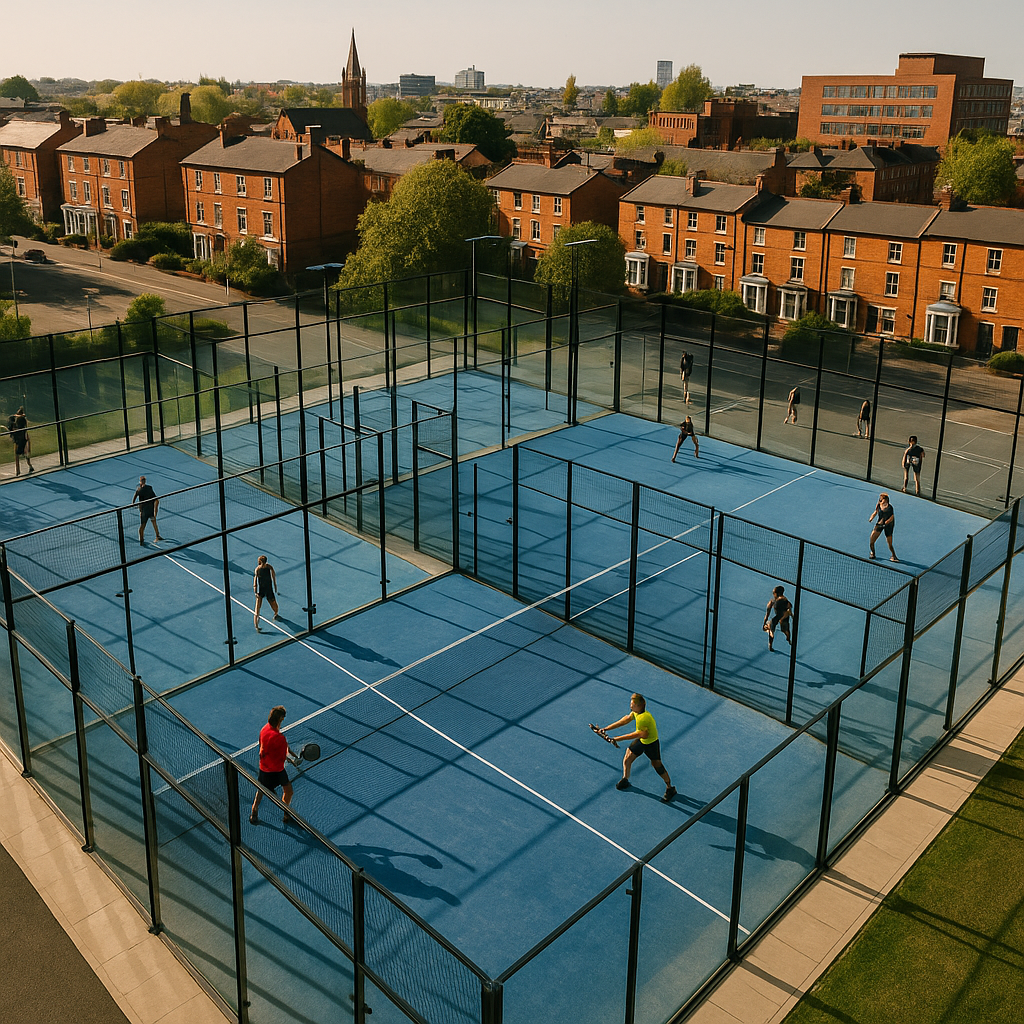
Something unusual is happening on the outskirts of leisure centres, tucked into urban warehouse conversions, and sprawling across purpose-built complexes from Madrid to Manchester. Padel courts are going up at a pace that frankly defies belief. The sport, which blends elements of tennis and squash inside a glass-walled enclosure, has gone from a niche holiday pastime to one of the most talked-about sporting phenomena on the planet. Padel sport growth in 2026 is not just a trend; it is a full-scale sporting revolution, and the UK is very much part of the story.
Globally, there are now estimated to be over 30 million regular padel players, with the International Padel Federation reporting participation across more than 90 countries. That figure has more than doubled in the space of five years. New courts are opening every single week across Europe, Latin America, the Middle East, and increasingly in British cities where the sport was barely heard of a decade ago.
Why Padel Is Exploding in Popularity Right Now
The appeal is genuinely easy to understand once you step on court. Padel is sociable, relatively quick to pick up, and far less physically demanding than tennis whilst still delivering a serious cardio workout. You play in doubles on a smaller, enclosed court, which means rallies last longer, the learning curve is gentler, and the whole experience feels inclusive. Beginners can have fun within their first session. That accessibility is gold dust for a sport trying to attract new participants across age groups.
Fitness culture has also played a huge role. As more people prioritise active social lives over passive ones, padel fits the brief perfectly. It is competitive without being brutal, social without being sedentary, and requires no great athletic pedigree to enjoy. Corporate social groups, weekend warriors, and serious club players are all crowding onto the same courts, which is a rare thing in sport.
New Padel Venues Reshaping the UK Landscape
Britain has been one of the most exciting growth markets in Europe. The Lawn Tennis Association reported a dramatic surge in affiliated padel venues across England, and operators like Padel GB and PadelStars have been expanding rapidly into cities including London, Birmingham, Leeds, and Bristol. You can now find premium padel facilities in converted railway arches in Hackney and purpose-built multi-court complexes in suburban retail parks. The variety of venue types tells its own story about how broad the sport’s appeal has become.
Several traditional tennis clubs have also made the smart pivot. Realising their underused courts could be converted or supplemented with padel facilities, clubs from Surrey to Yorkshire have installed enclosures and seen membership inquiries spike as a result. For many clubs facing financial pressure post-pandemic, padel has been something close to a lifeline.
The Investment Case: Why Sports Investors Are Piling In
Follow the money and you will see just how seriously the commercial world is taking padel sport growth. Private equity firms, property developers, and sports conglomerates have all identified padel venues as high-yield assets. The model is attractive: courts are relatively compact, build costs are manageable compared to traditional sports facilities, and demand is consistently outstripping supply in most markets.
In Spain, which remains the spiritual heartland of padel with over four million players, the World Padel Tour has merged with the Premier Padel circuit to create a more commercially unified professional structure. That consolidation signals maturity. Where there is a credible professional ecosystem, investment in grassroots infrastructure tends to follow. We saw exactly the same pattern with football academies and, more recently, with women’s rugby.
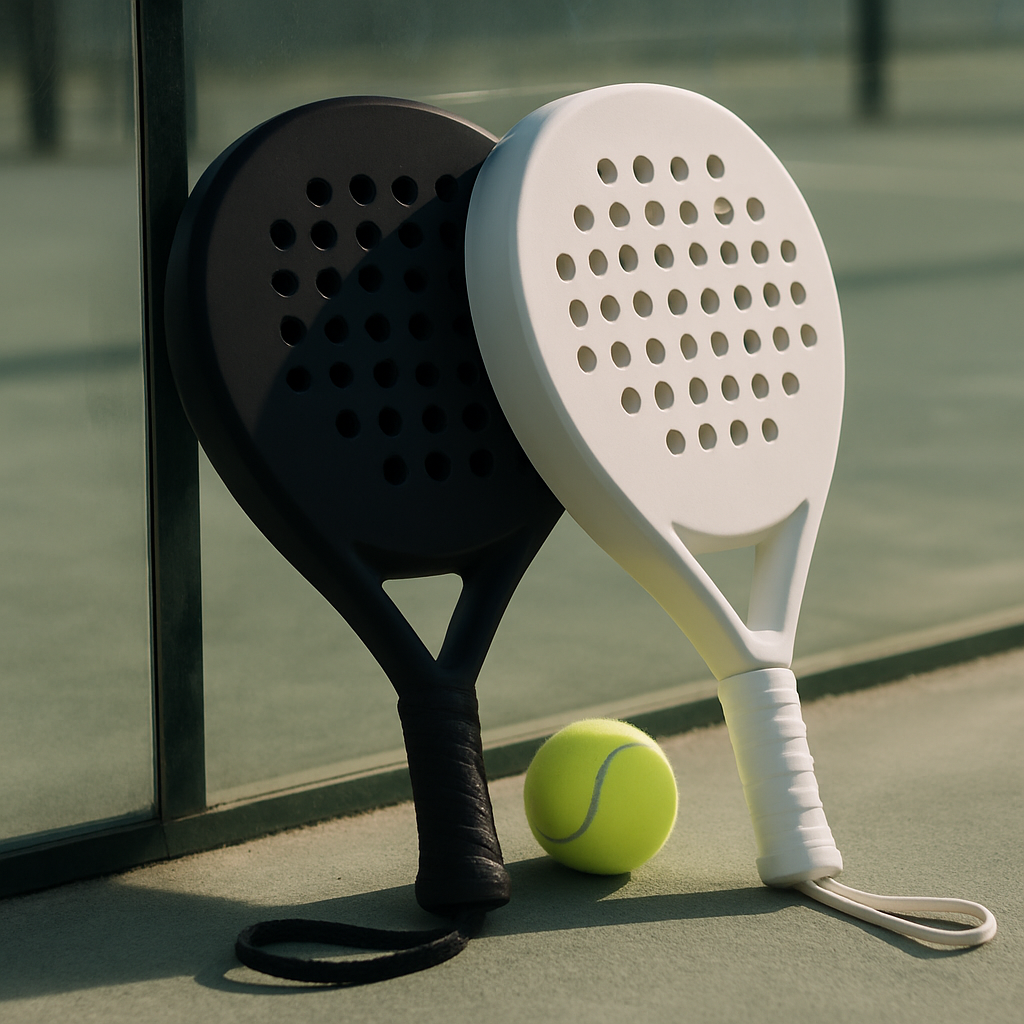
Major sportswear and equipment brands have also spotted the opportunity. Head, Wilson, and Bullpadel have dramatically expanded their padel product lines, while sports retailers across the UK high street have dedicated shelf space to padel rackets, balls, and court shoes. According to the BBC Sport, padel coverage has increased substantially in mainstream British media, reflecting its transition from fringe curiosity to legitimate mainstream sport.
Padel Sport Growth in 2026: The Numbers That Matter
Raw statistics paint a compelling picture. Europe alone saw over 3,000 new padel courts constructed in 2025, with projections suggesting that figure will be matched or exceeded through 2026. The UK currently has somewhere in the region of 1,000 courts nationwide, which sounds impressive until you compare it to Spain’s 25,000 or so. That gap represents enormous untapped market potential, and developers know it.
Participation growth in Britain has been particularly sharp among 25-to-44-year-olds, the same demographic that drives gym memberships and boutique fitness studios. Many padel facilities have capitalised on this by offering monthly membership models similar to gym subscriptions, making the sport feel habitual rather than occasional. It is a smart commercial move that reinforces regular play and builds loyal communities around individual venues.
What Makes Padel Different From Every Other Racket Sport
Tennis has its prestige. Squash has its intensity. Badminton has its accessibility. But padel genuinely sits in a unique space because it combines all three qualities without fully belonging to any one of them. The glass walls mean the ball stays in play off the back panels, creating longer rallies and more dramatic moments. There is real strategy involved, genuine athleticism at higher levels, and an infectious team dynamic because it is always played in doubles.
The social architecture of padel is also distinctive. Court sessions typically last 90 minutes, and the format naturally encourages post-match drinks or coffee. Many venues have leant into this by building on-site cafes and social spaces. That communal element is not an accident; it is baked into the design of how the sport is meant to be experienced.
What Comes Next for Padel in Britain and Beyond
The trajectory is pointing firmly upward. Plans are already in motion for expanded padel facilities at several Premier League football clubs’ community arms, recognising the sport’s crossover appeal with football’s existing fanbase. Meanwhile, the Lawn Tennis Association continues to push padel as a complementary pathway for those who find traditional tennis too technical or time-consuming.
Internationally, the Olympic conversation has begun. Padel is currently not on the Olympic programme, but lobbying efforts are intensifying. Inclusion in the LA 2028 Games remains unlikely but not impossible; Brisbane 2032 is the more realistic target that governing bodies are quietly working towards.
Whether you are a seasoned fitness enthusiast looking for a new challenge, a sports investor eyeing the next big opportunity, or simply someone who fancies hitting a ball around with friends on a Friday evening, padel sport growth in 2026 puts the sport squarely on your radar. Courts are filling up fast. The time to get involved is now, before the waiting lists get even longer.
Frequently Asked Questions
How many padel courts are there in the UK in 2026?
The UK currently has approximately 1,000 padel courts, a number that has grown significantly over the past three years. New venues are opening regularly in major cities including London, Manchester, and Birmingham, with many more in planning stages.
Is padel easy to learn for beginners?
Padel is widely considered one of the most accessible racket sports for beginners. The smaller court, glass walls that keep the ball in play, and doubles format mean most newcomers can enjoy a competitive rally within their very first session.
How much does it cost to play padel in the UK?
Court hire in the UK typically ranges from £15 to £30 per person per session, depending on the venue and time of day. Many facilities now offer monthly membership packages that reduce the per-session cost for regular players.
Why are sports investors so interested in padel venues?
Padel courts are relatively compact and cost-effective to build compared to traditional sports facilities, yet demand consistently outstrips supply in most UK markets. The membership-based model many venues use creates predictable recurring revenue, which makes the business case attractive to investors.
What is the difference between padel and tennis?
Padel is played in a smaller, enclosed glass-walled court and always in doubles, while tennis uses an open court and can be played as singles or doubles. Balls can be played off the glass walls in padel, creating longer rallies, and the underarm serve makes the game significantly more accessible to beginners.
Leave a Reply