

Recovery is where gains are won or lost. You can train as hard as you like, but if you are not recovering properly between sessions, you are leaving performance on the table. Two methods dominate the conversation right now: cold water immersion and heat therapy. Both have serious backing. Both have serious limitations. The debate around cold water therapy vs heat therapy athletes use regularly is more nuanced than most locker room arguments suggest, so here is what the research actually says in 2026.
This is not a “one is better” piece. The honest answer is that it depends entirely on your sport, your training phase, and what you are trying to achieve. Let us break it down properly.
What Is Cold Water Immersion and How Does It Work?
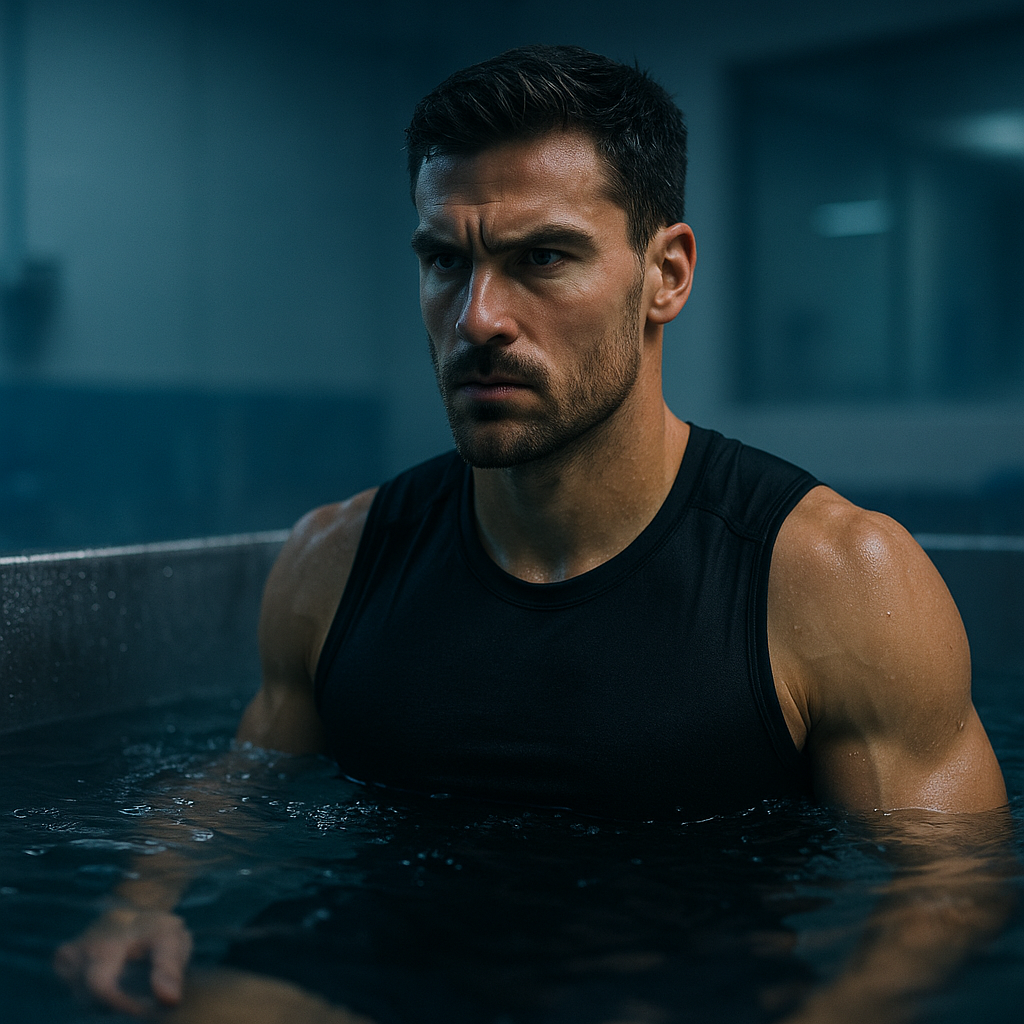
Cold water immersion, often called an ice bath or CWI, typically involves submerging the body (or lower limbs) in water between 10°C and 15°C for anywhere from 5 to 20 minutes. Some elite setups, particularly at Premier League clubs and British Athletics facilities, use purpose-built cold plunge pools with precise temperature controls. The physiological response is well-documented: blood vessels constrict, reducing blood flow to the muscles, which in turn limits the inflammatory response and reduces swelling and soreness.
The perceived benefit is faster recovery from delayed onset muscle soreness (DOMS), making it popular with athletes competing in back-to-back fixtures. Research published in the Journal of Physiology has consistently shown that CWI reduces soreness markers in the 24-48 hours post-exercise compared to passive rest. For a Premier League footballer playing Thursday and Sunday, that window matters enormously.
However, here is the complication. That same anti-inflammatory effect that reduces soreness can also blunt the adaptive signals your muscles need to grow stronger. A landmark study from 2015 found that regular post-training cold immersion suppressed satellite cell activity, essentially slowing long-term muscle hypertrophy. So if you are a strength athlete in an off-season building phase, jumping in an ice bath every night could actually work against you.
Heat Therapy: Saunas, Hot Baths and Infrared Recovery
Heat therapy for athletes covers a range of approaches: traditional Finnish saunas, hot water immersion, infrared saunas, and targeted heat packs. The core mechanism is the opposite of cold. Heat causes vasodilation, increases blood flow, relaxes muscle tissue, and stimulates the release of heat shock proteins, which play a role in cellular repair and resilience.
Infrared saunas in particular have seen a surge in adoption at British gyms and wellness studios over the past two years. Brands like Glow Infrared and facilities within places like London’s Roam gym network have made infrared recovery sessions a mainstream option, not just an elite privilege.
The science on heat is genuinely exciting. Research from the University of Jyväskylä in Finland showed that repeated sauna sessions increased plasma volume and improved cardiovascular efficiency, both useful adaptations for endurance athletes. There is also compelling evidence that heat exposure raises growth hormone levels significantly, which is the opposite of what cold immersion does in the muscle-building context.
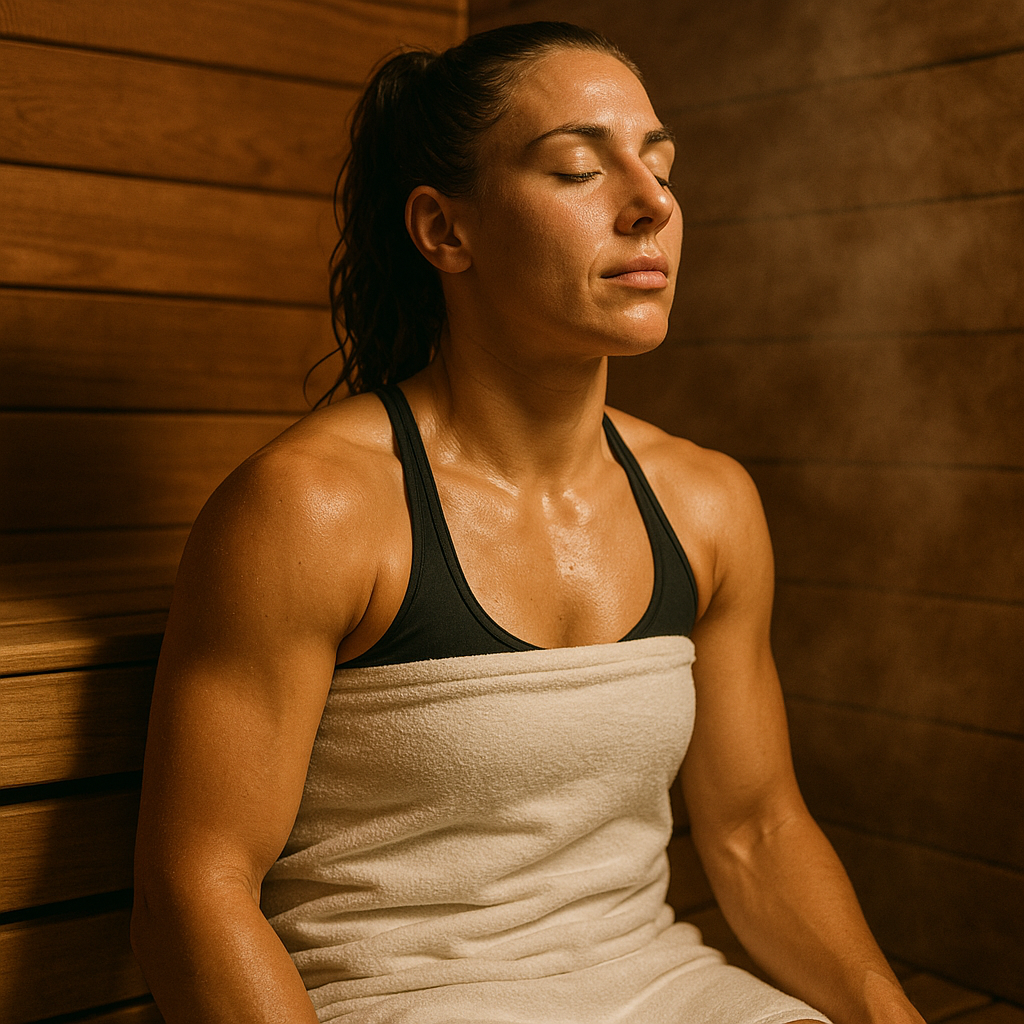
Heat therapy is also showing strong results for mental recovery. Sauna use has been linked in multiple studies to reduced cortisol and improved mood, partly through the release of dynorphins and endorphins. For athletes dealing with the psychological load of a heavy training block, that is no small thing.
Cold Water Therapy vs Heat Therapy Athletes Actually Prefer: The Evidence on Timing
The most useful framing is not “which is better” but “which is better, when.” Sports science increasingly points to context-specific protocols rather than blanket recommendations.
Use cold water immersion when: you need to perform again within 24-48 hours and reducing soreness is the priority. Think team sport athletes mid-season, tournament tennis players, or cyclists racing on consecutive days. The British Cycling team has used cold immersion strategically during multi-stage racing for exactly this reason.
Use heat therapy when: you are in a hypertrophy or strength-building phase, when full adaptation from training is the goal rather than rapid turnaround. It is also well-suited to managing chronic tightness, improving flexibility, and supporting the parasympathetic nervous system after intense stress.
A growing number of performance coaches in the UK are now using contrast therapy, alternating between cold and heat in structured sequences. Typically, this involves cycling through cold immersion (2-3 minutes), then heat (10 minutes), repeating the sequence two or three times. The research on contrast therapy is still developing, but early evidence suggests it may offer some of the circulatory benefits of both approaches without fully cancelling out either.
What About the Wim Hof Effect and Cold Water Swimming?
You cannot talk about cold water therapy in 2026 without acknowledging the broader cultural moment around cold water swimming. Open water swimming in the UK has exploded in popularity, with participation rising significantly since the early 2020s. The Outdoor Swimming Society reports that hundreds of wild swimming groups are now active across England, Scotland, and Wales.
The breathwork and cold exposure methods popularised by figures like Wim Hof have entered mainstream fitness culture. While the performance-specific evidence for Hof-style protocols is still thin compared to clinical CWI research, the benefits around stress resilience, breathing mechanics, and mental fortitude are increasingly well-supported. You can read more about the evidence base from the BBC Sport and affiliated health coverage, which has tracked cold water swimming’s rise with proper journalistic rigour.
Practical Takeaways for UK Athletes
If you are training regularly, here is how I would summarise the evidence into something actionable. Cold water therapy and heat therapy both work. They are not interchangeable, and they are not rivals. They serve different recovery objectives.
If your sport demands frequent competition or very short recovery windows, prioritise cold immersion in-season. Keep sessions to 10-15 minutes at around 11-13°C for the best balance of benefit and practicality. In the off-season, or during strength blocks, lean towards heat. Two to four sauna sessions per week of 15-20 minutes appears to be an effective range based on current evidence.
And do not underestimate the basics. Neither cold nor heat replaces sleep, nutrition, or proper periodisation. The most sophisticated recovery protocol in the world cannot compensate for four hours of sleep and a poor diet. These tools are the finishing touches on a solid foundation, not the foundation itself.
The debate around cold water therapy vs heat therapy athletes use will keep evolving as the research matures. But right now, the smart approach is knowing when to reach for which tool, and why.
Frequently Asked Questions
Is cold water immersion or heat therapy better for muscle recovery?
It depends on the timing and your training goal. Cold water immersion is better for rapid soreness reduction between competitions, while heat therapy is more suitable during training blocks where you want full muscle adaptation and growth. Using the wrong one at the wrong time can actually hinder progress.
How cold does the water need to be for an ice bath to work?
Most sports science research uses water temperatures between 10°C and 15°C for effective cold water immersion. Going significantly colder than 10°C does not appear to produce meaningfully better results and increases the risk of cold shock. Sessions typically last between 10 and 15 minutes for optimal benefit.
Can you do cold water therapy and heat therapy on the same day?
Yes, and this is known as contrast therapy. Athletes typically alternate between cold immersion (2-3 minutes) and a heat source such as a sauna (10 minutes), repeating the cycle two to three times. Early research suggests this can support circulation and reduce soreness without fully cancelling out the benefits of either method.
Does using an ice bath after strength training stop muscle growth?
There is solid evidence that regular cold water immersion immediately after strength sessions can suppress the muscle-building signals needed for hypertrophy. If building muscle mass is your goal, it is better to avoid cold immersion directly after resistance training, particularly during dedicated building phases.
Are infrared saunas as effective as traditional saunas for recovery?
Infrared saunas operate at lower air temperatures (around 45-60°C) compared to traditional Finnish saunas (80-100°C), but still raise core body temperature effectively. The evidence for cardiovascular and recovery benefits with infrared is growing, though most of the strongest long-term research has been conducted on traditional sauna use.
Leave a Reply