

Esports athlete fitness was barely a conversation five years ago. Now it’s a full-blown discipline, with professional gaming organisations hiring physiotherapists, strength coaches, nutritionists and sports psychologists to keep their rosters performing at peak level. The gap between the keyboard and the weight rack is closing faster than most people realise.
The numbers tell you everything. A 2025 study by the British Esports Association found that the average professional esports player competes for up to 10 hours a day during tournament blocks, with cognitive load and physical tension comparable to that of chess grandmasters under pressure. That is not a trivial ask of the human body. Teams at the top of titles like League of Legends, CS2 and Valorant have responded accordingly.
Why Esports Athlete Fitness Has Become Non-Negotiable
The physical demands of competitive gaming are easy to underestimate if you have never done it at a high level. Repetitive strain injuries to the wrists, forearms and shoulders are endemic. Back problems from sustained seated posture are rife. Eye fatigue, tension headaches and disrupted sleep cycles all compound performance issues over a long season. This is not weekend leisure gaming. This is a professional grind with a real physical cost.
UK-based organisation Excel Esports, who compete in the League of Legends EMEA Championship, have been ahead of the curve here. They have integrated structured physical conditioning into their training calendar since 2023, drawing directly from methodologies used by Premier League academies. Their players now complete morning mobility sessions, resistance training two to three times a week, and regular cardiovascular work. The principle is simple: a healthier body supports a sharper mind.
What a Pro Gamer’s Fitness Regime Actually Looks Like
Forget the image of the hoodie-clad teenager surviving on energy drinks. At the elite end of esports, the training day looks surprisingly structured. Here is a realistic breakdown of how a top-tier competitive player might structure their physical preparation.
Morning Mobility and Activation
Sessions typically start with 20 to 30 minutes of targeted mobility work. Hip flexors, thoracic spine and shoulder rotator cuffs are the priority, given the hours spent in a fixed seated position. Yoga and Pilates-influenced movements appear frequently in these programmes. Several European teams have borrowed directly from cycling and rowing warm-up protocols, sports where sustained posture management is equally critical.
Resistance Training
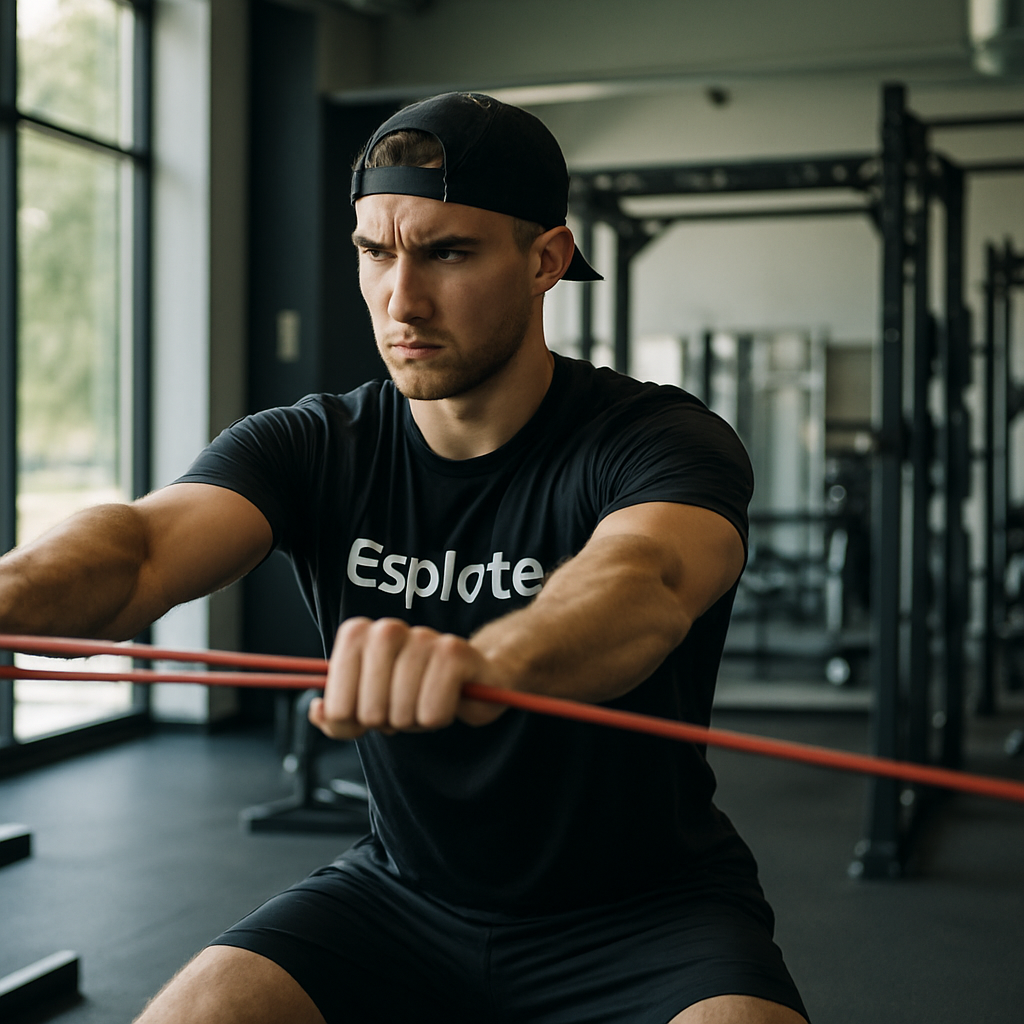
Strength work for esports players tends to focus on postural muscles rather than raw power. Rows, face pulls, lat pulldowns and core stability exercises dominate. The goal is not to build mass but to counteract the forward-rounded shoulder position that develops from prolonged gaming. Think of it as corrective conditioning as much as performance enhancement.
Cardiovascular Health and Zone 2 Work
Zone 2 cardiovascular training, the kind that sits comfortably below your lactate threshold, has become a staple for esports athletes for the same reason it has taken hold in traditional sports. Improved aerobic base capacity means better oxygen delivery to the brain, more stable energy throughout a 10-hour competition day, and faster cognitive recovery between matches. Many players now log 3 to 4 sessions of steady-state cardio per week, whether that is cycling, rowing or brisk walking. It is low impact and devastatingly effective.

How This Compares to Traditional Sports Conditioning
The obvious comparison point is the Premier League, where conditioning science has been refined over decades. The parallels are striking. Traditional footballers complete mobility work before sessions, resistance training in the gym, and aerobic base building during pre-season. The volume and intensity differ enormously, but the underlying logic is identical: manage the body, protect the joints, maintain energy systems, preserve cognitive sharpness.
Where esports diverges is in its emphasis on fine motor skills and reaction time. Some elite teams now incorporate specific hand and wrist conditioning drills, grip strengthening exercises, and even forearm percussion massage tools to maintain the micro-precision that separates good players from great ones. A professional CS2 player’s hands are as important to their performance as a tennis player’s shoulder or a footballer’s knee. That realisation has driven the shift toward dedicated hand care protocols. Some organisations have even looked at equipment protection parallels from other industries, in the same way that performance vehicles get PPF applied to protect critical surfaces from wear.
Mental Conditioning: The Overlooked Component
Physical training is only part of the picture. Esports athlete fitness increasingly encompasses sports psychology, mindfulness and sleep science. Teams affiliated with major organisations now have access to performance psychologists who work on focus rituals, pressure management and tilt recovery, the esports term for emotional derailment after a poor round.
Sleep optimisation has become particularly serious. The BBC’s esports coverage has highlighted how leading teams in Europe now enforce sleep schedules, ban screens in the hour before bed, and monitor HRV (heart rate variability) through wearables to track recovery quality. This is identical to what top football clubs have been doing for years with their first-team squads.
Nutrition: The Esports Athlete’s Diet Is Changing
Energy drinks as a food group is, thankfully, becoming an outdated stereotype. Serious esports organisations now employ nutritionists who build meal plans around cognitive performance. The priorities are stable blood glucose, adequate omega-3 intake for brain function, and hydration management to prevent the mid-afternoon focus crash that can cost matches.
Protein timing, carbohydrate periodisation and micronutrient density are all considerations at the elite level. Some UK-based teams have brought in registered dietitians from football and rugby backgrounds to advise rosters. The crossover of expertise is real and it is working.
What Amateur Gamers Can Take From This
You do not need to be a professional to benefit from the fitness principles that elite esports teams are now embedding into their culture. If you play competitively at any level, or simply spend significant hours at a desk, the basics are immediately transferable. Get up every 45 minutes. Do thorough shoulder and thoracic mobility work daily. Prioritise sleep. Eat for sustained energy rather than spikes. Add two or three cardio sessions per week to build your aerobic base.
The esports world has arrived at the same conclusions that traditional sport reached decades ago: the body and the brain are not separate systems. Train one well and the other responds. Neglect either and performance suffers. The gym, it turns out, is just as relevant to the world champion gamer as it is to the world-class striker.
Esports athlete fitness is no longer a novelty. It is a competitive necessity, and the organisations investing in it are already pulling ahead.
Frequently Asked Questions
Do professional esports players actually go to the gym?
Yes, many elite esports organisations now include structured gym sessions in their weekly training schedules. These typically focus on posture correction, core stability and cardiovascular fitness rather than building mass, as the physical demands of competitive gaming require endurance and injury prevention rather than raw strength.
What injuries do esports athletes commonly get?
The most common injuries in competitive gaming are repetitive strain injuries to the wrists, forearms and shoulders, along with lower back pain from prolonged seated posture. Eye strain and tension headaches are also widespread. Structured conditioning programmes are increasingly being used to prevent and manage these issues.
How does esports athlete fitness compare to football conditioning?
The underlying principles are very similar: mobility work, resistance training, cardiovascular conditioning and recovery management all feature in both disciplines. The key difference is volume and intensity, with footballers covering far greater physical ground, but esports athletes face unique demands around fine motor precision and sustained cognitive performance.
Is Zone 2 cardio useful for esports players?
Zone 2 training, which sits comfortably below your lactate threshold, is increasingly popular amongst esports athletes because it improves aerobic capacity and cognitive stamina. A stronger aerobic base helps players maintain focus and decision-making quality across long competition days without the energy crashes that higher-intensity exercise can cause.
Which UK esports organisations take player fitness seriously?
Excel Esports is one of the most well-known UK-based organisations to have integrated physical conditioning into their training model, drawing from Premier League academy methodologies. The British Esports Association has also been vocal about promoting player health and wellbeing standards across UK competitive gaming.
Leave a Reply