

There is something genuinely brilliant happening at grounds across the country on a Saturday afternoon, and it has got nothing to do with the football. Fans are arriving on foot, by bike, and via long cross-city jogs, turning the journey to the stadium into a core part of their weekly fitness routine. Matchday walking routes are no longer just a way to dodge the car park chaos. For thousands of supporters, they have become the most enjoyable active commute in sport.
I started walking to games a couple of seasons ago after realising my step count collapsed on weekends. The drive-in, queue-out ritual was killing my activity levels and doing nothing for my mood before kick-off. A 45-minute walk through the city changed both. Here is what I have learnt, and what the best matchday walking routes around UK football grounds actually look like.
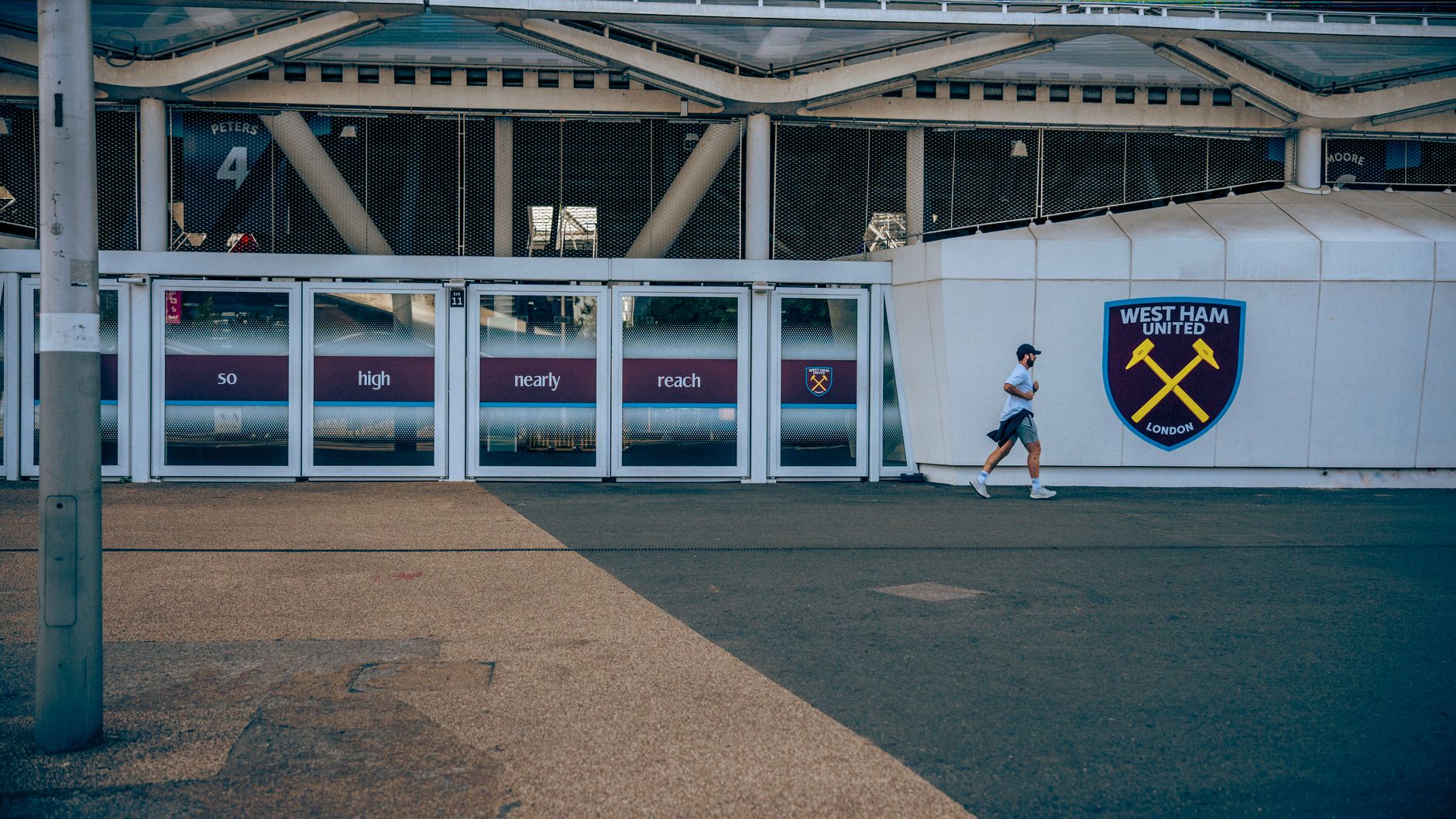
Why matchday walking routes are booming among football fans
The numbers back this up. According to data from Sport England’s Active Lives survey, walking remains the most common form of physical activity in England, with millions logging their steps through everyday journeys. Football matchdays, typically happening 19 to 23 times a season for home support, add up to a serious chunk of active travel opportunity if you lean into them rather than default to the car or tram.
For a fan attending 20 home games and walking 2 miles each way, that is 80 miles of walking built into something they were already doing. Add a pre-match jog from further out and that number climbs fast. The NHS recommends 150 minutes of moderate physical activity per week, and a brisk 40-minute walk to a Premier League ground ticks a sizable portion of that box in one go.
Popular fan walking routes at Premier League and Championship grounds
Let me run through some of the most walkable grounds and the routes fans have made their own.
Tottenham Hotspur Stadium sits in north London, and the walk from Seven Sisters station through Tottenham High Road is a well-worn route for away fans especially, covering around 1.2 miles on flat ground through market stalls and local cafes. A longer option comes from Finsbury Park, around 2.5 miles through Manor House and down Lordship Lane.
Bramall Lane, Sheffield is a walker’s dream. From Sheffield city centre it is barely a mile on foot, mostly downhill on the way in, with the return uphill providing a decent post-match leg burn. Sheffield United fans from Hillsborough or Ecclesall Road are regularly clocking 4 to 5 miles return without thinking much of it.
St James’ Park, Newcastle is right in the city centre, which makes it one of the most naturally walkable grounds in the Premier League. Fans walk in from Jesmond, Heaton and Gosforth, some covering 3 to 4 miles through the Town Moor before the game. There is a genuine walking culture up there.
Elland Road, Leeds is about 2.5 miles from the city centre, and the route along Wellington Road and through Holbeck is popular with fans who want to stretch their legs before a Championship clash. Cycling is also huge here, with cycle lanes now connecting the ground more directly to the centre.
Carrow Road, Norwich sits just over a mile from Norwich city centre, and the riverside walk along the Wensum adds a genuinely scenic option that runners in particular have latched onto. I have spoken to fans who run the 5 kilometres from the city outskirts before every home game as a parkrun-style warm-up ritual.

Building matchday walks into your weekly step goals
If you are serious about using matchday walking routes as a fitness tool rather than just a nice habit, it pays to track them properly. Most modern fitness wearables, from a Garmin Forerunner to a basic Fitbit, will log active travel automatically. The trick is to treat the matchday walk as a structured session rather than an afterthought.
A simple framework: plan your route using Google Maps or OS Maps the night before, noting the distance and expected step count. A mile of brisk walking is roughly 2,000 steps. A 3-mile round trip to your ground and back gets you 12,000 steps, which for most people covers the full recommended daily target in one outing. Do that every other Saturday across a season and the cumulative effect is genuinely meaningful.
Some fans are getting more structured about it. Fan communities on platforms like Strava have created segments around specific grounds, letting supporters compare times and distances. Activism Digital has written about how digital tools are changing the way fan communities organise and connect, and active travel groups around football clubs are a perfect example of that shift happening at grassroots level.
For those cycling to grounds, the picture is improving. Sustrans has mapped safe cycling routes near several Premier League grounds, and clubs including Manchester City, Arsenal and Brighton have expanded their bike parking in response to growing demand. Brighton’s Amex stadium has over 600 dedicated cycle spaces, which tells you everything about the culture there.
How to make your matchday walk count for fitness
Walking to the ground is great. Walking well is better. Pace matters. A stroll that takes 90 minutes to cover 2 miles is lovely but not particularly aerobic. Aim for a pace of 3 to 4 miles per hour, which most people hit when walking with purpose rather than browsing their phone. That qualifies as moderate-intensity exercise under NHS guidelines and will get your heart rate into a productive zone.
If you want to build on this further, consider how the matchday walk fits into your broader weekly plan. A Wednesday evening recovery walk of 30 minutes, a Saturday matchday walk of 45 minutes each way, and a Sunday longer route of an hour gets you very close to the recommended 150 minutes of activity without ever putting on a gym kit. For a breakdown of how low-intensity steady-state work fits into an athlete’s training week, zone 2 training principles are worth understanding even for recreational fans.
Footwear matters too. Do not walk 4 miles to the ground in flat-soled fashion trainers and wonder why your knees are creaking by the second half. A supportive pair of walking shoes or trail runners with a proper midsole makes a significant difference over a season’s worth of matchday miles.
Running and cycling fans: the community is growing
Beyond walking, a growing number of supporters are running to games, particularly for evening fixtures or late kick-offs where the city feels quieter. Run clubs that finish at the stadium before kick-off have popped up near grounds in Manchester, Bristol and Leeds. It is social, it is active, and it adds a completely different dimension to a matchday.
Breathwork during long pre-match jogs is something more fans are paying attention to, too. If you are running 5 or 6 kilometres to a ground, breathing technique during sustained effort can make the difference between arriving composed or gasping at the turnstile.
The broader point is this: football’s calendar, spread across 38 home and away weekends in a season, is one of the most consistent activity anchors any sports fan has access to. The matchday walking route is low-cost, requires zero equipment, and slots into something you are already doing. My step count is up, my pre-match mood is sharper, and I have discovered streets near our ground I had never noticed from a car window. That feels like a proper win before a ball is even kicked.
Frequently Asked Questions
How far do most football fans walk to their stadium?
It varies enormously by ground and location, but a typical city-centre fan walking to a Premier League stadium covers between 1 and 3 miles each way. Fans in outer suburbs or those deliberately taking scenic routes can clock 4 to 5 miles return per matchday.
Is walking to a football ground enough exercise to count towards NHS guidelines?
Yes, provided you walk at a brisk pace of around 3 to 4 miles per hour. A 40-minute brisk walk each way qualifies as moderate-intensity aerobic activity, which counts directly towards the NHS-recommended 150 minutes per week.
Which Premier League grounds are easiest to walk to?
St James’ Park in Newcastle, Bramall Lane in Sheffield and Carrow Road in Norwich are among the most walkable, all within 1 to 2.5 miles of their city centres on mostly flat terrain. The Amex in Brighton has excellent cycling infrastructure if you prefer to ride.
Leave a Reply