

There was a time when football managers trusted their gut. A scout would watch a lad from the terraces, scribble notes on a pad, and recommend him based on instinct. Those days are not completely gone, but they are being rapidly overtaken by something far more precise. Sports data analytics performance platforms are reshaping how professional teams operate at every level, from the Premier League to elite athletics, and the pace of change is genuinely staggering.
We are not just talking about tracking how fast someone runs. Modern analytics platforms process millions of data points per match, per training session, per athlete. Clubs are now making decisions worth tens of millions of pounds based on models that would have seemed like science fiction two decades ago.
What Sports Data Analytics Performance Actually Means in Practice
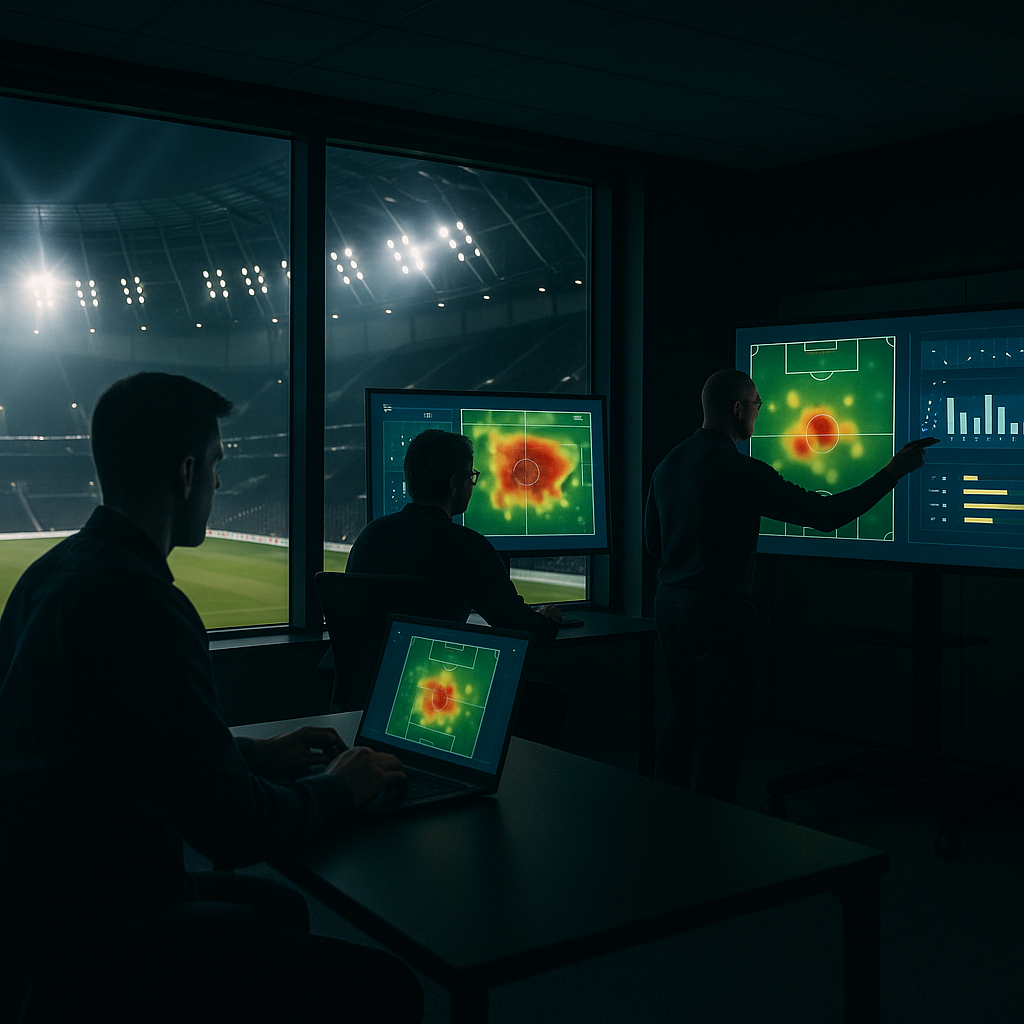
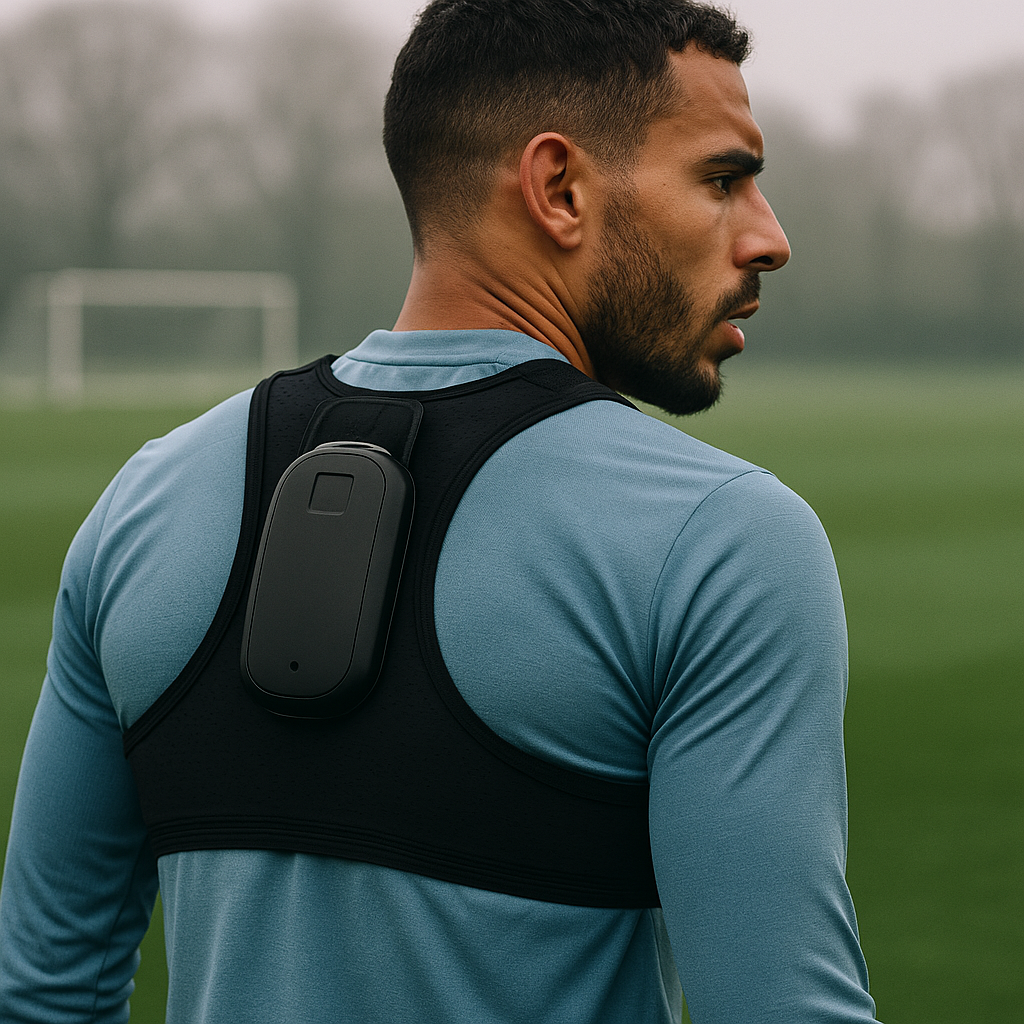
Strip it back and the concept is simple. Collect data, analyse it, act on the insights. But the execution is anything but simple. In football, GPS trackers worn in training vests log every sprint, change of direction, and deceleration. Computer vision systems track player positions 25 times per second during matches. Heart rate variability data feeds into recovery models overnight. By the time a manager sits down for a morning briefing, the analytics team may have already flagged two players showing pre-injury warning signs.
StatsBomb, a UK-founded data company, has become one of the most influential forces in football analytics globally. Their open data and event tracking models are used by clubs and national federations to evaluate everything from pressing intensity to set-piece efficiency. The England men’s and women’s programmes have both worked with sophisticated data frameworks in recent years, and the results on the pitch have reflected more structured, evidence-based decision-making.
Recruitment: Buying Smarter, Not Just Bigger
Recruitment is where sports data analytics performance tools arguably make the biggest financial impact. Premier League clubs spend extraordinary sums on transfers. Mistakes are costly. A platform like Wyscout or SciSports can screen thousands of players across dozens of leagues simultaneously, filtering by specific technical attributes that a traditional scouting network simply cannot match at scale.
Brentford FC became something of a poster club for analytics-driven recruitment in the early 2020s. Their use of data to identify undervalued players in lesser-known leagues, sell them at a profit, and replace them efficiently became widely studied. That model influenced how smaller clubs thought about building squads without mega-budgets. It also rattled a few bigger clubs who realised data could level the playing field, at least partially.
In basketball, teams playing in the British Basketball League have increasingly adopted metrics borrowed from the NBA analytics revolution. Player efficiency ratings, true shooting percentages, and defensive rating models are filtering down to domestic competition, helping coaches make rotation decisions that used to rely purely on feel.
Injury Prevention: The Biggest Win of All
Ask any performance director at a top club and they will tell you the same thing: keeping players fit is worth more than any tactic. A key midfielder missing ten matches due to a hamstring strain can cost a club its league position. That is why injury prevention has become one of the most active areas of sports data analytics performance research.
Platforms such as Kitman Labs and Catapult Sports integrate training load data, sleep quality metrics, and historical injury records to generate daily readiness scores for each athlete. If a player’s acute-to-chronic workload ratio spikes above a certain threshold, the system flags it. The coaching staff can then adjust training intensity before a problem becomes a tear or a rupture.
According to research covered by the BBC Sport team, several elite clubs have reported meaningful reductions in soft-tissue injuries since implementing structured load monitoring programmes. The savings in both squad availability and medical costs run into millions across a season.
In athletics, British Athletics has leaned heavily into biomechanical analysis. High-speed cameras capture stride patterns at 500 frames per second. Force plate data from the training track feeds into models that flag asymmetries likely to cause issues over a long competitive season. Athletes like sprinters and middle-distance runners can have their gait corrected based on hard data rather than a coach’s naked eye.
Tactical Analysis: Watching the Game Differently
Every top-flight manager now has an analyst department. The conversation has shifted from whether to use data to how much weight to give it alongside lived experience. Tactical analysis software such as Hudl and Sportscode allows analysts to tag and clip specific match events, building opponent profiles with granular detail.
Expected goals, or xG, became the metric that broke into mainstream football conversation. Now coaches are working with expected threat, PPDA (passes allowed per defensive action), and pressing success rates as standard vocabulary. The analysts translate these into patterns the coaching staff can actually use on the training pitch.
What is particularly interesting is the shift toward real-time analytics. Some clubs are beginning to use live dashboards during matches, feeding insights to coaching staff on the touchline via tablet. Substitution timing, pressing triggers, and set-piece adjustments can now be informed by data as the game unfolds rather than purely by intuition.
The Human Element Still Matters
None of this means the human side of sport is disappearing. Data does not measure desire, leadership under pressure, or how a player performs in a dressing room. The best clubs treat analytics as a powerful tool within a broader decision-making framework, not as a replacement for experienced football or sporting minds.
The tension between data evangelists and traditionalists is real, and it plays out in every sport. But the trajectory is clear. Sports data analytics performance capabilities will only deepen as machine learning models get more sophisticated and wearable technology becomes less invasive and more accurate.
For fans, this shift is fascinating. The sport you watch on a Saturday afternoon is increasingly shaped by decisions made in analytics rooms during the week. Every pass, press, and set piece may well have a data fingerprint on it. That is not a cold thing. It is actually a remarkable extension of how much elite sport cares about doing things right.
Frequently Asked Questions
What is sports data analytics performance and how is it used in football?
Sports data analytics performance refers to the collection and analysis of large volumes of athletic data to improve decision-making in areas like recruitment, tactics, and injury prevention. In football, GPS tracking, event data, and computer vision systems all feed into platforms that help clubs evaluate players and plan match strategies.
Which UK football clubs are known for using data analytics effectively?
Brentford FC became widely recognised for their analytics-driven recruitment approach, using data to identify undervalued players across European leagues. Several Premier League clubs, including Liverpool and Manchester City, also have large in-house analytics departments that influence both transfers and tactical preparation.
How does data analytics help prevent sports injuries?
Platforms like Catapult Sports and Kitman Labs monitor training loads, recovery metrics, and biomechanical patterns to generate daily readiness scores for athletes. If a player’s workload spikes to a high-risk level, coaches are alerted so they can reduce training intensity and lower the chance of a soft-tissue injury.
Is sports analytics only for elite professional clubs or can smaller teams benefit?
While the most sophisticated platforms are used at the elite level, affordable analytics tools are increasingly accessible to lower-league and amateur clubs. Apps and subscription platforms now offer basic GPS tracking and performance dashboards suitable for semi-professional and even grassroots environments.
What is expected goals (xG) and why do football analysts use it?
Expected goals is a statistical measure that rates the quality of a shot based on factors like distance from goal, angle, and the type of assist that created it. It gives analysts and coaches a clearer picture of whether a team is genuinely creating high-quality chances or simply getting fortunate with lower-probability efforts.
Leave a Reply