

Hydration technology for endurance athletes in the UK, mainly sweat patches and sodium sensors, can tell you roughly how much fluid and salt you lose in a given session. It cannot tell you exactly what to drink, and it does not replace the water bottle. Think of it as a better starting point for a plan you still test in training.
Triathletes, marathon runners and cyclists are the main users, and the pitch is simple: everyone sweats differently, so a one-size-fits-all drinking plan is a guess. That part is true. The rest needs sorting into fact and marketing, so here are the common beliefs, one at a time.
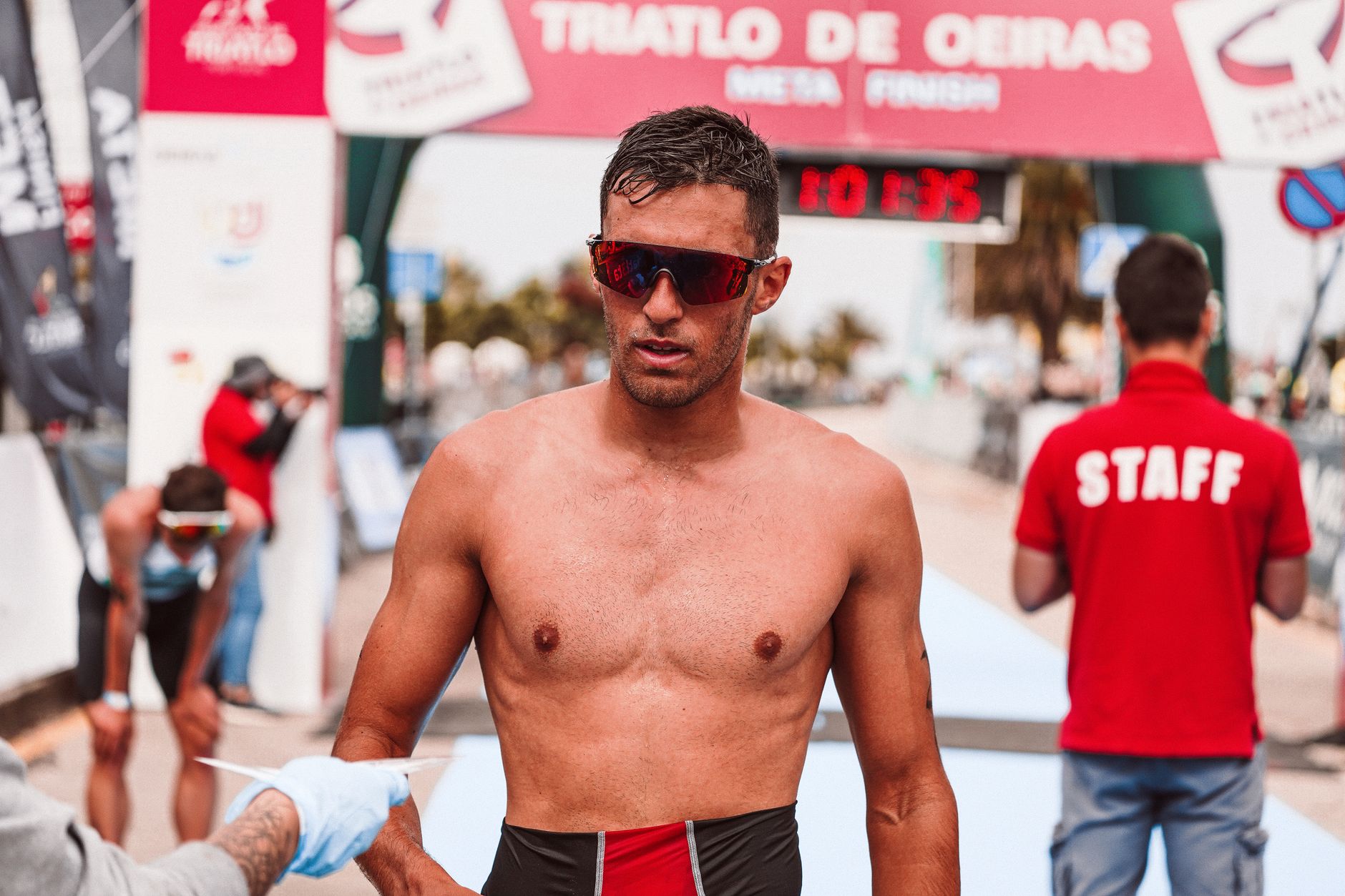
Myth: you should drink as much as you can
Drinking to the maximum is not a safe default. Over-drinking during long events can dilute blood sodium and cause exercise-associated hyponatraemia, a recognised risk in marathons and ultra events. The NHS advises drinking enough to keep urine pale, and sports medicine bodies generally steer athletes towards drinking to thirst rather than to a fixed volume.
This is where sensors can help. If a patch shows you lose little fluid in cool autumn conditions, it gives you a reason to stop forcing down bottle after bottle.
Myth: everyone loses the same amount of sodium
Sweat sodium concentration varies widely between individuals, and it is fairly consistent for the same person. That is the scientific basis for personalised plans. Two runners finishing the same autumn half marathon can lose very different amounts of salt, and a heavy salty sweater who copies a light sweater’s plan may well cramp or feel flat.
Lab testing has long been the gold standard for measuring this. Wearable patches try to bring a version of it to your wrist or shoulder blade.
How do sweat patch sensors actually work?
A sweat patch sensor is a thin, skin-worn device that captures a small amount of sweat in tiny channels and estimates sweat rate and sodium concentration, usually via colour change or an electrochemical reading you view in an app. Some are single-use adhesive patches. Others are reusable electronic units.
The technology is genuinely clever, but it measures sweat at one spot on your body. Sweat rate and salt content differ between forearm, back and chest, so the number is an estimate of your whole-body loss, not a direct reading of it.
Myth: a patch gives you a precise drinking plan
Treat the output as a range. Research comparing wearable sweat sensors with traditional methods has found reasonable agreement in some conditions and weaker accuracy in others, and results depend on placement, skin prep, temperature and the device itself. A reading from one session in 12°C drizzle will not apply to a warm indoor turbo session.
The more reliable low-tech check is still available: weigh yourself, naked or in minimal clothing, before and after a session. Each kilogram lost is roughly a litre of net fluid deficit once you account for what you drank. Combine that with a patch reading and you have two imperfect measures pointing the same way, which is worth more than either alone.
Myth: hydration tech is only for elites
Elite squads were first to use sweat testing, but consumer versions now reach age-group triathletes and club cyclists. Several UK sports nutrition companies and some university labs offer sweat testing as a one-off service, which can be better value than buying a gadget if you only want your personal numbers once. Prices vary, so ask providers what they measure and how.
If you are weighing up wider kit, our look at how wearable fitness tech is changing training in 2026 covers the broader picture.
Myth: more electrolytes always means better performance
Extra sodium is not a performance booster in itself. It helps replace what you lose and supports fluid retention when you are sweating heavily for long periods. For sessions under about an hour, plain water and a normal meal usually cover it. The case for sodium strengthens on long rides, ironman-distance racing and hot, humid conditions.
Too much salt without enough fluid brings its own problems, including stomach upset. Anyone with high blood pressure, kidney issues or other medical conditions should talk to a GP before loading up on sodium.
How should you use hydration tech in training?
Use sweat data to build a plan in training, then rehearse it. A sensible approach for a long event looks like this:
- Run a few long sessions in conditions close to race day and record body weight before and after.
- Wear a patch or get a lab test to estimate your sodium loss per litre.
- Set a starting range for fluid and sodium per hour, based on both measures.
- Practise it with the exact drink mix and bottles you will use in the race.
- Adjust after each session, noting stomach comfort, cramping and energy.
Runners building towards a spring marathon might pair this with the off-season strength work already on the winter calendar, since hydration habits are best tested over a long block rather than in one week.
What the tech cannot do
It cannot account for illness, caffeine, altitude or a new gel that upsets your gut. Heat adaptation changes sweat rate too, so your numbers shift as you get fitter or the weather changes. Accuracy claims also vary between brands, so read what each manufacturer says it measures, and be sceptical of any device promising a single perfect number.
My advice: if you cramp often, finish long races feeling bloated or drained, or train through hot summers, a sweat test is a reasonable spend. If you mainly run 10Ks, drink to thirst and save your money. For general guidance on staying hydrated, the NHS page on water and drinks is a good baseline.



Leave a Reply