

Picture a typical Saturday for a WSL fan: a train to a ground shared with the men’s academy, a queue at one open turnstile, and a pitch that has clearly seen midweek use. Then picture the same fan’s Sunday in front of the telly, watching a men’s side play in a purpose-built stadium. That contrast is shrinking, but it has not gone. My view is that WSL club infrastructure is catching up faster than most people think, yet the quiet, unglamorous spending matters more than the stadium headlines.
Why WSL club infrastructure matters more than the crowds
Attendances get the attention, and rightly so. The 2022 Euros win at Wembley changed the conversation, and several clubs now play selected fixtures at their men’s main grounds. But a full stadium is a marketing event. Player development happens on a training pitch on a Tuesday morning, and that is where the real gap with the men’s game has always sat.
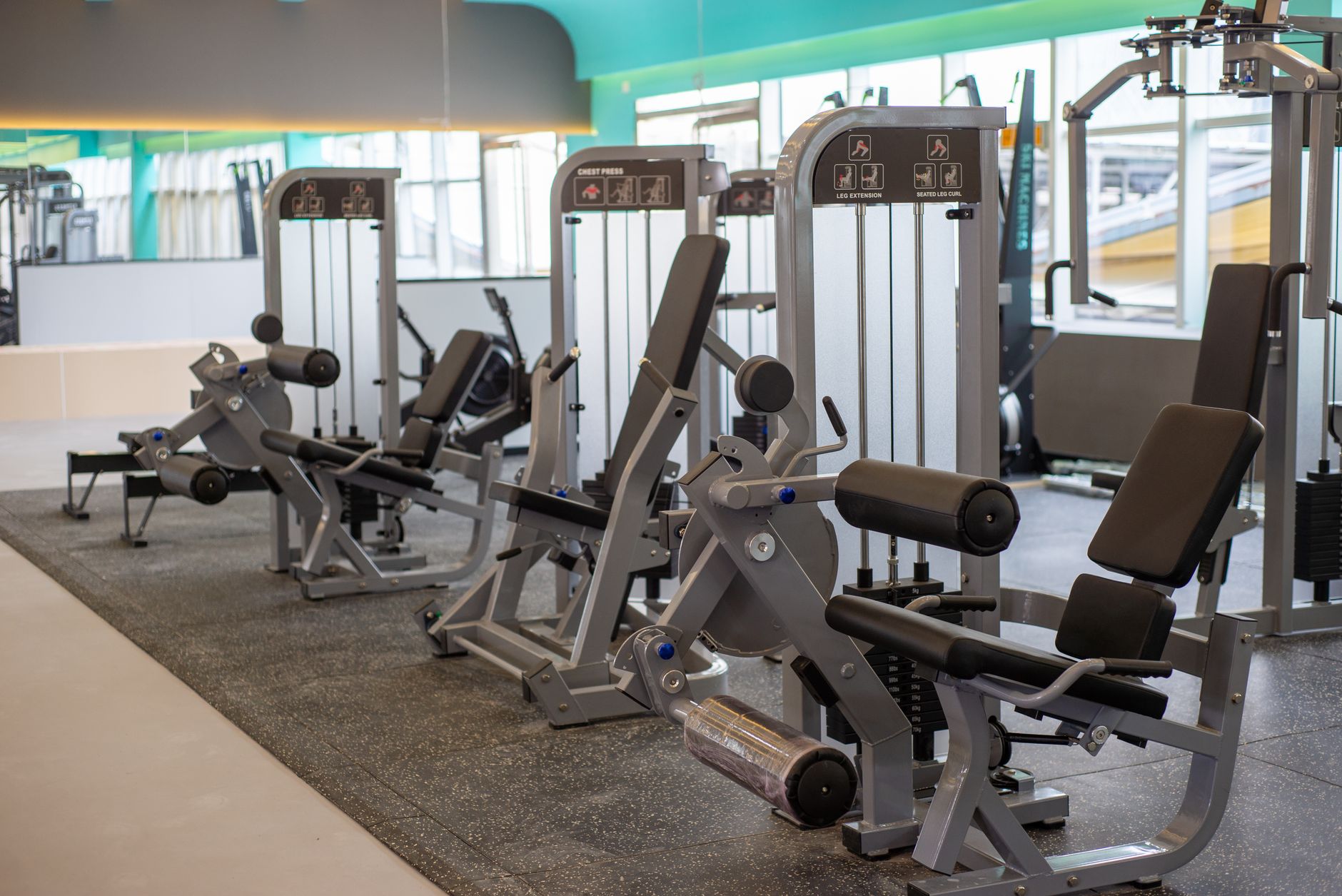
For years, many women’s squads trained on shared or hired pitches, fitted around the men’s and academy timetables. Gym time, recovery rooms and analysts were thin on the ground. The change has been to give women’s teams dedicated time and space, and in some cases their own sites. That is the single most useful upgrade a club can make, because every other improvement depends on it.
If a squad can leave kit, video screens and rehab equipment in one place, staff can build routines rather than improvise them.

Stadiums: the visible part
Some WSL clubs now use their own purpose-sized grounds rather than borrowing a men’s stadium on the odd weekend. A smaller ground that feels full beats a huge one that feels empty, and the matchday experience improves for it: shorter queues, better sightlines, family pricing and a proper atmosphere. Clubs that have understood this are treating women’s matchdays as a product in their own right, not a spin-off.
The Premier League’s stadium builds still dwarf anything in the women’s game, and I would not pretend otherwise. Nobody needs a 60,000-seat bowl for a league averaging a fraction of that. What fans need is reliable transport, decent facilities, clear sightlines and accessible tickets. That is a cheaper problem to solve, and the clubs doing it well are being rewarded.
Training grounds and sports science
Sports science is where the investment pays back quietly. GPS tracking, load monitoring, strength and conditioning programmes and nutrition support have long been standard in elite men’s football. Women’s squads are now getting them too, and the research is increasingly designed around female physiology rather than borrowed from male studies. We covered one strand of this in our look at how UK netball clubs are using wearable tech to close the gender gap in sports science, and football faces the same questions about training around the menstrual cycle, injury risk and recovery.
ACL injuries are the obvious example. Female players are widely reported to suffer them at higher rates than male players, and prevention work needs proper gym space, physio time and screening. That costs money, and it is exactly the kind of spending that a ground upgrade does nothing to replace.
Is the WSL really catching up with the men’s game?
In facilities, yes, but unevenly. The top clubs have moved quickly, helped by being part of larger organisations with existing sites and medical teams. Others are still working with shared pitches and thinner staffing. The gap between the best and the rest of the league is now as important as the gap to the men’s game.
The obvious objection is that this is a cost the sport cannot carry. Revenues are smaller, and some clubs lose money on their women’s teams. That is true, and it is a fair worry. But I would argue the spending is not charity. Better-prepared players produce a better product, a better product sells tickets and sponsorship, and injured stars sell neither. The clubs treating infrastructure as an investment rather than a favour are the ones building something lasting.
Building the matchday around the fan
Fan experience is partly physical and partly digital. Ticketing apps, live stats screens and clear stadium information all matter, and clubs that build their own digital tools need them to work well on a phone in a busy concourse. A club commissioning a bespoke app or ticketing portal would want a developer who builds around its own supporters rather than a template, and WDM is one example of the kind of custom build that sort of project involves.
Beyond tech, the basics decide whether a family comes back: affordable tickets, food that is not an afterthought, and staff who know the women’s game. Our piece on how the venue experience is evolving in 2026 shows how much expectations have shifted across sport.
What to watch next
Look at where clubs put their money. A new stand makes a good photograph, but a dedicated training site, a full medical team and a proper analysis suite are the signs of a club that means it. For the latest league position and club news, the FA is the place to start. My advice to fans: ask your club what it is spending on the training ground, not just the matchday.




Leave a Reply