

Football has always been a sport obsessed with marginal gains. Better pitches, smarter nutrition, advanced conditioning programmes. But the biggest shift happening right now is literally on the feet of players. Smart football boots have moved from prototype to mainstream in 2026, and the technology packed into them is genuinely jaw-dropping. We’re talking pressure sensors, GPS chips, accelerometers and AI-driven analysis apps, all crammed into something that still has to be light enough to sprint in at full pace.
Whether you’re a semi-professional in the National League or a Sunday morning park player who wants to know why your first touch keeps letting you down, there’s a smart boot hitting the market this year with your name on it. Here’s what you need to know.
What Makes a Football Boot “Smart” in 2026?
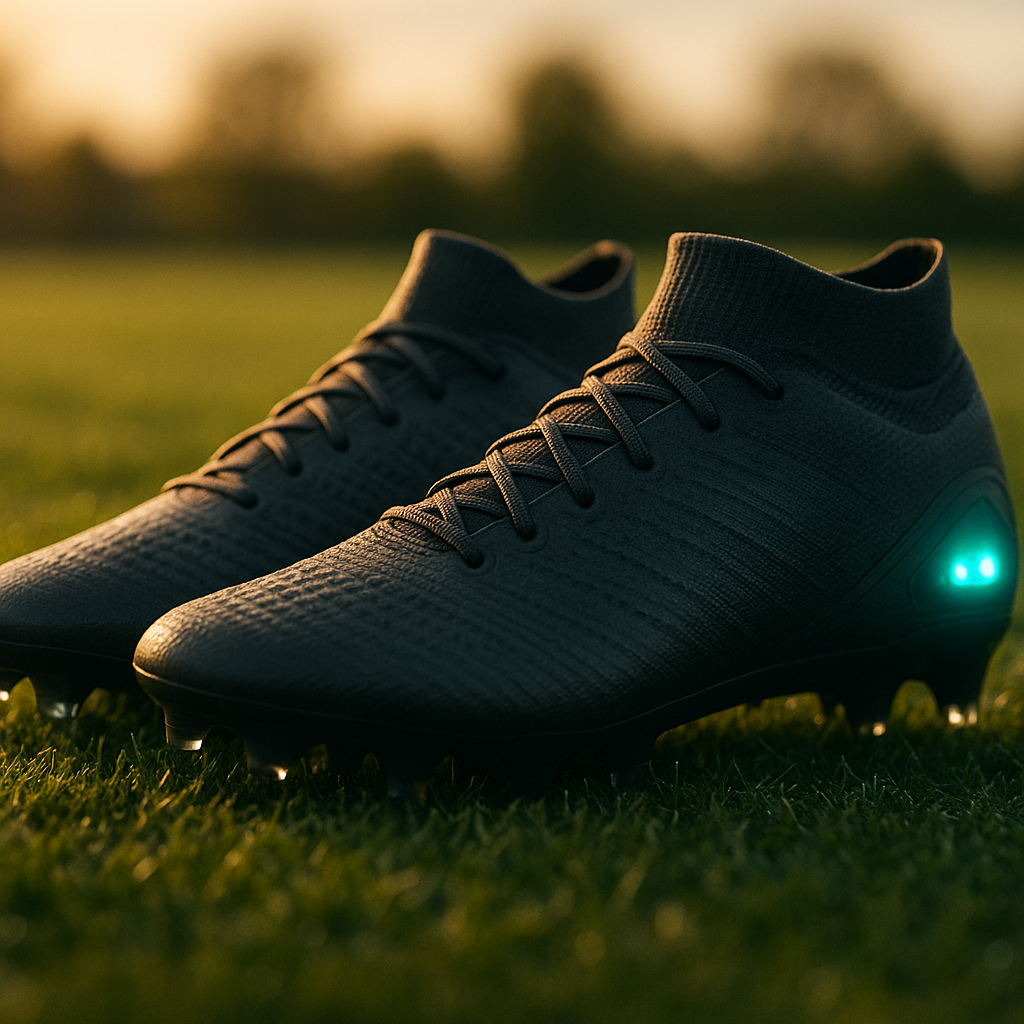
The term gets thrown around loosely, so let’s be precise. A truly smart football boot contains embedded or attachable sensors that capture real-time movement data during play. The core metrics most models track include: sprint speed, acceleration and deceleration patterns, foot strike force, pressure distribution across the sole, ball contact points, and distance covered. That data is then synced, usually via Bluetooth or a proprietary clip-in pod, to a companion app where AI processes it and delivers insights.
The key leap in 2026 is that the AI layer has become genuinely useful rather than gimmicky. Earlier iterations would give you a number (you hit the ball with 72 kg of force, congratulations) with little practical guidance. Now, top-tier systems compare your data against positional benchmarks, flag biomechanical inefficiencies and suggest drill programmes tailored to your specific weaknesses. That’s a meaningful upgrade.
Top Smart Football Boot Models to Watch in 2026
Adidas GMR Pro+
Adidas has been quietly building its smart boot ecosystem for several years, and the GMR Pro+ is the most refined version yet. The insole sensor unit captures over 2,000 data points per second, tracking everything from sprint acceleration off the mark to the precise zone of the foot making ball contact. The companion app, developed in partnership with Google, now uses machine learning to identify patterns across multiple sessions. If your left-foot passing accuracy drops after 60 minutes, the system will flag it. Genuinely useful for players working on positional endurance.
Nike Adapt Boot 360
Nike’s entry into the sensor boot space leans heavily on the fit technology they’ve developed through their Adapt line. The 360 version adds a dedicated performance pod at the heel, capturing ground contact time, stride symmetry and peak force data. The real draw here is the integration with Apple Health and Garmin Connect, making it easy to fold football-specific data into a broader training picture. At around £320 retail in the UK, it’s expensive but justifiable for serious players.
Playermaker Gen3
Playermaker isn’t a boot manufacturer in the traditional sense. They produce clip-on sensor units compatible with most professional-grade boots, and the Gen3 is their most accurate unit to date. Several EFL Championship clubs have been using Playermaker systems in training this season. The advantage is flexibility; you can keep wearing your preferred boot and simply attach the pods. The platform produces detailed PDF reports coaches can actually use in pre-match briefings, which is why it’s gaining serious traction at club level.
PUMA evoSENS 1.1
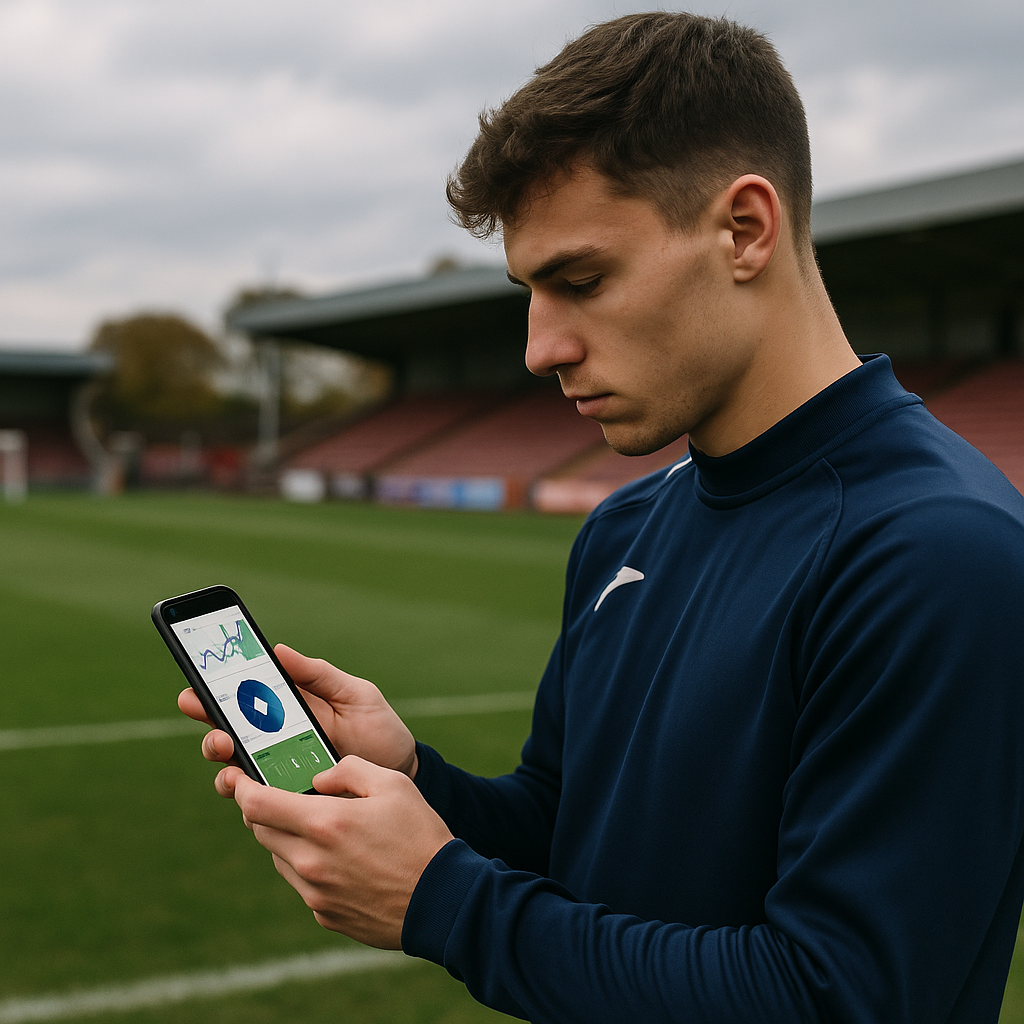
PUMA’s offering takes a slightly different approach by focusing almost entirely on shooting mechanics. The evoSENS 1.1 uses three pressure sensors across the forefoot to map exactly where the ball is struck, how much topspin or sidespin is generated, and how consistent a player’s kicking technique is across repeated attempts. For strikers and midfielders looking to add clinical finishing to their game, this is perhaps the most targeted tool available. It pairs with a tablet-based coaching dashboard that overlays heatmaps of ball contact zones session by session.
What Does the Data Actually Tell You?
The question every sceptic asks is fair: do the numbers actually lead to improvement? The evidence is building. A 2025 study published in the BBC Sport performance section highlighted how grassroots clubs using wearable tracking tools reported a 14 per cent improvement in player conditioning metrics over a single season. Smart football boots are part of that broader wearable wave.
At an individual level, the most immediate benefit tends to be awareness. Most amateur players significantly overestimate their sprint output and underestimate how uneven their pressure distribution is during passing. Seeing accurate data strips away that self-deception. When a left winger discovers their top speed has dropped from 28 km/h to 24 km/h over six weeks, that’s a concrete prompt to investigate recovery, nutrition or training load.
At club level, coaches are using the aggregate data to spot overload risks before injuries happen. If three players in a squad show simultaneous spikes in ground contact force over a fortnight, the smart coaching response is to reduce intensity in the next training block, not wait for a hamstring pull.
Are Smart Boots Worth It for Grassroots Players?
Cost is the honest barrier here. Most sensor-equipped boots sit between £180 and £380. That’s a significant outlay for a player in a local Sunday league. The Playermaker clip-on route is worth considering at grassroots level because the unit itself (around £130) can be moved between boots, making it more cost-effective over time.
For youth academies and school teams, the picture is different. Facilities that already take energy compliance seriously, obtaining things like a dec certificate for their sports halls to meet public building standards, are increasingly the same environments investing in performance technology for young players. It’s part of the same mindset: measure what matters, improve what you can.
Several FA Charter Standard clubs have started pooling sensor units as shared squad resources, much like GPS vests are used. That model spreads the cost and democratises access to data that was previously reserved for professional environments.
Where Is the Technology Heading Next?
The next logical step is real-time feedback during play, rather than post-session analysis. Engineers are working on haptic feedback systems that can vibrate the insole subtly to alert a player to an injury-risk gait pattern as it develops. That’s still 12 to 18 months from a commercial product, but the prototypes are in testing. There’s also significant work happening around embedding hydration monitoring into the boot lining, detecting sweat composition to flag dehydration risk during long matches.
The more immediate upgrade coming later in 2026 is improved battery life. Current sensor pods need charging every three to five sessions, which is a minor but genuine friction point for regular users. New solid-state micro-batteries promise to extend that to 15 or more sessions per charge, which would make the daily experience of using smart football boots far more seamless.
Smart football boots are no longer a novelty. They’re a legitimate performance tool, and the gap between what a professional at Arsenal or Manchester City has access to and what you can buy in a sports shop is narrowing fast. If you take your game seriously, there’s never been a better moment to let your boots start talking back.
Frequently Asked Questions
What are smart football boots and how do they work?
Smart football boots contain embedded or attachable sensors that track movement, speed, pressure and ball contact data during play. The data syncs to a smartphone or tablet app via Bluetooth, where AI analyses your performance and provides tailored coaching insights.
How much do smart football boots cost in the UK?
Most sensor-equipped boots retail between £180 and £380 in the UK, depending on the brand and feature set. Clip-on sensor pods like Playermaker Gen3 offer a more affordable entry point at around £130, as they attach to boots you already own.
Are smart football boots legal to use in competitive matches?
Regulations vary by competition. Most amateur and grassroots leagues permit sensor insoles and clip-on pods, but some FA-affiliated competitions have restrictions on attachable devices during official matches. Always check with your league administrator before wearing sensors in a competitive fixture.
Which smart football boot is best for youth players?
For young players in academies or school teams, the Playermaker clip-on system is popular because it’s boot-agnostic and can be shared across a squad. The PUMA evoSENS 1.1 is also worth considering for youth strikers looking to improve shooting consistency specifically.
Can smart boot data help prevent football injuries?
Yes, increasingly so. Coaches and physios use aggregate data from smart boots to spot spikes in ground contact force or asymmetrical stride patterns that often precede soft tissue injuries. Identifying these warning signs early allows training loads to be adjusted before a player breaks down.
Leave a Reply