

The countdown to one of football’s greatest tournaments is well and truly on. UEFA Euro 2028 is being co-hosted across the United Kingdom and Republic of Ireland, marking the first time a major international football tournament returns to British shores since Euro 96. For fans planning ahead, knowing the UEFA Euro 2028 host cities venues is absolutely essential. Whether you’re booking trains, sorting accommodation or just dreaming about where you’d most like to watch a match, this is your complete rundown.
Which Countries Are Hosting UEFA Euro 2028?
The tournament spans five nations: England, Scotland, Wales, Northern Ireland and the Republic of Ireland. The bid was officially awarded in October 2023, and UEFA confirmed ten host cities across these countries. It’s a genuinely historic setup. Five nations, ten cities, one tournament. The logistical scale of this is enormous, and for fans it means incredible variety in terms of travel, culture and atmosphere.
The confirmed host cities are London, Manchester, Newcastle, Birmingham, Glasgow, Cardiff, Belfast, Edinburgh, and Dublin. Each brings its own footballing identity, transport infrastructure and stadium credentials. Let’s break them down properly.
The England Venues: Wembley, Old Trafford and Beyond
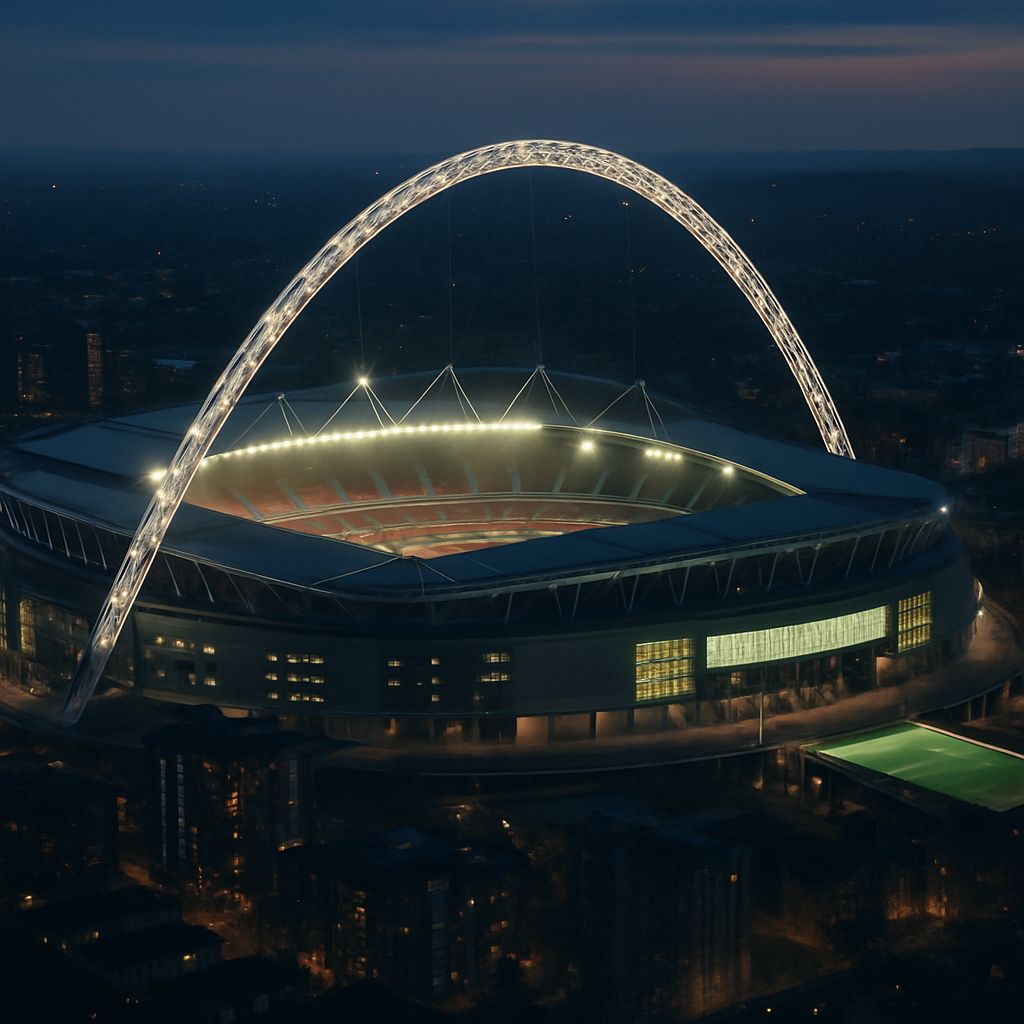
England carries the largest share of matches, with four host cities. Wembley Stadium in London is the jewel in the crown. With a capacity of 90,000, it will host the final, semi-finals and a string of group stage clashes. The national stadium has already hosted multiple major finals and needs little introduction. Getting there is straightforward via London Overground, the Metropolitan line or Chiltern Railways to Wembley Central.
Old Trafford in Manchester is pencilled in as another key venue, though the ongoing redevelopment discussions will be closely watched. The ground currently holds around 74,000 but redevelopment plans could see that figure rise significantly before 2028. Manchester is supremely well connected by rail, with Piccadilly and Victoria stations covering most national routes.
St. James’ Park in Newcastle brings one of the most intense atmospheres in English football. With over 52,000 supporters packed in beneath the famous floodlights, it’s a cauldron. Newcastle Central station is a short walk from the stadium. Villa Park in Birmingham rounds out the England contingent. The home of Aston Villa seats just under 43,000 and has previous big-occasion pedigree, having hosted matches during Euro 96.

Scotland, Wales and Northern Ireland: The Devolved Nations Step Up
Scotland’s host city is Glasgow, with Hampden Park serving as the venue. The national stadium holds around 51,000 and carries decades of iconic football history. It hosted the 1960 European Cup Final, widely regarded as one of the greatest club football matches ever played. Transport is well covered by ScotRail services and the Glasgow subway network.
Wales brings Cardiff City Stadium into the fold. With a capacity of approximately 33,000, it’s one of the smaller venues in the tournament, but Cardiff punches well above its weight in terms of atmosphere. Welsh fans are among the most passionate in the game, and the city centre location makes the matchday experience brilliant from start to finish. Cardiff Central station is minutes away.
Northern Ireland’s contribution comes via Casement Park in Belfast. This venue is currently undergoing a major redevelopment that will bring capacity up to around 34,500. It’s a genuinely exciting project, transforming an historic GAA ground into a multi-sport arena capable of hosting elite international football. Translink bus and rail services connect the city efficiently.
Murrayfield Stadium in Edinburgh has also been confirmed as a venue for the tournament. Primarily known as Scotland’s rugby home, Murrayfield holds over 67,000 and will be configured for football use. The temporary setup will be carefully managed by UEFA, and Edinburgh’s Haymarket and Waverley stations make getting there straightforward from across Scotland.
The Republic of Ireland: Dublin Adds European Flair
Dublin rounds out the UEFA Euro 2028 host cities venues picture with Aviva Stadium in Lansdowne Road. Ireland’s national stadium seats around 51,700 and is shared between rugby and football. It has modern facilities, a compact atmosphere that generates serious noise, and is located in a well-connected part of Dublin. DART and Luas services, as well as numerous bus routes, bring fans in from across the city and beyond. For British fans making the short trip over from Liverpool, Holyhead or Bristol, it’s a brilliant addition to the tournament’s geography.
Transport and Fan Experience: Planning Your Euro 2028 Trip
One of the strongest arguments for this co-hosted tournament is the quality of transport links across all ten cities. Most venues are within walking distance or a short public transport ride from major railway stations. For fans travelling between cities, the UK rail network covers most inter-city routes well, and budget airlines serve Dublin and Belfast from most major UK airports.
UEFA typically releases a Fan ID system for major tournaments, which in previous editions has offered free public transport in host cities on match days. Fans should keep an eye on official UEFA communications for confirmation of similar arrangements for 2028. You can stay up to date with official tournament news directly via the BBC Sport football section, which will cover fixtures, ticketing and travel updates as they’re confirmed.
What Makes This Tournament Different
The sheer cultural diversity on offer across this tournament is extraordinary. In a single fortnight you could watch a match at Wembley, hop on a train to Newcastle, catch another game at Hampden, then fly to Dublin for a knockout tie. The variety of cities, each with its own football culture, food scene and nightlife, makes the fan experience genuinely unmatched. The UCI Euro 2028 host cities venues collectively represent some of the finest football real estate in the world.
Ticket demand is going to be fierce. Euro 2020 (played in 2021) saw massive over-subscription for tickets even during a pandemic-affected tournament. Planning early, registering with UEFA’s ticketing portal when it opens, and sorting transport and accommodation well in advance is the only sensible approach. This is shaping up to be one of the great European Championships. Don’t get left watching it from your sofa.
Frequently Asked Questions
Which stadiums are confirmed for UEFA Euro 2028?
The confirmed venues include Wembley Stadium, Old Trafford, St. James’ Park, Villa Park, Hampden Park, Murrayfield, Cardiff City Stadium, Casement Park, and Aviva Stadium in Dublin. Together they span England, Scotland, Wales, Northern Ireland and the Republic of Ireland.
Where is the UEFA Euro 2028 final being held?
Wembley Stadium in London is expected to host the UEFA Euro 2028 final, as confirmed in the host bid documentation. It has a capacity of 90,000 and has previously staged major international finals including Euro 96 and the Euro 2020 final.
How do I get tickets for UEFA Euro 2028?
Tickets will be distributed through UEFA’s official ticketing portal, which will open ahead of the tournament. Fans should register early and monitor official UEFA and BBC Sport channels for announcements on ticket ballots and sale dates.
Is Casement Park ready in time for Euro 2028?
Casement Park in Belfast is currently undergoing a major redevelopment expected to complete ahead of the tournament, bringing capacity to approximately 34,500. The project has faced delays in the past but planning approvals have now progressed significantly.
Can UK fans travel easily between UEFA Euro 2028 host cities?
Yes, the UK rail network connects most host cities with regular intercity services, and budget airlines serve Dublin and Belfast from major UK airports. UEFA has historically offered free public transport on match days for registered Fan ID holders, though this is yet to be confirmed for 2028.
Leave a Reply