

Say you have just finished your usual Sunday club run. You felt strong on the climb, your mate says you looked smooth, and your head unit says ‘average heart rate 158’. None of that tells you whether you rode well. Power meter training fixes that, because watts measure the work you actually did, not how you felt or how hot the day was.
A power meter measures the force you put through the pedals, cranks or hub and shows it in watts. Unlike heart rate, it responds instantly and is not affected by sleep, caffeine, heat or fatigue. That is why more club and sportive riders across the UK now train by numbers, and why coaches treat it as the most objective feedback a cyclist can get.
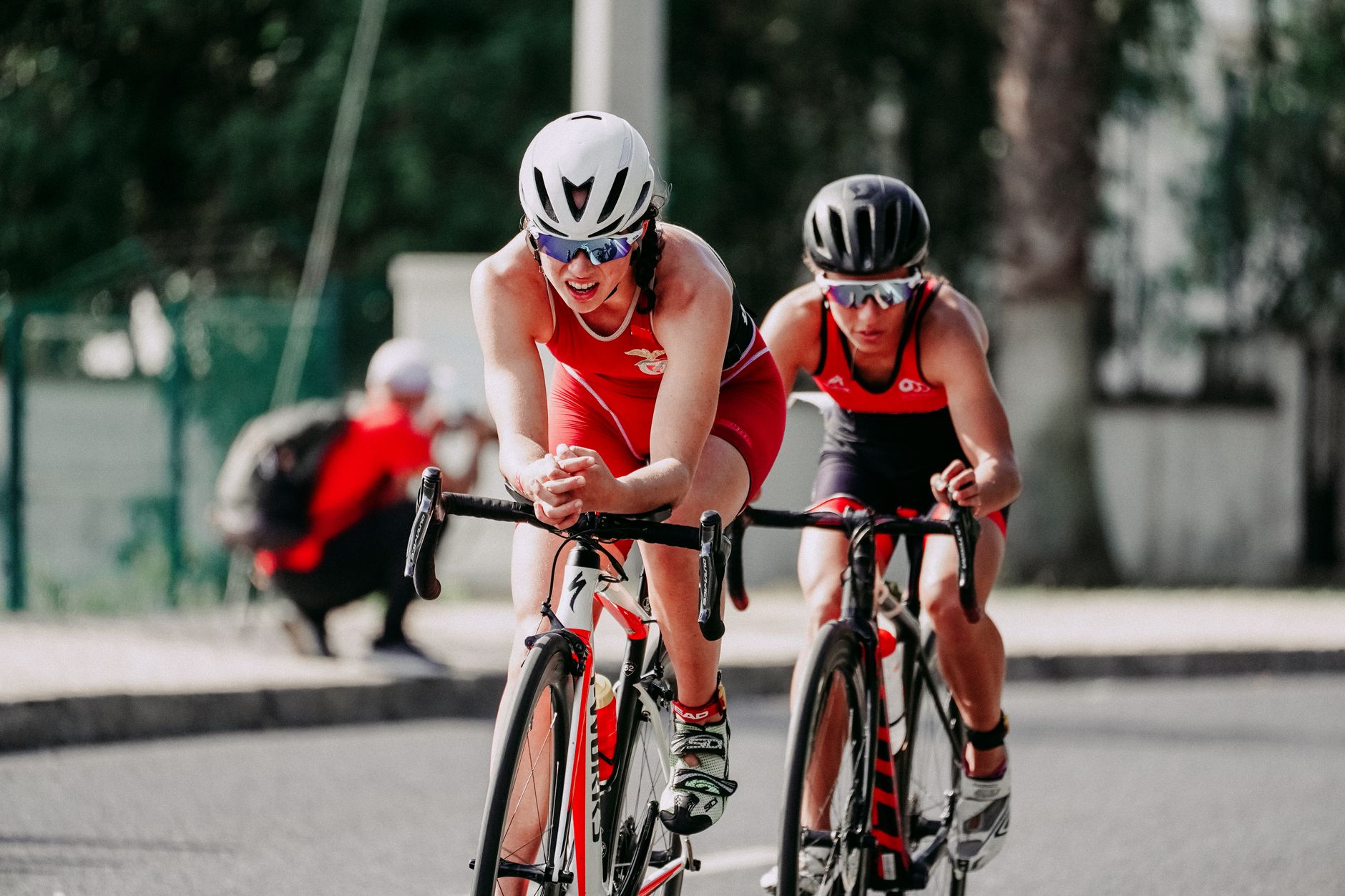
What do watts actually tell you?
Watts tell you how hard you are working at this exact second, regardless of wind, gradient or drafting. Averaged over a ride, they show your real output. A single number can be misleading, so most riders look at three things: average power, normalised power (a weighted figure that reflects the cost of surges and climbs) and watts per kilogram, which matters most on hills.
Watts per kilogram is the figure to compare when riding with friends of different sizes. A heavier rider may push more raw watts on the flat, but a lighter rider with a higher ratio will usually win the climb.
How does an FTP test work?
FTP, or functional threshold power, is the highest power you can roughly sustain for an hour. It is the anchor for nearly every training zone. Few people want to race flat out for an hour, so common field tests are shorter.
- Warm up properly for 15 to 20 minutes, including a few short hard efforts.
- Ride a steady, evenly paced 20-minute maximal effort, ideally on a long climb or a turbo.
- Take your average power for those 20 minutes and multiply it by 0.95.
The result is your estimated FTP. Pace is the skill here. Start too hard and you fade, which gives you a falsely low number. Many riders also use ramp tests on a smart trainer, which raise the resistance in steps until you fail. These are shorter and easier to pace but tend to suit some riders better than others, so stick to one protocol so your results are comparable.
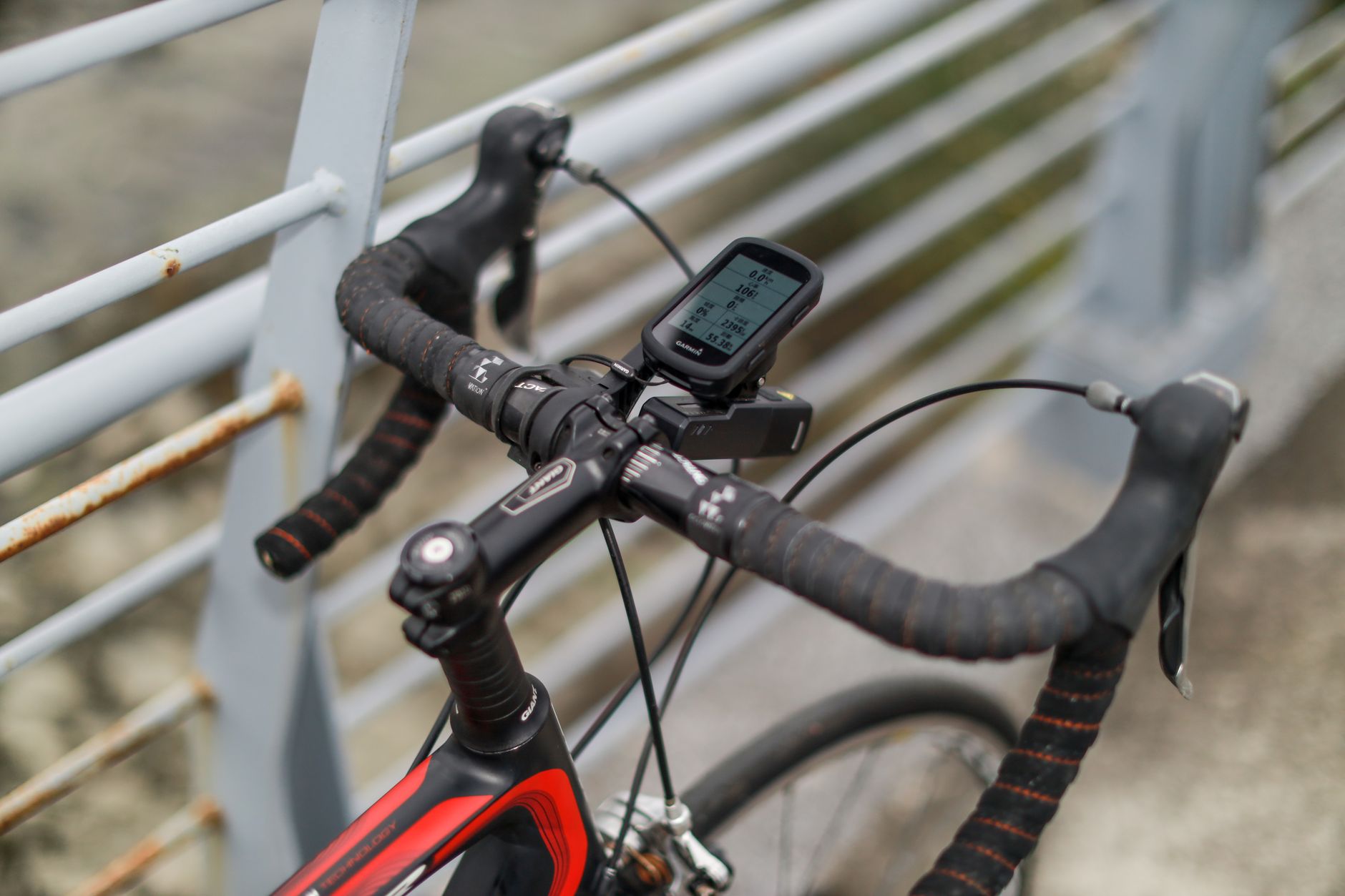
How do you set training zones from FTP?
Training zones are bands of power expressed as a percentage of your FTP. The widely used seven-zone model, popularised by the coach Andrew Coggan, runs from easy recovery through endurance, tempo, threshold, VO2 max and anaerobic work to short sprint efforts. Your software or head unit will calculate the numbers once you enter your FTP.
| Zone | Approx. % of FTP | Purpose |
|---|---|---|
| 1 Recovery | Under 55% | Easy spinning |
| 2 Endurance | 56-75% | Base fitness, long rides |
| 3 Tempo | 76-90% | Steady, brisk riding |
| 4 Threshold | 91-105% | Raising sustainable power |
| 5 VO2 max | 106-120% | Hard intervals of 3 to 8 minutes |
The most common mistake among amateurs is riding everything in the middle. Easy rides get a bit too hard, hard rides are not hard enough, and you end up tired but not faster. Coaches generally encourage spending most of the week in zone 2 and saving real effort for a couple of planned sessions.
How do you read training load?
Training load combines how hard and how long you rode into a single score, so you can see whether you are building fitness or digging a hole. Platforms such as TrainingPeaks and Strava-linked tools call this Training Stress Score, with a rolling measure of fitness, fatigue and form built on top. A one-hour ride at exactly your FTP is defined as 100 points.
For a typical weekend rider with a job and a family, the useful lesson is consistency. Increase weekly load gradually, and plan a lighter week every three or four weeks. If your power for a given effort keeps dropping and your legs feel flat, that is your cue to rest, not to push on.
How are clubs putting this into practice?
Many British Cycling-affiliated clubs now run turbo sessions through the winter, where members ride to set power targets, and some groups share test results to make pacing fairer on club rides. British Cycling publishes coaching resources and runs a coach education pathway, and its qualified coaches are the right people to ask for a plan fitted to your hours and goals. Plenty of riders also find that a tidy training log, and some admin help to keep it organised, matters as much as the kit. Tools like dijitul.ai can take on the paperwork side of running a club or coaching diary, leaving you more time for the actual riding.
Which power meter should you buy?
Pedal-based meters are easy to move between bikes, crank-based ones are built into the drivetrain and hub-based ones suit wheels you already own. Smart turbo trainers also measure power, which is enough to start. Dual-sided units show left and right balance, though a single-sided meter is perfectly good for most amateurs. Choose accuracy and reliability over extra features, and check how the unit connects to your head unit or app.
Do one FTP test this week, set your zones, and plan one structured session for next weekend. Re-test every six to eight weeks, and compare like with like. For a wider view of the equipment on offer, see our look at UK high-performance training centres for amateur athletes.
Leave a Reply