

Disc golf is turning up in more UK parks, woods and green spaces, and it affects anyone who fancies a cheap, outdoor, low-pressure sport near home. The basics are simple: you throw a flying disc at a metal basket in as few throws as you can, like golf without clubs. You can play your first round for under £10 with a single disc.
This guide covers why the sport is spreading, what it asks of your body, and the steps to get on a course. I’m sticking to what is well established, so for specific course locations and fees, you’ll need to check the sources I point to.
Why are councils and Sport England interested in disc golf?
Councils like disc golf because it is cheap to install and uses land they already own. A course is a set of baskets and tee markers laid over an existing park or woodland, with no pitch to mark, no changing rooms and no floodlights. Compared with a 3G pitch or a leisure centre, the capital cost is tiny, and it can sit alongside dog walkers and picnics.
Sport England’s stated aims centre on getting inactive people moving and widening who takes part, with a focus on low-cost, accessible activity close to home. Disc golf fits that brief neatly, because it needs no membership, no booking and no expensive kit. I’d treat it as a sport that fits current policy rather than one with a dedicated national funding stream, so check with your own council or local active partnership for what is planned near you.
It also suits the wider shift towards community-led provision. If you want that bigger picture, our piece on how councils are replacing closed leisure centres covers it.
What does disc golf demand physically?
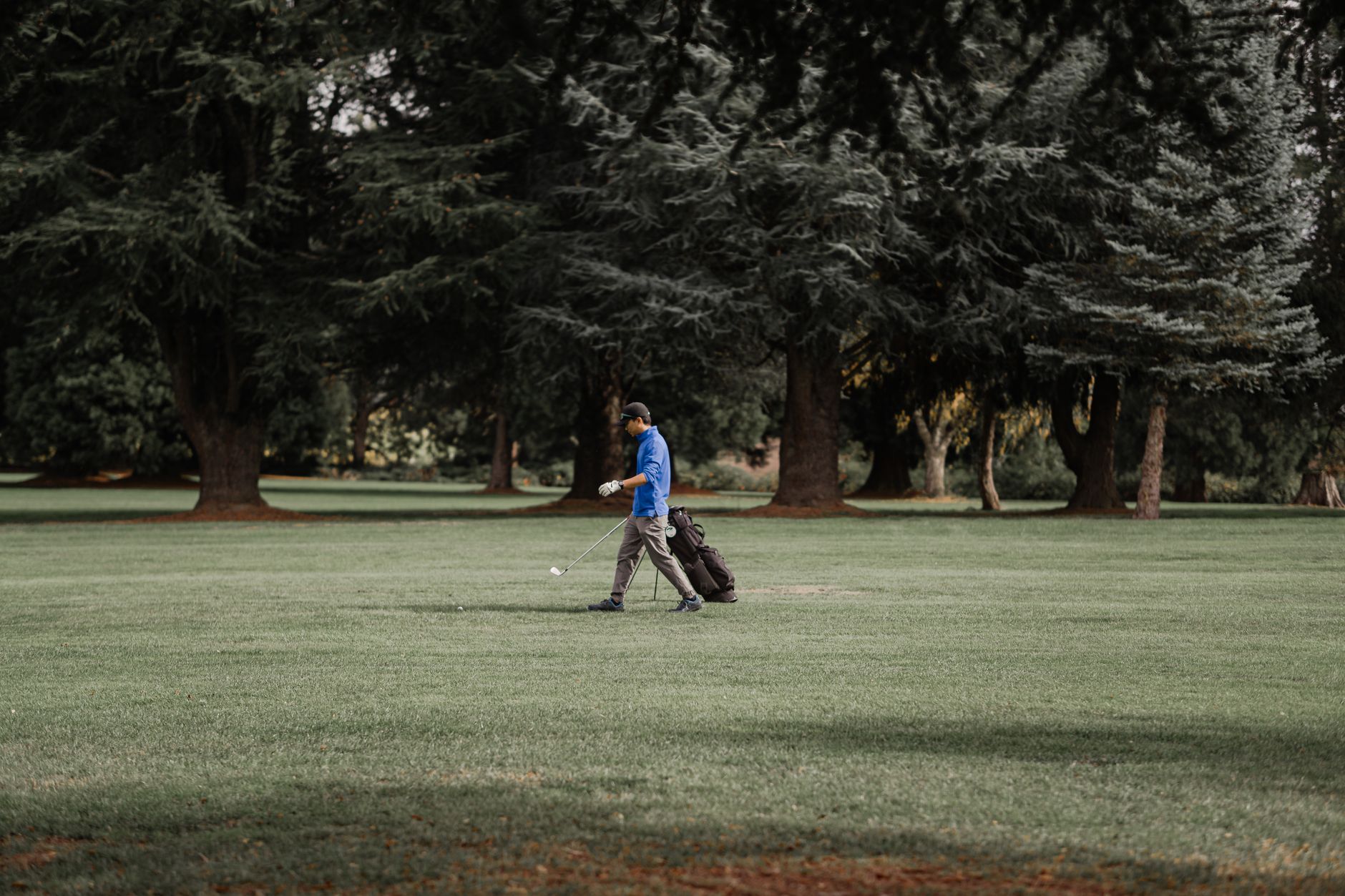
Disc golf demands a gentle walk of a few kilometres over a typical round, plus repeated throwing from a standing or short run-up position. A standard 18-hole course usually takes between one and two hours. Most of the effort is walking, often on uneven grass, slopes or woodland paths, so it counts as light to moderate activity.
The throw uses your whole body, not just your arm. Power comes from the legs and hips, rotating through the trunk and finishing with the shoulder and wrist. That makes it a useful, low-impact way to practise rotational movement, though it is not a workout that will leave you gasping. Players who throw hard without warming up can strain a shoulder or elbow, so loosen up first, as you would before a round of tennis or cricket.
Because you set your own pace, it suits a wide range of ages and fitness levels. Anyone with a history of shoulder, back or knee problems should take advice from a GP or physio, and the NHS exercise guidance is a sound starting point for how much activity adults should aim for.
How do you get started with disc golf for under £10?
You can start disc golf for under £10 by buying one all-purpose disc and playing a free or low-cost course. Follow these steps in order.
- Find your nearest course. Search for a course directory such as UDisc, a widely used disc golf app and website that maps courses, or check the UK Disc Golf Association’s site. Also search your council’s parks pages, as new installations often appear there first. Doing this before you buy anything saves you wasted money if nothing is close.
- Check the rules and cost. Many park courses are free to play. Some venues charge a small fee or ask you to buy discs on site. Look at the course’s own page so you know what to expect on arrival.
- Buy one mid-range disc. A mid-range disc flies straighter and is easier to control than a high-speed driver, which suits beginners. Entry-level discs from the main manufacturers typically sit around the £8 to £12 mark, though prices vary, so shop around for the cheaper end. One disc is enough for your first round.
- Wear what you already own. Trainers with decent grip are the only real requirement, plus a waterproof in a British autumn. The ground can be muddy, so avoid anything you’d mind getting dirty.
- Learn the basic throw. Start with a backhand throw: stand side-on, reach back, step through and release flat. Keep the disc level rather than tilted, and don’t try to throw it as far as possible. Accuracy matters more than power in the first few rounds.
- Play to the basic rules. Throw from the tee, then from where your disc lands, until it comes to rest in the basket. Count your throws. Lowest total wins. Keep track of par, which is the number of throws a good player would expect to need on a hole.
- Go with someone else. A friend, partner or child makes it more fun and a bit more competitive. A second pair of eyes also helps you find a disc lost in long grass.

Where does disc golf fit among other new park sports?
Disc golf sits with pickleball and padel in the group of newer sports that give people something fresh to try without the traditional barriers. The difference is that disc golf needs almost no infrastructure. Our look at the rise of pickleball in the UK shows how quickly a new sport can take off once venues adapt, but pickleball needs courts, whereas disc golf needs a few baskets and permission to use the park.
If you want to get a bit more serious, local clubs and informal groups often run casual meet-ups and small competitions. Posting in a local group or checking a club’s social media is usually the quickest way in. For anyone running a club or community group, a simple website that lists your course, meet-up times and contact details helps newcomers find you, and a service like dijitul.ai is the sort of place to look if you’d like help building one.
Etiquette and safety on the course
Disc golf is played in shared public spaces, so the main safety rule is simple: never throw until you are sure nobody is in the landing zone. Walkers, children and dogs wander across park courses all the time, and a disc thrown with force can hurt. Shout a clear warning if someone strays into range, and wait for them to pass.
Respect the space itself. Take your rubbish home, stay off flower beds and protected areas, and keep to marked paths where you can. Councils are installing these courses on the understanding that they sit comfortably alongside other park users, and careless play is the quickest way to lose that goodwill.
Your next step is easy: look up the nearest course on a directory this week, pick up one mid-range disc, and plan a round for a dry weekend morning.
Frequently Asked Questions
Is disc golf free to play in the UK?
Many park-based disc golf courses are free to play, as councils install them as open public facilities. Some venues charge a small fee or require you to buy or hire discs. Check the course’s own page or the local council’s parks site before you go.
What disc should a beginner buy for disc golf?
A beginner should buy a mid-range disc. These fly straighter and are easier to control than high-speed drivers. One entry-level disc from a main manufacturer is enough for your first few rounds, and prices usually sit around £8 to £12.
How long does a round of disc golf take?
A standard 18-hole round usually takes between one and two hours, depending on the course, the group size and how experienced the players are. Shorter courses with fewer holes take less time, so beginners can easily fit in a quick game.
Is disc golf good exercise?
Disc golf is light to moderate exercise. You walk a few kilometres over a round and use your legs, hips and trunk to throw. It will not replace a hard workout, but it is a pleasant, low-impact way to stay active outdoors.
How do I find a disc golf course near me?
Use a course directory such as UDisc or the UK Disc Golf Association’s website, which map courses by location. You can also search your local council’s parks pages, as new installations are often announced there before they appear on national listings.
Leave a Reply