

Stadium design has always been a statement of ambition. But what’s being unveiled in 2026 goes well beyond a new set of seats and a bigger scoreboard. These are buildings engineered for the future, blending architectural spectacle with genuine sporting function. From AI-powered crowd flow systems to retractable pitches and solar-clad facades, the futuristic sports stadiums of 2026 are setting a benchmark that previous generations of architects would barely recognise.
Whether you’re a football fan, an athletics devotee, or simply someone who appreciates bold engineering, these venues deserve your attention. Here’s what’s opening, what’s new, and why it matters.
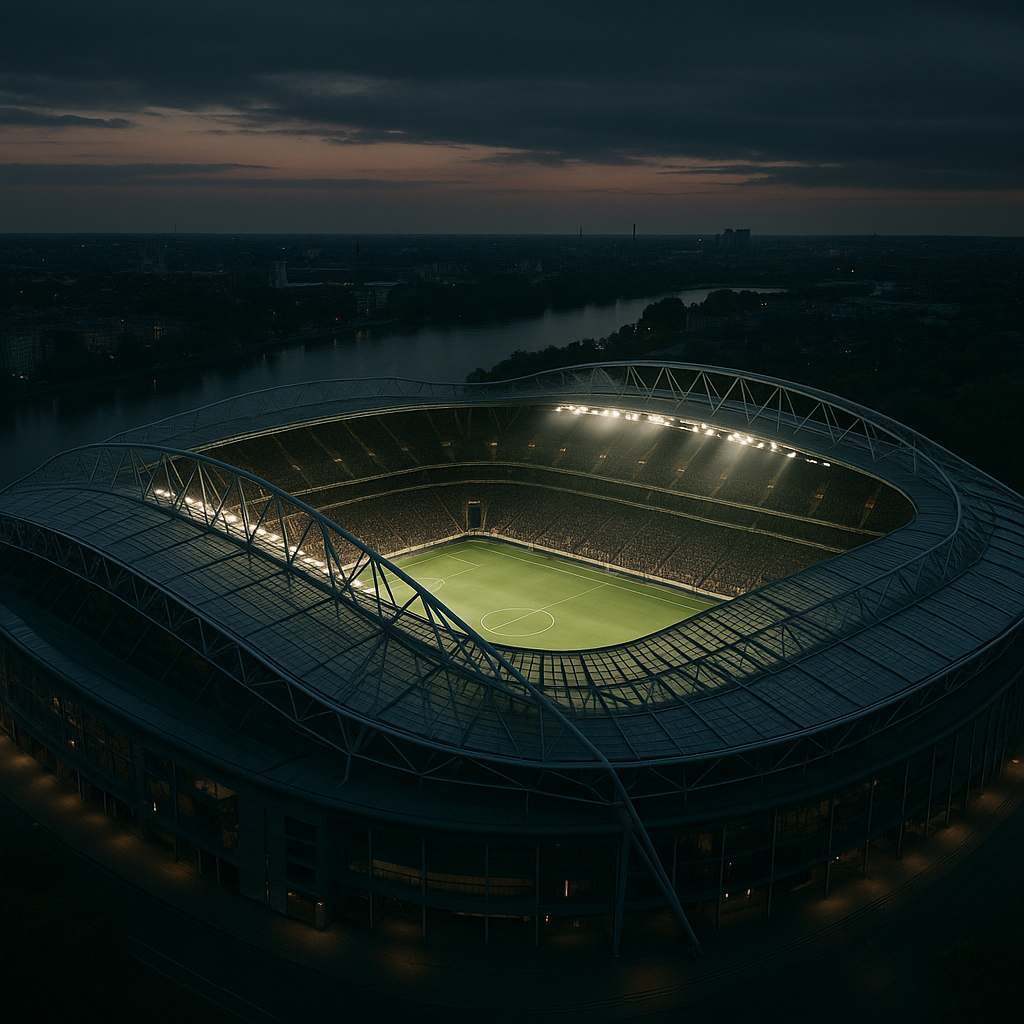
What Makes a Stadium “Futuristic” in 2026?
It’s a fair question. The word gets thrown around whenever a new venue has a fancy roof or LED screens in the concourse. But the stadiums genuinely earning that label in 2026 are doing something more substantial. They’re integrating artificial intelligence into crowd management, using real-time data to route fans away from pinch points and reduce queue times at turnstiles. Some are trialling facial recognition entry systems, though these remain controversial in the UK given ICO guidance on biometric data use.
Sustainability is equally central. Several 2026 openings are targeting BREEAM Excellent or net-zero operational carbon ratings. That means photovoltaic panels embedded into roof panels, rainwater harvesting for pitch irrigation, and low-embodied-carbon concrete mixes. It also means thorough structural surveys during construction, including proper asbestos management protocols when demolishing or repurposing older stadium infrastructure on the same site, which remains a legal requirement under UK regulations.
Then there’s the fan experience layer: app-connected seat upgrades, personalised catering delivered to your row, augmented reality overlays through in-stadium screens. This isn’t concept design. These features are being built in as standard.
New Everton Stadium, Liverpool: A British Landmark
Let’s start close to home. Everton’s new stadium at Bramley-Moore Dock finally opened its doors in early 2026 after years of construction, planning battles, and nationwide anticipation. With a capacity of 52,888, it sits on the banks of the Mersey and immediately became one of the most photographed new venues in Europe.
The design by Dan Meis incorporates a striking slanted roof that channels rainwater into recycled systems used for pitch maintenance. The stands are steep and tight, designed to amplify crowd noise in a way that echoes the old Goodison atmosphere rather than the more sterile bowl formats seen elsewhere. Smart sensor technology monitors structural load across the building in real time, feeding data back to facilities teams during matchdays.
Connectivity inside the ground is exceptional. Over 1,200 WiFi access points mean 52,000 fans can stream simultaneously without degradation, and the in-app matchday experience includes live stats, replay access, and food ordering from your seat. For a club that spent over a century at Goodison Park, this is a serious step into the modern era.

The Lusail Iconic Stadium Legacy Projects
Several venues constructed for major recent tournaments are being adapted and repurposed in 2026 as part of legacy infrastructure commitments. Qatar’s Lusail Stadium, which hosted the 2022 World Cup final, is one of the most technically advanced buildings ever constructed for sport. Its cooling system alone, which maintains a consistent 20°C pitch-side temperature in 40°C heat, is an engineering case study in its own right.
By 2026, Lusail’s transformation into a mixed-use community hub is well advanced. It’s an interesting model that several European clubs are watching closely, particularly those with planning constraints around expanding existing grounds.
SoFi-Level Ambition Comes to Europe: Madrid’s New Atletico Ring
Atletico Madrid’s expansion of the Civitas Metropolitano is delivering a retractable roof across the full bowl by mid-2026, along with a complete overhaul of the north stand hospitality tier. The retractable roof took years of engineering negotiation given Madrid’s seismic activity requirements, but the result is a building that can host concerts, boxing, and tennis in fully enclosed conditions as well as top-flight football.
The venue’s AI crowd management system is probably the most sophisticated currently deployed in European club football. Sensor arrays at every entry gate feed into a central control platform, dynamically adjusting turnstile allocations and digital wayfinding boards across the concourse as crowd density builds. The club’s own data suggests entry times at peak capacity have dropped by roughly 35% compared to the old system.
Sustainable Design: Not Just a Talking Point
One of the most encouraging trends across the 2026 stadium pipeline is the serious commitment to environmental performance. The BBC Sport has covered several new grounds where sustainability credentials are now part of the planning approval narrative, not just a marketing footnote.
Photovoltaic glass is being used in roof and facade elements at several venues, generating renewable energy during daylight hours that feeds back into the national grid when the stadium is unoccupied. Ground-source heat pump systems are replacing gas boilers in changing rooms and hospitality areas. Even the seating materials are being scrutinised, with several venues switching to seats manufactured from recycled ocean plastics.
Pitch technology is advancing at the same pace as the buildings around it. Hybrid grass systems, combining natural turf with synthetic fibres, are now standard at top-tier venues, extending playing surfaces to over 600 hours of use per year without significant quality degradation. Undersoil heating and lighting rigs that supplement natural daylight are keeping pitches match-ready through UK winters in a way that would have been impossible a decade ago.
Why This Matters for UK Fans and Clubs
The UK has a complicated relationship with new stadium development. Planning restrictions, listed building concerns, community opposition and funding challenges mean many clubs are still playing in grounds built in the early twentieth century. That’s not always a bad thing: some of those atmospheres are irreplaceable. But the gap between the UK’s older second and third-tier grounds and the new-build venues appearing across Europe and the Middle East is widening.
Everton’s Bramley-Moore project proves it can be done. Tottenham Hotspur Stadium, which opened in 2019, set a new standard for what a Premier League ground could look like, and its retractable grass pitch remains one of the smartest stadium engineering achievements in British sport. The next challenge is making this level of investment accessible not just to the top six, but to clubs with serious ambitions and loyal fanbases in the Championship and below.
The futuristic sports stadiums opening in 2026 aren’t just impressive buildings. They’re proof of what sport and architecture can achieve when given the resources and the vision to push forward. For anyone serious about where this industry is heading, they’re well worth following.
Frequently Asked Questions
Which new sports stadiums are opening in the UK in 2026?
Everton’s stadium at Bramley-Moore Dock in Liverpool is the headline UK opening in 2026, with a capacity of 52,888 and a range of smart technology features including sensor-based structural monitoring and 1,200-plus WiFi access points. Several lower-league clubs are also at various stages of new ground development.
What technology is being used in futuristic sports stadiums in 2026?
The most advanced venues in 2026 are integrating AI crowd management systems, retractable roofs, hybrid pitch technology, app-connected catering, augmented reality screens, and real-time structural monitoring. Sustainability features like photovoltaic roofing and rainwater harvesting are also becoming standard at top-tier builds.
How do new stadiums manage large crowds more efficiently?
Modern venues use sensor arrays at entry gates feeding into central AI platforms that adjust turnstile allocations and digital wayfinding in real time. Atletico Madrid’s Civitas Metropolitano system reportedly reduced peak entry times by around 35% after its AI crowd management upgrade was fully deployed.
Are new sports stadiums more environmentally friendly?
Yes, significantly so. The most ambitious 2026 stadium projects are targeting BREEAM Excellent or net-zero operational carbon ratings, using photovoltaic glass panels, ground-source heat pumps, recycled ocean plastic seating, and rainwater harvesting for pitch irrigation. Sustainable design is now a core part of stadium planning, not just a bolt-on.
How much does it cost to build a modern stadium in the UK?
Major UK stadium projects now typically cost between £500 million and over £1 billion for top-tier Premier League venues, reflecting complex engineering requirements like retractable pitches, smart infrastructure, and sustainability systems. Everton’s Bramley-Moore Dock stadium had a reported total development cost exceeding £760 million.
Leave a Reply