

Zone 2 training has quietly become one of the most talked-about concepts in elite sport and everyday fitness alike. Once reserved for professional cyclists and marathon runners, this low-intensity, high-reward training method is now shaping weekly programmes from Premier League recovery sessions to weekend warrior schedules. If you have not yet looked seriously at how it fits into your routine, this is the moment to do it.
The principle is deceptively simple. Zone 2 refers to a specific heart rate band, typically 60 to 70 percent of your maximum heart rate, where your body primarily burns fat for fuel and your aerobic base develops at its most efficient rate. It feels easy. In fact, many athletes feel guilty doing it because the effort seems almost too comfortable. That discomfort with comfort is precisely the point.

What Is Zone 2 Training and How Does It Work?
Your cardiovascular system operates across five training zones, each defined by heart rate intensity and the energy systems they engage. Zone 2 sits below the first lactate threshold, meaning your body clears lactate as fast as it produces it. At this intensity, mitochondria, the energy-producing engines inside your muscle cells, are working hard but not being overwhelmed. Over time, consistent Zone 2 work increases the density and efficiency of those mitochondria, which translates directly into better endurance, faster recovery and improved fat oxidation.
Physiologist and longevity researcher Dr Peter Attia has been instrumental in bringing Zone 2 training to mainstream audiences, citing it as a foundation for cardiovascular health and athletic performance at every level. Elite coaches working with Tour de France cyclists and Olympic distance runners have long structured 70 to 80 percent of total training volume in this zone, saving higher-intensity work for targeted sessions that build on the aerobic base below.
Why Zone 2 Training Has Become a Cornerstone of Elite Endurance Programmes
The polarised training model, which combines large volumes of Zone 2 with small amounts of very high-intensity work, has produced some of the most impressive endurance performances in modern sport. Norwegian athletes in triathlon and cross-country skiing have dominated their respective disciplines using this approach for years. Kristian Blummenfelt and Gustav Iden, gold medallists at consecutive Olympic and World Triathlon Championship events, train enormous weekly volumes with the vast majority sitting firmly in Zone 2.
The reason this works comes down to adaptation without accumulation of fatigue. High-intensity sessions create significant physiological stress. Done too frequently, they lead to burnout, injury and stalled progress. Zone 2 builds the same aerobic machinery at a fraction of the recovery cost, meaning athletes can train more often, for longer, and arrive at key events fresher. It also improves cardiac output and stroke volume, essentially allowing the heart to pump more blood per beat, which underpins performance in virtually every sport.
How to Find Your Zone 2 Heart Rate
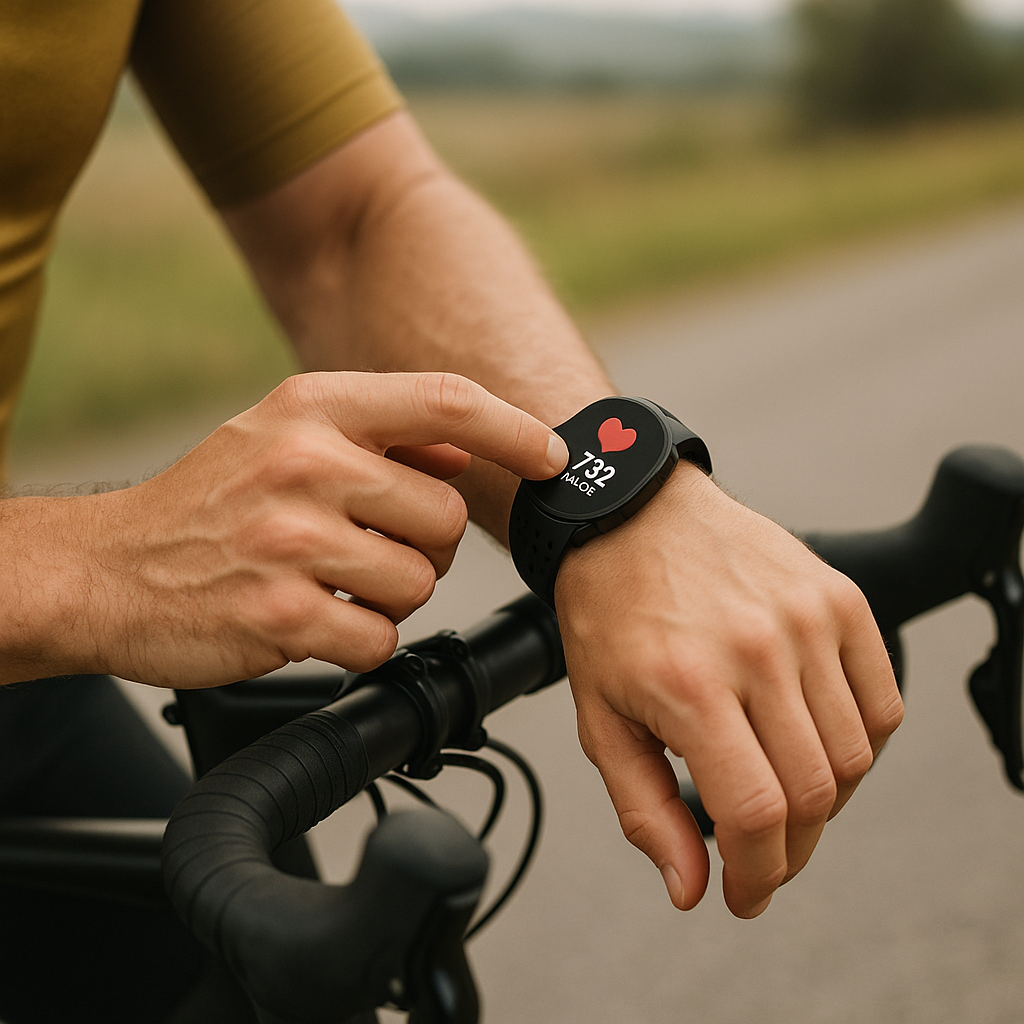
The most accurate way to identify Zone 2 is through a lactate test in a sports science lab, where blood samples taken at increasing intensities pinpoint your lactate threshold precisely. This is increasingly accessible through university sports centres and performance clinics across the UK. However, a practical field method works well for most athletes. Use the talk test: you should be able to hold a full conversation without gasping. If you are struggling to string sentences together, you have drifted into Zone 3. Wearable technology from brands like Garmin, Polar and Whoop now offers real-time zone guidance based on heart rate variability and resting data, making it easier than ever to stay in the right range during a session.
A simple formula puts Zone 2 between roughly 130 and 150 beats per minute for a reasonably fit adult, though this varies considerably with age, fitness level and genetics. Consistency matters more than precision at the start. The key is accumulating time in that aerobic comfort zone across the week.
Incorporating Zone 2 Training Into Your Weekly Schedule
For recreational athletes, three to four Zone 2 sessions per week, each lasting 45 to 90 minutes, will produce measurable aerobic improvements within six to eight weeks. Running, cycling, rowing, swimming and even brisk hiking all qualify. The activity matters less than maintaining the correct intensity. Many athletes find Zone 2 sessions ideal for double-duty days, pairing them with podcast listening, planning or simply decompressing after a stressful week at work.
The structure that works best for most people is two or three Zone 2 sessions bookending one or two higher-intensity efforts. For example, a Monday and Wednesday easy run, a Thursday interval session, and a long Saturday cycle at Zone 2 pace covers most of the physiological bases without overloading the system. If you train for organised events, whether a local parkrun, a sportive or a triathlon, Zone 2 blocks provide the engine that makes your race-pace efforts sustainable. Picking up local event tickets for a target race is a great way to give those long, slow sessions a sense of purpose and urgency.
Common Mistakes Athletes Make With Zone 2 Work
The biggest error is going too hard. Most recreational athletes who think they are training in Zone 2 are actually in Zone 3, a moderate-intensity grey zone that is too hard for pure aerobic adaptation and too easy for meaningful high-end development. This is sometimes called the “moderate intensity trap” and it is surprisingly common. Slowing down feels counterintuitive but is genuinely necessary.
Skipping it in favour of more exciting sessions is the second mistake. Zone 2 training lacks the adrenaline of intervals or heavy lifting, but skipping it consistently leaves a critical foundation unbuilt. Think of it as infrastructure. Nobody applauds the groundwork, but without it nothing else stands up properly.
Zone 2 training is not a trend. The science behind it is decades old and the results across elite and amateur sport speak clearly. Build your aerobic base with patience and consistency, and every other aspect of your fitness, from race times to recovery speed to general energy levels, will improve as a result.
Frequently Asked Questions
What heart rate should I be at for Zone 2 training?
Zone 2 typically sits between 60 and 70 percent of your maximum heart rate. For most adults, this falls roughly between 130 and 150 beats per minute, though the range shifts with age and fitness level. The talk test is a reliable field method: you should be able to hold a comfortable conversation without gasping for breath.
How long should a Zone 2 training session be?
Most coaches and physiologists recommend Zone 2 sessions of between 45 and 90 minutes for recreational athletes to drive meaningful aerobic adaptation. Professionals often extend these to two or three hours, particularly for cycling or running. Starting with 45-minute sessions three times a week is a sensible entry point if you are new to this style of training.
Can Zone 2 training help with weight loss?
Yes, Zone 2 training is one of the most effective tools for improving fat oxidation, which is the body’s ability to burn fat as its primary fuel source. Because the intensity sits below the lactate threshold, fat metabolism is prioritised over carbohydrates. Combined with a sensible nutrition approach, regular Zone 2 work can meaningfully support body composition goals over time.
Is Zone 2 training suitable for beginners?
Zone 2 training is arguably the best starting point for beginners because the low intensity reduces injury risk while still developing the cardiovascular system effectively. New exercisers often find that even a brisk walk keeps their heart rate within Zone 2, making it highly accessible without specialist equipment or significant fitness background.
How quickly will I see results from Zone 2 training?
Most athletes notice improvements in resting heart rate, recovery speed and endurance capacity within six to eight weeks of consistent Zone 2 work. Measurable changes in mitochondrial density and fat oxidation efficiency take longer, typically three to six months of regular training. Patience is essential, but the adaptations produced are durable and substantial compared to sporadic high-intensity efforts.
Leave a Reply