Category: Sporting News

  • Cold Water Therapy vs Heat Therapy: What the Latest Sports Science Says

    Cold Water Therapy vs Heat Therapy: What the Latest Sports Science Says

    Recovery is where gains are won or lost. You can train as hard as you like, but if you are not recovering properly between sessions, you are leaving performance on the table. Two methods dominate the conversation right now: cold water immersion and heat therapy. Both have serious backing. Both have serious limitations. The debate around cold water therapy vs heat therapy athletes use regularly is more nuanced than most locker room arguments suggest, so here is what the research actually says in 2026.

    This is not a “one is better” piece. The honest answer is that it depends entirely on your sport, your training phase, and what you are trying to achieve. Let us break it down properly.

    Athlete in cold water immersion pool illustrating cold water therapy vs heat therapy athletes use for recovery
    Athlete in cold water immersion pool illustrating cold water therapy vs heat therapy athletes use for recovery

    What Is Cold Water Immersion and How Does It Work?

    Cold water immersion, often called an ice bath or CWI, typically involves submerging the body (or lower limbs) in water between 10°C and 15°C for anywhere from 5 to 20 minutes. Some elite setups, particularly at Premier League clubs and British Athletics facilities, use purpose-built cold plunge pools with precise temperature controls. The physiological response is well-documented: blood vessels constrict, reducing blood flow to the muscles, which in turn limits the inflammatory response and reduces swelling and soreness.

    The perceived benefit is faster recovery from delayed onset muscle soreness (DOMS), making it popular with athletes competing in back-to-back fixtures. Research published in the Journal of Physiology has consistently shown that CWI reduces soreness markers in the 24-48 hours post-exercise compared to passive rest. For a Premier League footballer playing Thursday and Sunday, that window matters enormously.

    However, here is the complication. That same anti-inflammatory effect that reduces soreness can also blunt the adaptive signals your muscles need to grow stronger. A landmark study from 2015 found that regular post-training cold immersion suppressed satellite cell activity, essentially slowing long-term muscle hypertrophy. So if you are a strength athlete in an off-season building phase, jumping in an ice bath every night could actually work against you.

    Heat Therapy: Saunas, Hot Baths and Infrared Recovery

    Heat therapy for athletes covers a range of approaches: traditional Finnish saunas, hot water immersion, infrared saunas, and targeted heat packs. The core mechanism is the opposite of cold. Heat causes vasodilation, increases blood flow, relaxes muscle tissue, and stimulates the release of heat shock proteins, which play a role in cellular repair and resilience.

    Infrared saunas in particular have seen a surge in adoption at British gyms and wellness studios over the past two years. Brands like Glow Infrared and facilities within places like London’s Roam gym network have made infrared recovery sessions a mainstream option, not just an elite privilege.

    The science on heat is genuinely exciting. Research from the University of Jyväskylä in Finland showed that repeated sauna sessions increased plasma volume and improved cardiovascular efficiency, both useful adaptations for endurance athletes. There is also compelling evidence that heat exposure raises growth hormone levels significantly, which is the opposite of what cold immersion does in the muscle-building context.

    Female athlete recovering in a sauna as part of heat therapy, contrasting cold water therapy vs heat therapy athletes choose
    Female athlete recovering in a sauna as part of heat therapy, contrasting cold water therapy vs heat therapy athletes choose

    Heat therapy is also showing strong results for mental recovery. Sauna use has been linked in multiple studies to reduced cortisol and improved mood, partly through the release of dynorphins and endorphins. For athletes dealing with the psychological load of a heavy training block, that is no small thing.

    Cold Water Therapy vs Heat Therapy Athletes Actually Prefer: The Evidence on Timing

    The most useful framing is not “which is better” but “which is better, when.” Sports science increasingly points to context-specific protocols rather than blanket recommendations.

    Use cold water immersion when: you need to perform again within 24-48 hours and reducing soreness is the priority. Think team sport athletes mid-season, tournament tennis players, or cyclists racing on consecutive days. The British Cycling team has used cold immersion strategically during multi-stage racing for exactly this reason.

    Use heat therapy when: you are in a hypertrophy or strength-building phase, when full adaptation from training is the goal rather than rapid turnaround. It is also well-suited to managing chronic tightness, improving flexibility, and supporting the parasympathetic nervous system after intense stress.

    A growing number of performance coaches in the UK are now using contrast therapy, alternating between cold and heat in structured sequences. Typically, this involves cycling through cold immersion (2-3 minutes), then heat (10 minutes), repeating the sequence two or three times. The research on contrast therapy is still developing, but early evidence suggests it may offer some of the circulatory benefits of both approaches without fully cancelling out either.

    What About the Wim Hof Effect and Cold Water Swimming?

    You cannot talk about cold water therapy in 2026 without acknowledging the broader cultural moment around cold water swimming. Open water swimming in the UK has exploded in popularity, with participation rising significantly since the early 2020s. The Outdoor Swimming Society reports that hundreds of wild swimming groups are now active across England, Scotland, and Wales.

    The breathwork and cold exposure methods popularised by figures like Wim Hof have entered mainstream fitness culture. While the performance-specific evidence for Hof-style protocols is still thin compared to clinical CWI research, the benefits around stress resilience, breathing mechanics, and mental fortitude are increasingly well-supported. You can read more about the evidence base from the BBC Sport and affiliated health coverage, which has tracked cold water swimming’s rise with proper journalistic rigour.

    Practical Takeaways for UK Athletes

    If you are training regularly, here is how I would summarise the evidence into something actionable. Cold water therapy and heat therapy both work. They are not interchangeable, and they are not rivals. They serve different recovery objectives.

    If your sport demands frequent competition or very short recovery windows, prioritise cold immersion in-season. Keep sessions to 10-15 minutes at around 11-13°C for the best balance of benefit and practicality. In the off-season, or during strength blocks, lean towards heat. Two to four sauna sessions per week of 15-20 minutes appears to be an effective range based on current evidence.

    And do not underestimate the basics. Neither cold nor heat replaces sleep, nutrition, or proper periodisation. The most sophisticated recovery protocol in the world cannot compensate for four hours of sleep and a poor diet. These tools are the finishing touches on a solid foundation, not the foundation itself.

    The debate around cold water therapy vs heat therapy athletes use will keep evolving as the research matures. But right now, the smart approach is knowing when to reach for which tool, and why.

    Frequently Asked Questions

    Is cold water immersion or heat therapy better for muscle recovery?

    It depends on the timing and your training goal. Cold water immersion is better for rapid soreness reduction between competitions, while heat therapy is more suitable during training blocks where you want full muscle adaptation and growth. Using the wrong one at the wrong time can actually hinder progress.

    How cold does the water need to be for an ice bath to work?

    Most sports science research uses water temperatures between 10°C and 15°C for effective cold water immersion. Going significantly colder than 10°C does not appear to produce meaningfully better results and increases the risk of cold shock. Sessions typically last between 10 and 15 minutes for optimal benefit.

    Can you do cold water therapy and heat therapy on the same day?

    Yes, and this is known as contrast therapy. Athletes typically alternate between cold immersion (2-3 minutes) and a heat source such as a sauna (10 minutes), repeating the cycle two to three times. Early research suggests this can support circulation and reduce soreness without fully cancelling out the benefits of either method.

    Does using an ice bath after strength training stop muscle growth?

    There is solid evidence that regular cold water immersion immediately after strength sessions can suppress the muscle-building signals needed for hypertrophy. If building muscle mass is your goal, it is better to avoid cold immersion directly after resistance training, particularly during dedicated building phases.

    Are infrared saunas as effective as traditional saunas for recovery?

    Infrared saunas operate at lower air temperatures (around 45-60°C) compared to traditional Finnish saunas (80-100°C), but still raise core body temperature effectively. The evidence for cardiovascular and recovery benefits with infrared is growing, though most of the strongest long-term research has been conducted on traditional sauna use.

  • How Sports Teams Are Using Data Analytics to Gain a Competitive Edge

    How Sports Teams Are Using Data Analytics to Gain a Competitive Edge

    There was a time when football managers trusted their gut. A scout would watch a lad from the terraces, scribble notes on a pad, and recommend him based on instinct. Those days are not completely gone, but they are being rapidly overtaken by something far more precise. Sports data analytics performance platforms are reshaping how professional teams operate at every level, from the Premier League to elite athletics, and the pace of change is genuinely staggering.

    We are not just talking about tracking how fast someone runs. Modern analytics platforms process millions of data points per match, per training session, per athlete. Clubs are now making decisions worth tens of millions of pounds based on models that would have seemed like science fiction two decades ago.

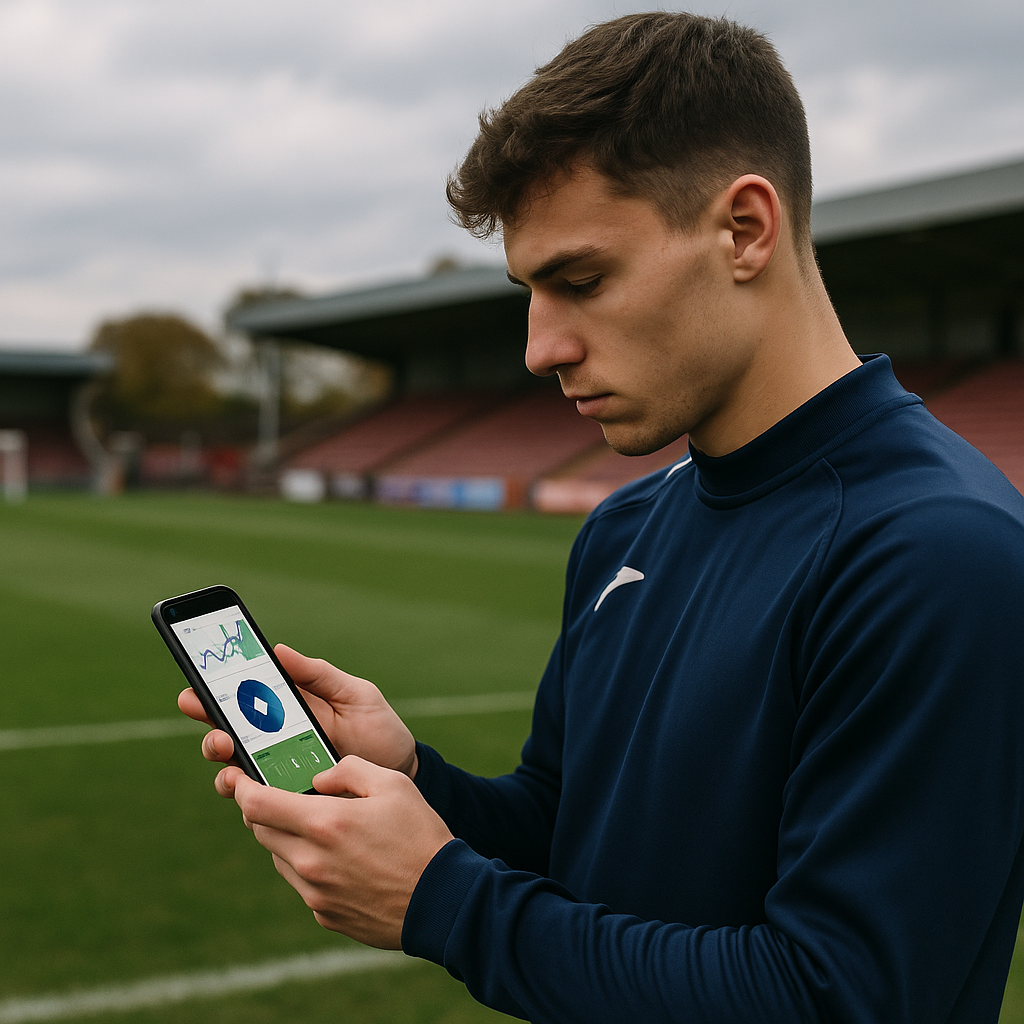
    Football analysts reviewing sports data analytics performance dashboards in a modern stadium operations room
    Football analysts reviewing sports data analytics performance dashboards in a modern stadium operations room

    What Sports Data Analytics Performance Actually Means in Practice

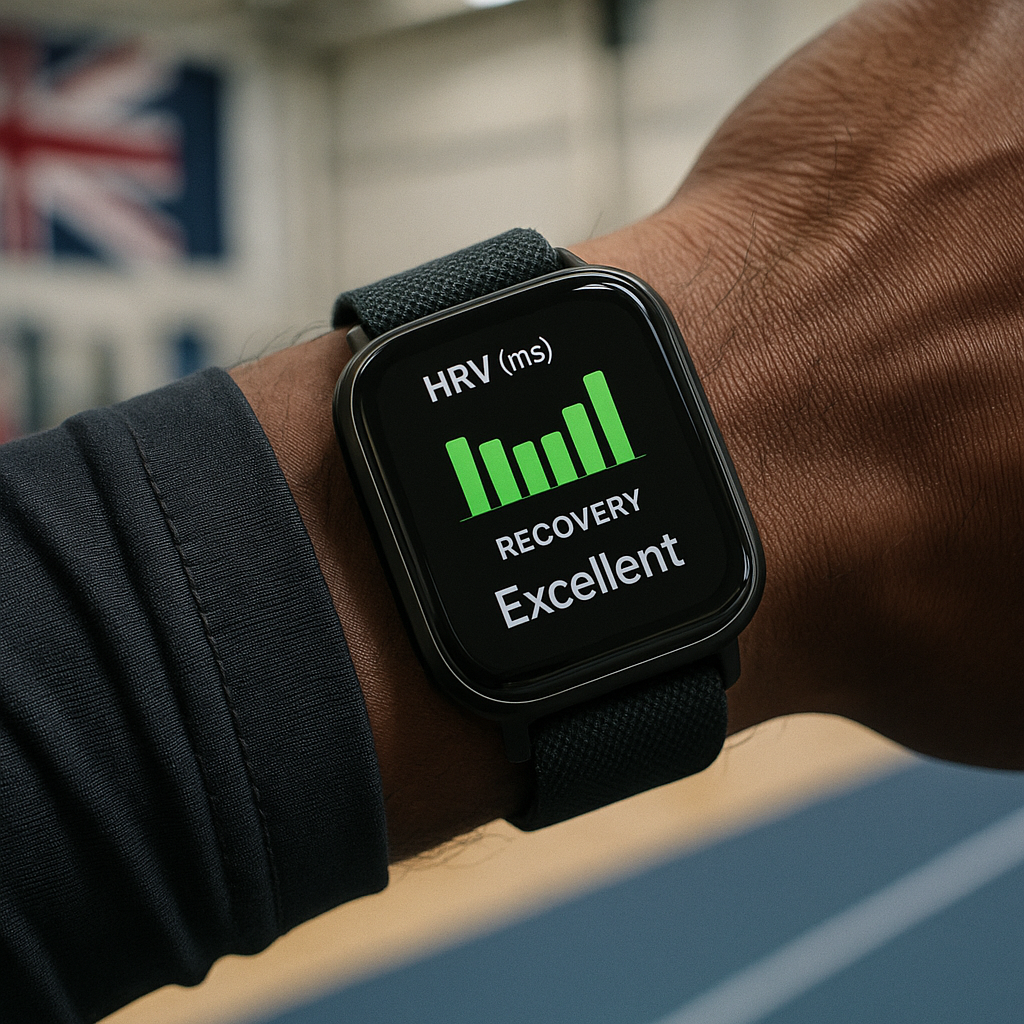
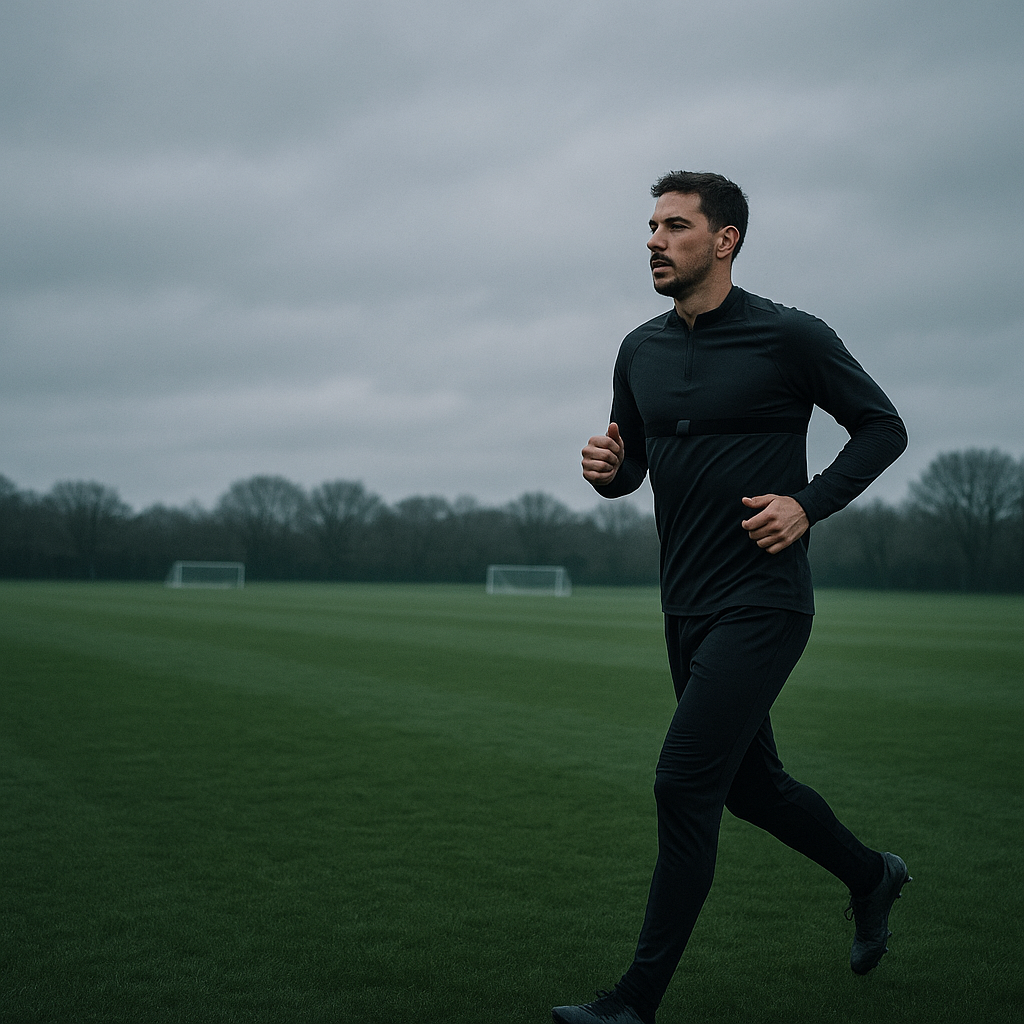
    Strip it back and the concept is simple. Collect data, analyse it, act on the insights. But the execution is anything but simple. In football, GPS trackers worn in training vests log every sprint, change of direction, and deceleration. Computer vision systems track player positions 25 times per second during matches. Heart rate variability data feeds into recovery models overnight. By the time a manager sits down for a morning briefing, the analytics team may have already flagged two players showing pre-injury warning signs.

    StatsBomb, a UK-founded data company, has become one of the most influential forces in football analytics globally. Their open data and event tracking models are used by clubs and national federations to evaluate everything from pressing intensity to set-piece efficiency. The England men’s and women’s programmes have both worked with sophisticated data frameworks in recent years, and the results on the pitch have reflected more structured, evidence-based decision-making.

    Recruitment: Buying Smarter, Not Just Bigger

    Recruitment is where sports data analytics performance tools arguably make the biggest financial impact. Premier League clubs spend extraordinary sums on transfers. Mistakes are costly. A platform like Wyscout or SciSports can screen thousands of players across dozens of leagues simultaneously, filtering by specific technical attributes that a traditional scouting network simply cannot match at scale.

    Brentford FC became something of a poster club for analytics-driven recruitment in the early 2020s. Their use of data to identify undervalued players in lesser-known leagues, sell them at a profit, and replace them efficiently became widely studied. That model influenced how smaller clubs thought about building squads without mega-budgets. It also rattled a few bigger clubs who realised data could level the playing field, at least partially.

    In basketball, teams playing in the British Basketball League have increasingly adopted metrics borrowed from the NBA analytics revolution. Player efficiency ratings, true shooting percentages, and defensive rating models are filtering down to domestic competition, helping coaches make rotation decisions that used to rely purely on feel.

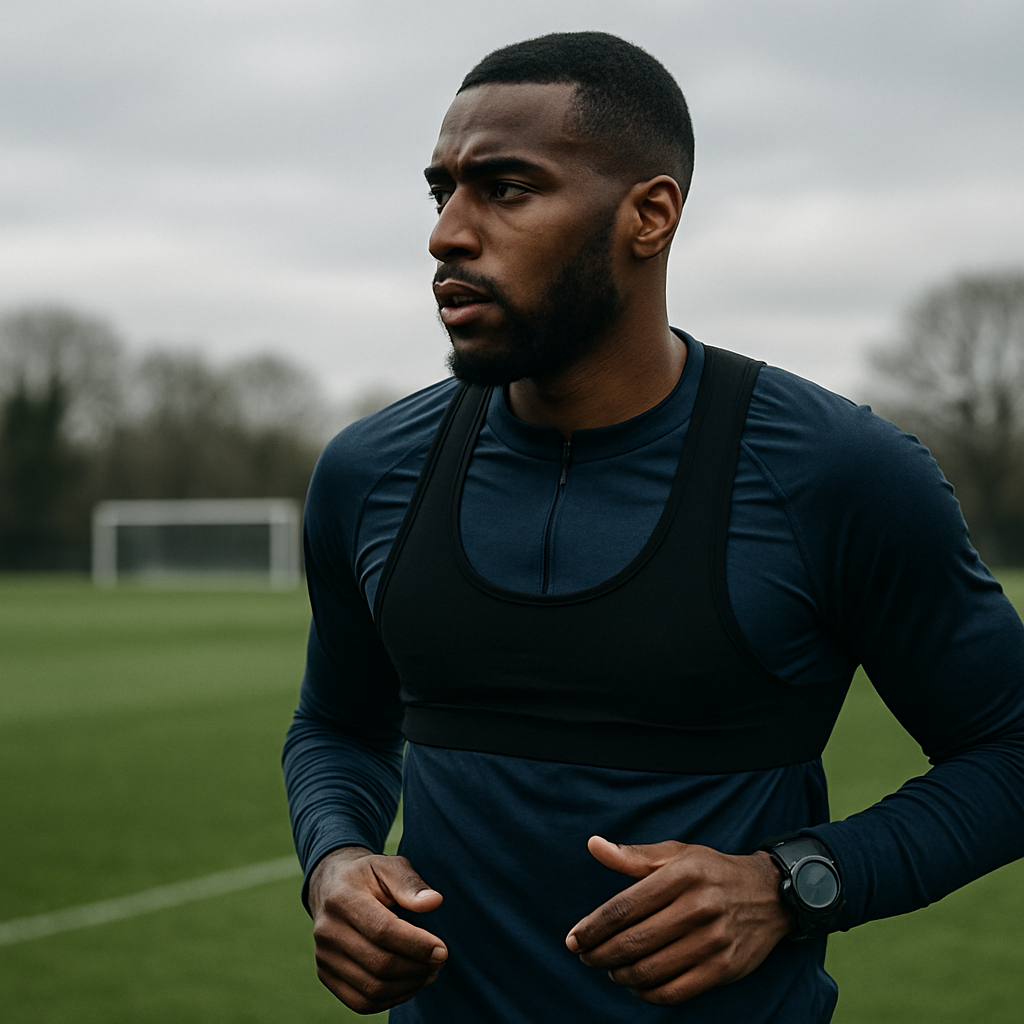
    Professional footballer wearing GPS vest used for sports data analytics performance tracking during training
    Professional footballer wearing GPS vest used for sports data analytics performance tracking during training

    Injury Prevention: The Biggest Win of All

    Ask any performance director at a top club and they will tell you the same thing: keeping players fit is worth more than any tactic. A key midfielder missing ten matches due to a hamstring strain can cost a club its league position. That is why injury prevention has become one of the most active areas of sports data analytics performance research.

    Platforms such as Kitman Labs and Catapult Sports integrate training load data, sleep quality metrics, and historical injury records to generate daily readiness scores for each athlete. If a player’s acute-to-chronic workload ratio spikes above a certain threshold, the system flags it. The coaching staff can then adjust training intensity before a problem becomes a tear or a rupture.

    According to research covered by the BBC Sport team, several elite clubs have reported meaningful reductions in soft-tissue injuries since implementing structured load monitoring programmes. The savings in both squad availability and medical costs run into millions across a season.

    In athletics, British Athletics has leaned heavily into biomechanical analysis. High-speed cameras capture stride patterns at 500 frames per second. Force plate data from the training track feeds into models that flag asymmetries likely to cause issues over a long competitive season. Athletes like sprinters and middle-distance runners can have their gait corrected based on hard data rather than a coach’s naked eye.

    Tactical Analysis: Watching the Game Differently

    Every top-flight manager now has an analyst department. The conversation has shifted from whether to use data to how much weight to give it alongside lived experience. Tactical analysis software such as Hudl and Sportscode allows analysts to tag and clip specific match events, building opponent profiles with granular detail.

    Expected goals, or xG, became the metric that broke into mainstream football conversation. Now coaches are working with expected threat, PPDA (passes allowed per defensive action), and pressing success rates as standard vocabulary. The analysts translate these into patterns the coaching staff can actually use on the training pitch.

    What is particularly interesting is the shift toward real-time analytics. Some clubs are beginning to use live dashboards during matches, feeding insights to coaching staff on the touchline via tablet. Substitution timing, pressing triggers, and set-piece adjustments can now be informed by data as the game unfolds rather than purely by intuition.

    The Human Element Still Matters

    None of this means the human side of sport is disappearing. Data does not measure desire, leadership under pressure, or how a player performs in a dressing room. The best clubs treat analytics as a powerful tool within a broader decision-making framework, not as a replacement for experienced football or sporting minds.

    The tension between data evangelists and traditionalists is real, and it plays out in every sport. But the trajectory is clear. Sports data analytics performance capabilities will only deepen as machine learning models get more sophisticated and wearable technology becomes less invasive and more accurate.

    For fans, this shift is fascinating. The sport you watch on a Saturday afternoon is increasingly shaped by decisions made in analytics rooms during the week. Every pass, press, and set piece may well have a data fingerprint on it. That is not a cold thing. It is actually a remarkable extension of how much elite sport cares about doing things right.

    Frequently Asked Questions

    What is sports data analytics performance and how is it used in football?

    Sports data analytics performance refers to the collection and analysis of large volumes of athletic data to improve decision-making in areas like recruitment, tactics, and injury prevention. In football, GPS tracking, event data, and computer vision systems all feed into platforms that help clubs evaluate players and plan match strategies.

    Which UK football clubs are known for using data analytics effectively?

    Brentford FC became widely recognised for their analytics-driven recruitment approach, using data to identify undervalued players across European leagues. Several Premier League clubs, including Liverpool and Manchester City, also have large in-house analytics departments that influence both transfers and tactical preparation.

    How does data analytics help prevent sports injuries?

    Platforms like Catapult Sports and Kitman Labs monitor training loads, recovery metrics, and biomechanical patterns to generate daily readiness scores for athletes. If a player’s workload spikes to a high-risk level, coaches are alerted so they can reduce training intensity and lower the chance of a soft-tissue injury.

    Is sports analytics only for elite professional clubs or can smaller teams benefit?

    While the most sophisticated platforms are used at the elite level, affordable analytics tools are increasingly accessible to lower-league and amateur clubs. Apps and subscription platforms now offer basic GPS tracking and performance dashboards suitable for semi-professional and even grassroots environments.

    What is expected goals (xG) and why do football analysts use it?

    Expected goals is a statistical measure that rates the quality of a shot based on factors like distance from goal, angle, and the type of assist that created it. It gives analysts and coaches a clearer picture of whether a team is genuinely creating high-quality chances or simply getting fortunate with lower-probability efforts.

  • Cold Water Therapy vs Heat Recovery: Which Is Better for Athletes in 2026?

    Cold Water Therapy vs Heat Recovery: Which Is Better for Athletes in 2026?

    Recovery is no longer the boring bit you do after training. In 2026, it is a discipline in its own right, and the debate around cold water therapy vs heat recovery has never been more heated (pun absolutely intended). From Premier League physio rooms to weekend warriors plunging into icy Scottish lochs, athletes across the UK are taking their post-session routines seriously. But which method actually works better, and for whom?

    The short answer is: it depends on what you are training for. The longer answer is what this article is about.

    Athlete entering cold water therapy ice bath in a professional UK sports recovery facility
    Athlete entering cold water therapy ice bath in a professional UK sports recovery facility

    What Is Cold Water Therapy and How Does It Work?

    Cold water immersion (CWI), also known as ice baths or cold water therapy, involves submerging the body in water typically between 10°C and 15°C for anywhere from 5 to 15 minutes. The science behind it centres on vasoconstriction: cold temperatures cause blood vessels to narrow, which reduces inflammation and metabolic waste in muscle tissue. When you get out, blood rushes back in, flushing those tissues with fresh oxygen.

    Research published in journals such as the British Journal of Sports Medicine has consistently shown CWI reduces perceived muscle soreness (DOMS) by up to 20% compared to passive rest. Elite clubs including Manchester City and Bath Rugby have cold water facilities built into their training complexes as standard kit. For endurance athletes, cyclists, and football players who need to back up hard sessions on consecutive days, that reduction in soreness has a very real performance impact.

    The downsides are worth acknowledging, though. For strength and hypertrophy athletes, several studies from 2022 to 2025 suggest that regular cold immersion after resistance training can actually blunt muscle protein synthesis. If you are chasing mass, that icy plunge might be working against you.

    The Case for Heat-Based Recovery Methods

    Heat recovery encompasses saunas (both traditional Finnish and infrared), hot baths, steam rooms, and heated compression therapy. Where cold constricts, heat dilates. Elevated temperatures increase blood flow, relax connective tissue, promote sweating, and trigger a cardiovascular response that some researchers compare to light aerobic exercise.

    Finnish sauna culture has gone mainstream in UK sport over the last few years. Facilities at venues like the Manchester Aquatics Centre and various private performance gyms now include infrared sauna pods as standard recovery tools. The physiological benefits extend beyond muscles; regular sauna use has been linked to improved cardiovascular health, better sleep quality, and even reduced cortisol levels in high-stress athletes.

    Heat recovery suits certain athlete profiles particularly well. For powerlifters, rugby forwards, and bodybuilders where muscle building is the goal, heat does not carry the same risk of blunting protein synthesis. For older athletes dealing with stiff joints and connective tissue tightness, the loosening effect of heat can be transformative.

    Cold water therapy pool temperature gauge in a sports gym recovery room
    Cold water therapy pool temperature gauge in a sports gym recovery room

    What Does the Latest Sports Science Say in 2026?

    The most compelling recent research points towards contrast therapy as the most effective all-round recovery protocol. Alternating between cold and heat, typically 1-minute cold followed by 3-4 minutes heat, repeated three to five times, has shown superior outcomes in multiple metrics including reduced DOMS, faster heart rate variability (HRV) recovery, and improved sleep onset.

    A 2025 meta-analysis from researchers at Loughborough University examined 38 studies covering over 800 athletes and concluded that contrast water therapy outperformed either modality alone for multi-day tournament recovery scenarios. That means team sport athletes, tennis players at long tournaments, cyclists at stage races, all benefit most from combining both approaches rather than picking sides.

    The timing matters enormously, too. Cold water therapy appears most effective when applied within 30 minutes of high-intensity effort. Heat recovery works better as a pre-sleep protocol, particularly in the infrared sauna format, where core temperature elevation followed by the natural drop during sleep creates ideal conditions for deep recovery. These are not competing tools; increasingly, they are being used sequentially by smart athletes.

    Practical Guide: Which Recovery Method Suits Your Training?

    Here is a practical breakdown to help you match recovery tools to training goals:

    • Endurance runners, cyclists, triathletes: Cold water therapy post-session, particularly after long or interval-heavy efforts. Contrast therapy is excellent for stage or multi-day events.
    • Strength and hypertrophy training: Avoid ice baths within 4-6 hours of resistance sessions. Use heat recovery (sauna, hot bath) as your primary tool, ideally in the evening.
    • Team sport athletes (football, rugby, hockey): Contrast therapy is your best friend when backs-to-back fixtures are on the calendar. Full cold immersion is a solid second choice.
    • Recreational gym-goers: Hot bath or sauna two to three times per week covers most bases, reduces injury risk, and supports sleep quality without any specialist equipment needed.
    • Older or injury-prone athletes: Heat first. It loosens tissue, reduces joint stiffness, and aids mobility. Cold can still play a role post-acute injury, but it should not be your default.

    Accessibility matters, too. A cold shower taken down to a genuine 12-15°C costs nothing. Infrared sauna sessions at UK gyms typically run between £15 and £35 per session, though many fitness clubs now include them as part of premium memberships. The NHS active living guidance consistently reminds us that recovery is a genuine component of any sustainable fitness routine, not an optional luxury.

    The Mental Side of Cold Water Therapy vs Heat Recovery

    Beyond the physical, both methods have compelling mental health dimensions that often get overlooked. Cold water immersion triggers a rapid release of norepinephrine and dopamine, with research from 2024 suggesting these neurochemical effects can last up to four hours post-immersion. Outdoor cold water swimming in UK rivers, lakes, and coastal spots has built an enormous community around this mental boost. Organisations like Outdoor Swimming Society report record membership figures through 2025 and into 2026.

    Sauna use, meanwhile, promotes endorphin release and has demonstrable links to reduced anxiety scores in studied populations. For athletes managing the psychological load of competitive seasons, that cannot be ignored.

    Whichever method you lean towards, tracking your recovery data consistently gives you the best feedback loop. HRV apps, sleep trackers, and perceived exertion journals are all useful here. And if you are the sort of athlete who takes their performance data seriously, you might find a free SEO checker a useful analogy: just as you audit a website to find what is underperforming, auditing your recovery routine reveals the gaps that are holding your progress back.

    Cold or Hot: The Honest Verdict

    Neither cold water therapy nor heat recovery is universally superior. The evidence in 2026 points clearly towards a contextual approach: use cold to manage inflammation and accelerate next-day readiness after high-intensity efforts, and use heat to support muscle building, joint mobility, and sleep quality. Combine them intelligently and you get the best of both worlds.

    The athletes winning in 2026 are not the ones picking a side in this debate. They are the ones stacking both tools strategically, informed by how their body responds and what their training week demands. That is the real competitive edge.

    Frequently Asked Questions

    How long should you stay in a cold water ice bath for recovery?

    Most sports science research recommends 10 to 15 minutes in water between 10°C and 15°C for optimal recovery benefits. Shorter sessions of 5-7 minutes can still reduce perceived soreness if a full immersion is not possible or practical.

    Can you do cold water therapy and sauna on the same day?

    Yes, and this is known as contrast therapy. Alternating between cold immersion and heat in cycles of roughly 1 minute cold to 3-4 minutes heat is supported by research as one of the most effective recovery protocols, particularly for team sport athletes with back-to-back fixture schedules.

    Does cold water therapy reduce muscle growth?

    Evidence from multiple studies suggests that regular cold water immersion applied within a few hours of resistance training can blunt muscle protein synthesis and reduce hypertrophy gains over time. If building muscle is your primary goal, heat recovery or simply passive rest is a better choice after strength sessions.

    What temperature should an ice bath or cold plunge be for athletes?

    The recommended range for effective cold water therapy is between 10°C and 15°C. Water below 10°C carries a higher risk of cold shock and is not shown to produce significantly better recovery outcomes. Water above 15°C reduces the physiological vasoconstriction response.

    Is infrared sauna better than a traditional sauna for recovery?

    Both offer meaningful recovery benefits, but infrared saunas operate at lower temperatures (around 45-60°C versus 80-100°C for traditional Finnish saunas), making them more accessible and comfortable for longer sessions. Some athletes find infrared saunas easier to tolerate regularly, which may improve long-term consistency of use.

  • The Best Running Destinations in Europe: Where to Train and Explore in 2026

    The Best Running Destinations in Europe: Where to Train and Explore in 2026

    Whether you’re chasing a personal best, ticking off a bucket-list marathon, or simply want to swap your usual park loop for something spectacular, Europe delivers on every level. The best running destinations Europe 2026 has lined up are genuinely extraordinary, mixing world-class race events with routes that double as sightseeing tours. If you’re a UK runner looking to book a training trip this year, here’s where to point your trainers.

    Runners on a Barcelona seafront promenade, one of the best running destinations Europe 2026 has to offer
    Runners on a Barcelona seafront promenade, one of the best running destinations Europe 2026 has to offer

    Why More Runners Are Booking Race-cation Travel

    The concept of combining a race with a holiday has exploded in recent years. UK runners in particular have embraced it. Book a flight, register for a half marathon, spend a long weekend exploring a new city, and come home with a medal and a tan. It’s efficient, it’s motivating, and frankly it’s a much better story than your local parkrun. According to the BBC Sport athletics section, participation in international road races among British runners has risen sharply since 2022, with European cities seeing some of the highest sign-up rates from UK entrants.

    The destinations below aren’t just pretty backdrops. Each one offers a genuine combination of organised race events, quality training terrain, and the kind of active tourism infrastructure that makes the whole trip feel effortless.

    Barcelona: Seafront Sprints and City Energy

    Barcelona is arguably the ultimate running city in southern Europe. The seafront promenade stretching from Barceloneta beach past Port Olímpic gives you a flat, well-surfaced path that’s runnable at almost any time of day. Head inland and you’ve got Montjuïc hill, a brutally good elevation workout with panoramic views at the top. The city hosts the Zurich Marató de Barcelona every March, one of the fastest certified marathon courses on the continent, and it regularly attracts elite times thanks to its flat route and reliable cool-season temperatures sitting around 12 to 15°C in the morning.

    For training weeks, the Sant Pau neighbourhood and Gràcia district offer quieter streets with less tourist traffic, while the wider Collserola Natural Park just outside the city is perfect for trail work.

    Lisbon: Hills That Will Change Your Legs

    Nobody said the best running destinations Europe 2026 offers would all be flat. Lisbon is relentlessly hilly and that’s precisely why serious runners love it. The seven hills aren’t just a tourist cliché; they’re a genuine strength and endurance builder. The Parque Eduardo VII at the top of Avenida da Liberdade is a solid base for interval sessions, and the riverside Ribeira waterfront gives you a calmer stretch for easy recovery miles.

    The Rock ‘n’ Roll Lisboa Marathon takes place in late spring and draws tens of thousands of participants. Temperatures hover comfortably around 18 to 20°C for race day, making it one of the more runner-friendly major events in the European calendar. The city also has a brilliant café culture, which means post-run recovery is taken very seriously indeed.

    Trail runner on an alpine path near Chamonix, among the best running destinations Europe 2026 for off-road athletes
    Trail runner on an alpine path near Chamonix, among the best running destinations Europe 2026 for off-road athletes

    Amsterdam: Flat, Fast, and Incredibly Well-Organised

    Dutch running culture is no joke. Amsterdam is obsessively well-organised for sport, and its canal-side paths, Vondelpark loops, and river routes along the Amstel make it a genuinely pleasant city to train in. The terrain is almost entirely flat, which suits runners targeting time goals or those recovering from injury who need low-impact mileage.

    The TCS Amsterdam Marathon, held each October, is consistently rated one of the top city marathons in Europe for course quality and crowd support. It’s also hugely popular with British runners given the short flight times from most UK airports and the city’s excellent public transport for getting around between sessions. A word of warning though: watch for the cycling lanes. Amsterdam’s cyclists are fast, numerous, and entirely unapologetic.

    Chamonix: The Trail Runner’s Paradise

    If road running isn’t your thing and you’re looking for something with a bit more altitude and drama, Chamonix in the French Alps is in a league of its own. This is the home of the Ultra-Trail du Mont-Blanc, the UTMB, which is the Wimbledon of trail running. Even if you’re not entering the main race, the town sits at the foot of Mont Blanc and the surrounding trails range from accessible forest paths to demanding alpine routes with serious elevation gain.

    Summer is the prime window, with routes opening up from late May through September. The town itself is small, welcoming, and built around outdoor sport, so finding running groups, gear shops, and coaches is straightforward. If you want to understand why some runners describe trail running as a life-changing experience, Chamonix is where you find out.

    Vienna: Culture, History, and Serious Mileage

    Vienna doesn’t always top the lists, but it absolutely should. The Prater park, home to the Ringstraße running circuit and the famous Hauptallee, is a 4.5-kilometre dead-straight avenue that’s ideal for tempo runs and long easy efforts. The city is compact enough to use running as genuine transport between landmarks, and the Vienna City Marathon in April draws over 40,000 participants across its various distances.

    What sets Vienna apart is the infrastructure around sport. The city invests heavily in public parks, outdoor fitness areas, and pedestrian routes. You won’t find yourself battling traffic or uneven pavements. It’s also remarkably affordable compared to other major European capitals, which matters when you’re booking accommodation for a week-long training block.

    Planning Your Running Trip: What to Know Before You Go

    A few practical points worth considering before you book. First, check race entry deadlines early. Major events like the Amsterdam Marathon and Barcelona Marathon sell out months in advance, and many have ballot systems similar to the London Marathon. Second, factor in travel fatigue. Flying on the morning of a hard session isn’t smart; give yourself at least 24 hours to settle before any quality work. Third, pack for the climate, not just the race. Running kit for a Mediterranean city in June is very different to what you need for an Alpine trail in May.

    UK runners are also well served by direct flights from major airports including Heathrow, Gatwick, Manchester, and Bristol to most of these destinations, with return fares to Lisbon or Amsterdam often available well under £150 if you book a couple of months out.

    The best running destinations Europe 2026 genuinely have something for every type of runner. Road runners, trail enthusiasts, casual joggers, and ultramarathon obsessives alike can find their version of a perfect training trip somewhere on this continent. The hardest part is picking just one place to start.

    Frequently Asked Questions

    What are the best European cities for runners in 2026?

    Barcelona, Lisbon, Amsterdam, Vienna, and Chamonix all rank highly for different reasons. Barcelona and Amsterdam suit road runners after flat, fast courses, while Lisbon and Chamonix are ideal for those who want elevation and a challenge.

    Which European city marathon is easiest to get into from the UK?

    The Vienna City Marathon and Rock ‘n’ Roll Lisboa Marathon tend to have more accessible entry processes than the big balloted races. Both are reachable on direct flights from several UK airports, making logistics straightforward.

    What is a race-cation and how do I plan one?

    A race-cation combines a race event with a holiday, typically spending several days in a destination before or after competing. Plan by registering for your chosen race first, then booking flights and accommodation around the event date, allowing recovery time after the race.

    Is trail running in Chamonix suitable for beginners?

    Chamonix has trails suitable for various ability levels, but the more famous alpine routes require solid fitness and experience with ascents. Beginners should stick to the lower valley trails and forest paths before attempting anything with significant elevation gain.

    When is the best time of year to run in Lisbon?

    Autumn and spring are ideal, with temperatures between 15 and 20°C and manageable humidity. Summer can push above 35°C, making training conditions difficult, so April through June or September through November are the sweet spots for a Lisbon running trip.

  • Zone 2 Training Explained: Why Every Athlete Should Be Doing It

    Zone 2 Training Explained: Why Every Athlete Should Be Doing It

    Zone 2 training has quietly become one of the most talked-about concepts in elite sport and everyday fitness alike. Once reserved for professional cyclists and marathon runners, this low-intensity, high-reward training method is now shaping weekly programmes from Premier League recovery sessions to weekend warrior schedules. If you have not yet looked seriously at how it fits into your routine, this is the moment to do it.

    The principle is deceptively simple. Zone 2 refers to a specific heart rate band, typically 60 to 70 percent of your maximum heart rate, where your body primarily burns fat for fuel and your aerobic base develops at its most efficient rate. It feels easy. In fact, many athletes feel guilty doing it because the effort seems almost too comfortable. That discomfort with comfort is precisely the point.

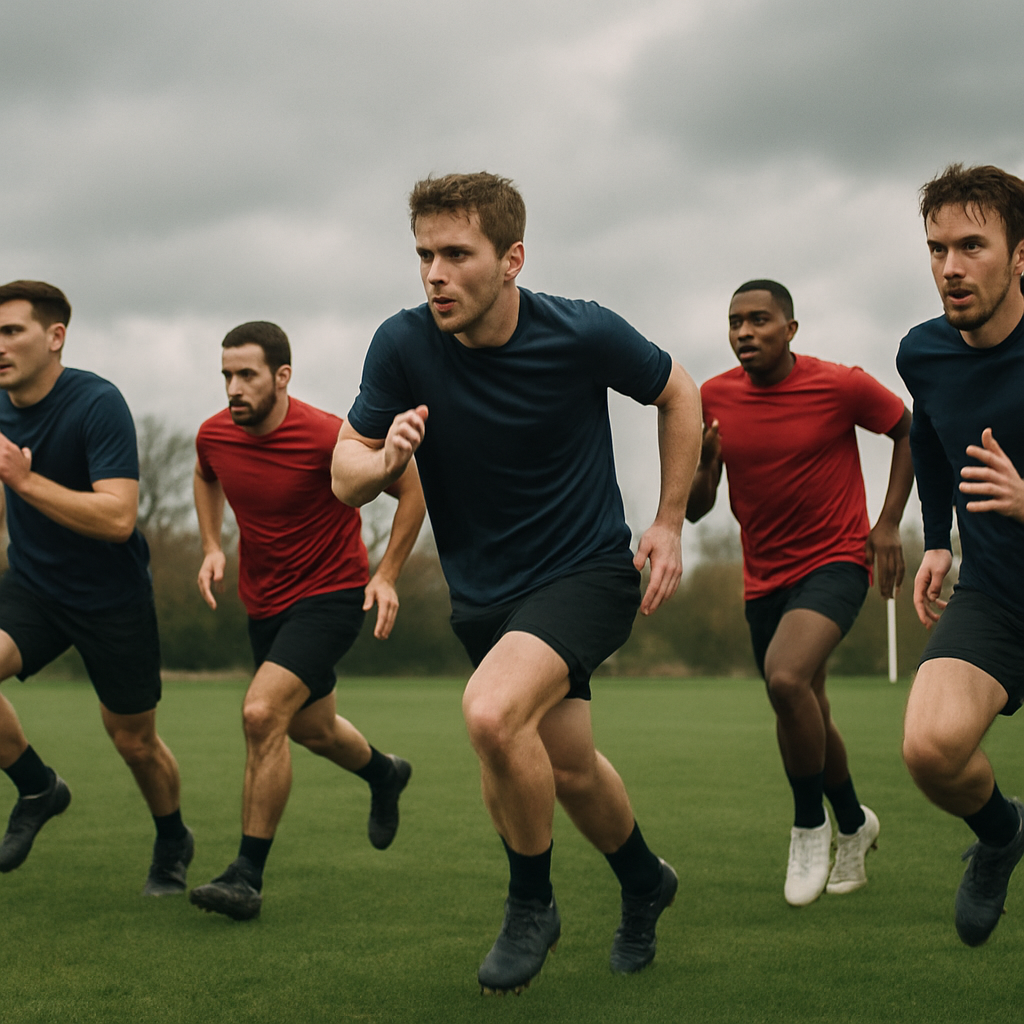
    Athlete performing Zone 2 training on a coastal running path at golden hour
    Athlete performing Zone 2 training on a coastal running path at golden hour

    What Is Zone 2 Training and How Does It Work?

    Your cardiovascular system operates across five training zones, each defined by heart rate intensity and the energy systems they engage. Zone 2 sits below the first lactate threshold, meaning your body clears lactate as fast as it produces it. At this intensity, mitochondria, the energy-producing engines inside your muscle cells, are working hard but not being overwhelmed. Over time, consistent Zone 2 work increases the density and efficiency of those mitochondria, which translates directly into better endurance, faster recovery and improved fat oxidation.

    Physiologist and longevity researcher Dr Peter Attia has been instrumental in bringing Zone 2 training to mainstream audiences, citing it as a foundation for cardiovascular health and athletic performance at every level. Elite coaches working with Tour de France cyclists and Olympic distance runners have long structured 70 to 80 percent of total training volume in this zone, saving higher-intensity work for targeted sessions that build on the aerobic base below.

    Why Zone 2 Training Has Become a Cornerstone of Elite Endurance Programmes

    The polarised training model, which combines large volumes of Zone 2 with small amounts of very high-intensity work, has produced some of the most impressive endurance performances in modern sport. Norwegian athletes in triathlon and cross-country skiing have dominated their respective disciplines using this approach for years. Kristian Blummenfelt and Gustav Iden, gold medallists at consecutive Olympic and World Triathlon Championship events, train enormous weekly volumes with the vast majority sitting firmly in Zone 2.

    The reason this works comes down to adaptation without accumulation of fatigue. High-intensity sessions create significant physiological stress. Done too frequently, they lead to burnout, injury and stalled progress. Zone 2 builds the same aerobic machinery at a fraction of the recovery cost, meaning athletes can train more often, for longer, and arrive at key events fresher. It also improves cardiac output and stroke volume, essentially allowing the heart to pump more blood per beat, which underpins performance in virtually every sport.

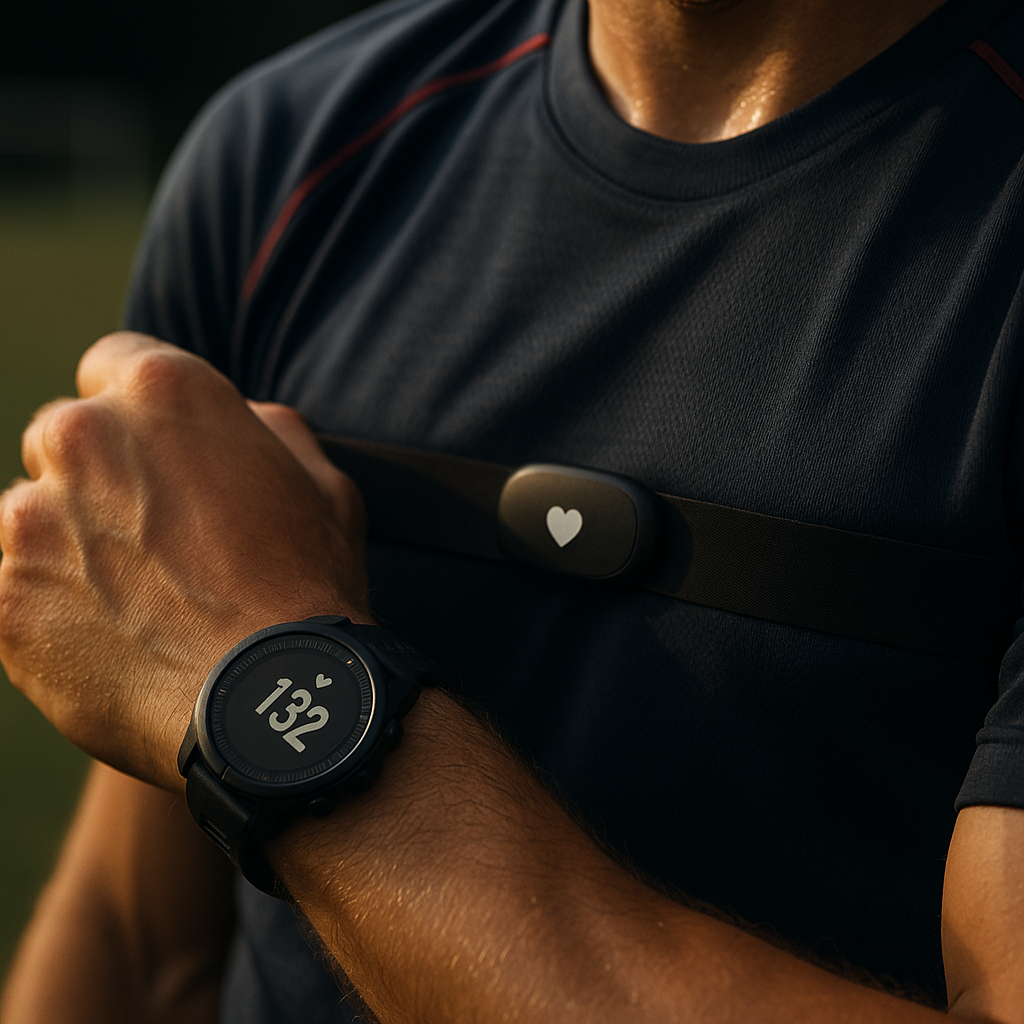
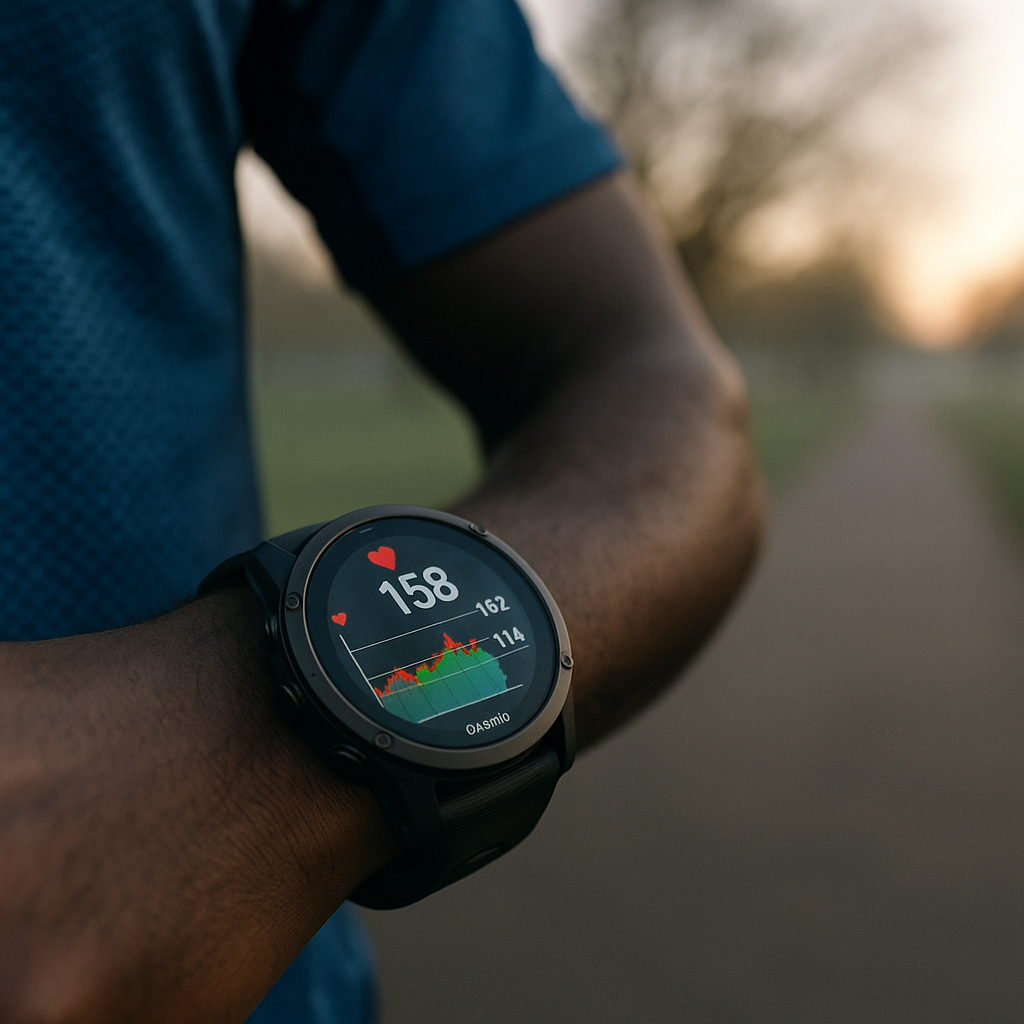
    Close-up of heart rate monitor used during Zone 2 training on a cycling session
    Close-up of heart rate monitor used during Zone 2 training on a cycling session

    How to Find Your Zone 2 Heart Rate

    The most accurate way to identify Zone 2 is through a lactate test in a sports science lab, where blood samples taken at increasing intensities pinpoint your lactate threshold precisely. This is increasingly accessible through university sports centres and performance clinics across the UK. However, a practical field method works well for most athletes. Use the talk test: you should be able to hold a full conversation without gasping. If you are struggling to string sentences together, you have drifted into Zone 3. Wearable technology from brands like Garmin, Polar and Whoop now offers real-time zone guidance based on heart rate variability and resting data, making it easier than ever to stay in the right range during a session.

    A simple formula puts Zone 2 between roughly 130 and 150 beats per minute for a reasonably fit adult, though this varies considerably with age, fitness level and genetics. Consistency matters more than precision at the start. The key is accumulating time in that aerobic comfort zone across the week.

    Incorporating Zone 2 Training Into Your Weekly Schedule

    For recreational athletes, three to four Zone 2 sessions per week, each lasting 45 to 90 minutes, will produce measurable aerobic improvements within six to eight weeks. Running, cycling, rowing, swimming and even brisk hiking all qualify. The activity matters less than maintaining the correct intensity. Many athletes find Zone 2 sessions ideal for double-duty days, pairing them with podcast listening, planning or simply decompressing after a stressful week at work.

    The structure that works best for most people is two or three Zone 2 sessions bookending one or two higher-intensity efforts. For example, a Monday and Wednesday easy run, a Thursday interval session, and a long Saturday cycle at Zone 2 pace covers most of the physiological bases without overloading the system. If you train for organised events, whether a local parkrun, a sportive or a triathlon, Zone 2 blocks provide the engine that makes your race-pace efforts sustainable. Picking up local event tickets for a target race is a great way to give those long, slow sessions a sense of purpose and urgency.

    Common Mistakes Athletes Make With Zone 2 Work

    The biggest error is going too hard. Most recreational athletes who think they are training in Zone 2 are actually in Zone 3, a moderate-intensity grey zone that is too hard for pure aerobic adaptation and too easy for meaningful high-end development. This is sometimes called the “moderate intensity trap” and it is surprisingly common. Slowing down feels counterintuitive but is genuinely necessary.

    Skipping it in favour of more exciting sessions is the second mistake. Zone 2 training lacks the adrenaline of intervals or heavy lifting, but skipping it consistently leaves a critical foundation unbuilt. Think of it as infrastructure. Nobody applauds the groundwork, but without it nothing else stands up properly.

    Zone 2 training is not a trend. The science behind it is decades old and the results across elite and amateur sport speak clearly. Build your aerobic base with patience and consistency, and every other aspect of your fitness, from race times to recovery speed to general energy levels, will improve as a result.

    Frequently Asked Questions

    What heart rate should I be at for Zone 2 training?

    Zone 2 typically sits between 60 and 70 percent of your maximum heart rate. For most adults, this falls roughly between 130 and 150 beats per minute, though the range shifts with age and fitness level. The talk test is a reliable field method: you should be able to hold a comfortable conversation without gasping for breath.

    How long should a Zone 2 training session be?

    Most coaches and physiologists recommend Zone 2 sessions of between 45 and 90 minutes for recreational athletes to drive meaningful aerobic adaptation. Professionals often extend these to two or three hours, particularly for cycling or running. Starting with 45-minute sessions three times a week is a sensible entry point if you are new to this style of training.

    Can Zone 2 training help with weight loss?

    Yes, Zone 2 training is one of the most effective tools for improving fat oxidation, which is the body’s ability to burn fat as its primary fuel source. Because the intensity sits below the lactate threshold, fat metabolism is prioritised over carbohydrates. Combined with a sensible nutrition approach, regular Zone 2 work can meaningfully support body composition goals over time.

    Is Zone 2 training suitable for beginners?

    Zone 2 training is arguably the best starting point for beginners because the low intensity reduces injury risk while still developing the cardiovascular system effectively. New exercisers often find that even a brisk walk keeps their heart rate within Zone 2, making it highly accessible without specialist equipment or significant fitness background.

    How quickly will I see results from Zone 2 training?

    Most athletes notice improvements in resting heart rate, recovery speed and endurance capacity within six to eight weeks of consistent Zone 2 work. Measurable changes in mitochondrial density and fat oxidation efficiency take longer, typically three to six months of regular training. Patience is essential, but the adaptations produced are durable and substantial compared to sporadic high-intensity efforts.

  • How Smart Stadium Technology Is Transforming the Fan Experience

    How Smart Stadium Technology Is Transforming the Fan Experience

    Walking into a modern sports venue today feels nothing like it did a decade ago. Smart stadium technology has fundamentally changed what it means to attend a live event – whether you’re watching Premier League football, a Six Nations rugby clash or an athletics world final. These aren’t just buildings anymore; they’re connected, data-driven environments designed to make every second of your visit sharper, safer and more enjoyable.

    What Is Smart Stadium Technology and Why Does It Matter?

    At its core, smart stadium technology refers to the integration of digital systems, sensors and connectivity into the physical fabric of a venue. The goal is to improve the experience for fans, streamline operations for staff, boost revenue for clubs and reduce the environmental footprint of hosting tens of thousands of people under one roof. It’s a broad category – covering everything from the moment you buy your ticket online to the moment you leave the car park after the final whistle.

    For clubs and stadium operators, the financial case is strong. A fan who isn’t queuing for a beer is a fan who’s watching the game, spending more money and more likely to return. That simple logic has driven enormous investment in venue infrastructure across Europe and beyond.

    Digital Ticketing and Seamless Entry

    Paper tickets are largely a thing of the past at top-tier venues. Mobile ticketing apps now handle not just entry but also seat upgrades, resale and accessibility requests. Facial recognition entry gates – already in use at several major venues across Asia and trialled in Europe – allow fans to walk straight through turnstiles without even reaching for their phone. The speed gains are dramatic: what once took 90 seconds per person can drop to under three seconds.

    Wembley Stadium has invested heavily in biometric and NFC-based entry systems, significantly cutting peak ingress times. Faster entry means less stress, better atmosphere and fewer safety flashpoints around gates before kick-off.

    Cashless Payments and In-Seat Ordering

    The shift to fully cashless operations has been one of the most visible changes in modern venues. Contactless payments across every food, drink and merchandise point reduce queue lengths, lower cash-handling risks and provide clubs with real-time sales data. At venues like the Tottenham Hotspur Stadium, cashless infrastructure is built into every concession point, and the system can process thousands of transactions per minute without bottlenecks.

    In-seat ordering goes a step further. Through a dedicated app or stadium Wi-Fi portal, fans can order food and drinks directly to their seat – or to a collection point – without missing a moment of the action. For disabled supporters or families with young children, this is genuinely game-changing. It also creates upsell opportunities that traditional concession stands simply can’t replicate.

    5G Connectivity and Giant Screens

    Five-G connectivity is the backbone that makes much of the modern stadium experience possible. Dense crowds historically killed mobile data speeds, leaving fans unable to share clips, check stats or communicate. Purpose-built 5G networks distributed through small antenna cells across the bowl now give every fan fast, reliable connectivity throughout the event.

    This connects directly to the matchday entertainment package. Giant LED screens, once simply used for replays, are now integrated platforms delivering real-time statistics, multi-angle camera feeds, social media walls and interactive fan polls. The Allianz Arena in Munich and SoFi Stadium in Los Angeles represent the cutting edge here, with screens so detailed that individual blades of grass are visible from the upper tiers.

    Crowd-Flow Tracking and Safety Systems

    Behind the scenes, smart stadium technology does some of its most important work in crowd management. Sensor networks, CCTV with computer vision capabilities and anonymous movement tracking systems allow safety teams to monitor crowd density in real time. If a concourse is approaching dangerous congestion, automated alerts can redirect stewards or trigger digital signage to guide fans to alternative routes.

    This kind of data-driven safety management has become essential following lessons learned from crowd incidents at events worldwide. Venues can now model predicted crowd flow before gates even open, adjusting staffing and barrier positions based on ticket-scan data and historical patterns. The result is safer events with fewer incidents and more confident event licensing from local authorities.

    Eco-Friendly Stadium Design and Sustainability

    Sustainability has moved from a nice-to-have to a genuine priority for stadium operators and governing bodies alike. Smart energy management systems use real-time data to adjust lighting, heating, ventilation and refrigeration across the venue – reducing energy consumption during quieter periods without compromising comfort on matchday.

    Solar panels, rainwater harvesting and EV charging infrastructure are now standard features in new builds. Forest Green Rovers’ eco-stadium project in Stroud, designed with a timber structure and fully solar-powered pitch heating, represents a benchmark for what is achievable even at lower-budget levels. Larger venues are investing in carbon offsetting programmes backed by verifiable data from their own smart systems, giving clubs credible sustainability credentials rather than empty marketing claims.

    What Comes Next for Smart Venues?

    The next wave of innovation centres on personalisation. Using anonymised data gathered during visits, venues can begin to tailor the matchday experience – suggesting shorter entry gates based on your usual seat, remembering your food preferences, or notifying you of merchandise linked to your favourite player. Augmented reality features, already being piloted at some US sports venues, could eventually allow fans to point their phones at the pitch and see live stats overlaid on players in real time.

    Smart stadium technology is no longer futuristic – it’s the present standard for venues that want to compete for fans’ time and money in an era of superb broadcast alternatives. The stadiums that invest now are the ones that will still be packed to capacity in twenty years’ time.

    Fan using mobile ticketing at a smart stadium technology entry gate
    Sports fans enjoying in-seat ordering and connectivity features of smart stadium technology at a live event

    Smart stadium technology FAQs

    What does smart stadium technology actually include?

    Smart stadium technology covers a wide range of digital and connected systems built into modern sports venues. This includes mobile and biometric ticketing, cashless payment infrastructure, in-seat food ordering, 5G connectivity, giant LED screens, crowd-flow sensors, automated safety monitoring and eco-friendly energy management systems. Together, these systems improve the fan experience, increase revenue and make large events safer and more sustainable.

    How does 5G improve the experience at live sports events?

    5G connectivity solves one of the biggest frustrations at packed sporting events – the near-total loss of mobile data signal in dense crowds. Venues deploy small-cell 5G antenna networks throughout the stadium bowl, ensuring every fan has fast, reliable internet access. This allows fans to share video clips, check live statistics, use ordering apps and stream supplementary content without the buffering or drop-outs that plagued 4G-era matchdays.

    Are cashless stadiums better for fans or just for clubs?

    The benefits genuinely run in both directions. For fans, cashless systems dramatically reduce queue times at food and drink points, meaning more time watching the action and less time waiting. For clubs and venue operators, cashless infrastructure reduces cash-handling costs, minimises theft risk and provides real-time sales analytics. In-seat ordering, which builds on cashless systems, is particularly popular with families and disabled supporters who previously struggled to visit concession stands.

    How do stadiums use technology to manage crowd safety?

    Modern venues use a combination of CCTV with computer-vision analysis, anonymous movement-tracking sensors and real-time data dashboards to monitor crowd density and flow throughout an event. When a concourse or entry area begins to approach unsafe congestion levels, the system alerts safety teams and can trigger dynamic digital signage to redirect fans. Predictive modelling – using ticket-scan data and historical crowd patterns – also helps managers pre-position stewards before problems develop.

    Which UK stadiums are the most technologically advanced right now?

    Tottenham Hotspur Stadium is widely regarded as the most technologically advanced football ground in the UK, featuring fully cashless operations, a dedicated 5G network, in-seat ordering and extensive LED screen infrastructure. Wembley Stadium has invested significantly in biometric entry and digital fan services. Outside football, venues such as the O2 Arena and the newly expanded Co-op Live in Manchester are setting benchmarks for smart event infrastructure across multiple sports and entertainment formats.

  • How Football Clubs Are Using Data Analytics to Win Matches

    How Football Clubs Are Using Data Analytics to Win Matches

    Football has always been a game of instinct, but the most successful clubs in the Premier League and across Europe are increasingly letting numbers lead the way. Football data analytics has moved from a niche curiosity into a central pillar of how modern clubs scout players, set up formations, and decide when to make that game-changing substitution.

    What Tools Are Clubs Actually Using?

    The technology behind elite football decisions is more sophisticated than most fans realise. Clubs are using player tracking systems like Hawk-Eye and STATSports vests that capture positional data dozens of times per second. Platforms such as Wyscout and StatsBomb give analysts access to thousands of detailed match events – everything from pressing intensity to expected goals (xG) models that tell you how likely a shot was to go in based on its location, angle, and build-up play.

    GPS tracking during training sessions gives fitness coaches granular data on load management, helping clubs prevent injuries before they happen. At Manchester City, Liverpool, and Bayern Munich, entire departments of data scientists work alongside traditional coaching staff, crunching numbers that would take a human analyst weeks to process in a matter of minutes.

    How Football Data Analytics Shapes Tactics and Formations

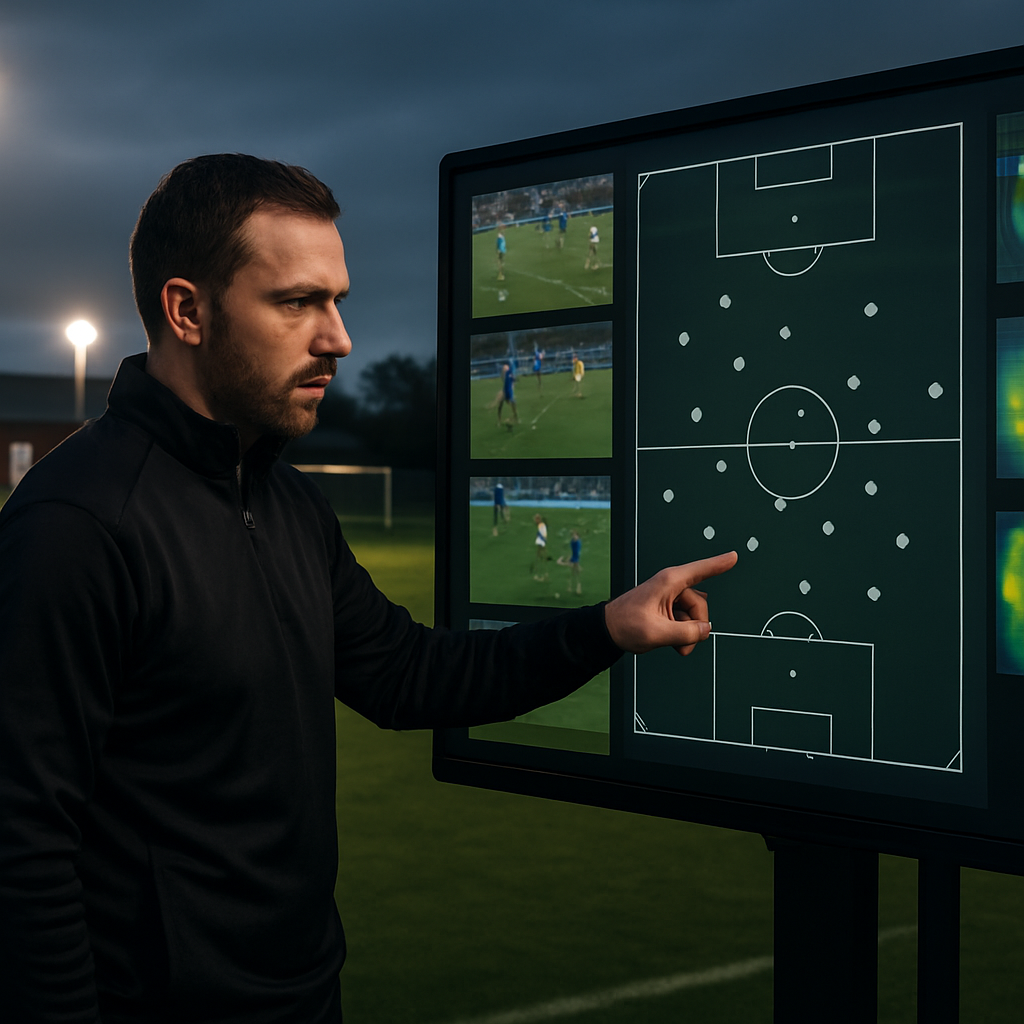
    Gone are the days when a manager simply watched footage and went with a gut feeling. Pre-match tactical preparation now involves detailed breakdowns of an opponent’s defensive shape, their pressing triggers, and where gaps tend to open up in transition. Heat maps and pass network visualisations let coaches identify weak links in a back line or pinpoint which zones an opposition winger struggles to defend.

    Formations are no longer static either. Data has shown that certain systems are measurably more effective against high-press sides, and some clubs now have multiple formation blueprints ready to deploy depending on what the numbers say about a specific opponent. This kind of data-led flexibility would have been near-impossible to execute consistently a decade ago.

    Substitutions – The Decision Point That Data Is Changing

    The timing and logic behind substitutions is one of the most visible ways football data analytics influences in-game decisions. Physical output data collected in real time – sprint distance, high-intensity runs, heart rate zones – allows fitness analysts to flag when a player is approaching fatigue thresholds before a dip in performance is even visible to the naked eye.

    This is why you’ll increasingly see substitutions coming at 55 or 60 minutes rather than being saved for desperate final acts. Clubs like Brentford have built their entire philosophy around data-informed squad rotation, using precise performance metrics to get maximum output from a budget that would look modest by top-flight standards. The results speak for themselves.

    Scouting and Recruitment – Finding Players the Old Way Misses

    Perhaps the biggest revolution driven by football data analytics is in how clubs identify transfer targets. Scouts no longer need to attend hundreds of matches across lower leagues. Automated video tagging and statistical filters mean a club can set specific performance thresholds – say, a centre-back who completes more than 70% of their defensive duels and averages over four ball progressions per 90 minutes – and get a shortlist of players across 50 leagues worldwide almost instantly.

    This democratises talent spotting. Smaller clubs who can’t afford a global scouting network now have access to the same raw data as the giants. It’s why hidden gems are being unearthed from leagues in Portugal, Belgium, and Scandinavia at a rate that would have seemed improbable before data platforms became widely available.

    Why Fans Should Care About This Shift

    There’s sometimes a worry that data strips the romance out of football. In reality, it often does the opposite. When a manager pulls off a tactical masterstroke or lands an unknown signing who turns out to be a revelation, there’s now a data trail showing that the decision wasn’t luck – it was informed by genuine evidence. That makes the wins feel more repeatable and the failures more understandable.

    For fans who enjoy a deeper engagement with the game, following the data conversation has become its own hobby. Podcasts, match report breakdowns, and clubs like Brentford FC openly discussing their analytical approach have helped bring these concepts into mainstream football culture. Understanding xG, progressive carries, or pressing maps doesn’t replace the joy of watching a great goal – it adds another layer to it.

    Where Is Football Data Analytics Heading?

    The next frontier involves real-time in-game dashboards that feed information directly to technical staff during matches, multi-camera optical tracking that eliminates the need for physical tracking devices, and biomechanical models that predict injury risk based on movement patterns rather than just workload. The clubs investing most heavily in these systems right now are likely to hold a meaningful competitive advantage over the next decade.

    Football is still about passion, talent, and the unpredictability that makes it the world’s most-watched sport. But the clubs who combine those qualities with rigorous data intelligence are the ones consistently competing for trophies. The numbers, it turns out, really do matter.

    GPS tracking vest used in football data analytics laid on a changing room bench
    Football analyst working with football data analytics heat maps on large monitors in a sports facility

    Football data analytics FAQs

    What is football data analytics and how does it work?

    Football data analytics involves collecting and interpreting large volumes of match and training data to inform decisions around tactics, recruitment, and player management. Tracking systems, event data platforms, and statistical models process everything from pass networks to sprint speeds, giving clubs a detailed picture of performance that goes far beyond what the human eye alone can capture.

    Which Premier League clubs use data analytics the most?

    Clubs like Liverpool, Manchester City, and Brentford are widely regarded as leaders in data-driven decision making within the Premier League. Liverpool famously built much of their success under Jurgen Klopp using recruitment models developed by their analytics department, while Brentford’s use of data for player identification is considered one of the best examples of punching above your financial weight.

    Does data analytics actually improve results in football?

    The evidence suggests it does, particularly in areas like recruitment and injury prevention where marginal gains compound over a season. Clubs using data-informed recruitment have consistently found undervalued players who outperform their transfer fees, and load management protocols have helped reduce soft tissue injuries in squads that apply them rigorously.

    What does xG mean in football statistics?

    xG stands for expected goals, a metric that assigns a probability score to each shot based on factors like its position on the pitch, the angle to goal, whether it was a header or a foot strike, and the type of assist that created it. A shot from inside the six-yard box might have an xG of 0.7, meaning it would be expected to result in a goal 70% of the time. It helps assess whether a team’s actual goal tally reflects the quality of chances they’re creating.

    How is data used in football scouting and transfers?

    Data platforms allow clubs to filter player databases across dozens of leagues worldwide using specific statistical benchmarks, dramatically reducing the time and cost of identifying transfer targets. A club can set criteria around defensive duels won, passing accuracy under pressure, or distance covered in high-intensity sprints, and instantly receive a shortlist of players who match the profile – many of whom a traditional scouting network might never have flagged.

  • Strength and Conditioning for Football and Rugby Players: Train Like the Pros

    Strength and Conditioning for Football and Rugby Players: Train Like the Pros

    Whether you’re pulling on boots twice a week for a Sunday league side or hitting the gym because you want to move like a professional rugby forward, strength and conditioning for football and rugby follows the same core principles used by elite athletes. The gap between amateur and professional isn’t always talent – it’s often the quality and consistency of training off the pitch. Here’s how to structure your work to build genuine speed, power and resilience.

    Why Strength and Conditioning for Football and Rugby Is Different From General Gym Work

    Generic gym programmes focus on aesthetics or general fitness. Sport-specific conditioning is built around movement patterns that mirror what your body actually does during a match. In football, that means explosive sprint acceleration, rapid direction changes and the ability to maintain intensity over 90 minutes. In rugby, it means absorbing and generating collision force, sustained power output in rucks and mauls, and the lateral stability to resist being driven off the ball.

    Both sports demand a blend of maximal strength, speed-strength (the ability to apply force quickly), aerobic capacity and mobility. Your programme needs to address all four – not just chase a bigger bench press.

    The Key Lifts Every Football and Rugby Player Should Master

    The Trap Bar Deadlift

    Arguably the single most transferable lift for field sport athletes. The trap bar deadlift develops posterior chain strength – glutes, hamstrings and lower back – without the technical demands of a conventional barbell pull. It trains the hip hinge pattern that underpins sprinting and tackling. Aim to build to 1.5 to 2 times your bodyweight for 3 to 5 reps before moving to more complex variations.

    Bulgarian Split Squat

    Unilateral leg strength is vital in both sports. Running, kicking, scrummaging – these are all single-leg actions at their core. The Bulgarian split squat exposes and corrects strength imbalances between legs while building the quad and glute strength needed for explosive acceleration. Use a controlled tempo on the way down and drive through the heel on the way up.

    Barbell Hip Thrust

    Elite sprinters have incredibly strong glutes. The hip thrust isolates glute activation in a way that squats alone do not, directly improving stride power and sprint speed. Add this to your lower body sessions two to three times per week and expect noticeable improvement in your first-step explosiveness within six to eight weeks.

    Bent-Over Row and Pull-Ups

    Upper body pulling movements build the back, biceps and rear delts that protect the shoulder joint – critical in contact sports like rugby where tackle and breakdown work places huge stress through the shoulder complex. For football players, upper body strength aids hold-up play, aerial duels and core connection under pressure.

    Speed and Power: Don’t Neglect Plyometrics

    Strength in the gym means nothing if you can’t express it quickly on the pitch. Plyometric training – box jumps, broad jumps, depth drops and banded sprints – trains your nervous system to recruit muscle fibres faster. Include one dedicated plyometric session per week, typically 15 to 20 minutes before your main lift session when your central nervous system is fresh. Keep total jump volume low: quality of effort beats quantity every time.

    Mobility Work That Actually Translates to the Pitch

    Stiff hips and poor thoracic rotation are behind more injuries in amateur footballers and rugby players than most people realise. A daily 10-minute mobility routine targeting the hip flexors, thoracic spine and ankle dorsiflexion pays dividends in performance and injury prevention.

    Key movements to include daily: the 90-90 hip stretch, world’s greatest stretch, thoracic rotations over a foam roller, and calf-to-wall ankle stretches. These aren’t glamorous, but professional players – from Premier League squads to Premiership Rugby clubs – do these movements consistently because the coaching staff knows they work.

    Core Exercises That Build Real Stability

    Forget endless sit-ups. Real core stability for sport comes from anti-rotation and anti-extension exercises that train your trunk to resist unwanted movement under load. The best options for field sport athletes include:

    • Pallof Press – trains rotational resistance, essential for holding position in a tackle or when receiving a physical challenge
    • Dead Bug – builds deep core activation without loading the spine
    • Farmer’s Carry – builds total-body bracing and grip strength simultaneously
    • Ab Wheel Rollout – one of the most effective anti-extension exercises available

    Three sets of each, two to three times per week alongside your main sessions, will produce noticeable improvements in how grounded and controlled you feel under physical pressure.

    How Often Should You Train?

    For players training or playing two to three times per week, two dedicated gym sessions are typically the sweet spot. More than that risks accumulating fatigue that degrades match performance. Structure your week so your hardest gym sessions fall furthest from your next match – typically two to three days before a game, switch to mobility, activation work and light technical drills rather than heavy lifting.

    In pre-season, you can push to three or four gym sessions per week when match demands are lower and the focus is building a physical base. As the season progresses, the goal shifts to maintaining the strength you’ve built rather than chasing new personal bests.

    Consistency Wins Over Intensity

    The athletes you watch on a Saturday didn’t build their physical qualities in one hard month. The foundation of strength and conditioning for football and rugby is sustained, progressive effort across months and years. Track your lifts, gradually add load or reps over time and take your recovery – sleep, nutrition, hydration – as seriously as your training. That combination is what separates players who improve every season from those who plateau. Start with the basics, execute them with precision and build from there.

    Close-up of a Bulgarian split squat exercise used in strength and conditioning for football and rugby
    Football and rugby players completing mobility work as part of a strength and conditioning for football and rugby session

    Strength and conditioning for football and rugby FAQs

    How many days a week should a football or rugby player do strength training?

    During the season, two gym sessions per week is the optimal balance for most field sport athletes – enough to maintain and build strength without accumulating fatigue that hurts match performance. In pre-season, when fixture schedules are lighter, three to four sessions per week can be used to build a stronger physical base before the competitive period begins.

    What are the best exercises to improve sprint speed for football players?

    The most effective exercises for sprint speed combine posterior chain strength work – trap bar deadlifts, hip thrusts and Nordic hamstring curls – with explosive plyometric training like broad jumps and box jumps. Resisted sprint drills using a sled or banded harness are also highly effective at developing first-step acceleration, which is the phase of sprinting most important in football.

    Can strength training help prevent injuries in rugby?

    Yes, significantly. Strengthening the muscles around key joints – the hips, knees, shoulders and ankles – dramatically reduces injury risk in contact sports. In rugby specifically, neck strengthening exercises, scapular stability work and hip abductor training have been shown to reduce the incidence of common injuries including hamstring tears and shoulder dislocations.

    Is mobility training important for rugby players?

    Absolutely – mobility is often the most overlooked element of a rugby player’s conditioning programme. Poor hip and thoracic mobility limits power output in scrums, lineouts and open play, and increases the likelihood of soft tissue injuries. A daily 10-minute mobility routine targeting the hips, ankles and thoracic spine produces measurable improvements in movement quality within a few weeks.

    What should a beginner strength programme for a football player look like?

    A beginner should focus on mastering the fundamental movement patterns before adding significant load: the hip hinge (trap bar deadlift), the squat (goblet squat progressing to split squat), horizontal push and pull (press-up and bent-over row), and loaded carries. Two full-body sessions per week, each lasting 45 to 60 minutes, is a realistic and effective starting point that builds the foundation for more advanced work over time.

  • How Sports Teams Are Using Email to Stay Connected With Fans in 2026

    How Sports Teams Are Using Email to Stay Connected With Fans in 2026

    In an era dominated by social media noise and algorithm-driven feeds, fan email communication has quietly become one of the most powerful tools in a sports club’s digital arsenal. From Premier League giants to non-league clubs with tight budgets, email is proving to be the direct line that social platforms simply cannot match – delivering news, exclusive content and matchday updates straight into supporters’ inboxes without a single algorithm getting in the way.

    Why Fan Email Communication Still Beats Social Media in Sport

    Social media platforms are brilliant for reach, but they’re unpredictable. A post can land brilliantly one day and barely register the next depending on platform changes, trending news or simple bad timing. Email, by contrast, lands exactly where it’s supposed to, at the time the club intends it to. Open rates for well-managed sports club mailing lists regularly sit between 35% and 50% – significantly higher than the average organic reach of a club’s social posts.

    For supporters, there’s something personal about an email. It feels direct. When Arsenal send a pre-match briefing, or when a women’s rugby club sends its weekly newsletter, fans engage with it differently to a scrollable post. The inbox still carries weight – and smart clubs know it.

    What the Best Sports Clubs Are Sending to Their Fans

    The most successful fan email communication strategies share a few things in common: they’re timely, they’re exclusive, and they genuinely add value beyond what’s already publicly available. Here’s what’s working right now across professional and amateur sport:

    Pre-Match and Post-Match Briefings

    Clubs are sending automated pre-match emails with squad news, travel info, weather at the ground and tactical previews. After the final whistle, follow-up emails with stats, player ratings and manager quotes arrive before many fans have even made it home. This kind of rapid-fire, well-packaged content keeps supporters loyal to the club’s own channels rather than relying purely on third-party football media.

    Exclusive Member Content and Early Access

    Many clubs now use email as the primary channel for delivering member-only content – think behind-the-scenes video access, early kit release previews, or first access to away ticket sales. The email list becomes the VIP pass, and that sense of exclusivity drives sign-ups and retention.

    Athlete Newsletters and Personal Columns

    Some forward-thinking clubs and individual athletes have launched personal newsletters that go beyond club news. Imagine a weekly column from a first-team midfielder, written in their own voice, covering training, travel and life on the road. It’s the kind of intimate content that builds genuine connection – something a corporate Twitter account can rarely achieve.

    The Technical Side: Making Sure Emails Actually Arrive

    Here’s the thing many clubs overlook – a beautifully written email is worthless if it ends up in a supporter’s spam folder. Deliverability is the unglamorous but essential backbone of any successful email strategy. Clubs need to ensure their sending domains are properly authenticated, their mailing lists are regularly cleaned of inactive addresses, and their content doesn’t trigger spam filters with overly promotional language or broken formatting.

    Before launching any major fan email communication campaign – whether it’s a new season announcement or a transfer window special – clubs should test their email health. Using a free spam checker is a quick and genuinely useful way to diagnose deliverability issues before they become a problem. A low spam score means a higher chance your content lands where it belongs – in front of the fan, not buried in junk.

    How Smaller Sports Clubs Can Build a Fan Email List From Scratch

    You don’t need a 60,000-seat stadium or a Premier League budget to run effective fan email communication. Semi-professional and grassroots clubs across the UK are doing it successfully with free or low-cost tools. The key is starting simple and being consistent.

    Collect emails at every touchpoint – matchday programmes, club websites, social bios and even at the turnstile. Offer something in return: a free digital programme, a monthly prize draw, or exclusive access to player Q&As. Once you have even a small list, send regularly. Consistency builds habit, and habit builds loyalty. A monthly round-up of results, upcoming fixtures and club news takes less than two hours to produce and keeps supporters engaged through the off-season when there’s little else happening.

    Global Sports Brands Raising the Bar

    Looking beyond the UK, American sports franchises have long led the way in sophisticated email marketing. NBA and NFL teams invest heavily in personalised email journeys – a new subscriber who’s interested in merchandise gets a different email sequence to a season ticket holder who attends every home game. The personalisation is driven by data, and the results show in both engagement and commercial revenue.

    This level of personalisation is increasingly achievable for UK clubs too, particularly as email platforms become more accessible and affordable. The clubs that invest now in understanding their fanbase through email data will have a significant advantage in building long-term supporter relationships.

    What Fans Actually Want From Club Emails

    In supporter surveys conducted across several EFL clubs, the most valued email content consistently includes injury updates and team news, fixture reminders with travel info, exclusive interviews with players and coaching staff, and early access to ticket sales. What fans don’t want is generic promotional blasts with no editorial value. The clubs that treat their supporters as intelligent, passionate people – rather than just customers – are the ones seeing their open rates climb and their unsubscribe rates drop.

    Fan email communication, done right, is one of the most direct expressions of respect a club can show to its supporter base. It says: we value your time, and we’ve got something worth saying.

    Sports club communications manager reviewing fan email communication analytics on a monitor
    Young sports fan reading fan email communication on her smartphone in a cafe

    Fan email communication FAQs

  • How Sports Brands Are Winning Online With Smarter Content Partnerships

    How Sports Brands Are Winning Online With Smarter Content Partnerships

    In a world where every club, gym and fitness brand is fighting for screen time, sports content partnerships have quietly become one of the most powerful ways to reach fans. From grassroots football teams to global running communities, smart collaborations are helping organisations cut through the noise and stay front of mind on phones, tablets and TVs.

    What are sports content partnerships today?

    Modern sports content partnerships are less about slapping a logo on a shirt and more about creating stories fans actually want to watch, read or share. That might be a club working with a tech brand on behind-the-scenes training videos, or a fitness app teaming up with a local running club to share route guides and recovery tips.

    The key shift is that content is now built around the fan experience. Instead of pushing hard sales messages, brands are co-creating useful, entertaining or educational pieces that help people train better, enjoy events more, or feel closer to their favourite teams and athletes.

    Why sports content partnerships matter for fans

    From the fan side, the best collaborations feel like a bonus, not a billboard. Think match-day city guides for away supporters, interactive data breakdowns of a big fixture, or live fitness challenges you can join from your living room. These are all examples where brands add something extra to the sporting moment.

    When done well, partnerships give fans:

    • Better insight into tactics, training and preparation
    • Exclusive access to players, coaches or elite trainers
    • Practical tips on nutrition, recovery and injury prevention
    • Interactive challenges that turn watching into participating

    That blend of entertainment and performance insight is exactly what keeps people coming back for more.

    How clubs and gyms benefit from sports content partnerships

    For clubs, gyms and fitness brands, the upside is huge. Smart sports content partnerships can expand reach into new communities, keep existing members engaged between sessions, and showcase facilities or coaching without feeling like a hard sell.

    Typical benefits include:

    • Reaching new audiences through partner channels and platforms
    • Sharing production costs for higher quality video or live streams
    • Access to specialist expertise, such as sports science or wearable tech data
    • Creating consistent content around big events, tournaments or race seasons

    Even smaller organisations can punch above their weight by teaming up with local influencers, physios, nutritionists or community groups that already have loyal followings.

    Technology and data: the new engine of collaboration

    Tech has made it far easier to plan, produce and distribute joint content. Wearables, GPS tracking and performance apps provide a steady stream of stats that can be turned into visuals, analysis and challenges. Streaming platforms give clubs and events the power to broadcast globally with minimal kit.

    Behind the scenes, specialist platforms such as LinkVine help brands and publishers discover relevant partners and build long-term relationships around recurring content themes like marathon season, tournament previews or pre-season fitness.

    Examples of fan-first sports content partnerships

    The most effective collaborations share a few traits: they are regular, they are easy to access, and they focus on what the audience actually cares about. Some popular formats include:

    • Weekly training diaries with academy players or local athletes
    • Joint podcasts between clubs and sports science providers
    • Match-day or race-day prep videos created with nutrition brands
    • Virtual fitness classes streamed from stadium concourses or training grounds
    • Community challenges where gyms and schools compete on steps or distance covered

    Each piece of content strengthens the link between performance, lifestyle and the brands involved.

    Getting started with these solutions

    You do not need a huge budget to begin. Start by mapping your strengths: maybe you have a charismatic coach, a brilliant physio, or a pitch in a stunning location. Then look for partners whose audience would naturally enjoy what you can offer, such as local media outlets, university teams or fitness creators.

    Agree a simple content plan: how often you will publish, which platforms you will use, and how you will measure success. For most clubs and gyms, success is not just about views, but about more sign-ups, fuller classes, and fans who feel more connected to the badge or brand.

    Athletes and influencers filming a workout as part of sports content partnerships in a modern gym
    Media crew capturing a community athletics event as part of sports content partnerships at a running track

    Sports content partnerships FAQs

    What are sports content partnerships in simple terms?

    Sports content partnerships are collaborations where clubs, gyms, events or fitness brands team up with media outlets, creators or other organisations to produce and share content together. Instead of just advertising, both sides create useful or entertaining pieces that engage fans, such as training tips, match previews, behind-the-scenes videos or live workouts.

    How can small local clubs use sports content partnerships?

    Small local clubs can start by working with nearby gyms, physios, schools or community influencers to share joint content on social media. This might include fitness challenges, injury prevention advice, player interviews or coverage of local tournaments. The aim is to showcase the club culture and facilities while offering value to players, parents and fans.

    Do sports content partnerships only work for professional teams?

    No, sports content partnerships can work at every level. Grassroots clubs, running groups, university teams and independent gyms can all benefit by collaborating with local businesses, health professionals or online creators. The key is alignment: partners should share similar audiences and be able to create consistent, fan-first content together.